Search API

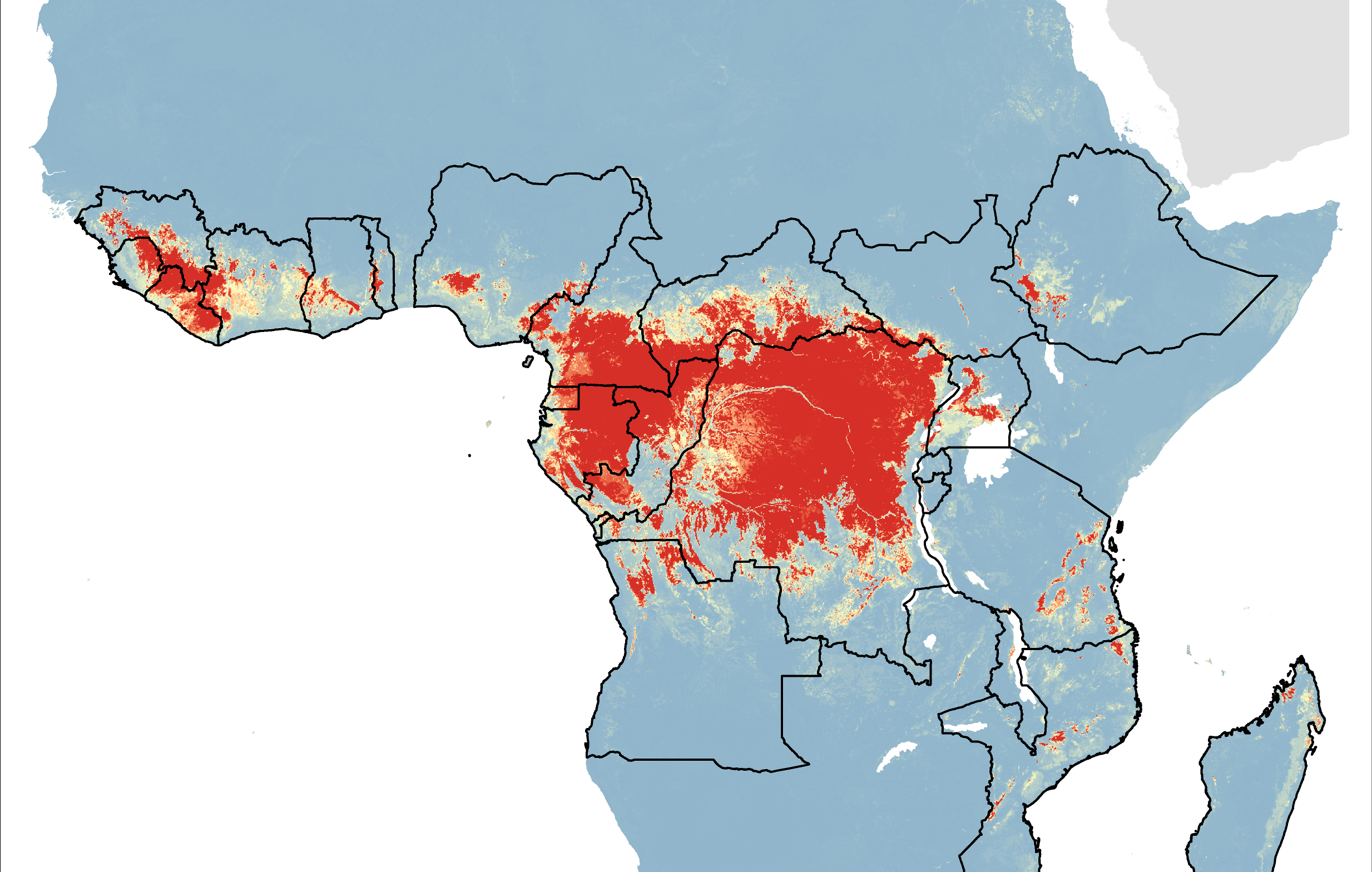
Moderna, Inc. announced that the European Commission (EC) has granted marketing authorization for mRESVIA®, an mRNA respiratory syncytial virus (RSV) vaccine.
RSV is a highly contagious seasonal respiratory virus that causes an exceptionally high burden of disease in infants and older adults.
As of August 23, 2024, this EC authorization is indicated to protect adults aged 60 years and older from lower respiratory tract disease caused by RSV infection.
The marketing authorization is valid in all 27 EU member states, as well as Iceland, Liechtenstein, and Norway.
"The EC's approval of mRESVIA is an important milestone for public health and highlights Moderna's mRNA leadership," said Stéphane Bancel, Chief Executive Officer of Moderna, in a press release.
In the European Union, RSV is estimated to cause approximately 160,000 hospital admissions in adults each year, with 92% of these admissions occurring in adults aged 65 and over.
In the United States, the RSV season has already begun in Florida and is expected to spread throughout the U.S.
For the 2024-2025 RSV season in the U.S., three vaccines and one monoclonal antibody were approved by the U.S. FDA.
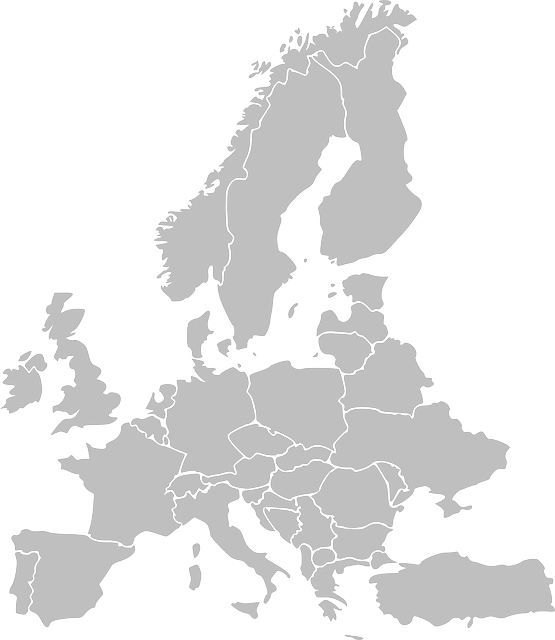

Novavax Inc. today announced, 'We are working productively with the U.S. Food and Drug Administration (FDA) as they complete their review, including providing additional information as needed, and the FDA has committed to moving swiftly on regulatory authorization.'
'We expect to have authorization in time for peak vaccination season.'
Novavax filed for U.S. Emergency Use Authorization of our 2024-2025 formula protein-based COVID-19 vaccine (NVX-CoV2705) in June 2024.
In the United States, Novavax's products have been and will be available after FDA authorization in thousands of locations nationwide, including pharmacies.
For example, Walgreens recently confirmed their pharmacists are available to help patients navigate the latest vaccination guidance, including the timing of vaccinations, given the uneven geographical spreading of the coronavirus.
Additionally, numerous countries have authorized Novavax's COVID-19 vaccines over the past few years.
Novavax wrote on August 22, 2024, 'Our 2024-2025 formula COVID-19 vaccine targets JN.1, the "parent strain” of currently circulating variants and should provide acceptable coverage and cross-reactivity against JN.1 lineage viruses, including KP.2.3, KP.3, KP.3.1.1 and LB.1.1.'
'Upon authorization, Novavax’s vaccine will be the only protein-based option available in the U.S. for individuals aged 12 and older to prevent COVID-19.'
On August 8, 2024, Novavax reported it achieved total revenue of $415 million in the second quarter of 2024 and ended the period with $1.1 billion in Cash.
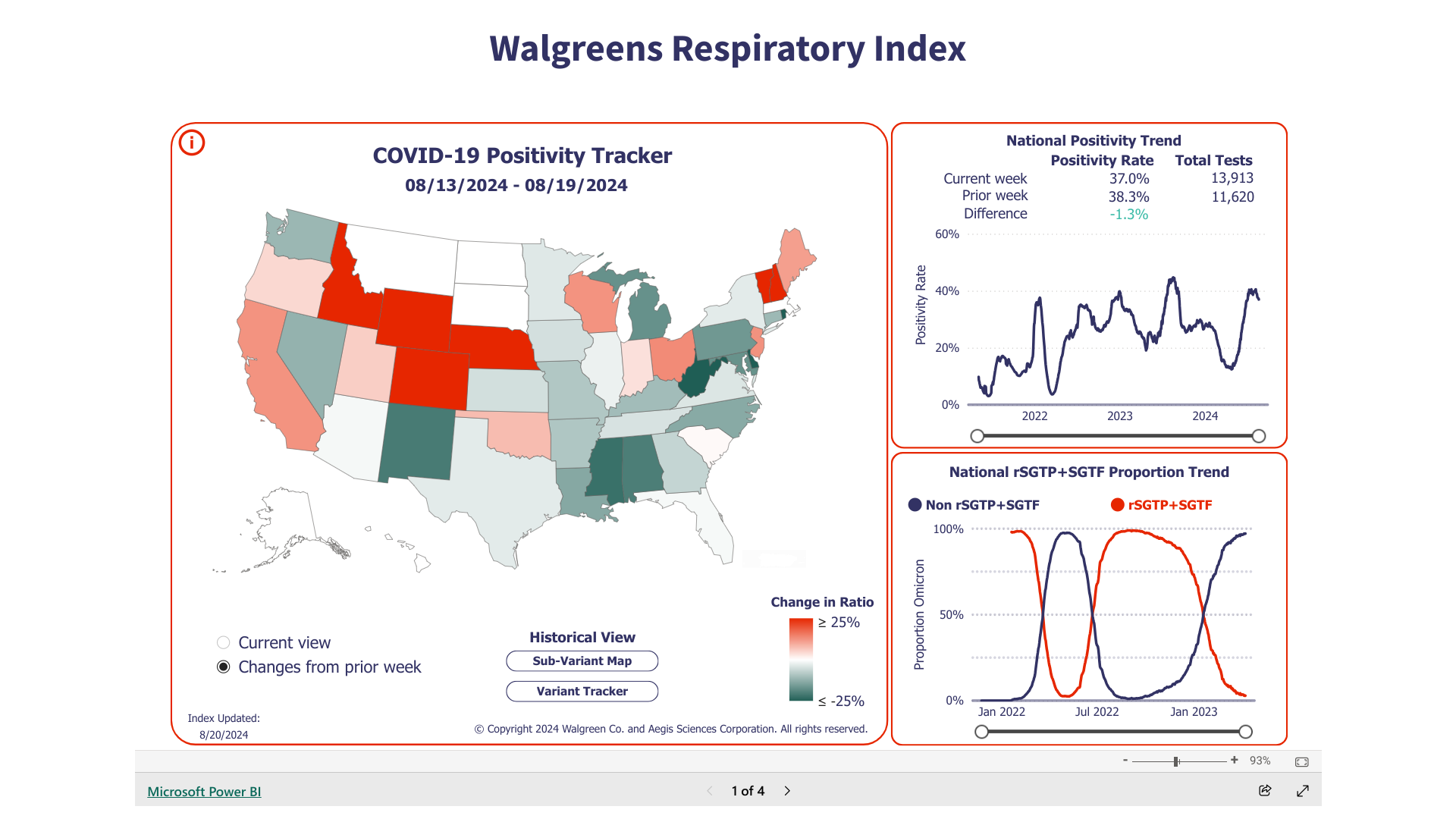
Cuba's Minister of Public Health, José Ángel Portal Miranda, recently announced over 400 Oropouche virus disease cases have been confirmed on the island since late May 2024.
According to Cuba Headlines reporting, Cuba ranks second in the Region of the Americas for the number of infections behind Brazil (7,284).
Infected biting midges and some mosquitoes are spreading the virus.
Currently, there are no efficient vector control measures for the Culicoides paranesis.
As of August 23, 2024, the U.S. Centers for Disease Control and Prevention (CDC) says there is no evidence of local transmission of Oropouche virus disease in the United States. However, various states, such as Florida (12), report travel-related cases.
The virus was first detected in 1955 in Trinidad and Tobago near the Oropouche River. Since then, outbreaks of the Oropouche virus have been reported in Bolivia, Brazil, Colombia, Ecuador, French Guiana, Panama, and Peru.
The incubation period for Oropouche virus disease is 3–10 days, says the U.S. CDC. Typically, the disease starts with the abrupt onset of fever (38-40°C), followed by a headache, chills, myalgia, and arthralgia.
People typically recover without long-term sequelae. However, there have been a few deaths reported and vertical transmission of Oropouche virus causing fetal deaths and congenital abnormalities.
The best way to protect themselves from Oropouche is to prevent bites from biting midges and mosquitoes.
According to the CDC's Level 2 Travel Health Advisory, updated on August 15, 2024, travelers to Cuba should prevent bug bites during visits to protect themselves from infection, as there are no vaccines to prevent Oropouche virus disease.
Note - Headlines was edited on Aug, 24, 2024,
The World Health Organization (WHO) announced today that three vaccines are available to prevent mpox in different countries.
Published on August 22, 2024, the WHO's Disease Outbreak News confirmed the MVA-BN® (JYNNEOS®, IMVAMUNE®), LC16-KMB, and OrthopoxVac are available in certain countries. However, OrthopoxVac has not yet been commercialized.
Based on extensive clinical research, the WHO recommends using MVA-BN or LC16 vaccines when the others are not available.
While the ACAM2000® live vaccinia virus vaccine is authorized to prevent mpox and smallpox infections, the WHO does not recommend it.
Furthermore, mpox vaccination is recommended by WHO and the U.S. CDC for individuals at high risk of exposure, such as when visiting mpox outbreak areas.
Takeda Canada Inc. today annonced a new report, Enhancing Diagnosis, Access, Care, and Treatment, highlighting the urgent need for innovative funding models and collaboration to help accelerate Canada’s National Strategy for Drugs for Rare Diseases.
Nearly 200 novel drugs for rare diseases are being developed and are expected to launch in Canada within the next ten years. It’s estimated only 5% of rare diseases have an approved treatment.
A “rare” disease is any disease that affects a minimal number of individuals. It is often genetic, chronic throughout a patient’s life, and life-threatening. With rare diseases affecting relatively limited patients, innovative treatments are often unavailable.
The impact of rare diseases is significant, with approximately one in 12 Canadians, two-thirds of whom are children.
“Canadians living with rare diseases have every reason to be optimistic,” says Durhane Wong-Rieger, President & CEO of the Canadian Organization for Rare Disorders, in a press release on August 22, 2024.
“Hundreds of new therapies are being developed, many targeting the 95% of rare diseases with no known treatment! We must leverage the $1.5 billion Rare Disease Drug Strategy,
The journey toward appropriately managing a rare disease is long and challenging. On average, it takes 6 to 8 years before a patient receives a correct diagnosis; this time, they will see an average of eight physicians and receive two to three misdiagnoses.
Takeda also produces innovative products, such as QDENGA®, an approved two-dose vaccine that prevents dengue fever and/or severe dengue in adults caused by any of the four serotypes of the dengue virus.
This dengue vaccine is authorized in about 40 countries and does not require pre-admission testing.


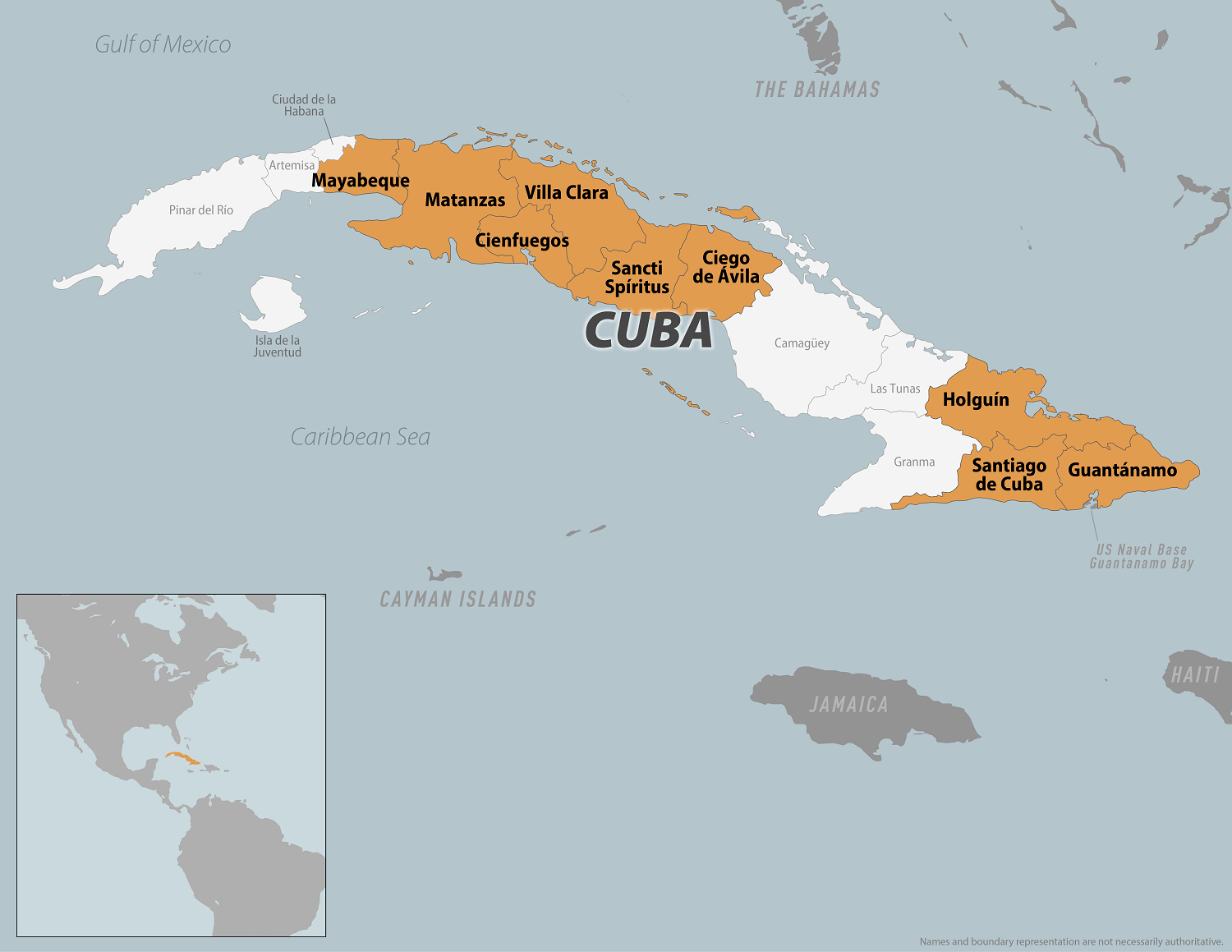
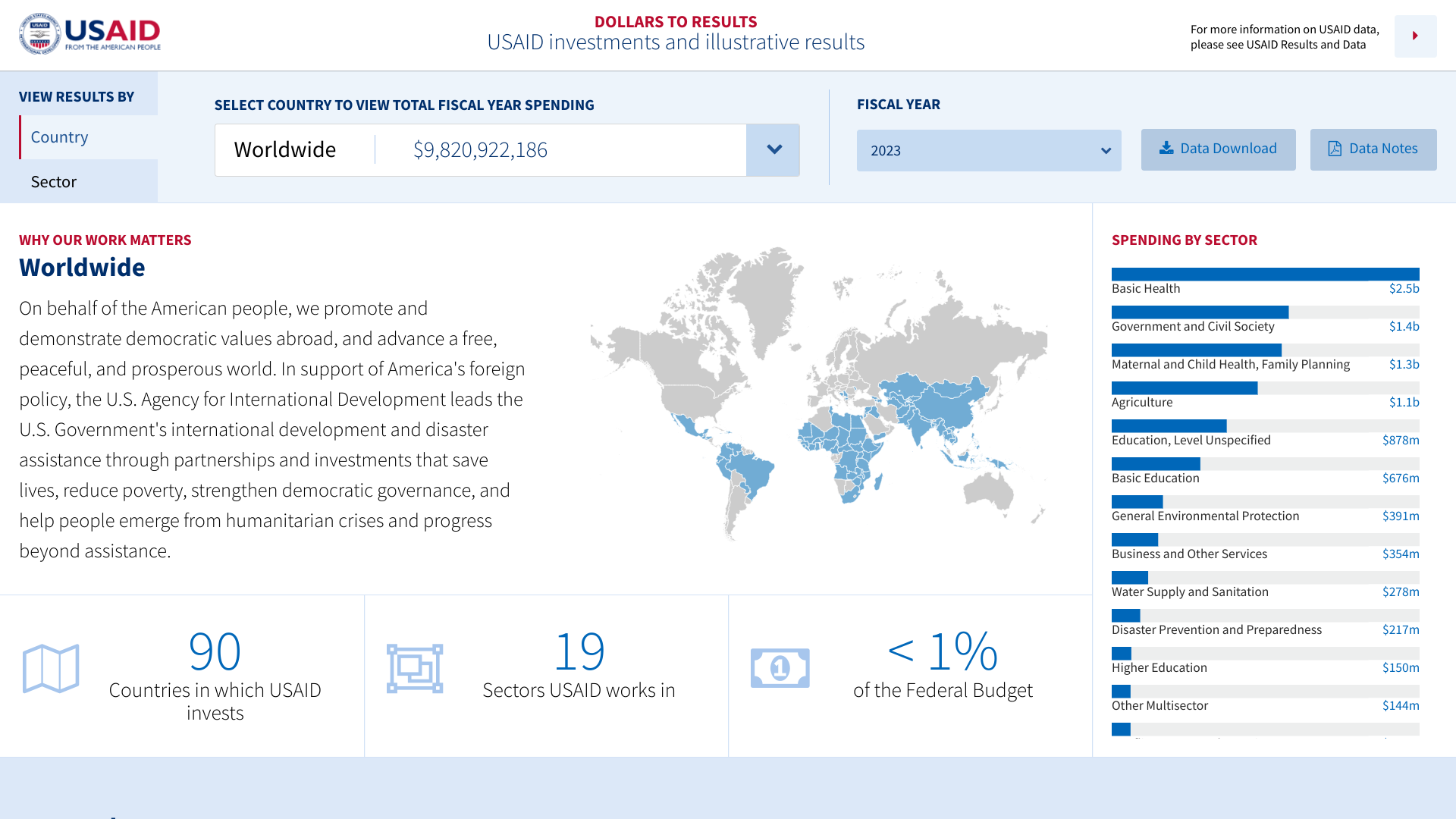
The United States Agency for International Development (USAID) announced up to an additional $35 million in emergency health assistance to bolster response efforts for the clade Ib mpox outbreak in Central and Eastern Africa, pending U.S. Congressional Notification.
This new commitment on August 20, 2024, brings the total U.S. government support for the affected countries in the region to more than $55 million in response to the ongoing mpox outbreak.
USAID support includes assistance with surveillance, diagnostics, risk communication, community engagement, infection prevention and control, case management, and vaccination planning and coordination.
The USAID support includes donating 50,000 doses of the third-generation JYNNEOS® (MVA-BN®, IMVAMUNE®) mpox / smallpox vaccine to the Democratic Republic of the Congo (DRC), the country most severely impacted by the outbreak.
Since 2023, this mpox outbreak has extended beyond the DRC, with several other countries in the region reporting cases in 2024, including countries where mpox has historically not been reported.
The current mpox outbreak differs in disease severity from the global clade II outbreak that began in May 2022, impacting the United States.
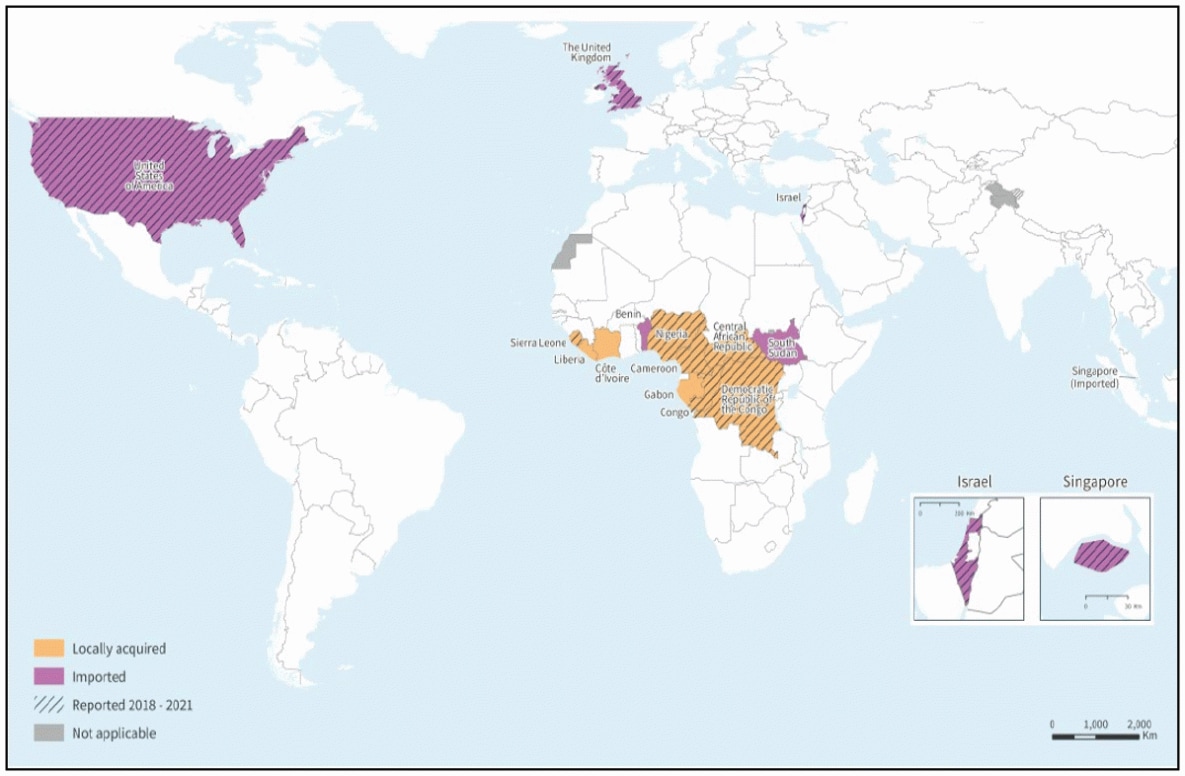
According to real-world evidence published in The Lancet Infectious Diseases today, this analysis is the first to provide estimates of Merck's Ervebo® (rVSV-ZEBOV) vaccine against Zaire Ebolavirus disease amid the widespread use of the vaccine during a large outbreak.
Announced on August 20, 2024, these findings confirm that Ervebo is highly protective against 84% (95% credible interval, 70% to 92%) of Ebolavirus disease and supports its use during outbreaks, even in challenging contexts such as in the eastern Democratic Republic of the Congo (DRC).
This finding is essential since Ebolaviruses are endemic in the DRC.
In a related Editorial, the authors wrote the 2018–20 Ebola virus disease epidemic in the DRC resulted in 3,470 reported cases and remains the second-largest Ebolavirus outbreak in recorded history worldwide. The initial Ebola outbreak was in 1976.
In November 2019, the World Health Organization prequalified the Ervebo vaccine. The U.S. Food and Drug Administration approved it on December 19, 2019.
Médecins Sans Frontières (Doctors Without Borders) funded this study.