Search API
When the U.S. Centers for Disease Control and Prevention (CDC) recommended respiratory syncytial virus (RSV) vaccination for seniors in 2023, prelicensure trials were not powered to assess efficacy against RSV-associated hospitalization, excluded immunocompromised patients, and underrepresented other groups at increased risk of severe RSV disease, including adults aged 75 years and older.
A recent real-world study published by The JAMA Network Research Letter on September 4, 2024, evaluated the effectiveness (VE) of the RSV vaccine against RSV-associated hospitalization during the first season of use.
These researchers concluded VE against RSV-associated hospitalization was 75% (95% confidence interval (50% to 87%).
As of May 2024, the CDC RSVVaxView estimated that 24.4% of adults 60 and older received an RSV vaccine.
As of September 2024, three RSV vaccines are authorized for use in the United States and are readily available at most clinics and pharmacies before the 2024-2025 RSV season intensifies during the winter months.

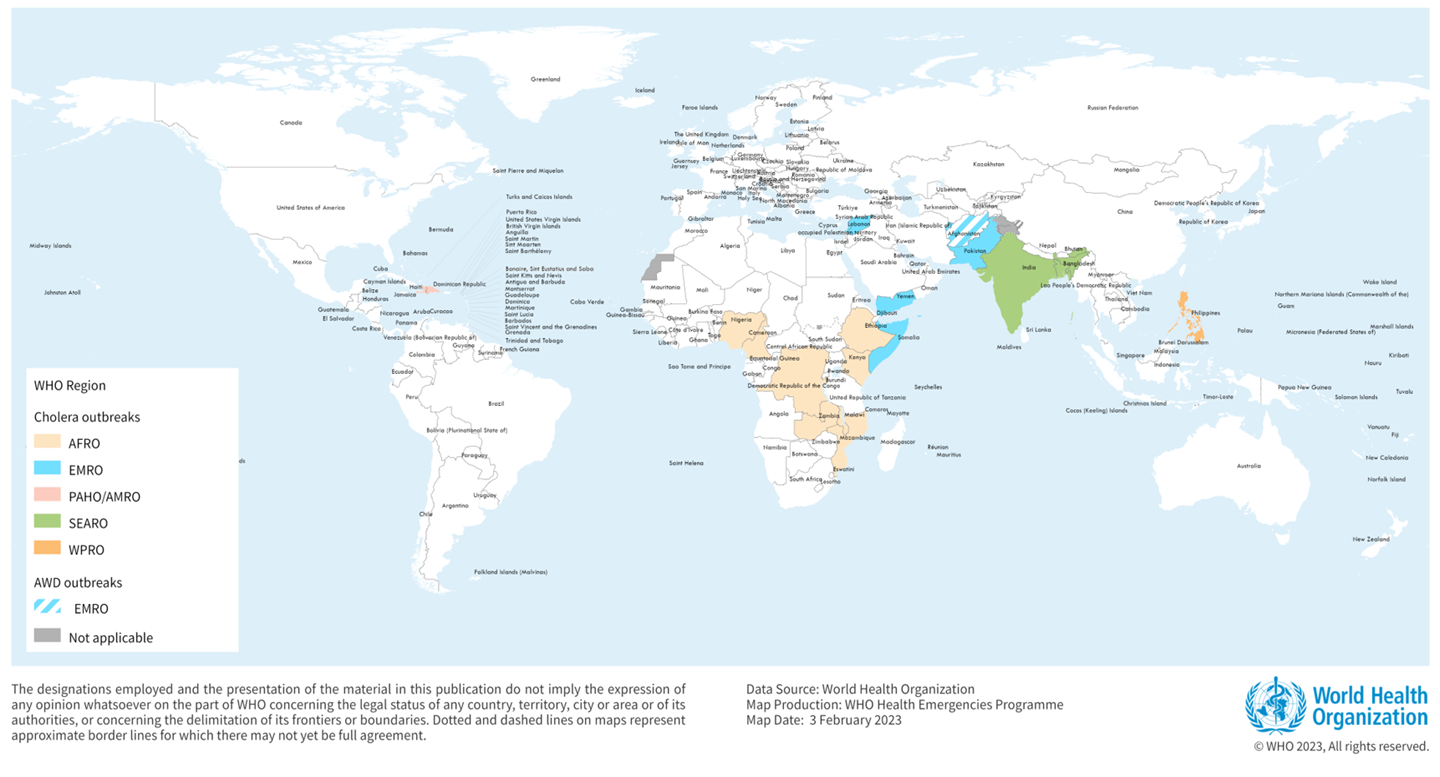
The World Health Organization (WHO) announced today it considers the current global risk from cholera as very high since cholera cases increased by 13% and deaths (~4,000) by 71% last year compared to 2022.
Across all continents as of mid-August 2024, 342,800 cholera cases and 2,400 related deaths have already been reported to WHO.
Unfortunately, as of September 4, 2024, there is insufficient oral cholera vaccine (OCV) supply to meet the global demand.
Since October 2022, the International Coordinating Group, which manages emergency vaccine supplies, has suspended the standard two-dose vaccination regimen in cholera outbreak response campaigns, adopting a single-dose approach instead to reach and protect more people given limited supplies.
Despite the low stockpile of OCV, a record 35 million doses were shipped last year, with the one-dose strategy in effect.
The WHO has prequalified Dukoral®, Shanchol™, Euvichol®, and the Euvichol-S OCVs to address the supply shortfall.
In the United States, OCVs are available at travel clinics and pharmacies.
Without a herpes preventive vaccine available in 2024, post-infection treatments offer patients their best option.
Over the past few years, an antiviral drug named Acyclovir has been used to slow the spreading and lessen the symptoms of the Herpes Simplex Virus 1 (HSV-1) virus.
However, Acyclovir will not cure herpes.
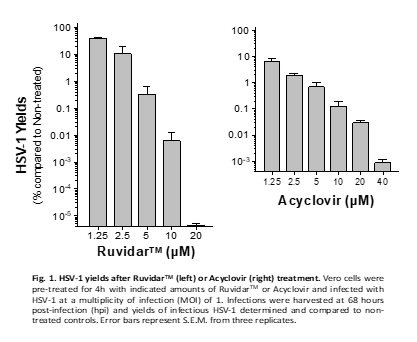
To address this need, Theralase® Technologies Inc. today announced that its lead drug formulation, Ruvidar™, could be more effective in destroying HSV-1 than Acyclovir.
Another important pre-clinical observation is that Acyclovir could not prevent HSV-1 replication if added one day after infection. However, Ruvidar prevented HSV-1 replication by ten million-fold when added one day after infection.
In other words, from a clinical perspective, if a patient has pre-existing HSV-1, then Acyclovir could not prevent the virus' replication; however, Ruvidar TM would be highly effective, the company wrote on September 3, 2024.
Roger DuMoulin-White, B.E.Sc., P.Eng., Pro.Dir., President and Chief Executive Officer of Theralase, stated in a press release, “This latest research continues to strengthen what we already know; Ruvidar is a very potent drug in the destruction of cancer, viruses, and bacteria on its own and is further enhanced by light, radiation, sound or drug activation."
"Based on this latest research, Theralase® plans to commence seeking a partner/licensing opportunity in the development of Ruvidar™ for both a topical and oral treatment for the prevention and treatment of herpes simplex.“
In previous research, Ruvidar was found effective at inactivating both enveloped and non-enveloped viruses.
Vaxcyte, Inc. today announced that it has commenced an underwritten public offering of $1.0 billion of its common stock and pre-funded warrants.
As of August 3, 2024, Vaxcyte intends to grant the funding underwriters a 30-day option to purchase up to an additional $150 million of shares of its common stock offered in the public offering (including shares underlying the pre-funded warrants).
Vaxcyrte confirmed this offering is subject to market and other conditions, and there can be no assurance as to whether or when the offering may be completed or as to the actual size or terms of the offering.
The Company is developing broad-spectrum conjugate and novel protein vaccines to prevent or treat bacterial infectious diseases.
VAX-31 is a Phase 3-ready 31-valent, carrier-sparing pneumococcal conjugate vaccine (PCV) candidate being developed for the prevention of invasive pneumococcal disease (IPD) in adults and infants and is the broadest-spectrum PCV candidate in the clinic today.
VAX-24, the Company’s 24-valent PCV candidate, is designed to cover more serotypes than any infant PCV on-market and is currently being evaluated in a Phase 2 infant study.
Both VAX-31 and VAX-24 are designed to improve upon the standard-of-care PCVs by covering the serotypes in circulation that are responsible for a significant portion of IPD and are associated with high case-fatality rates, antibiotic resistance, and meningitis while maintaining coverage of previously circulating strains that are currently contained through continued vaccination practice.

Vaxcyte, Inc. today announced positive topline results from the Phase 1/2 study evaluating the safety, tolerability, and immunogenicity of VAX-31, the Company’s 31-valent pneumococcal conjugate vaccine (PCV) candidate designed to prevent invasive pneumococcal disease (IPD).
In this Phase 1/2 study, VAX-31 was observed to be well tolerated and demonstrated a safety profile at all doses studied through the full six-month evaluation period similar to Prevnar 20® (PCV20).
The VAX-31 vaccine candidate showed robust opsonophagocytic activity (OPA) immune responses for all 31 serotypes at all doses studied.
At the middle and high doses, VAX-31 met or exceeded the OPA response non-inferiority criteria for all 20 serotypes common with PCV20.
At the VAX-31 high dose, average OPA immune responses were greater for 18 of 20 serotypes compared to PCV20 (geometric mean ratio (GMR) greater than 1.0), with seven of these serotypes achieving statistically higher immune responses compared to PCV20.
At the middle dose, 13 of 20 serotypes had a GMR greater than 1.0, and five serotypes achieved statistically higher immune responses compared to PCV20. For all 11 incremental serotypes unique to VAX-31 and not in PCV20, all three doses met the superiority criteria.
Based on the strength of the results from this study, the Company has selected VAX-31 to advance to an adult Phase 3 program. The Company plans to select the VAX-31 dose before initiating the adult Phase 3 program.
Grant Pickering, Chief Executive Officer and Co-Founder of Vaxcyte commented in a press release on September 3, 2024, “Based on the strength and clarity of these data, we have selected VAX-31 for the adult indication and plan to initiate the pivotal, non-inferiority Phase 3 study by mid-2025 and announce topline data in 2026."
"We intend to initiate the remaining VAX-31 Phase 3 studies in 2025 and 2026 and submit a Biologics License Application subject to the results of these studies.”
Pneumococcal disease is an infection caused by Streptococcus pneumoniae bacteria, leading to thousands of hospitalizations yearly in the U.S.

Valneva SE and Pfizer Inc. today announced positive immunogenicity and safety data from their VLA15-221 Phase 2 study following a second booster vaccination of their Lyme disease vaccine candidate, VLA15, given one year after receiving the first booster dose.
VLA15 is an investigational multivalent protein subunit vaccine that uses an established mechanism of action for a Lyme disease vaccine. It targets the outer surface protein A of Borrelia burgdorferi, the bacteria that causes Lyme disease.
There are currently no approved human vaccines for Lyme disease, and VLA15 is the candidate that has advanced the furthest along the clinical development timeline, with two Phase 3 trials in progress.
Juan Carlos Jaramillo, M.D., Chief Medical Officer of Valneva, commented in a September 3, 2024, press release, "We are encouraged by these data, which support the potential benefit of booster doses across all examined age groups."
"As Lyme disease continues to spread, it represents a significant unmet medical need, affecting numerous individuals throughout the Northern Hemisphere."
"Each new set of positive data brings us one step closer to potentially bringing this vaccine to adults and children living in areas where Lyme disease is endemic."
Subject to positive Phase 3 data, Pfizer aims to submit a Biologics License Application to the U.S. FDA and a Marketing Authorization Application to the European Medicines Agency in 2026.
The Centers for Disease Control and Prevention (CDC) estimated that approximately 476,000 people in the U.S. are diagnosed and treated for Lyme disease yearly. This disease was first identified in Lyme, Connecticut.
On August 14, 2024, the CDC reported (Volume 30, Number 9—September 2024) that the overall incidence of Lyme disease was about seven times higher than that reported through public health surveillance.
Unfortunately, the northeastern United States is the leading area for Lyme disease-carrying ticks.
For example, the Pennslyvania Department of Health Tickborne Disease Dashboard shows that while cases of Lyme disease peak in June through August, the threat exists year-round, primarily in the northwestern section of the state.

The U.S. Centers for Disease Control and Prevention (CDC) has repeatedly stated that the majority of measles cases confirmed in the United States are linked to unvaccinated international travelers.
This assumption was reaffirmed in late August 2024 when the CDC reported that out of the 236 measles cases this year, 87% were in patients who were either unvaccinated or whose vaccination status was unknown, and most had contact with international travelers.
Various health agencies have recently updated their data to help determine where these measles viruses may have originated.
The Europen CDC recently reported that 30 EU/EEA Member States had reported a total of 17,949 measles cases of measles and 13 related deaths over the past year.
For example, in July 2024, Romania (382), Belgium (92), Italy (91), and Germany (84) reported the highest measles patient counts. Throughout 2024, Germany has reported 435 measles cases.
Other recent measles hot spots have been India, with about 24,000 measles cases over the past year.
As of August 2024, 12,481 measles cases had been confirmed in the Region of the Americas.
The overall measles vaccination average in the Americas is about 85% coverage for the first MMR vaccine dose, indicating millions of unprotected people in the Americas.
While MMR vaccination is not a requirement to visit the U.S., the CDC recommends that all international travelers speak with a travel vaccine provider about their options to protect themselves from this highly transmittable virus.

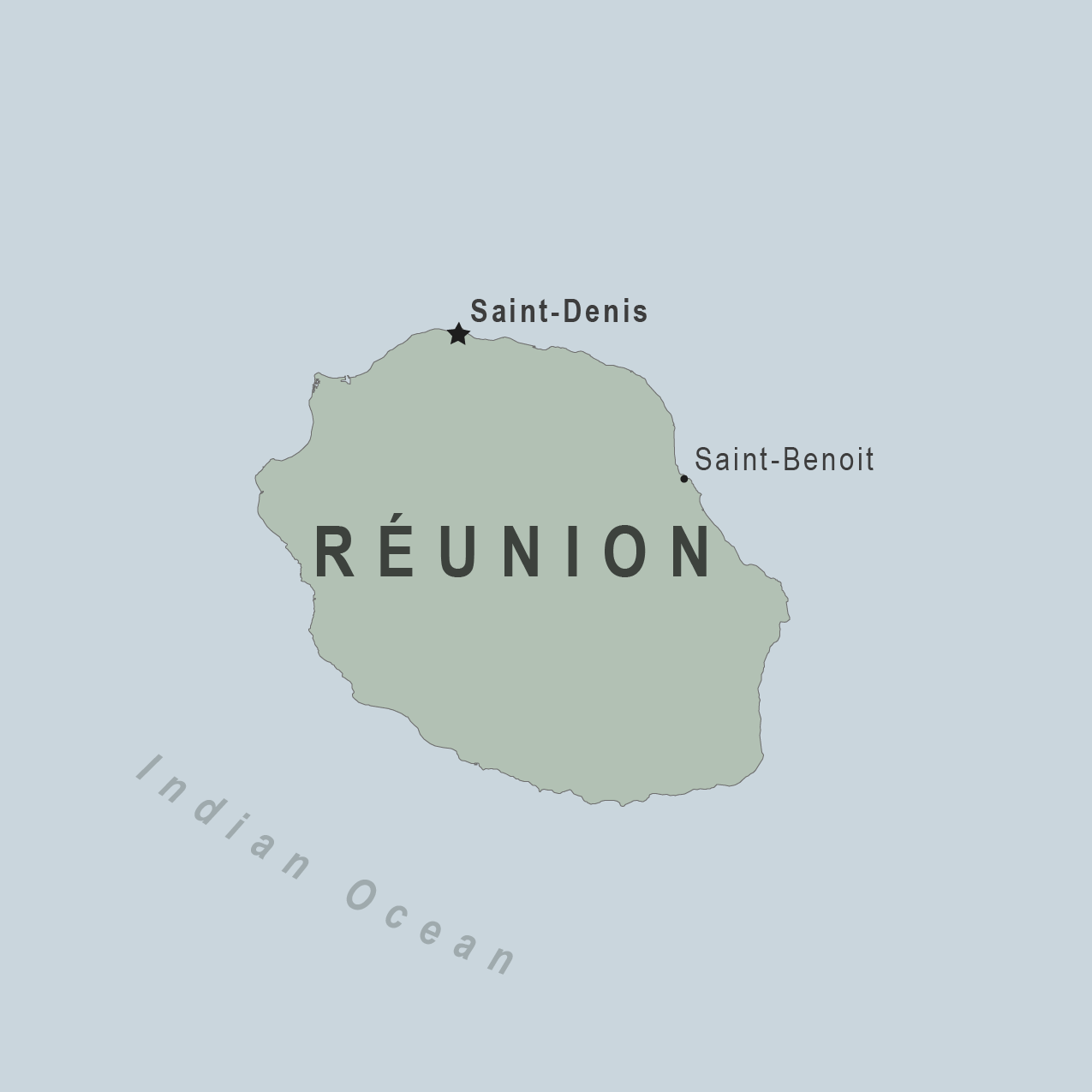
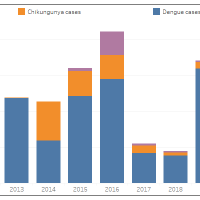
The European CDC Communicable Disease Threats Report, published on August 30, 2024, disclosed that France had reported three autochthonous (locally-acquired) chikungunya virus disease cases in the Department of La Réunion from the same neighborhood.
The last major chikungunya outbreak in La Réunion was from 2005 to 2006.
The ECDC says the risk of chikungunya infection for residents and travelers to La Réunion is currently low. This mosquito-transmitted disease activity has been reduced as it's winter in La Réunion.
However, further cases cannot be excluded, says the ECDC.
La Réunion is an island in the Indian Ocean east of Madagascar and Africa that welcomes over 350,000 visitors annually.
As of September 2, 2024, the U.S. CDC had not issued a Travel Healht Advisory regarding La Réunion's chikungunya outbreak.
From a disease prevention option, Valneva SE's IXCHIQ® single-dose, live-attenuated chikungunya vaccine has been approved by the U.S. FDA and throughout Europe. Travel vaccination services are offered throughout the United States at certain pharmacies and Passport Health USA.