Search API

According to new data, the measles outbreak in Minnesota's Twin Cities metro area appears to be slowing down. Last week, the Minnesota Department of Health reported only one measles case.
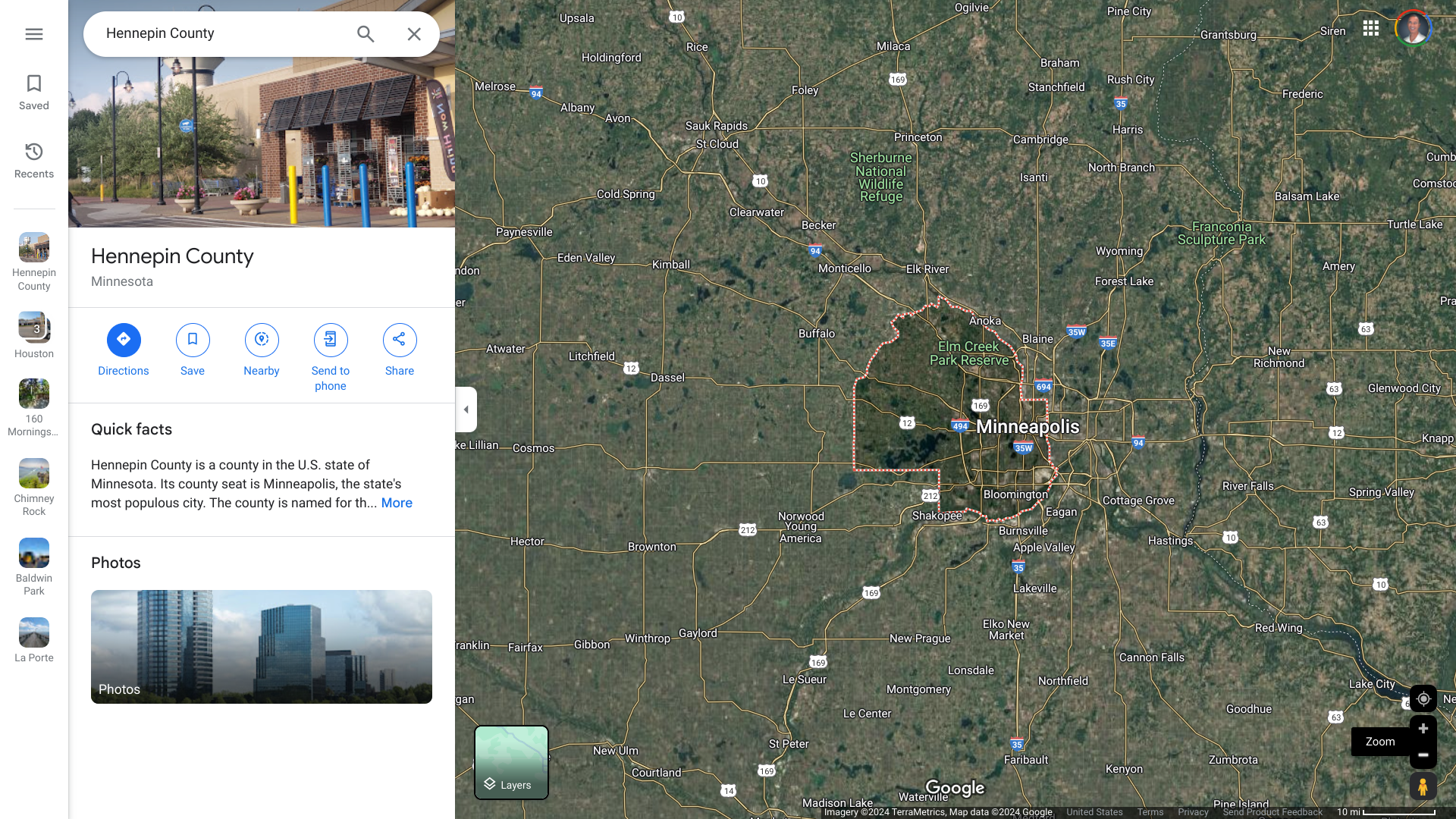
As of September 27, 2024, there have been 59 confirmed measles cases in Minnesota, primarily in Hennepin County (45).
This outbreak began in May 2024 and has mainly affected unvaccinated children, like the previous outbreaks in Chicago (64) and Broward County (10) in Florida.
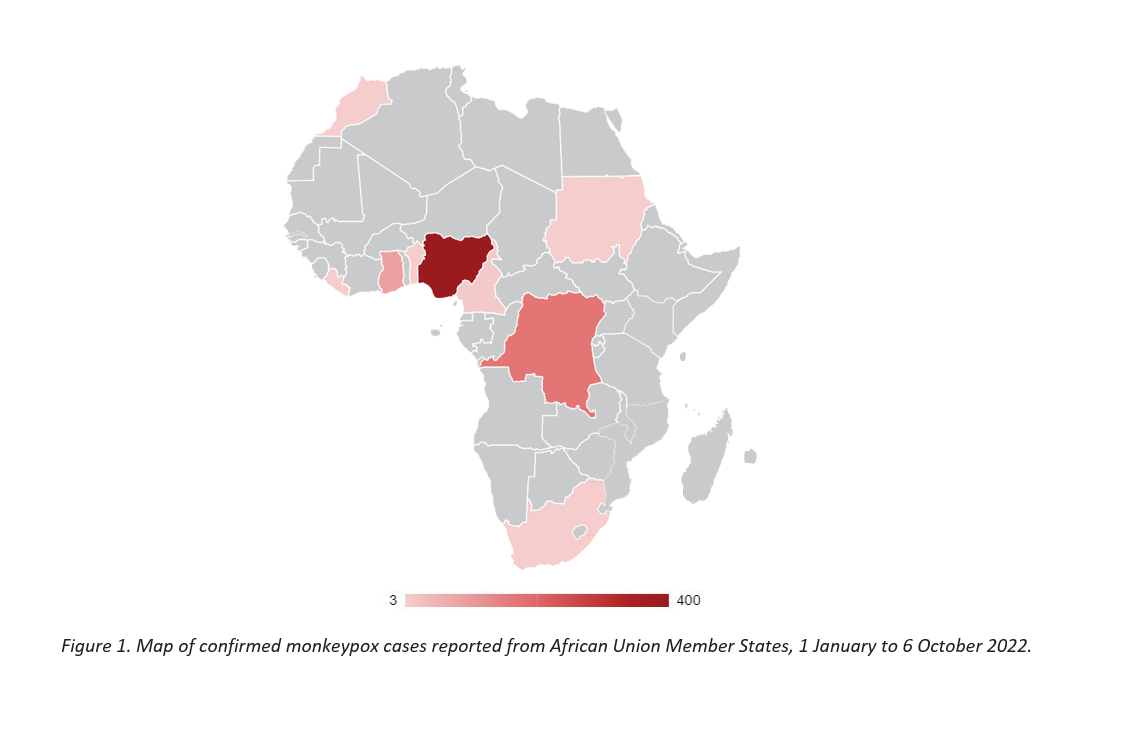
The U.S. CDC has reported 264 measles cases nationwide in 32 jurisdictions so far this year.
Worldwide, the CDC has identified 56 countries reporting measles outbreaks as of September 24, 2024.
From a disease prevention perspective, various vaccines are available to protect people from this infectious virus. Most clinics and pharmacies offer measles vaccination services.
The World Health Organization (WHO) today announced its influenza vaccine strain recommendations for the Southern Hemisphere's 2025 flu season. The WHO makes these recommendations twice yearly, once for each hemisphere.
The WHO recommends manufacturers produce trivalent (three-strain) vaccines for the Southern Hemisphere's upcoming flu season.
"The periodic update of viruses contained in influenza vaccines is necessary for the vaccines to be effective due to the constantly evolving nature of influenza viruses, including those circulating and infecting humans," the WHO wrote on September 27, 2024.
From February through August 2024, the WHO reported influenza activity was detected in all transmission zones. Overall, detections were higher compared to the same reporting period in 2023, primarily due to higher detections in the Americas.
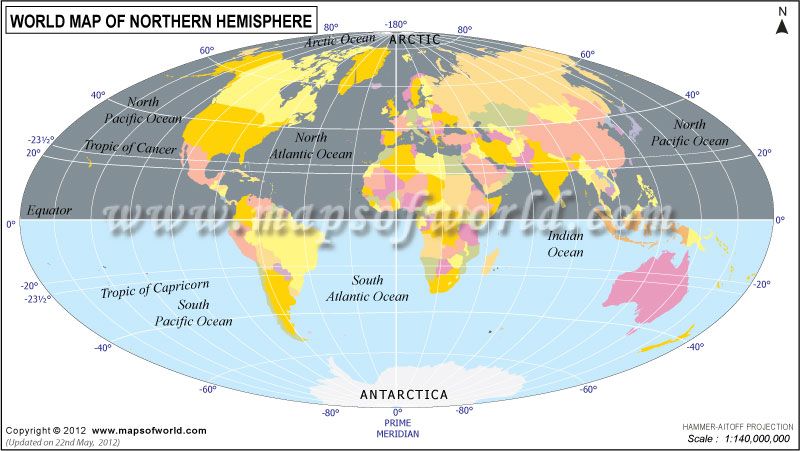
According to Google Maps, the Southern Hemisphere is the half of the Earth below the equator. It includes Antarctica, Australia, and parts of Africa, Asia, and South America.
As of September 2024, the flu season in the United States has been reported as mild, and millions of flu shots have already been delivered to local health clinics and pharmacies.
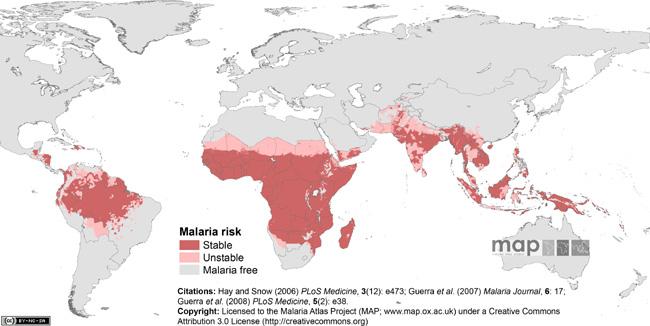
Leaders from Africa convened during the 79th United Nations General Assembly on September 25, 2024, calling for a concerted effort against a “Perfect Storm” threatening to derail decades of progress in the fight against Malaria in Africa.
The leaders identified vital challenges contributing to this perfect storm, including significant financial shortfalls and the growing resistance to insecticides and antimalarials.
"To secure $6.3 billion annually (is needed) to achieve malaria elimination, accelerated action is necessary," stated His Excellency Abderaman Koulamallah, Minister of State, Minister of Foreign Affairs, African Integration, Republic of Chad, in a press release.
These leaders stated that if malaria resources stagnate between 2027 and 2029, there could be an additional 112 million malaria cases and up to 280,700 related fatalities.
While the United States reports very few locally acquired malaria cases, the U.S. Centers for Disease Control and Prevention says millions of residents travel to countries (Africa) where Malaria is present.
During 2024, most malaria cases in the U.S. were related to international travelers in Miami, Florida, and Los Angeles, California.
Of imported malaria cases in the U.S., 59% were among persons who had traveled from Africa.
From a prevention option, the World Health Organization (WHO) recommends both the Mosquirix™ (RTS,S/AS01) and R21 / Matrix-M™ malaria vaccines.
These malaria vaccines were added to the WHO list of prequalified vaccines and are available in Africa but not the U.S.
According to local media Taarifa, the Rwanda Ministry of Health reported its first Marburg virus disease outbreak today.
As of September 27, 2024, Rwanda's communique stated a 'few' Marburg cases are being investigated. The Ministry added that the situation is closely monitored and that further updates will be provided regularly.
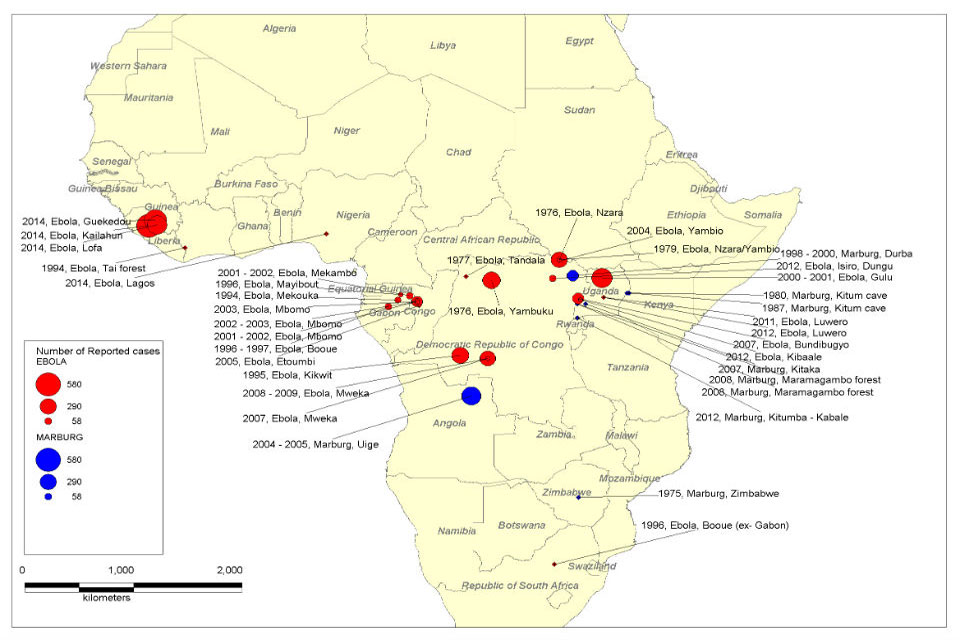
Like Ebolavirus, Marburg virus disease is highly virulent and causes hemorrhagic fever, with a fatality ratio exceeding 80%.
Marburg cases were first recognized in 1967 in West Germany and Serbia.
As of September 2024, Angola, DR Congo, Equatorial Guinea, Cameroon, Germany, Ghana, Guinea, Kenya, Serbia, South Africa, Tanzania, Uganda, and Rwanda have previously confirmed Marburg cases.
The World Health Organization published the Marburg virus vaccine development landscape on February 13, 2023. While various vaccine candidates conduct clinical research, no approved vaccines prevent Marburg virus infections.
Unlike Marburg, approved vaccines that prevent and treat Zaire Ebola disease are available in 2024.
A recent survey revealed some cognitive dissonance among Americans. While 67% of those polled agreed that annual flu vaccination is the most effective way to prevent flu-related hospitalizations, many still refuse to get vaccinated.
Last flu season, about 48% of U.S. adults received an influenza vaccination.
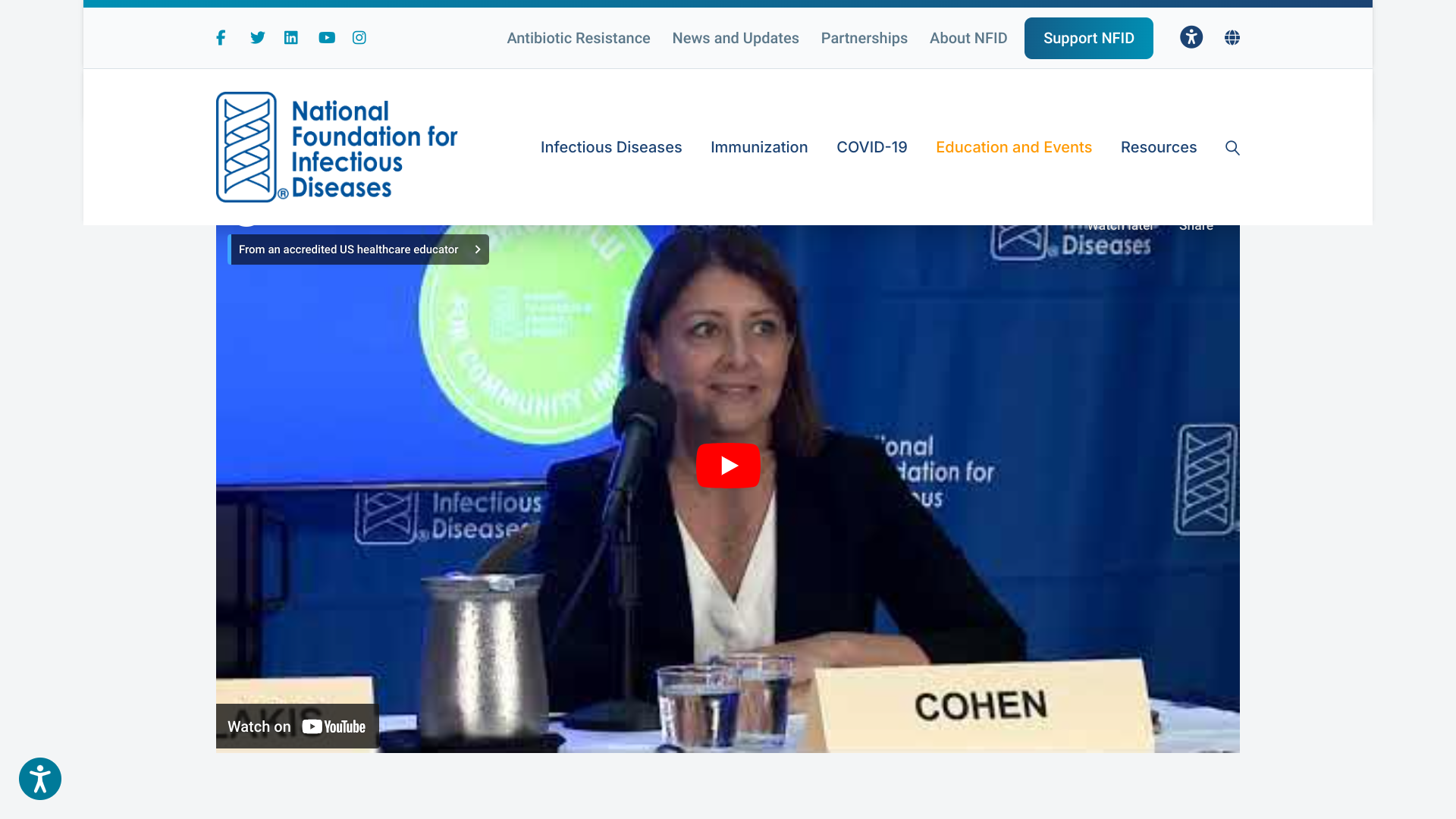
"The single most important thing folks can do to protect themselves as we get into fall and winter is get vaccinated,” said Mandy Cohen, MD, MPH, director for the Centers for Disease Control and Prevention (CDC), during a news conference on September 25, 2024.
"I wouldn't recommend something to the American people that I wouldn't recommend for myself, family, and loved ones," added Dr. Cohen.
Results from this national survey of adults on vaccination attitudes and behaviors were highlighted at the 2024 National Foundation for Infectious Diseases Annual News Conference.
As of September 20, 2024, 78.12 million flu shots had been distributed to healthcare providers and pharmacies for the 2024-2025 season. Last season, over 158 million were distributed in the U.S.
Bavarian Nordic A/S announced an agreement with UNICEF to supply 500,000 MVA-BN® mpox vaccines for African countries impacted by the mpox clade 1 outbreak.
Under the agreement, UNICEF will procure 1 million doses of the vaccine, including the 500,000 doses recently committed by Gavi. Bavarian Nordics intends to make all doses available for supply before the end of 2024.
In the agreement, UNICEF has negotiated a price of up to $65 per vaccine dose, the lowest price in the market.
UNICEF says, 'The mpox virus does not discriminate. Anyone exposed to the virus can become infected, and children, immunocompromised individuals, and pregnant women are at risk of severe disease.'
Paul Chaplin, President & CEO of Bavarian Nordic, said in a press release on September 26, 2024, “Combined with donations by various governments, institutions, and Bavarian Nordic, this agreement has helped to secure more than 2.5 million doses of MVA-BN, thus fulfilling the short-term requirement as expressed by the Africa CDC."
MVA-BN or Modified Vaccinia Ankara-Bavarian Nordic is the only non-replicating mpox - smallpox vaccine approved in the U.S., Switzerland, Singapore, Mexico (marketed as JYNNEOS®), Canada (IMVAMUNE®), and the EU/EAA and United Kingdom (IMVANEX®).
In the U.S., JYNNEOS vaccines are commercially offered at health clinics and pharmacies.