Search API
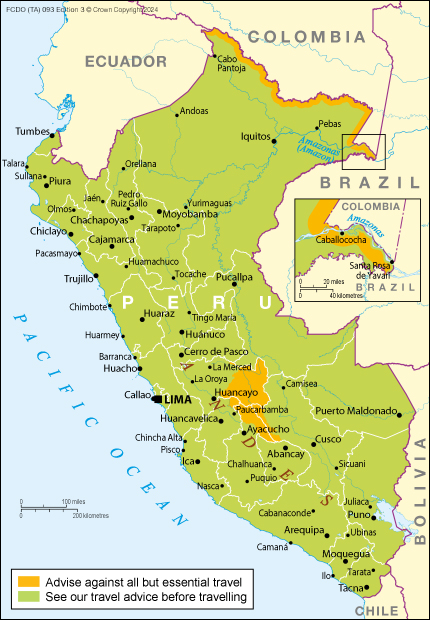
The U.K. Foreign, Commonwealth & Development Office (FCDO) recently issued a travel alert advising against all but essential travel to parts of Peru.
As of September 29, 2024, the FCDO posted new information regarding the Oropouche virus disease (OROV) and Yellow Fever outbreaks this year.
There is also a risk of infection when visiting Peru with Malaria and Zika virus through mosquito bites.
Over 2 million people visit Peru annually, visiting places such as Machu Picchu.
To alert international travelers to these health risks, the U.S. Centers for Disease Control and Prevention (CDC) reissued a Level 1 Practice Usual Precautions, Travel Health Advisory on September 25, 2024. The CDC advisory states that Oropouche fever is spread through the bites of infected midges (flies) and Culicoides paraenesis mosquitoes.
Seperately, a Level 2 Travel Health Notice has been issued for Oropouche outbreaks in Cuba.
While there are no specific medications or vaccines to prevent OROV, the risk of infection can be minimized by following bite avoidance measures when visiting areas with the infection. Treatment for Oropouche virus disease is supportive.
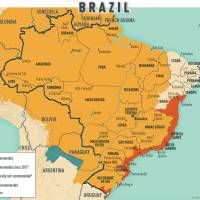
The FCDO and the U.S. CDC recommend that visitors to Yellow Fever endemic areas such as Peru and Brazil be vaccinated.
In the U.S., Sanofi Pasteur's YF-VAX® vaccine is offered at certified travel clinics and pharmacies.

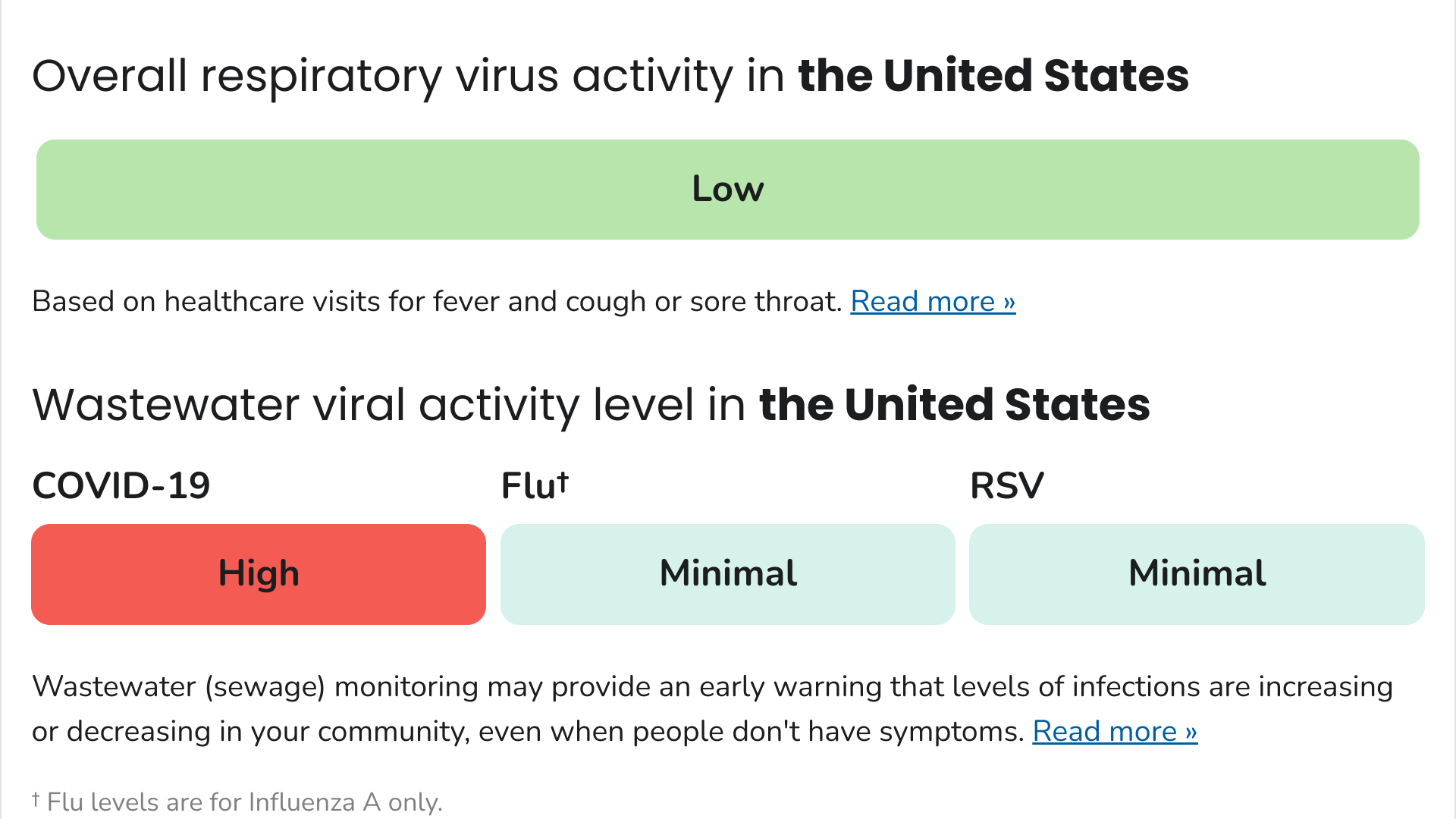
The U.S. Centers for Disease Control and Prevention (CDC) today reported that the number of respiratory illnesses (fever plus cough or sore throat) causing people to seek healthcare is low nationally.
'While we expect this (Northern Hemisphere) flu season's peak hospitalization rate to be similar to or lower than last year's, the CDC says there is still a risk of a higher peak rate, underscoring the need to consider this possibility in planning and preparedness activities.'
On August 29, 2024, the CDC confirmed that all flu vaccines for the 2024-2025 season will be trivalent. Most (91%) will be thimerosal-free or thimerosal-reduced vaccines.
From an availability perspective, over 87 million flu shots have already been distributed and are available at clinics and pharmacies in the U.S.
As of September 27, 2024, vaccinations to prevent respiratory virus infections have started for the 2024-25 flu season, with 9.6% of adults reporting receipt of a flu shot.
The Minnesota Department of Health today announced it is investigating a human rabies death in a person who had exposure to a bat in western Minnesota in July 2024. This is Minnesota’s fourth case of human rabies since 2000.
This new rabies case is an essential reminder that bats can spread the virus and that the public should avoid contact with them. Bats with rabies are found in all U.S. states except Hawaii.
Recently, a resident of Brantford-Brant, Ontario, Canada, was also confirmed with bat-bite transmitted rabies.
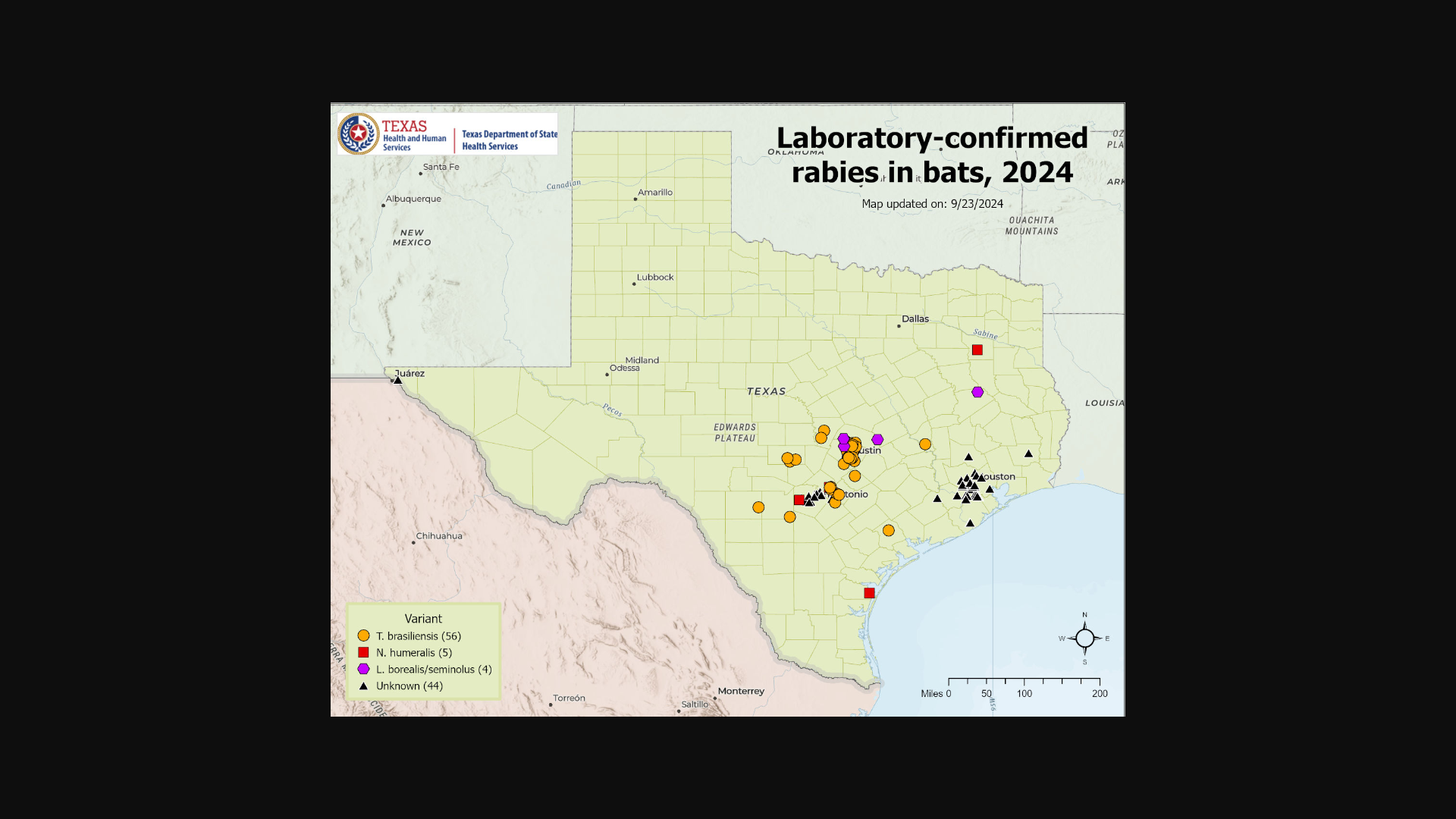
And in Texas, numerous bats have been confirmed with rabies in 2024.
Globally, rabies continues to claim about 59,000 lives annually, with Africa shouldering over 60% of these fatalities. Dogs, not bats, cause most rabies infections worldwide.
According to the U.S. CDC, rabies treatment (vaccines) has proven to be nearly 100% effective at preventing the disease after exposure, but it must be started before symptoms of rabies appear.
Left untreated, rabies is almost always fatal.
The CDC establishes recommendations for international travelers by evaluating the risk of rabies exposure and access to high-quality postexposure prophylaxis (PEP, including rabies immunoglobulin and vaccine) in each destination country.
Bavarian Nordic's RabAvert® vaccine is offered at many travel vaccine clinics and pharmacies in 2024.

According to new data, the measles outbreak in Minnesota's Twin Cities metro area appears to be slowing down. Last week, the Minnesota Department of Health reported only one measles case.
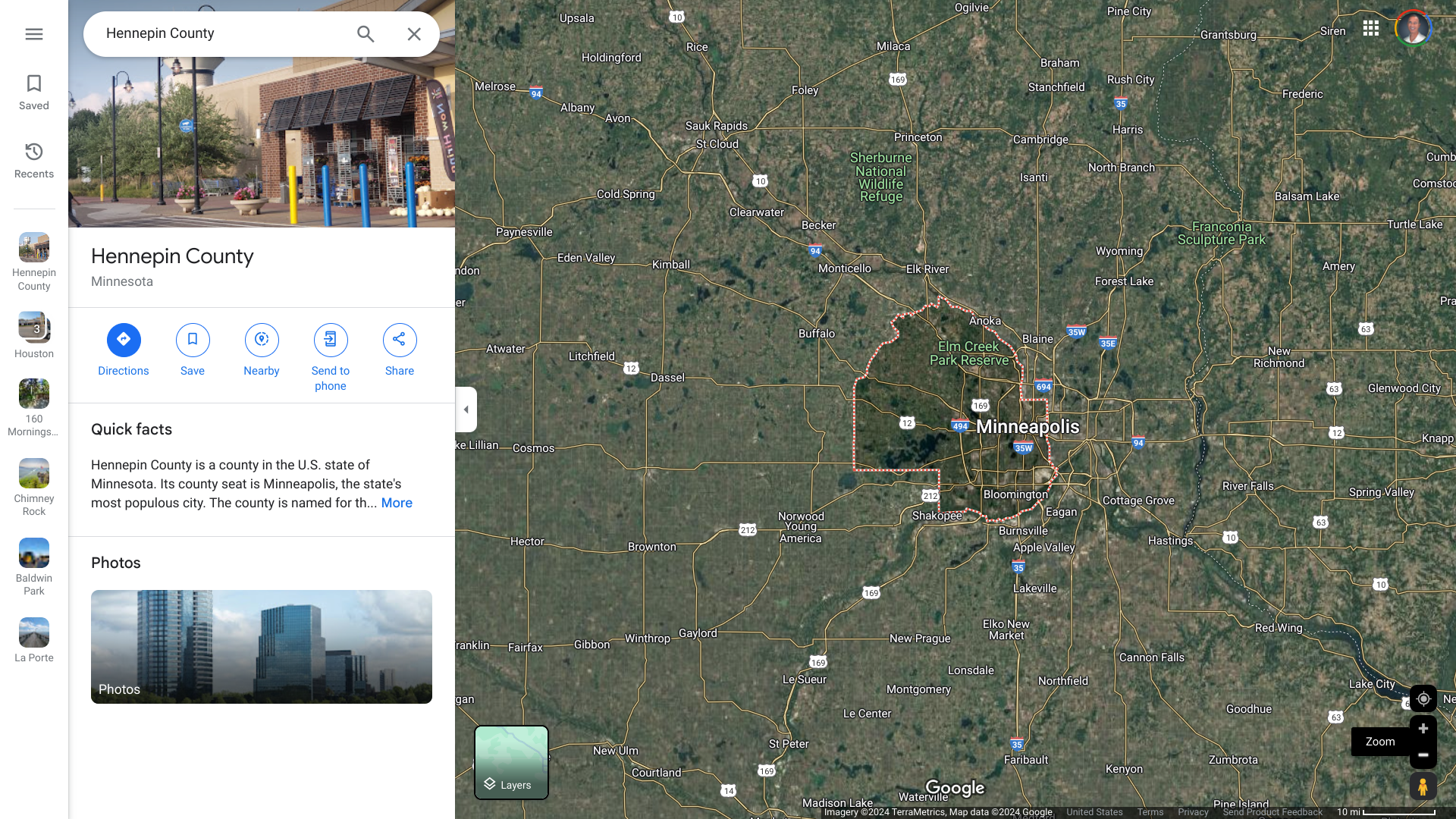
As of September 27, 2024, there have been 59 confirmed measles cases in Minnesota, primarily in Hennepin County (45).
This outbreak began in May 2024 and has mainly affected unvaccinated children, like the previous outbreaks in Chicago (64) and Broward County (10) in Florida.
The U.S. CDC has reported 264 measles cases nationwide in 32 jurisdictions so far this year.
Worldwide, the CDC has identified 56 countries reporting measles outbreaks as of September 24, 2024.
From a disease prevention perspective, various vaccines are available to protect people from this infectious virus. Most clinics and pharmacies offer measles vaccination services.
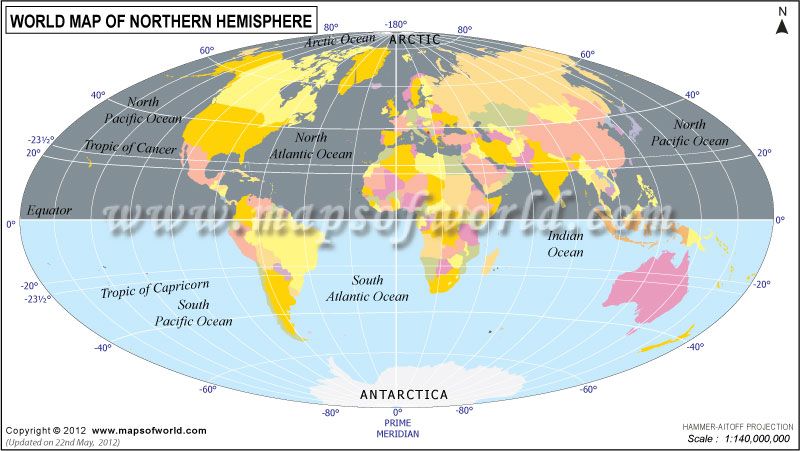
The World Health Organization (WHO) today announced its influenza vaccine strain recommendations for the Southern Hemisphere's 2025 flu season. The WHO makes these recommendations twice yearly, once for each hemisphere.
The WHO recommends manufacturers produce trivalent (three-strain) vaccines for the Southern Hemisphere's upcoming flu season.
"The periodic update of viruses contained in influenza vaccines is necessary for the vaccines to be effective due to the constantly evolving nature of influenza viruses, including those circulating and infecting humans," the WHO wrote on September 27, 2024.
From February through August 2024, the WHO reported influenza activity was detected in all transmission zones. Overall, detections were higher compared to the same reporting period in 2023, primarily due to higher detections in the Americas.
According to Google Maps, the Southern Hemisphere is the half of the Earth below the equator. It includes Antarctica, Australia, and parts of Africa, Asia, and South America.
As of September 2024, the flu season in the United States has been reported as mild, and millions of flu shots have already been delivered to local health clinics and pharmacies.
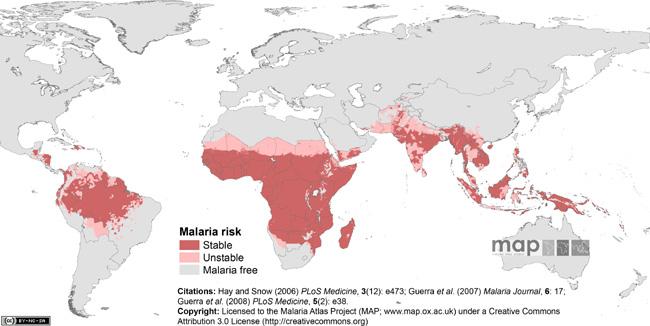
Leaders from Africa convened during the 79th United Nations General Assembly on September 25, 2024, calling for a concerted effort against a “Perfect Storm” threatening to derail decades of progress in the fight against Malaria in Africa.
The leaders identified vital challenges contributing to this perfect storm, including significant financial shortfalls and the growing resistance to insecticides and antimalarials.
"To secure $6.3 billion annually (is needed) to achieve malaria elimination, accelerated action is necessary," stated His Excellency Abderaman Koulamallah, Minister of State, Minister of Foreign Affairs, African Integration, Republic of Chad, in a press release.
These leaders stated that if malaria resources stagnate between 2027 and 2029, there could be an additional 112 million malaria cases and up to 280,700 related fatalities.
While the United States reports very few locally acquired malaria cases, the U.S. Centers for Disease Control and Prevention says millions of residents travel to countries (Africa) where Malaria is present.
During 2024, most malaria cases in the U.S. were related to international travelers in Miami, Florida, and Los Angeles, California.
Of imported malaria cases in the U.S., 59% were among persons who had traveled from Africa.
From a prevention option, the World Health Organization (WHO) recommends both the Mosquirix™ (RTS,S/AS01) and R21 / Matrix-M™ malaria vaccines.
These malaria vaccines were added to the WHO list of prequalified vaccines and are available in Africa but not the U.S.
According to local media Taarifa, the Rwanda Ministry of Health reported its first Marburg virus disease outbreak today.
As of September 27, 2024, Rwanda's communique stated a 'few' Marburg cases are being investigated. The Ministry added that the situation is closely monitored and that further updates will be provided regularly.
Like Ebolavirus, Marburg virus disease is highly virulent and causes hemorrhagic fever, with a fatality ratio exceeding 80%.
Marburg cases were first recognized in 1967 in West Germany and Serbia.
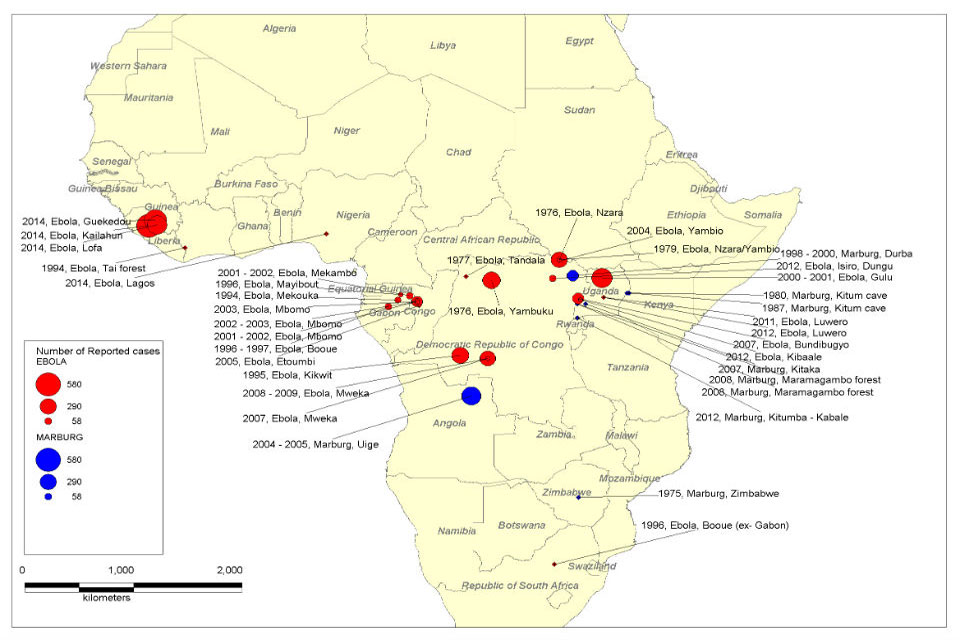
As of September 2024, Angola, DR Congo, Equatorial Guinea, Cameroon, Germany, Ghana, Guinea, Kenya, Serbia, South Africa, Tanzania, Uganda, and Rwanda have previously confirmed Marburg cases.
The World Health Organization published the Marburg virus vaccine development landscape on February 13, 2023. While various vaccine candidates conduct clinical research, no approved vaccines prevent Marburg virus infections.
Unlike Marburg, approved vaccines that prevent and treat Zaire Ebola disease are available in 2024.