Search API
According to new data, the measles outbreak in Minnesota's Twin Cities metro area appears to be slowing down. Last week, the Minnesota Department of Health reported only one measles case.
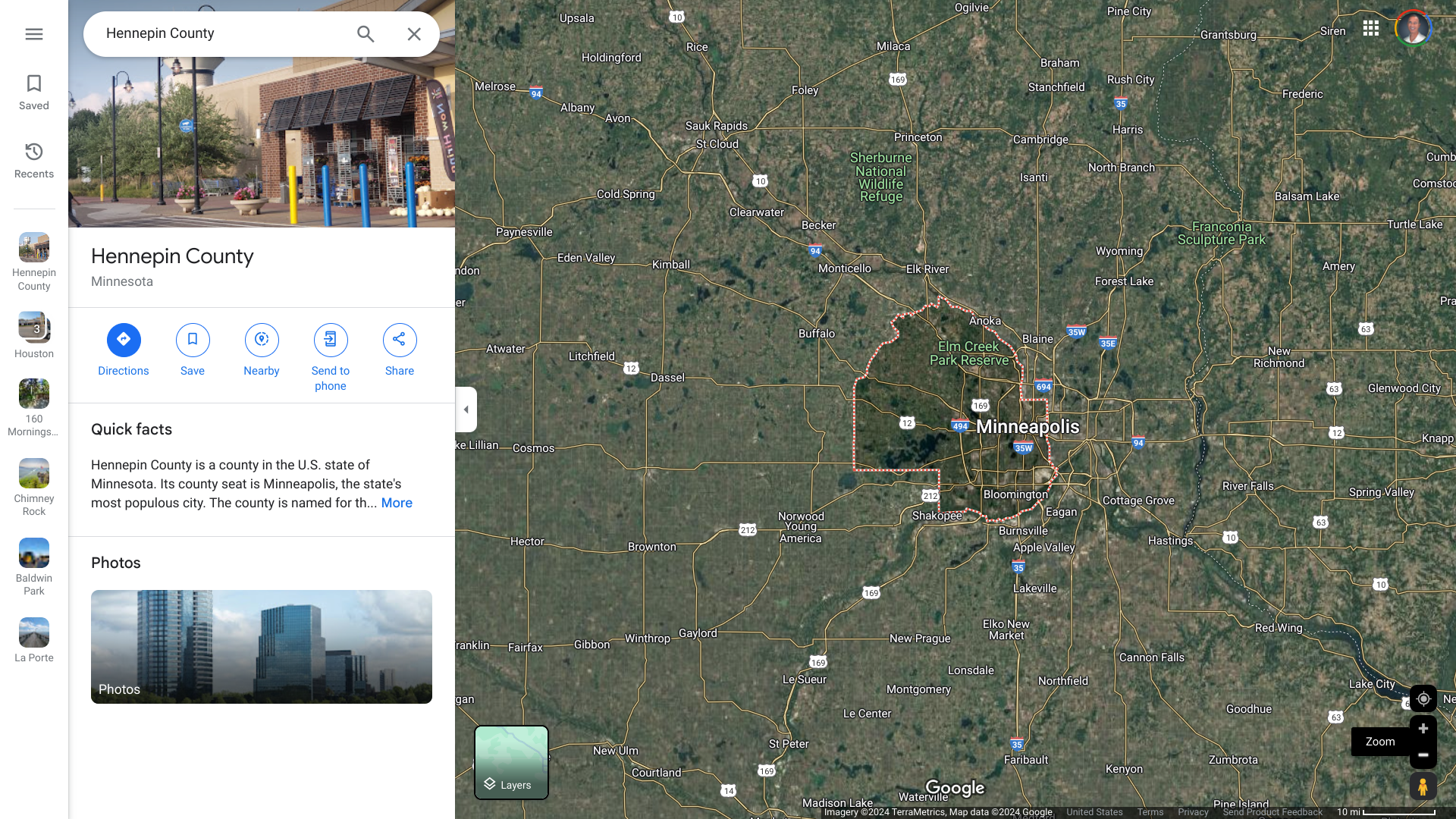
As of September 27, 2024, there have been 59 confirmed measles cases in Minnesota, primarily in Hennepin County (45).
This outbreak began in May 2024 and has mainly affected unvaccinated children, like the previous outbreaks in Chicago (64) and Broward County (10) in Florida.
The U.S. CDC has reported 264 measles cases nationwide in 32 jurisdictions so far this year.
Worldwide, the CDC has identified 56 countries reporting measles outbreaks as of September 24, 2024.
From a disease prevention perspective, various vaccines are available to protect people from this infectious virus. Most clinics and pharmacies offer measles vaccination services.
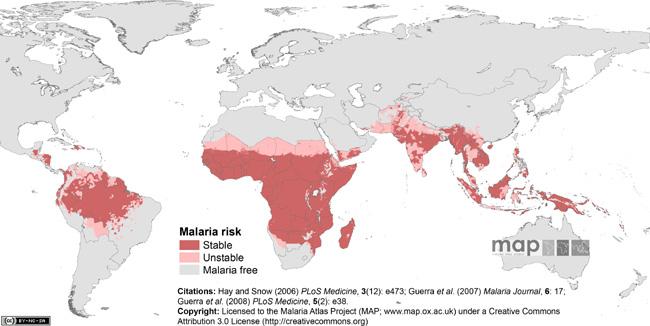
Leaders from Africa convened during the 79th United Nations General Assembly on September 25, 2024, calling for a concerted effort against a “Perfect Storm” threatening to derail decades of progress in the fight against Malaria in Africa.
The leaders identified vital challenges contributing to this perfect storm, including significant financial shortfalls and the growing resistance to insecticides and antimalarials.
"To secure $6.3 billion annually (is needed) to achieve malaria elimination, accelerated action is necessary," stated His Excellency Abderaman Koulamallah, Minister of State, Minister of Foreign Affairs, African Integration, Republic of Chad, in a press release.
These leaders stated that if malaria resources stagnate between 2027 and 2029, there could be an additional 112 million malaria cases and up to 280,700 related fatalities.
While the United States reports very few locally acquired malaria cases, the U.S. Centers for Disease Control and Prevention says millions of residents travel to countries (Africa) where Malaria is present.
During 2024, most malaria cases in the U.S. were related to international travelers in Miami, Florida, and Los Angeles, California.
Of imported malaria cases in the U.S., 59% were among persons who had traveled from Africa.
From a prevention option, the World Health Organization (WHO) recommends both the Mosquirix™ (RTS,S/AS01) and R21 / Matrix-M™ malaria vaccines.
These malaria vaccines were added to the WHO list of prequalified vaccines and are available in Africa but not the U.S.
The American Lung Association (ALA) today announced it is launching an educational campaign to help raise awareness about respiratory syncytial virus (RSV) and steps to help prevent RSV infection.
RSV is a highly contagious virus that spreads through close contact with infected individuals.
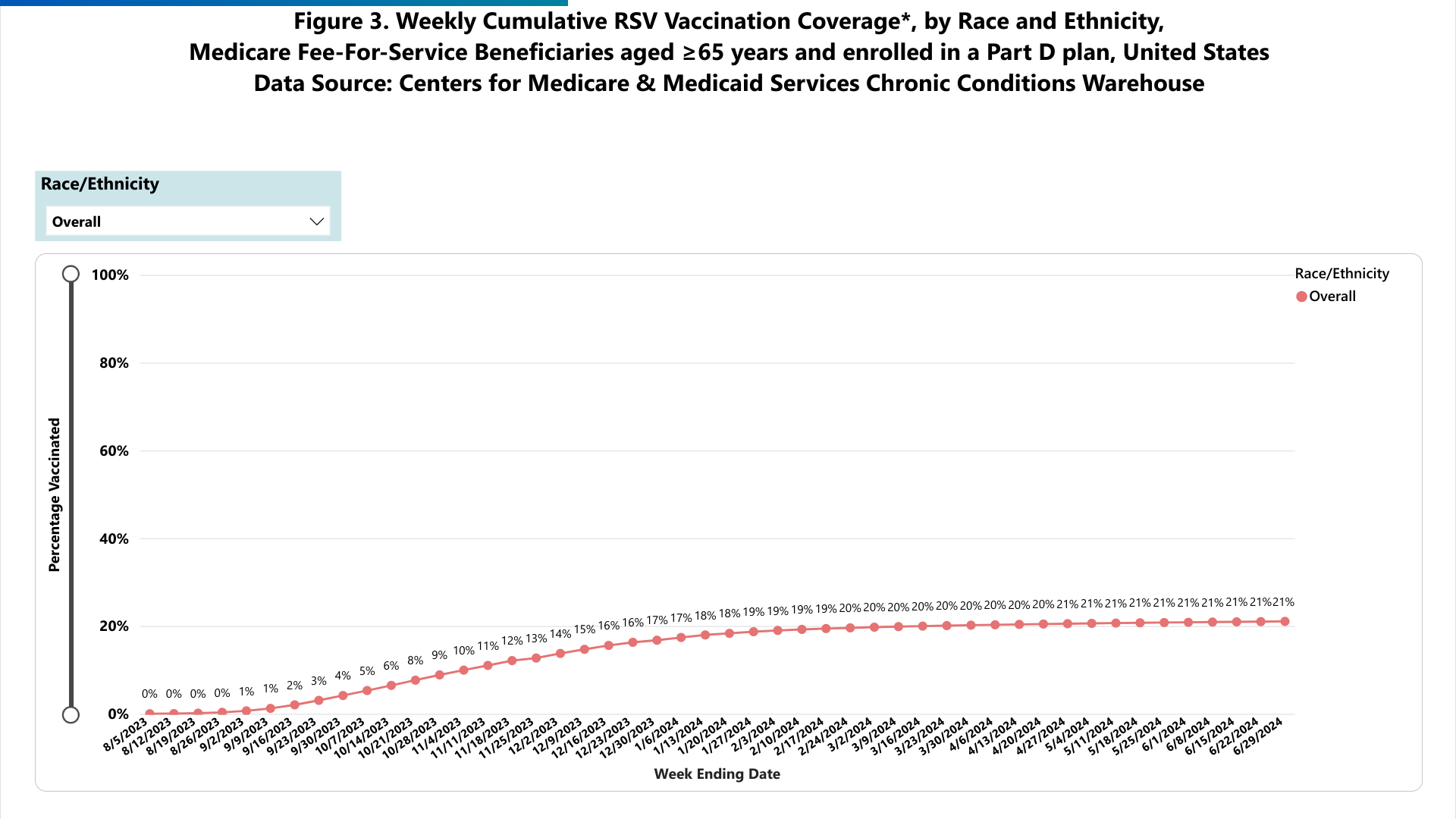
This campaign is essential since only 24% of older adults have received one of the three approved RSV vaccines.
“RSV poses a serious threat, particularly to older adults and those with certain chronic medical conditions. Raising awareness about protection through vaccination is critical to saving lives and reducing hospitalizations during the respiratory virus season,” said Harold Wimmer, President and CEO of the ALA, in a press release on September 25, 2024.
“We encourage individuals 60 and older to talk to their healthcare providers about whether RSV vaccination is recommended for them.”
Individuals who have already received an RSV vaccine do not need additional doses, and vaccination is not recommended annually.
The U.S. Centers for Disease Control and Prevention (CDC) recommends RSV vaccination for adults 75 years and older and for adults aged 60 to 74 who are at high risk for severe disease.
The CDC says the ideal time for vaccination is before the RSV virus spreads widely. It typically increases during the fall and peaks in winter.
The CDC recently reported that RSV levels remained low but were increasing. As of September 2024, the state of Florida had reported the most RSV cases in the United States.
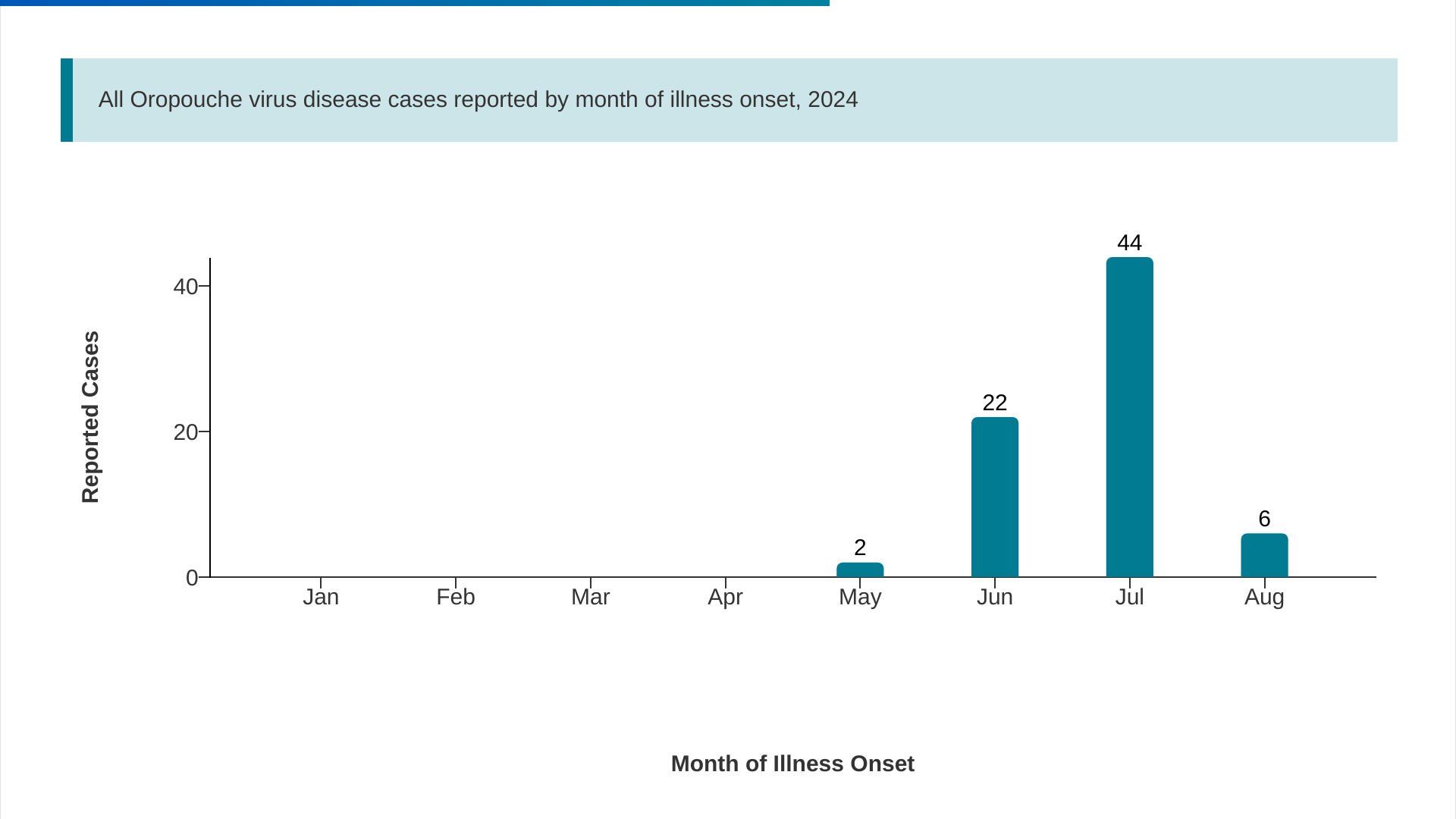
The U.S. Centers for Disease Control and Prevention (CDC) recently reported 22 additional imported cases of the Oropouche virus.
As of September 17, 2024, the total number of cases reported by five U.S. states to 74.
The state of Florida confirmed this week that eleven counties have reported 70 Oropouche cases involving travel to Cuba, which has reported over 500 cases.
The Miami-Dade area (28) has led Florida in reporting cases. The good news is the weekly trends have been decreasing.
In the Region of the Americas, 9,852 cases were confirmed in 2024.
Brazil remains the most affected country, with 7,931 cases and two deaths. Other currently affected countries include Bolivia, Peru, and recently, the Dominican Republic.
The virus is primarily transmitted through the bite of infected midges, small insects that usually bite during the day and inhabit humid areas with organic matter and in forested areas.
Regarding mother-to-child transmission, a total of one fetal death and one case of congenital anomaly have been confirmed in Brazil.
The CDC has confirmed there are not approved vaccines targeting Oropouche virus infections.
The U.S. Centers for Disease Control and Prevention (CDC) recently reported that Respiratory Virus (RSV) activity remained low but is expected to increase.
In the U.S., the annual RSV season usually begins in Florida and then migrates to the southeast, later to the north and west regions.
As of September 17, 2024, week #37, the Florida Department of Health reported increasing RSV positivity rates, decreasing hospital admissions, and no RSV outbreaks.
A recent study found that over the past few years, about 53% of children were infected with RSV during infancy, and 2.8% were hospitalized.
Unlike previous RSV seasons, the U.S. is well prepared to reduce the impact of this respiratory disease.
As of September 20, 2024, three RSV vaccines have been approved, and the CDC recommends a passive immunization (Beyfortus™ (Nirsevimab-alip) for most infants. Based on each state, these U.S. FDA-approved products are offered at health clinics and pharmacies.

The global dengue fever outbreak recently reached one of the most populated cities in the United States.
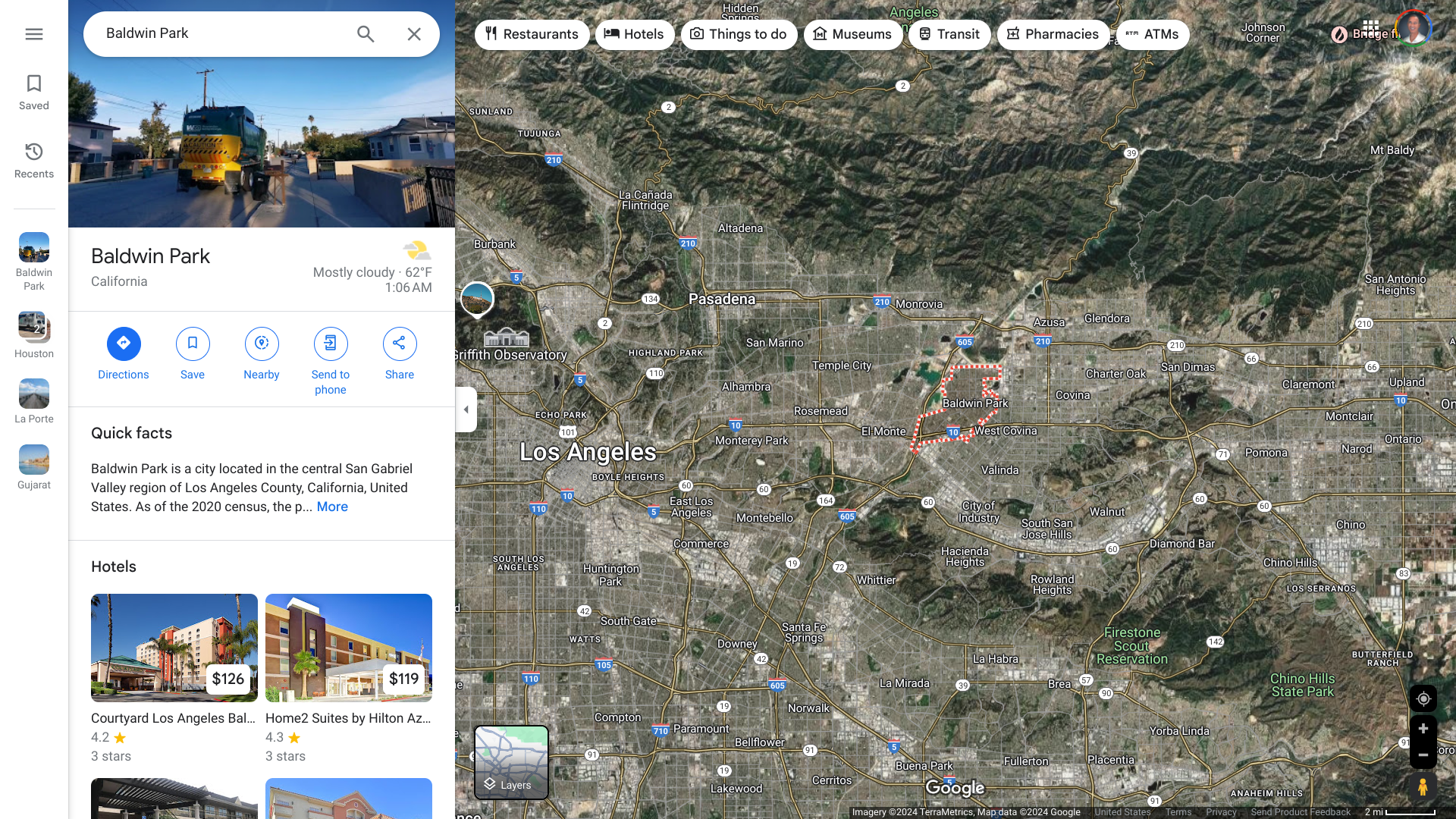
The Los Angeles County Department of Public Health announced it is investigating its third locally acquired dengue case in the City of Baldwin Park.
This is an unprecedented number of locally transmitted cases for a region of over 12 million people where mosquitoes have not previously transmitted dengue.
"The City of Baldwin Park is aware of the recent cases of locally acquired dengue in our community. While the risk of transmission remains low, we must take this situation seriously and act proactively," said Mayor Emmanuel J. Estrada, who serves as a trustee representing Baldwin Park on the San Gabriel Valley Mosquito and Vector Control District board, in a press release on September 18, 2024.
In 2024, the U.S. CDC confirmed that 50 jurisdictions, led by California, Florida, New Jersey, New York, and Puerto Rico, had reported 5,027 dengue cases as of September 20, 2024.
In the Region of the Americas, 43 countries and territories have reported over 11,712,499 dengue cases and 6,500 related deaths this year.
While dengue is a vaccine-preventable disease, no vaccine is currently available in the United States. However, Takeda's QDENGA® is an approved two-dose vaccine in about 40 countries.
With the 2024-2025 Respiratory Syncytial Virus (RSV) season detected in Florida, recent research confirms the newly approved passive immunization monoclonal antibody offers infants significant protection.
On September 11, 2024, a study conducted in Spain and published by the American Academy of Pediatric Association concluded that Beyfortus™ (Nirsevimab) could effectively protect a broad infant population against RSV infection: a 63.1% reduction in acute bronchiolitis-related hospital admissions (95% confidence interval [CI], 60.9% to 65.2%) and a 63.1% reduction in pediatric intensive care unit admissions (95% CI, 58.1% to 67.9%).
In clinical trials, Beyfortus was reported to be about 90% (95% CI = 75%–96%) protective against RSV-associated hospitalization in infants in their first RSV season.
As of March 2024, the U.S. CDC reported that among females with an infant under eight months old, 41.3% reported that their infant received Beyfortus.
Beyfortus is currently recommended for newborn children in Australia, Canada, China, Europe, Japan, and France.

The Los Angeles County Department of Public Health (LACDPH) recently confirmed a locally acquired case of dengue fever in a person living in the City of Baldwin Park.
Dengue fever is transmitted primarily through the bite of infected Aedes mosquitoes.
As of September 9, 2024, this is the third locally acquired case of dengue fever in California and the first identified by the Los Angeles County Department of Public Health. Previous locally acquired cases of dengue fever in the greater LA area were identified in Long Beach and Pasadena in 2023.
The LACDPH stated the risk of transmission of dengue virus to the general population in Los Angeles County remains low.
As of September 5, 2024, the U.S. CDC reported that 53 jurisdictions, led by Florida, New Jersey, New York, and Puerto Rico, have reported 4,369 dengue cases this year. In 2023, 52 U.S. jurisdictions reported 2,343 dengue cases.
The CDC wrote that these local dengue cases reinforce the presence of infected mosquitoes and underscore the importance of preventive measures to control the spread of this virus.
As of September 10, 2024, dengue vaccines are not offered in the United States.