Search API
When vacationing in Costa Rica this winter, it's best to avoid mountainous areas where mosquitos are transmitting diseases to people.
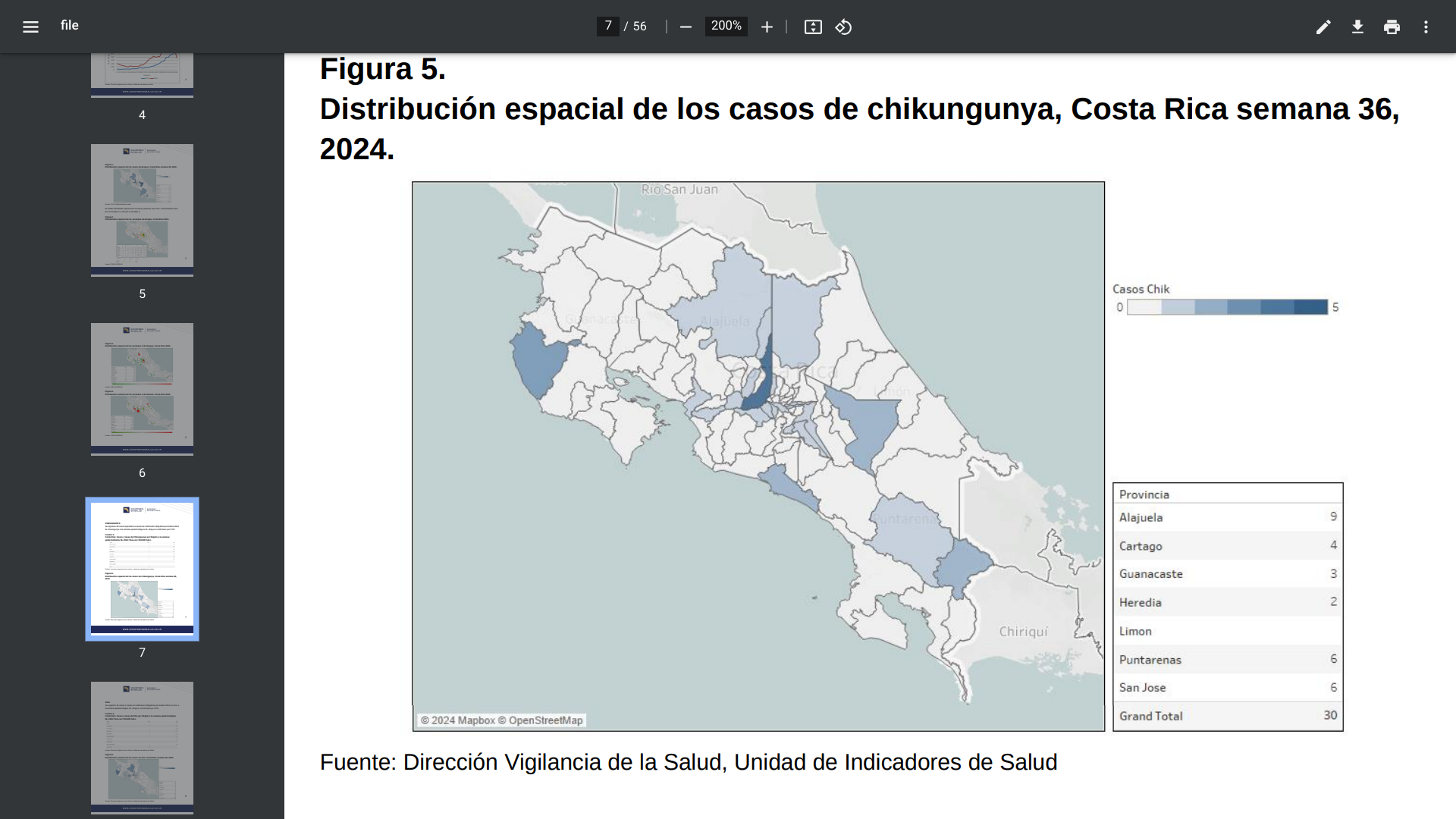
The Costa Rica Health Department's Boletín Epidemiológico N°36 was posted on September 20, 2024. It confirms that mosquito-transmitted Chikungunya, Dengue, Malaria, or Zika virus infections have occurred this year and vary by location.
For example, 30 chikungunya infections have been reported this year, led by the Central Norte, Pacifico Central, and Central Sur regions. Last year, 82 chikungunya cases were confirmed in Costa Rica.
As of 2024, Canada, the United Kingdom, the World Health Organization (PAHO/WHO), and the U.S. CDC have issued travel advisories and vaccine recommendations for Costa Rica.
The CDC recommends checking the recommended vaccine list and seeing a healthcare provider at least a month before visiting Costa Rica. In particular, the CDC now endorses Valneva SE's IXCHIQ® monovalent, single-dose vaccine when visiting Chikungunya endemic areas.
Additionally, the U.S. Embassy in San Jose publishes health topics and recommends visitors enroll in NEWSMART to make it easier to contact you during an emergency while in Costa Rica.
The American Lung Association (ALA) today announced it is launching an educational campaign to help raise awareness about respiratory syncytial virus (RSV) and steps to help prevent RSV infection.
RSV is a highly contagious virus that spreads through close contact with infected individuals.
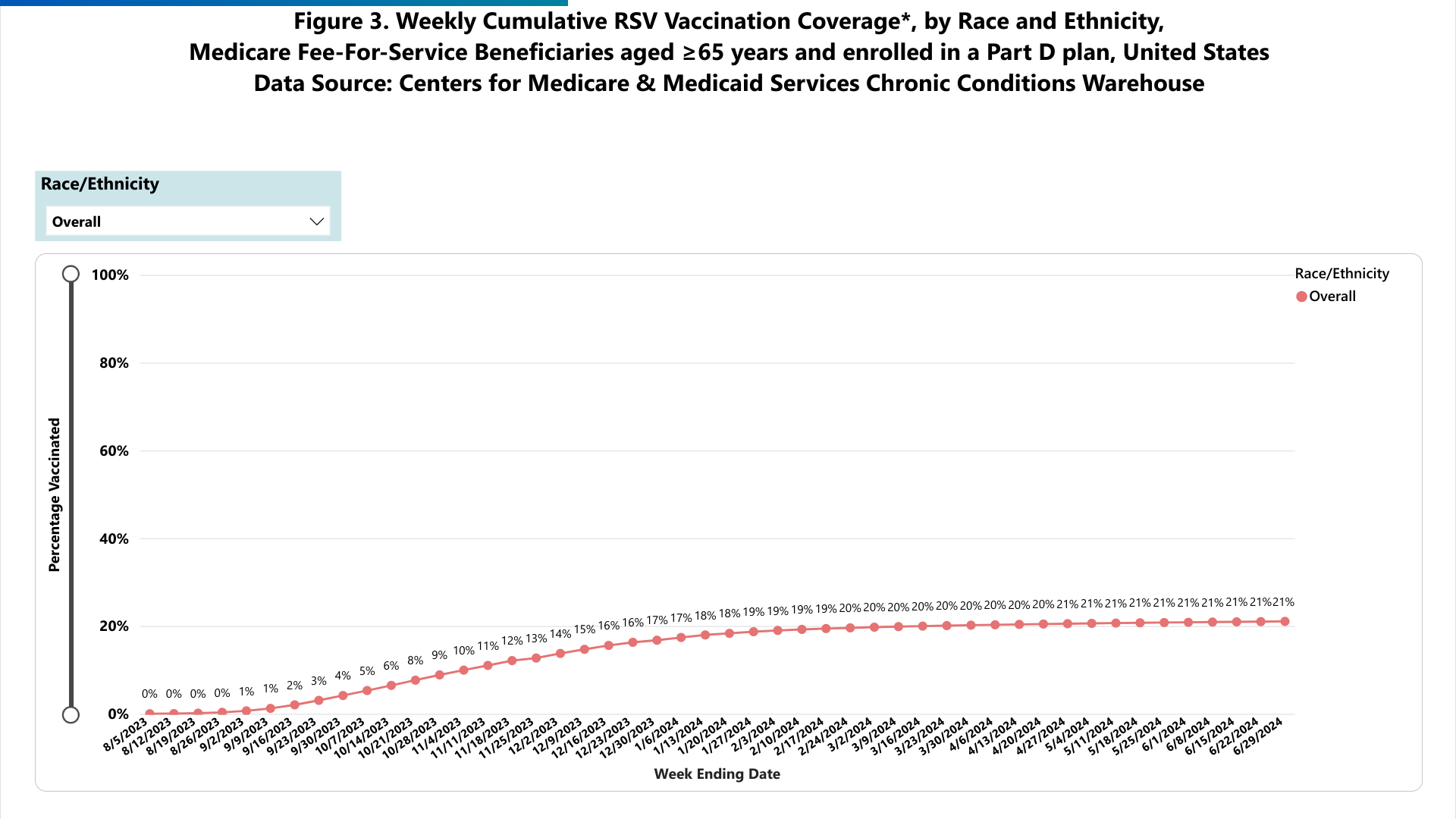
This campaign is essential since only 24% of older adults have received one of the three approved RSV vaccines.
“RSV poses a serious threat, particularly to older adults and those with certain chronic medical conditions. Raising awareness about protection through vaccination is critical to saving lives and reducing hospitalizations during the respiratory virus season,” said Harold Wimmer, President and CEO of the ALA, in a press release on September 25, 2024.
“We encourage individuals 60 and older to talk to their healthcare providers about whether RSV vaccination is recommended for them.”
Individuals who have already received an RSV vaccine do not need additional doses, and vaccination is not recommended annually.
The U.S. Centers for Disease Control and Prevention (CDC) recommends RSV vaccination for adults 75 years and older and for adults aged 60 to 74 who are at high risk for severe disease.
The CDC says the ideal time for vaccination is before the RSV virus spreads widely. It typically increases during the fall and peaks in winter.
The CDC recently reported that RSV levels remained low but were increasing. As of September 2024, the state of Florida had reported the most RSV cases in the United States.
Pfizer Canada ULC and BioNTech SE announced today that Health Canada has authorized the KP.2 variant-adapted COMIRNATY® COVID-19 vaccine for people six months and older.
As of September 24, 2024, the newly formulated vaccine will be available nationwide in pharmacies and vaccination centers in the fall of 2024. Each province and territory will have its pathway for accessing the vaccine, and individuals are encouraged to refer to their provincial/territorial authorities for more information.
The adapted COVID-19 vaccine will be available in Canada as a single dose for individuals five years and older, regardless of prior COVID-19 vaccination history.
For children six months through 4 years of age, COMIRNATY® is authorized for administration as a three-dose series in those without a history of completion of a COVID-19 primary vaccination course or as a single dose for those with a history of completion of a COVID-19 primary vaccination course.
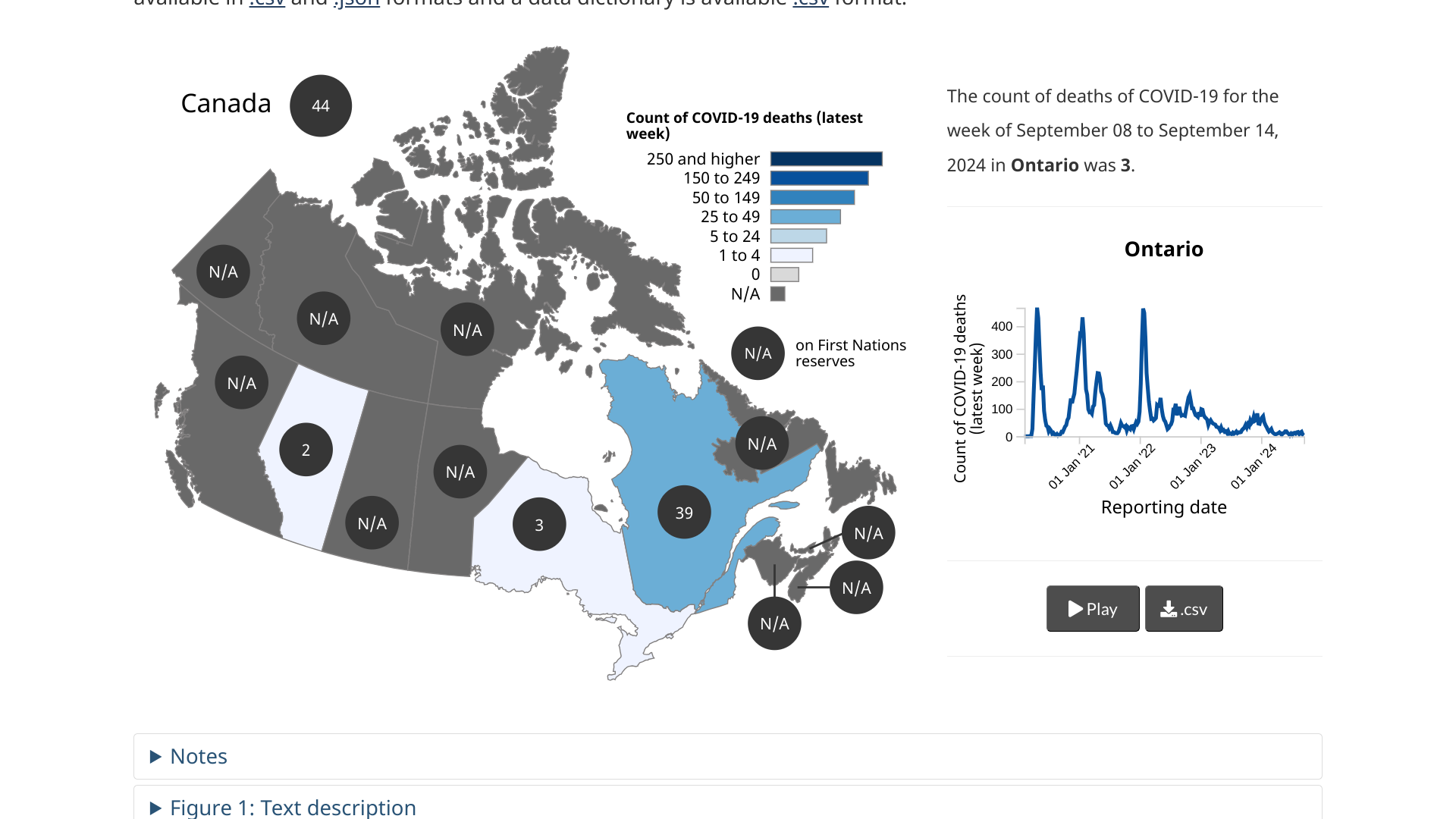
Health Canada posts a summary of COVID-19 cases, hospitalizations, and deaths across Canada as of September 24, 2024.
The U.S. Department of Health and Human Services (HHS), through the Administration for Strategic Preparedness and Response, announced today it is taking action to increase the supply of mpox vaccines.
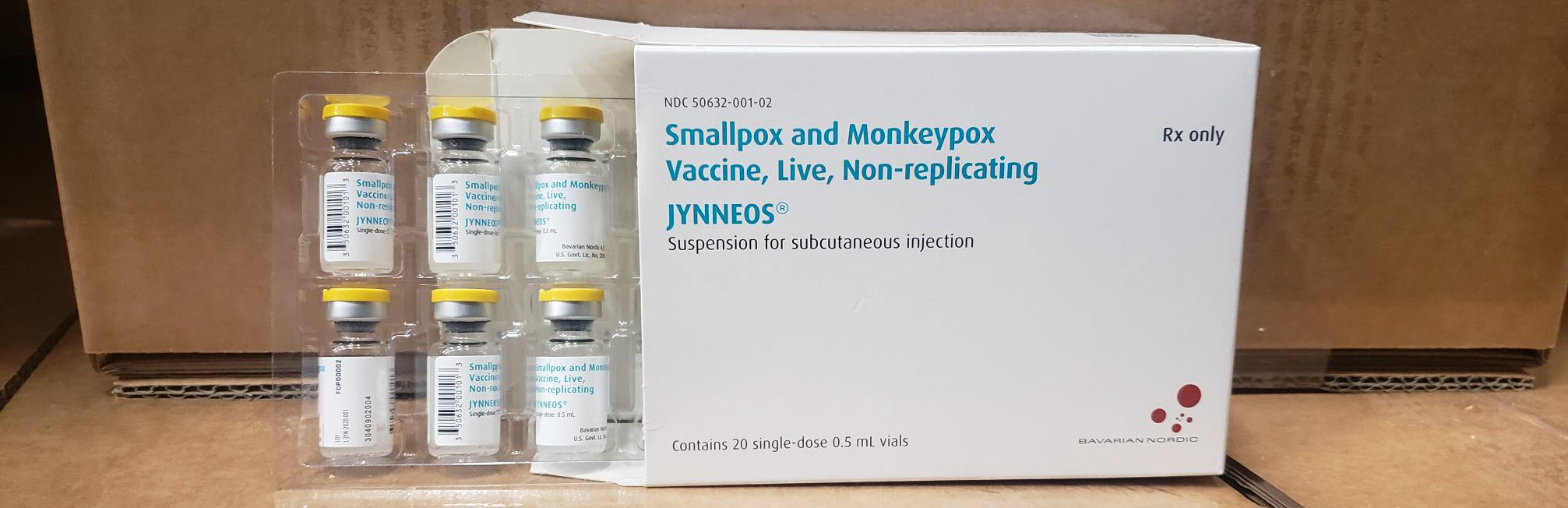
This news supports the U.S. Government's commitment to making over 1 million combined doses of Bavarian Nordic A/S JYNNEOS® (MVA-BN®) vaccines available to the global mpox response focused in Africa.
Since JYNNEOS is a two-dose vaccination regimen, this announcement indicates about 500,000 individuals can be vaccinated.
“A public health threat to one is a public health threat to all. HHS is committed to fighting the current mpox outbreak, including through this vaccine donation. Disease doesn’t respect borders, and it is our duty to work together to make our world healthier. Our partnerships across the globe in fighting infectious disease will help keep us safe,” said HHS Secretary Xavier Becerra in a press release on September 24, 2024.
According to HHS, these vaccine efforts build on the $1.94 billion invested in funds and technical expertise to develop and sustain JYNNEOS, which is FDA-approved for both mpox and smallpox. The product would not exist without the investment and technical expertise the U.S. government provided.
More information on the U.S. response to the Clade 1 mpox outbreak can be found on the HHS mpox response website. JYNNEOS's efficacy against the Clade 1 mpox virus remains under investigation.

Once the Zika fever outbreak subsided in 2015, many public health agencies refocused on chikungunya and dengue outbreaks.
However, continued Zika outbreaks in the Region of the Americas have demonstrated how a relatively obscure mosquito-borne disease can become a persistent health risk.
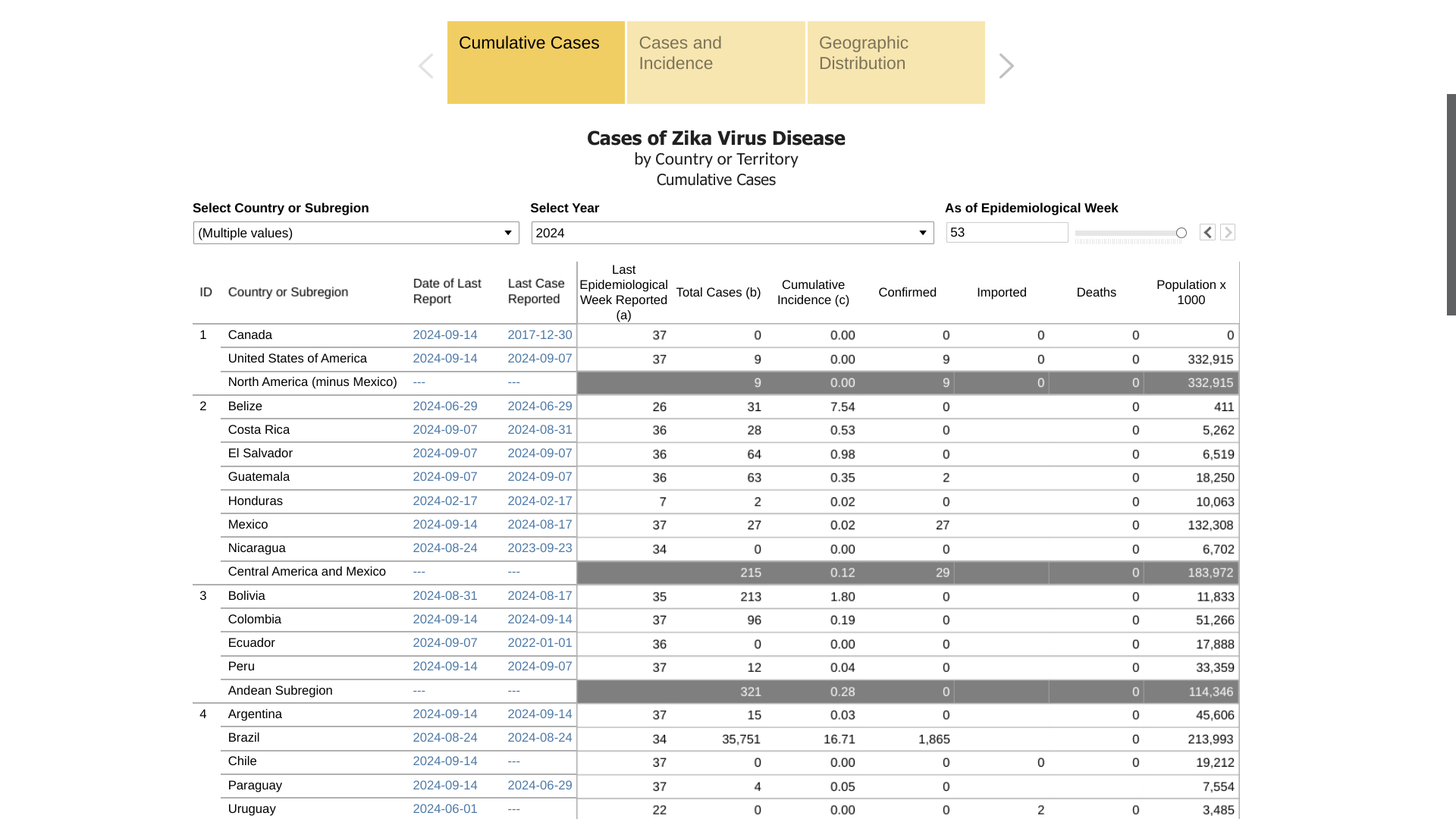
As of September 24, 2024, the Pan American Health Organization (PAHO) reported 36,331 Zika cases this year.
While most people infected with Zika will recover, many infants have been severely impacted by microcephaly. Researchers revealed over 200 microcephaly cases in Brazil.
The PAHO says pregnant women should avoid visiting Zika-endemic countries such as Brazil.
In the United States, the San Juan, Puerto Rico Department of Health says Zika will continue to infect people. As of September 2024, 16 Zika cases have been reported in Puerto Rico.
As of 2024, no approved Zika vaccines exist, but vaccine candidates are conducting clinical research. Valneva SE's second-generation VLA1601 vaccine launched a phase 1 study, with results expected in 2025.
The U.S. Centers for Disease Control and Prevention (CDC) today issued Health Alert Network Health Update (CDCHAN-00516) to provide additional information about the ongoing outbreak of clade I monkeypox virus (MPXV), the virus that causes mpox.
As of September 23, 2024, no cases of clade I mpox have been identified in the U.S.
This mpox strain is more severe than the clade 2 strain circulating in the U.S. since May 2022.
The CDC urges travelers to vaccinate against mpox if they are heading to Eastern and Central African countries where clade 1 MPXV has been spreading.
Furthermore, healthcare providers and travel vaccine experts should recommend vaccination to those whose activities place them at risk.
This is essential advice since clade 1 mpox cases have recently been confirmed in international travelers.
For example, The Mint reported a man from Malappuram district in Kerala, India, has been detected with Mpox clad I. The patient had returned from the United Arab Emirates.
According to the CDC, two doses of JYNNEOS® (MVA-BN®, IMVAMUNE®, IMVANEX®) should be given at least six weeks before traveling abroad. This U.S. FDA-approved vaccine is available at clinics and pharmacies in the U.S.

A new report jointly released by the World Health Organization (WHO) and ITU (International Telecommunication Union) today suggests an additional $0.24 per patient per year investment in digital health interventions, such as telemedicine, mobile messaging, and chatbots, can help save more than two million lives over the next decade from noncommunicable diseases.
These diseases include, but are not limited to, cardiovascular, cancer, diabetes, and chronic respiratory diseases.
This small investment could also avert approximately 7 million acute events and hospitalizations, significantly reducing the strain on healthcare systems worldwide.
ITU Secretary-General Doreen Bogdan-Martin commented in a press release on September 23, 2024, "We call for greater collaboration between the health and tech sectors, including the development of strong digital public infrastructure, essential for the delivery of digital health services that can benefit people everywhere without leaving anyone behind."
The publication" "going Digital for Noncommunicable Diseases: The Case for Action" was launched at an event hosted by the Government of The Gambia during the 79th United Nations General Assembly in collaboration with the ITU and WHO.