Search API
Researchers with the US Centers for Disease Control and Prevention (CDC) stated, 'It is unknown whether influenza virus circulation might increase this summer as SARS-CoV-2 community mitigation measures are relaxed and international travel increases.'
Published by the JAMA on May 24, 2021, these CDC researchers say the continued use of face masks could reduce the 2021-2022 flu season impact.
'Studies of face mask use, primarily conducted in households, have generally not reported benefit in reducing secondary influenza virus transmission, perhaps due to the short incubation period for influenza and the likelihood that by the time influenza was diagnosed in a household member, exposure and influenza virus infection of their household contacts had already occurred before donning face masks.
Given the effect on influenza activity of multiple community interventions to control SARS-CoV-2, including the routine wearing of face masks, consideration of these measures during periods of high influenza virus circulation in the future may be warranted and socially acceptable to the public.
Continuing use of properly fitted face masks for health care personnel, patients, and visitors can help to reduce influenza virus transmission in health care settings.
Most influenza virus transmission is thought to occur from symptomatic persons. Still, more research is needed on the contribution of asymptomatic and presymptomatic transmission and the effectiveness of face masks to reduce influenza virus transmission in public settings.
The effects of various SARS-CoV-2 community mitigation measures on reducing influenza virus spread have highlighted the potential for similar prevention efforts, combined with influenza vaccination, to control severe influenza epidemics and pandemics,' concluded this Viewpoint article.
The findings and conclusions in this Viewpoint are those of the authors and do not necessarily represent the official position of the CDC. No conflicts were disclosed.

Cancer immunotherapy has shown great potential in cancer therapy as, unlike traditional chemotherapy and radiation therapy, it aims to evoke the immune response instead of killing cells indiscriminately.
Cancer vaccines consisting of tumor-associated antigens (TAAs) can initiate a powerful anti-tumor immune response through antigen-presenting cells, such as dendritic cells (DCs) and macrophages, stated researchers in a new study published in the July 2021 edition of ScienceDirect.
And they have shown great potential in cancer prevention and therapy.
However, poor anticancer efficacy and an uncertain immunization process have previously limited the application of cancer vaccines.
A new multifunctional nano-vaccine comprising ovalbumin (OVA), MnO2, and polydopamine (OMPN) was prepared by a facile one-pot method.
The OMPN displayed excellent anticancer efficacy against an orthotopic melanoma and could also prevent liver metastasis in a tumor re-challenge mice model.
Additionally, the migration behavior of DCs in the inguinal lymph node after vaccination was tracked by MRI contrasted with OMPN, indicating successful DC activation and immune response.
The superior anticancer efficacy, especially the high efficiency against tumor metastasis, and the capability of tracking the immunization process make OMPN a very promising multifunctional nano-vaccine for cancer therapy, concluded these researchers.
The study's authors declared that they have no known competing financial interests or personal relationships that could have appeared to influence the work reported in this paper.
This work was financially supported by the National Natural Science Foundation of China, the Zhejiang Provincial Natural Science Foundation of China, the Zhejiang University Education Foundation Global Partnership Fund. The China Postdoctoral Science Foundation, the National Postdoctoral Program for Innovative Talent, the Zhejiang Provincial Natural Science Foundation of China and the Zhejiang University.
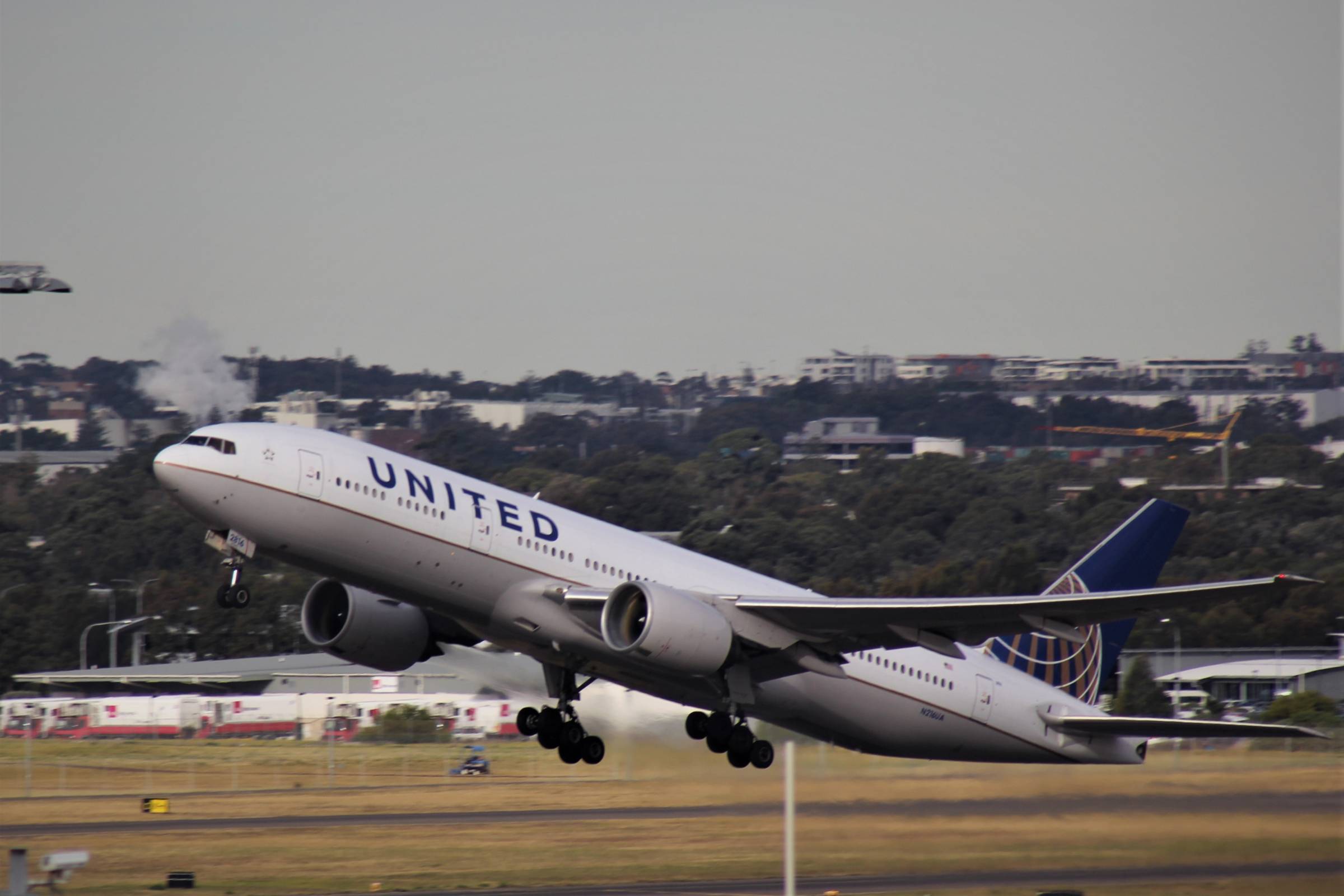
Chicago-based United Airlines is offering its loyalty program members in the USA a chance to win free flights for a year's worth of travel to encourage more people to get their COVID-19 vaccination.
As of May 24, 2021, the U.S. FDA had issued three Emergency Use Authorizations for COVID-19 vaccines.
Under the terms of the "Your Shot to Fly" sweepstakes, any new or existing MileagePlus® member who uploads their vaccination records to the airline's mobile app or website between today and June 22, 2021, can be entered to win a roundtrip flight for two, in any class of service, to anywhere in the world United flies.
United will give away 30 pairs of tickets throughout June. In addition, on July 1st United will announce five randomly selected lucky MileagePlus members who have entered the sweepstakes for a grand prize of travel for a year for themselves and a companion – also in any class of service, anywhere in the world United flies.
United remains the only U.S. airline that allows customers to upload COVID-19 testing and vaccination records directly to the airline's digital platforms.
United's CEO Scott Kirby stated in a press release issued on May 24, 2021, "Thanks to the vaccine, more and more destinations are opening up for travel – and we know our customers are eager to fly. We're excited to give people one more reason to get vaccinated so they can reunite with friends and family or take that long-awaited vacation which all could be just one shot away."
For more information and to enter, visit United.com/YourShotToFly.
The FDA has not Approved any experimental COVID-19 vaccine, as of May 24, 2021.
A large-scale randomized clinical trial of annual screening for ovarian cancer did not succeed in reducing deaths from the disease, despite one of the screening methods tested detecting cancers earlier.
The UK Collaborative Trial of Ovarian Cancer Screening (UKCTOCS) was published in The Lancet on May 12, 2021.
The UKCTOCS was designed to test the hypothesis that a reliable screening method that picks up ovarian cancer earlier, when treatments are more likely to be effective, could save lives.
The latest analysis looked at data from more than 200,000 women aged 50-74 at recruitment who were followed up for an average of 16 years.
The researchers found that, while the approach using multimodal testing succeeded in picking up cancers at an early stage, neither screening method led to a reduction in deaths.
Earlier detection in UKCTOCS did not translate into saving lives. Researchers said this highlighted the importance of requiring evidence that any potential screening test for ovarian cancer actually reduced deaths and detected cancers earlier.
Professor Usha Menon, the lead investigator of UKTOCS, said in a press statement, “UKCTOCS is the first trial to show that screening can definitely detect ovarian cancer earlier. However, this very large, rigorous trial shows clearly that screening using either of the approaches we tested did not save lives."
"We, therefore, cannot recommend ovarian cancer screening for the general population using these methods."
“We are disappointed as this is not the outcome we and everyone involved in the trial had hoped and worked for over so many years. To save lives, we will require a better screening test that detects ovarian cancer earlier and in more women than the multimodal screening strategy we used.”

The US Department of State issued a Level 4 Travel Advisory on May 24, 2021, saying 'do not travel to Japan due to COVID-19.' The U.S. Embassy and consulates continue to monitor closely COVID-19 conditions in Japan.
As of May 21, 2021, the city of Tokyo had confirmed the majority of COVID-19 cases, hospitalizations, and related fatalities.
Additionally, the Government of Japan has expanded the national state of emergency declaration, which now covers Tokyo, Osaka, Hyogo, Kyoto, Aichi, Fukuoka, Hokkaido, Okayama, and Hiroshima prefectures.
Furthermore, Saitama, Chiba, Kanagawa, Gifu, Mie, Ehime, Okinawa, Gunma, Ishikawa, and Kumamoto are now designated under modified states of emergency to curb increasing infection rates and to diminish health care capacity.
These declarations remain effective through May 31st, except for Gunma, Ishikawa, and Kumamoto, which remain in place until June 13th, and could be extended again.
This Advisory is disruptive since the 2020 Summer Olympics and Paralympics are scheduled to commence in Japan in late July'21. And, any international visitor is required to quarantine themselves for two-week on arrival.
The U.S. CDC says 'if you must travel to Japan, get fully vaccinated before travel.' To expand access to COVID-19 vaccines, Japan recently authorized its version of the Moderna COVID-19 vaccine.
If you visit Japan, the State Department suggests enrolling in the Smart Traveler Enrollment Program to receive Alerts and make it easier to locate you in an emergency.
Since 2015, the emergence of epidemic Zika virus transmission has been linked to unparalleled reports of serious neurological disorders and devastating congenital disabilities such as microcephaly and other congenital malformations.
Despite low transmission rates in the past 3 years, the emergence of new Zika outbreaks remains a looming threat, stated an editorial published by The Lancet on May 18, 2021.
Furthermore, as of May 24, 2021, the U.S. FDA has not Approved any Zika vaccine candidate.
However, in a separate study published by the Lancet, Japan-based Takeda Vaccines's TAK-426 vaccine candidate was reported well tolerated, with an acceptable safety profile, and immunogenic in both flavivirus-naive and flavivirus-primed adults.
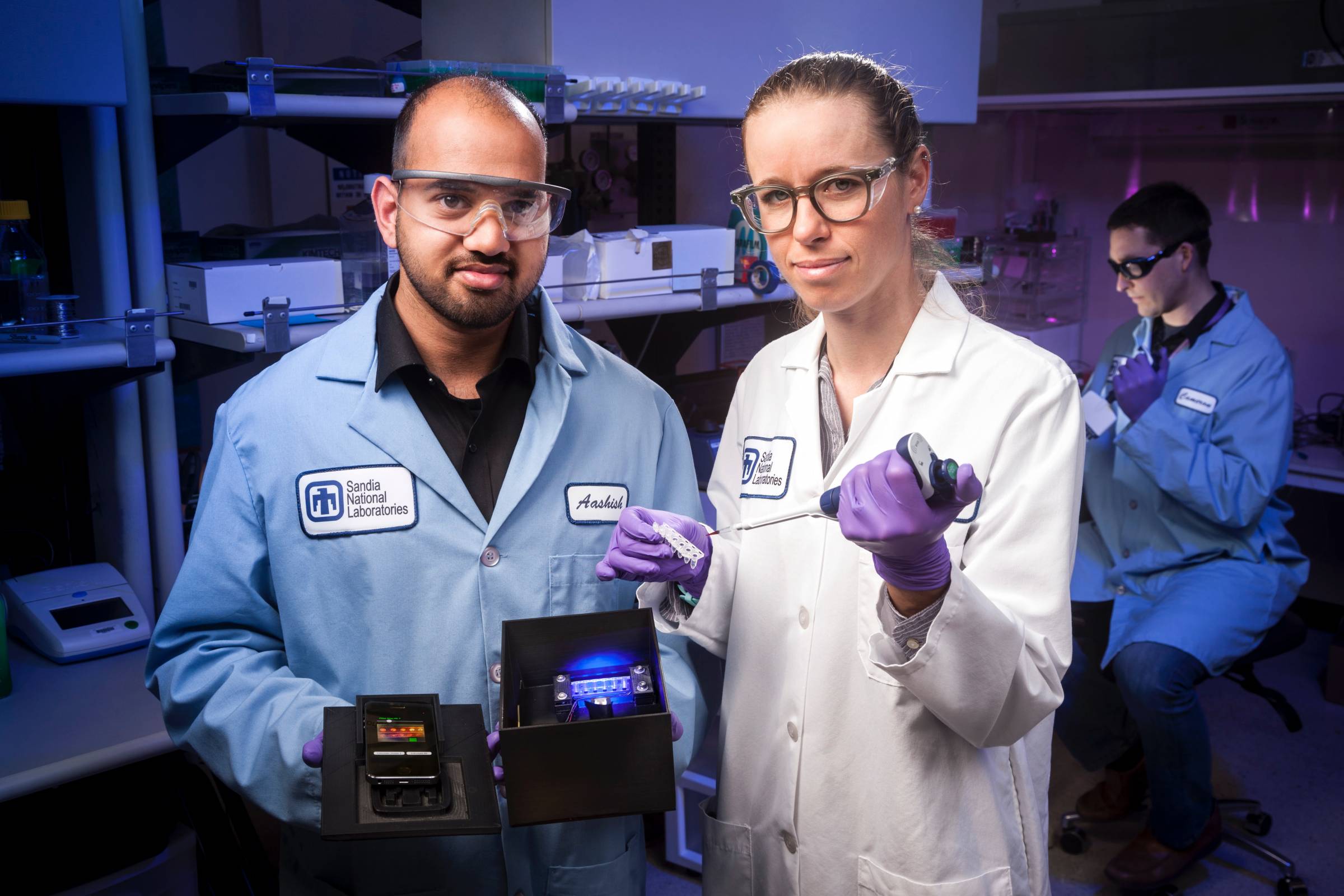
This two-part, multicentre, observer-blind, randomized, placebo-controlled, phase 1 trial was done at seven medical clinics in the USA and two in Puerto Rico. Between November 2017 and October 24, 2018, 271 people were enrolled (125 flavivirus-naive and 146 flavivirus-primed participants).
All TAK-426 vaccine doses were well tolerated with no deaths, no vaccine-related serious adverse events, and similar rates of mainly mild to moderate adverse events. TAK-426 elicited dose-dependent increases in antibody GMTs in both flavivirus-naive and flavivirus-primed participants. 28 days after dose 2, plaque-reduction neutralization test GMTs in flavivirus-naive participants were 1130 (95% CI 749–1703) in the 2 μg TAK-426 group, 1992 (1401–2833) in the 5 μg TAK-426 group, and 3690 (2677–5086) in the 10 μg TAK-426 group.
Based on the safety and immunogenicity profiles of all TAK-426 vaccine doses assessed, the 10 μg TAK-426 dose was selected for further clinical development.
This study's funding originated from Takeda Vaccines and the US Biomedical Advanced Research and Development Authority.
Osaka, Japan-based Takeda is a patient-focused, values-based, R&D-driven global biopharmaceutical company committed to bringing Better Health and a Brighter Future to people worldwide.

A recent study published by The Lancet found that since 2015, the emergence of epidemic Zika virus transmission has been linked to unparalleled reports of serious neurological disorders and devastating congenital disabilities such as microcephaly and other congenital malformations.
Despite low transmission rates in the past 3 years, the emergence of new Zika outbreaks remains a looming threat.
Of particular concern to health authorities worldwide is the possibility of multiple flavivirus outbreaks, as Zika became endemic in the same regions as dengue viruses.
The great paradox in dengue infections is a well-known example: one previous dengue exposure does not protect subsequent infection by a different serotype. But instead, it increases the risk for the development of severe dengue disease.
This understanding has engendered justified caution and the development of tetravalent dengue vaccines.
As viable Zika and dengue vaccines are made, it becomes crucial to understand how Zika and dengue immune interactions will affect subsequent flavivirus outbreaks and the use of Zika and dengue vaccines, concluded these researchers on May 18, 2021.

Today, the Japan Times reported a government spokesman discussed the possibility of extending the current State of Emergency in Tokyo, Osaka, and other prefectures beyond the May 31, 2021, expiration date.
For example, Japan placed the Okinawa Prefecture under the State of Emergency through June 20th.
Recently, the U.S. CDC announced, 'because of the current situation in Japan even fully vaccinated travelers may be at risk for getting and spreading COVID-19 variants and should avoid nonessential travel to Japan.'
This Level 3 Travel Alert issued on May 19, 2021, says, 'if you must travel to Japan, get fully vaccinated before travel. See the CDC recommendations for fully vaccinated travelers and unvaccinated travelers.’
To increase COVID-19 vaccine availability, Japan authorized its version of the Moderna COVID-19 vaccine on May 22nd.
If you are planning to visit Japan, foreign nationals who have stayed in any of the following 159 countries/regions within 14 days before the application for landing are denied to enter Japan according to Article 5 of the Immigration Control and Refugee Recognition Act, unless special exceptional circumstances are found.
Furthermore, when returning to the USA, all air passengers, including U.S. citizens and fully vaccinated people, are required to have a negative COVID-19 test result from no more than 3 days before travel or documentation of recovery from COVID-19 in the past 3 months before they board a flight to the USA, states the CDC.