Search API

RSV Monoclonal Antibody

Respiratory Syncytial Virus (RSV) Monoclonal Antibody Therapy 2025

According to the U.S. Centers for Disease Control and Prevention (CDC), respiratory syncytial virus (RSV) is a leading cause of respiratory disease in infants and young children. The European Medicines Agency (EMA) and the CDC say RSV monoclonal antibody (mAb) therapy prevents serious lower respiratory tract disease (LRTD) caused by RSV in newborns and young children during their first RSV season. In 2024, the World Health Organization (WHO) published its preferred product characteristics for mAb therapy that delivers passive immunization against RSV disease.

A CDC report released on May 8, 2025, demonstrated that in 2024–25, RSV hospitalization rates were 45-52% lower in infants younger than 3 months old and 28-43% lower in infants younger than 8 months old compared to the 2018-2020 seasons before product introduction. In the United States, among mothers with an infant younger than eight months, 41.3% reported that their infant received nirsevimab as of March 2024.

RSV Monoclonal Antibody Availability 2025

AstraZeneca and Sanofi co-developed Beyfortus™ (Nirsevimab-alip), a U.S. FDA-approved, single-dose, long-acting mAb designed to protect infants through their first and second RSV seasons. The European Commission granted Beyfortus worldwide approval on November 4, 2022, followed by approvals from the UK, Canada, and the USA. 

Merck's ENFLONSIA™ (Clesrovimab, MK-1654) is an extended half-life monoclonal antibody (mAb) developed as a passive immunization to prevent RSV-associated medically attended lower respiratory infections during the first RSV season. A phase 2/3 clinical trial result published in The New England Journal of Medicine confirmed that clesrovimab mitigates the risk of viral resistance and reduces the risk of viral escape. 

Synagis® (Palivizumab) is a multi-dose injectable RSV antibody that provides one month of protection, requiring five injections to cover a typical RSV season. The U.S. FDA (1998) and Canada, Japan, Israel, the U.K., and India (2023) have approved Synagis to protect at-risk infants against RSV.

Motavizumab is a discontinued investigational RSV mAb. MedImmune filed the original BLA in January 2008.

RSV Monoclonal Antibody Candidates

Shanghai Ark Biopharmaceutical Co., Ltd. announced on November 23, 2023, that it had received IND approval from the National Medical Products Administration in China for its novel antibody, AK0610, which targets RSV. The drug is anticipated to protect infants throughout the entire RSV season. ArkBio licensed the drug's intellectual properties from the Institute of Microbiology, Chinese Academy of Sciences, Beijing Children's Hospital, Capital Medical University, and National Center for Children's Health.


3 min read
Last Reviewed: 
Tuesday, September 23, 2025 - 12:10
Description: 
RSV monoclonal antibody therapies deliver passive immunization.
0 min read

During the year since Malawi confirmed its first case of wild poliovirus patient in 30 years, more than 33 million children across five African countries have been vaccinated against the virus.

About 80 million polio vaccine doses have been administered since mid-2022.

A total of nine wild poliovirus cases have been reported, with one in Malawi and eight in neighboring Mozambique, since the declaration of an outbreak in February 2022 in Malawi.

The last confirmed case to date was in August 2022 in Mozambique.

The wild poliovirus in Malawi and Mozambique originated from Pakistan, one of the two last endemic countries.

"Southern Africa countries have made huge efforts to bolster polio detection, curb the spread of the virus and ensure that children live without the risk of infection and lifelong paralysis," said Dr. Matshidiso Moeti, World Health Organization (WHO) Regional Director for Africa, in a press release on February 17, 2023.

"We continue to support the polio control efforts across the region so that every child receives the protection they need."

And at least five more are planned for 2023 in the five countries.

Polio is highly infectious and affects unimmunized or under-immunized children.

There is no cure for polio, and it can only be prevented by immunization.

Children worldwide remain at risk of wild polio type 1 as long as the virus is not eradicated in the remaining areas where it is still circulating.

There are WHO-approved polio vaccines offered throughout Africa.

These African countries were identified in the U.S. CDC's Global Polio Alert - Level 2, Practice Enhanced Precautions alert issued in January 2023.

Vaccine Treats: 
Image: 
Image Caption: 
U.S. CDC Polio Alert Jan. 2023
Live Blog Update Author: 
Location Tags: 
0 min read

The peer-review JAMA Network published an Original Investigation focused on the most appropriate monoclonal antibody (mAb) for preventing respiratory syncytial virus (RSV) in children.

This analysis was essential since RSV is a leading cause of respiratory disease in children and the primary cause of hospitalization for viral respiratory infections.

Published on February 17, 2023, this systematic review and network meta-analysis comparing the efficacy and safety of 4 mAbs for preventing RSV infection in children found associations with the improvement of clinically meaningful outcomes and no significant associations with RSV-related adverse effects and mortality.

These findings suggest that motavizumab, nirsevimab, and palivizumab are associated with reduced rates of RSV infections and hospitalizations.

Similar results were observed in the rate of supplemental oxygen use.

While RSV vaccine candidates are completing late-stage clinical studies, mAbs targeting RSV prevention have been U.S. Food and Drug Administration (FDA) for years.

For example, the U.S. CDC CDCHAN-00479 stated on November 4, 2022, that eligible high-risk children should receive the mAbs palivizumab (Synagis) treatment according to AAP guidelines to prevent RSV-associated hospitalizations. 

Recently, the Biologics License Application for nirsevimab (Beyfortus®) was accepted for review by the FDA on January 5, 2023. The FDA's Prescription Drug User Fee Act date for its decision is in the third quarter of 2023.

If approved, nirsevimab would become available in the U.S. for the 2023/2024 RSV season. 

Nirsevimab (MEDI8897) was developed in partnership between AstraZeneca and Sanofi.

Image: 
Image Caption: 
by Quang Nguyen vinh
Live Blog Update Author: 
Location Tags: 
Cape Verde islands
UK reports 95 Shigella sonnei cases related to travel
0 min read

Although the initial response was led by a sense of urgency and crisis management, the Florida State Surgeon General announced on February 15, 2023, he believes it is critical that, as public health professionals, responses are adapted to the present to chart a future guided by data.

As such, the State Surgeon General notified the healthcare sector and public on February 15, 2023, of a substantial increase in Vaccine Adverse Event Reporting System reports issued from Florida after the COVID-19 vaccine rollout.

To further evaluate this, Surgeon General Dr. Ladap wrote a letter to the U.S. Food and Drug Administration and the Centers for Disease Control and Prevention, illustrating the risk factors associated with the mRNA COVID-19 vaccines and emphasizing the need for additional transparency.

Vaccine Treats: 
Image: 
Image Caption: 
Florida Dept of Health Feb 15, 2023
Live Blog Update Author: 
Location Tags: 
0 min read

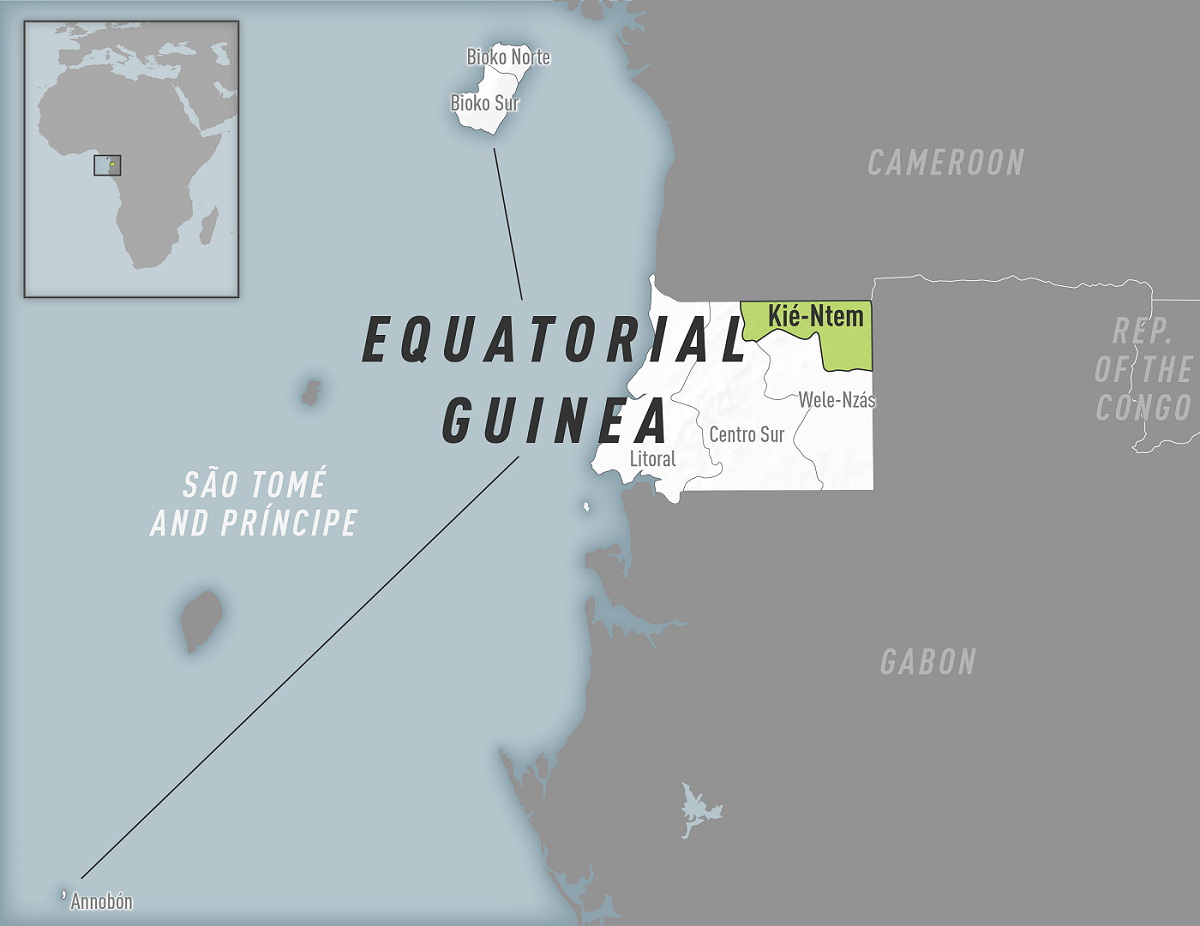
The U.S. Centers for Disease Control and Prevention (CDC) today announced Equatorial Guinea declared an outbreak of Marburg virus disease (MVD) after confirming cases in the Kie Ntem Province.

In response, Equatorial Guinea declared an outbreak of MVD on February 13, 2023.

The CDC stated on February 16, 2023, that MVD is a rare and deadly disease that has sometimes caused outbreaks in several African countries.

Travelers to MVD endemic areas should separate themselves from others and seek medical care immediately if they develop fever, chills, muscle pain, rash, sore throat, diarrhea, weakness, vomiting, stomach pain, or unexplained bleeding or bruising during or after travel (up to 21 days).

And, call ahead before going to a healthcare facility and tell your doctor that you've been to an area reporting MVD cases, says the CDC.

Initially detected in 1967 in Germany, MVD is spread by contact with the blood or body fluids of a person infected with the Marburg virus. 

As of February 17, 2023, Angola, DR Congo, Equatorial Guinea, Cameroon, Germany, Ghana,  Guinea,  Kenya,  Serbia, South Africa, and Uganda have previously confirmed MVD cases.

While there are no U.S. FDA-approved Marburg preventive vaccines, several candidates are conducting clinical studies.

NPR reported today Dr. Leana Wen, an emergency physician and professor at the Milken School of Public Health at George Washington University, says there's one more urgent reason a vaccine must be prioritized.

"Healthcare workers are at particular risk, and in Equatorial Guinea and surrounding countries, illness and death of the relatively few doctors and nurses they have would have a tremendous lasting impact on health in their region."

Vaccine Treats: 
Image: 
Image Caption: 
U.S. CDC Marburg cases map Feb. 16, 2023
Live Blog Update Author: 
Location Tags: 
0 min read

The acting director of the Africa Centers for Disease Control and Prevention (ACDC), Ahmed Ogwell, stated he hopes Mpox vaccines will finally arrive on the continent "in another two weeks, tops" after months of seeking doses.

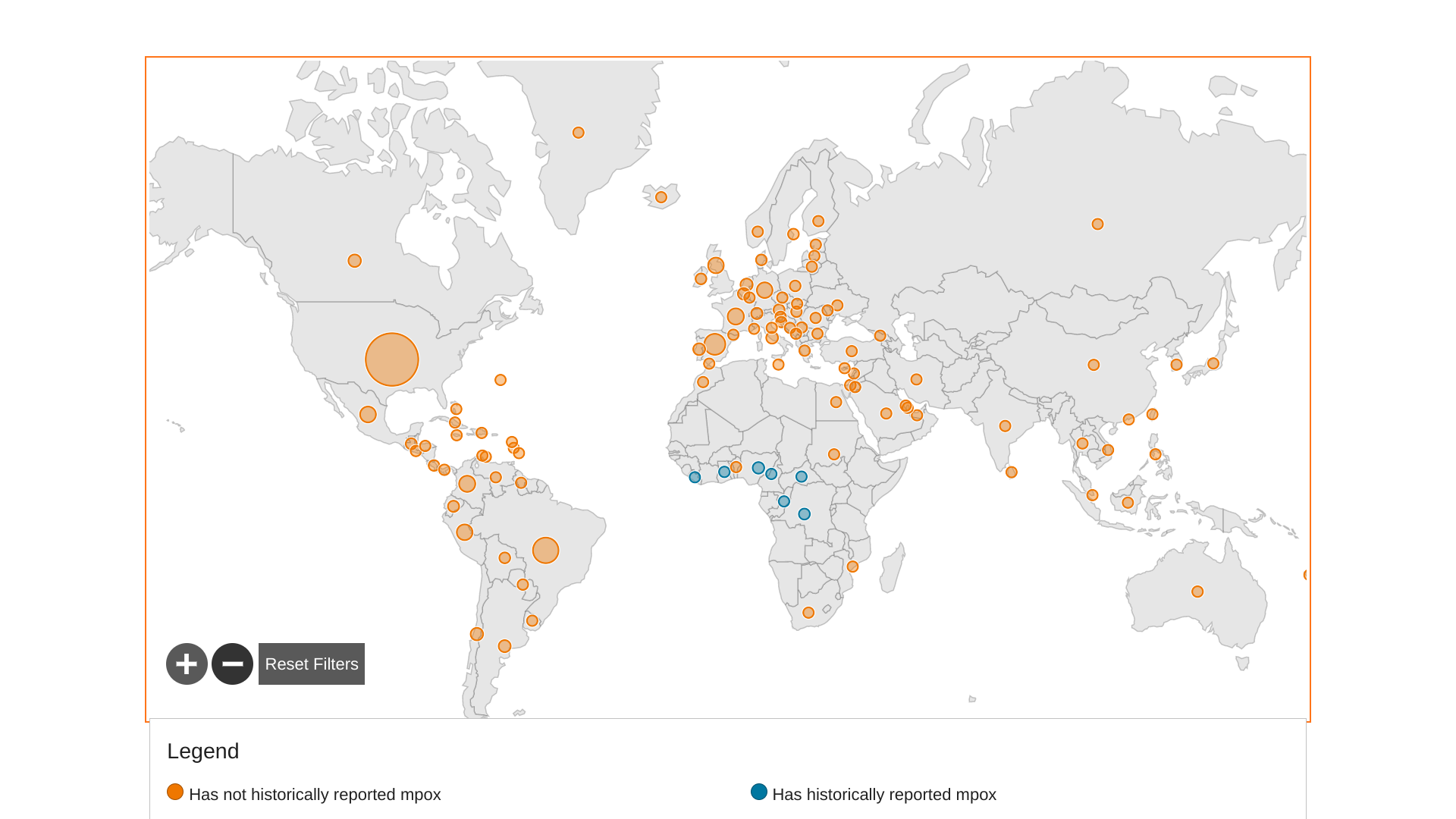
The AP reported on February 16, 2023, the Mpox vaccines will go first to countries with acute need and the most significant overall burden, such as Congo and Nigeria. Nigeria was listed in the U.S. CDC's Watch - Level 1, Practice Usual Precautions notice issued in November 2021.

People become infected with the mpox virus through contact with the bodily fluids of infected animals or humans.

Mpox occurs throughout Central and West Africa, often near tropical rainforests. The first human case of Mpox was identified in the Democratic Republic of Congo in 1970. 

In November 2022, the government of the Republic of Korea, through the Korean Disease Control and Prevention Agency, announced it would donate the first batch of the Mpox vaccine to Africa through the ACDC.

In the U.S., over 1.1 million doses of the Bavarian Nordic JYNNEOS® (MVA-BN) vaccine have been distributed since May 2022.

Since May 5, 2022, about 110 countries have reported 85,800 Mpox patients and 88 related fatalities.

The countries with the highest cumulative notification rates in Europe are Spain, Portugal, and Luxembourg. Additional Mpox outbreak news is posted at MpoxToday.

While the World Health Organization has maintained its multi-country outbreak notice, the U.S. recently discontinued its Mpox alert.

Vaccine Treats: 
Image: 
Image Caption: 
U.S. CDC Mpox map Feb. 15, 2023
Live Blog Update Author: 
Location Tags: 
Eastern Ohio map Feb 2023
East Palestine Ohio disaster update
0 min read

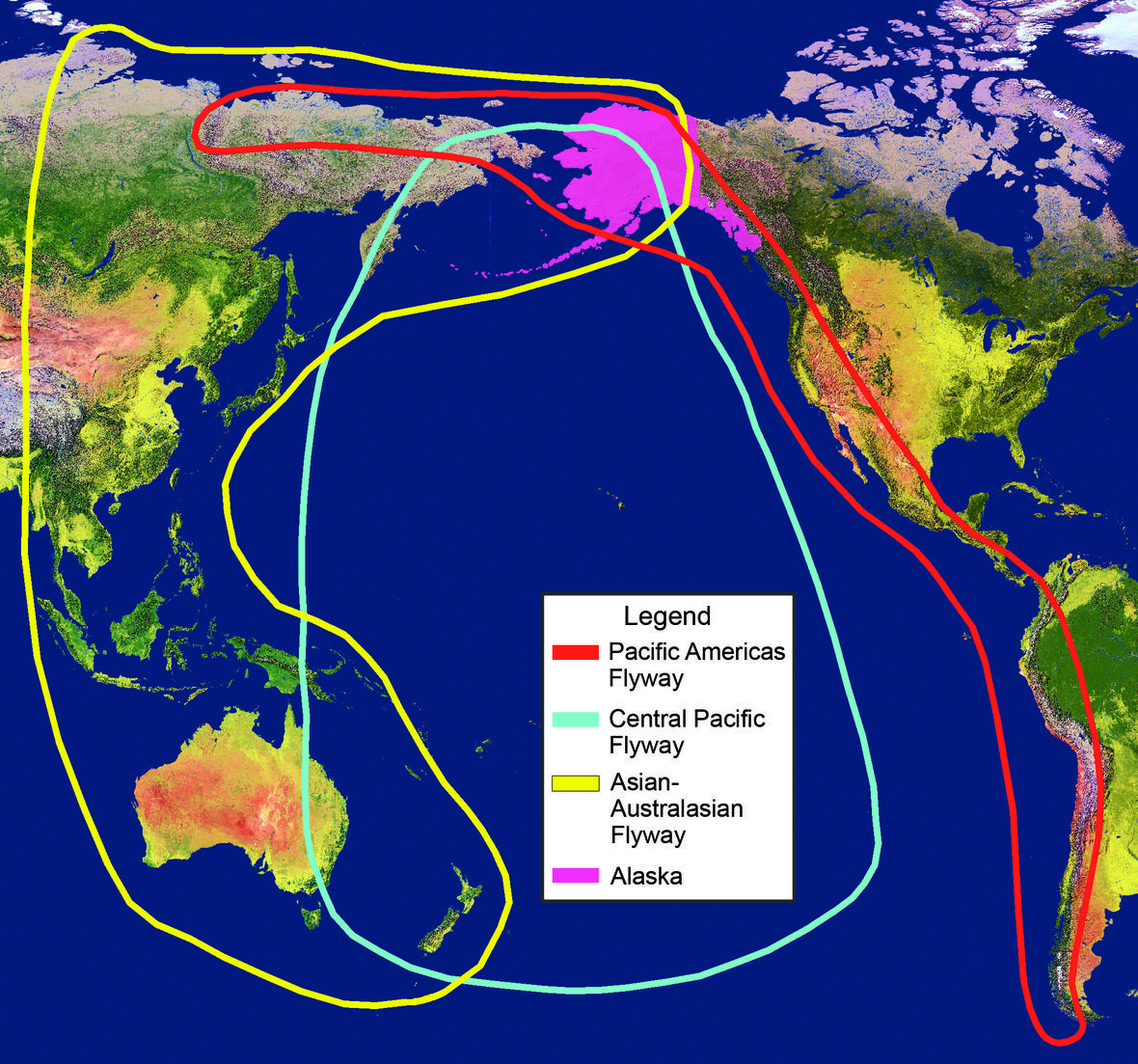
The continual spreading of the Highly Pathogenic Avian Influenza (HAPI) H5N1 influenza A virus across the globe has prompted many questions without clear answers.

These questions accelerated recently when seven people, including various mammals, became infected over the past year.

Amesh Adalja, M.D. with MedPageToday, published an opinion article on February 16, 2023, focused on whether an influenza pandemic caused by this version of HAP is imminent.

'This is an important question that must be asked of all novel influenza viruses. However, the answers regarding influenza are not that simple and require placing this strain into a larger context of avian influenza more generally,' wrote Dr. Adalja. The full unedited article is posted at this link.

Avian influenza A (bird flu) viruses are common and widespread in birds.

Should a human-to-human HAPI outbreak occur, the U.S. Food and Drug Administration has already approved one type of 'bird flu vaccine' that could be effective.

While most people have already received their annual flu shot, this type of vaccine would not be very effective against HAPI viruses.

Vaccine Treats: 
Image: 
Image Caption: 
USGA Feb. 2023
Live Blog Update Author: 
Location Tags: 
0 min read

The World Health Organization (WHO) Influenza Update N° 438 recently reported influenza activity decreased globally.

In the countries of North America, most indicators of influenza activity fell to levels similar to or below levels typically observed this time of year.

As of February 9, 2023, Influenza A(H3N2) was the predominant virus detected in the U.S., whereas A(H1N1)pdm09 and A(H3N2) were co-circulated in Canada in the most recent reporting week.

In Europe, overall influenza activity continued to decrease, but influenza positivity from sentinel sites remained above the epidemic threshold at the regional level. 

Separately, a leading mRNA-based flu shot candidate for adults announced encouraging interim results from its pivotal Phase 3 safety and immunogenicity trial of mRNA-1010 (P301).

As of February 4, 2023, the U.S. CDC confirmed about 172.76 million influenza vaccines had been distributed for the 2022-2023 flu season in the U.S.

Vaccine Treats: 
Image: 
Image Caption: 
WHO Influenza Update N° 438 Feb. 3, 2023
Live Blog Update Author: 
Location Tags: