Search API


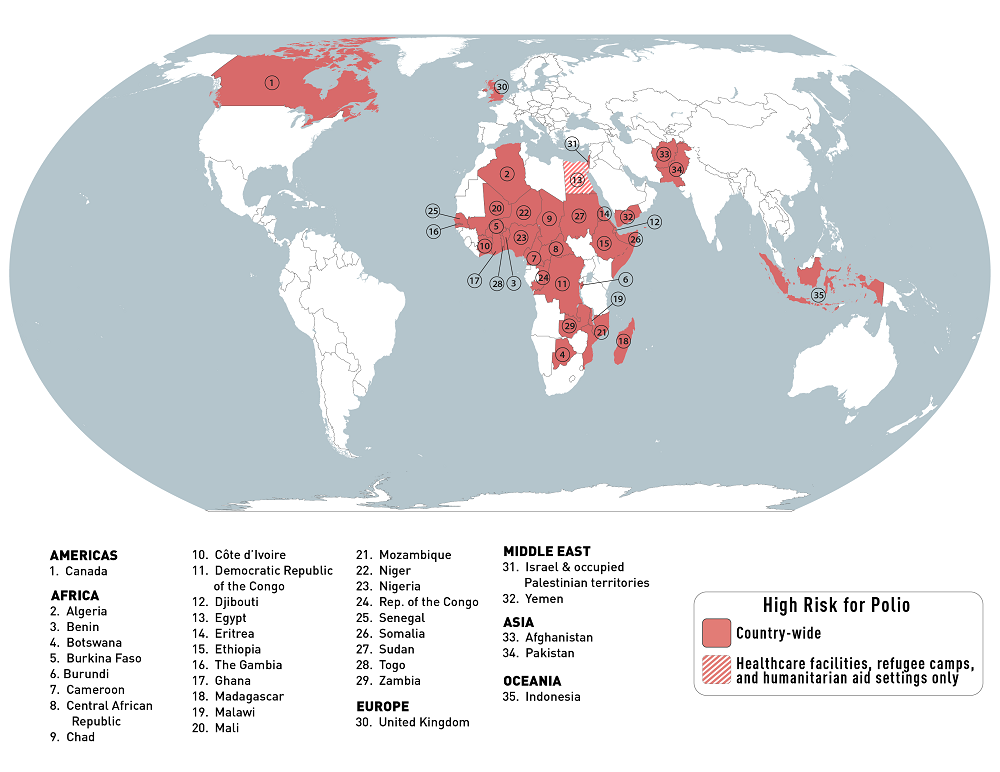
The U.S. Centers for Disease Control and Prevention (CDC) today announced it had expanded its Alert - Level 2, Practice Enhanced Precautions global polio travel notice.
As of March 22, 2023, the CDC increased the number of countries listed.
Furthermore, the CDC stated that before traveling to any destination listed, adults who previously completed the full, routine polio vaccine series receive a single, lifetime booster dose.
Previously, the World Health Organization confirmed the spread of poliovirus remained a Public Health Emergency of International Concern.
Recently, the New York State Department of Health announced that New Yorkers intending to visit Israel and other countries with circulating poliovirus should ensure they are fully immunized against polio.
In the U.S., CDC updated the pediatric and adult polio vaccination schedules in February 2023.
The inactivated polio vaccine (IPV) is recommended within four weeks of travel. Various IPV-containing vaccines are available at most health clinics and community pharmacies.
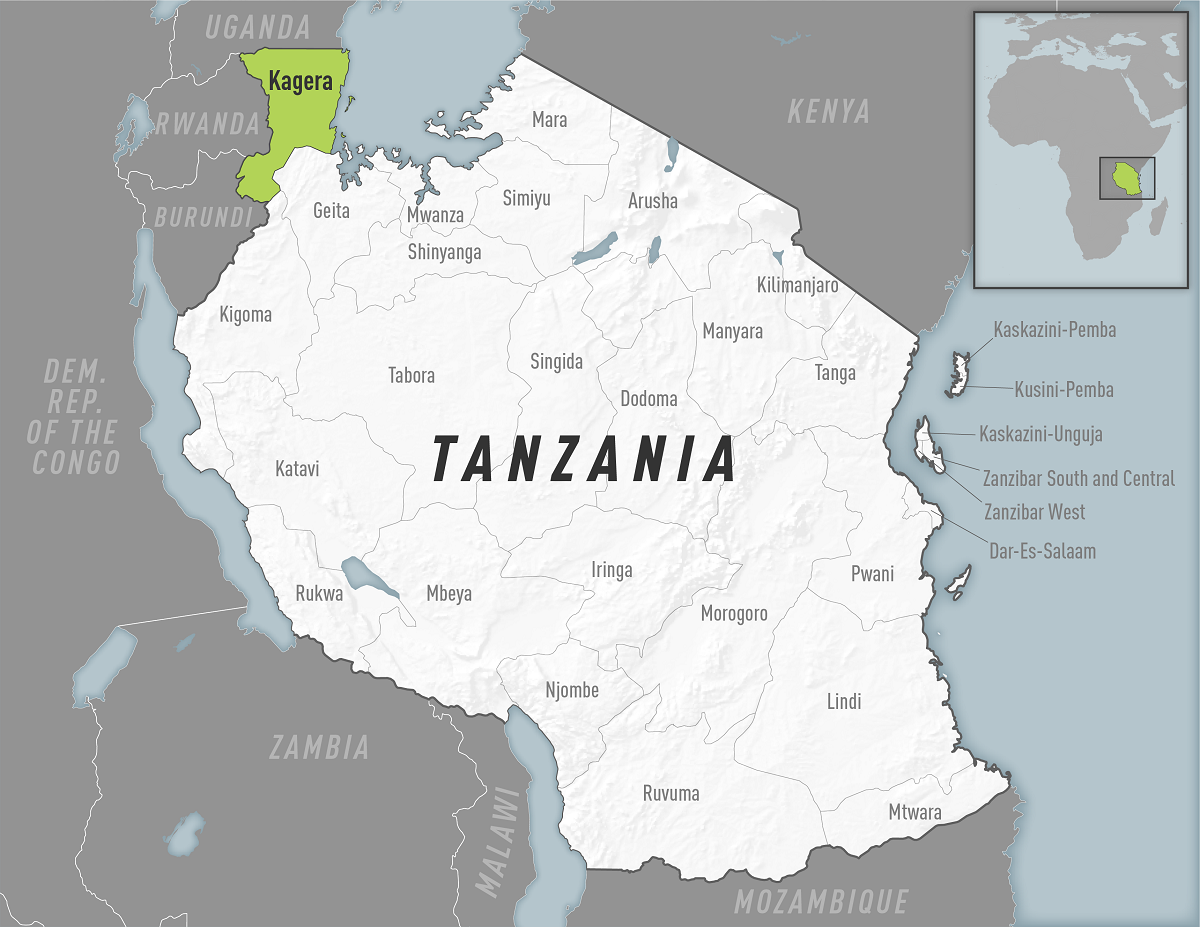
The U.S. Centers for Disease Control and Prevention (CDC) today announced the United Republic of Tanzania declared an outbreak of Marburg virus disease (MVD), with confirmed cases reported in the Kagera Region.
Other MVD outbreaks in Africa have been confirmed in 2023.
MVD is a viral hemorrhagic fever, with symptoms including fever, chills, headache, muscle pain, rash, sore throat, diarrhea, vomiting, stomach pain, chest pain, and unexplained bleeding or bruising.
Infection with the Marburg virus is often fatal, as there is no specific treatment, says the CDC.
As of March 21, 2023, the CDC's Watch - Level 1, Practice Usual Precautions notices advises visitors should separate themselves from others and seek medical care immediately if they develop fever, chills, muscle pain, rash, sore throat, diarrhea, weakness, vomiting, stomach pain, or unexplained bleeding or bruising during or after travel (up to 21 days).
As of March 23, 2023, no MVD preventive vaccines are authorized.
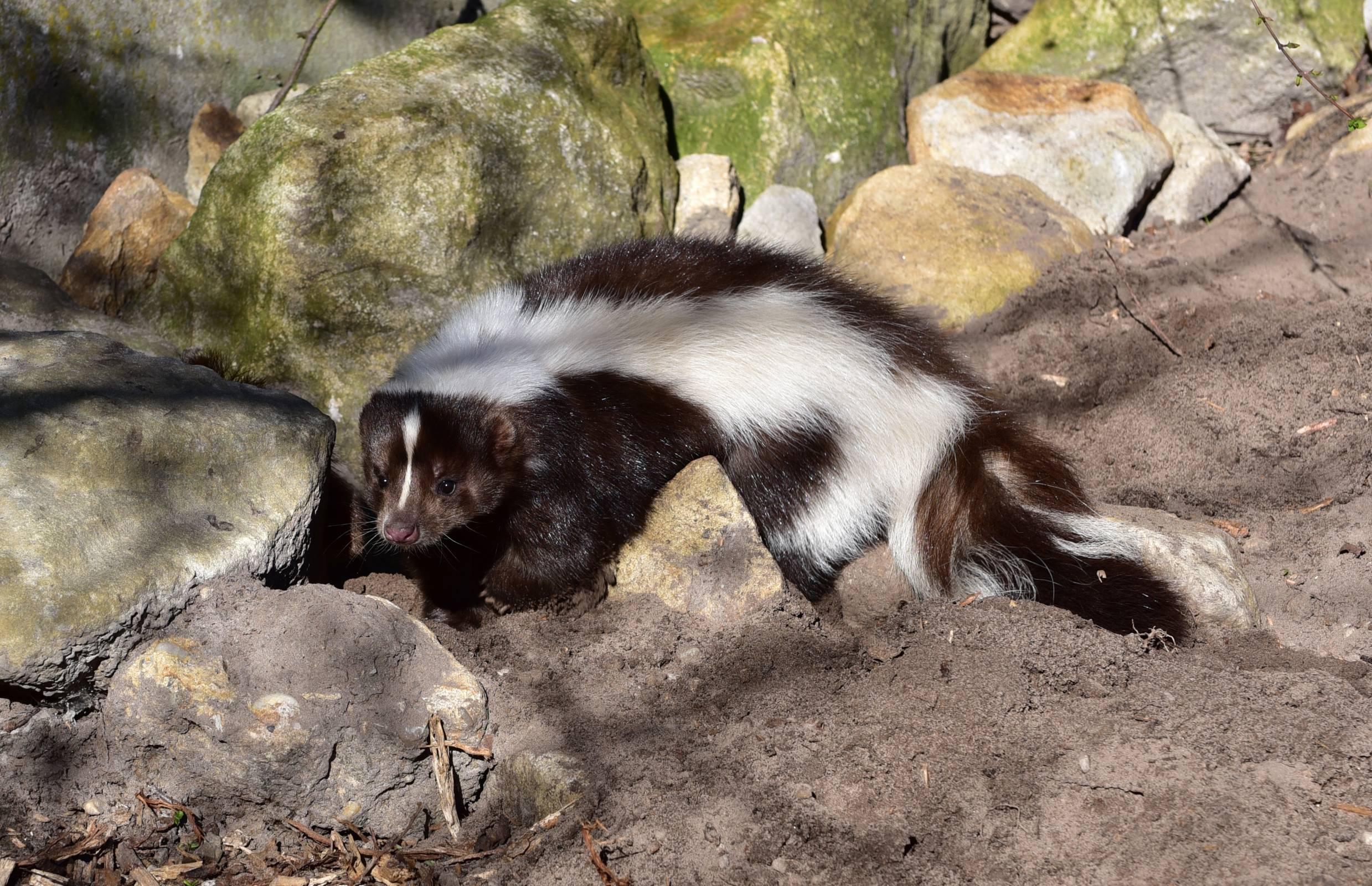
The National Veterinary Services Laboratories (NVSL) today announced the presence of Highly Pathogenic Avian Influenza (HPAI) in a striped skunk recovered from Carson County, located east of Amarillo in the Texas panhandle.
As of March 21, 2023, this is the first confirmed case of HPAI in mammals in Texas.
HPAI is a highly contagious virus that transmits efficiently among wild and domestic birds. The virus can spread directly between animals and indirectly through environmental contamination.
Since the H5 clade 2.3.4.4b. appeared in North America in January 2022, over 6,000 H5N1 detections in wild birds, by 47 states (14 states within 30 days), leading to the loss of over 58 million birds as of March 17, 2023.
For mammals, current data shows transmission occurs primarily through the consumption of infected animal carcasses, though mammal-to-mammal transmission does not appear sustainable.
Other mammal species confirmed with HPAI in the U.S., Canada, Central Ameria, and South America include foxes, raccoons, bobcats, opossums, mountain lions, and black bears.
Because of the ease of transmission, the TPWD recommends that wildlife rehabilitators also remain cautious when intaking wild animals with clinical signs consistent with HPAI and consider quarantining animals to limit the potential for HPAI exposures to other animals within the facility.
Currently, the transmission risk of avian influenza from infected birds to people remains low.
But the public should take basic protective measures, such as wearing gloves, face masks, and handwashing if contact with wild animals cannot be avoided.
Furthermore, the U.S. government has approved avian influenza vaccines should human-to-human transmission occur since the annual flu shot is not effective against this type of influenza.
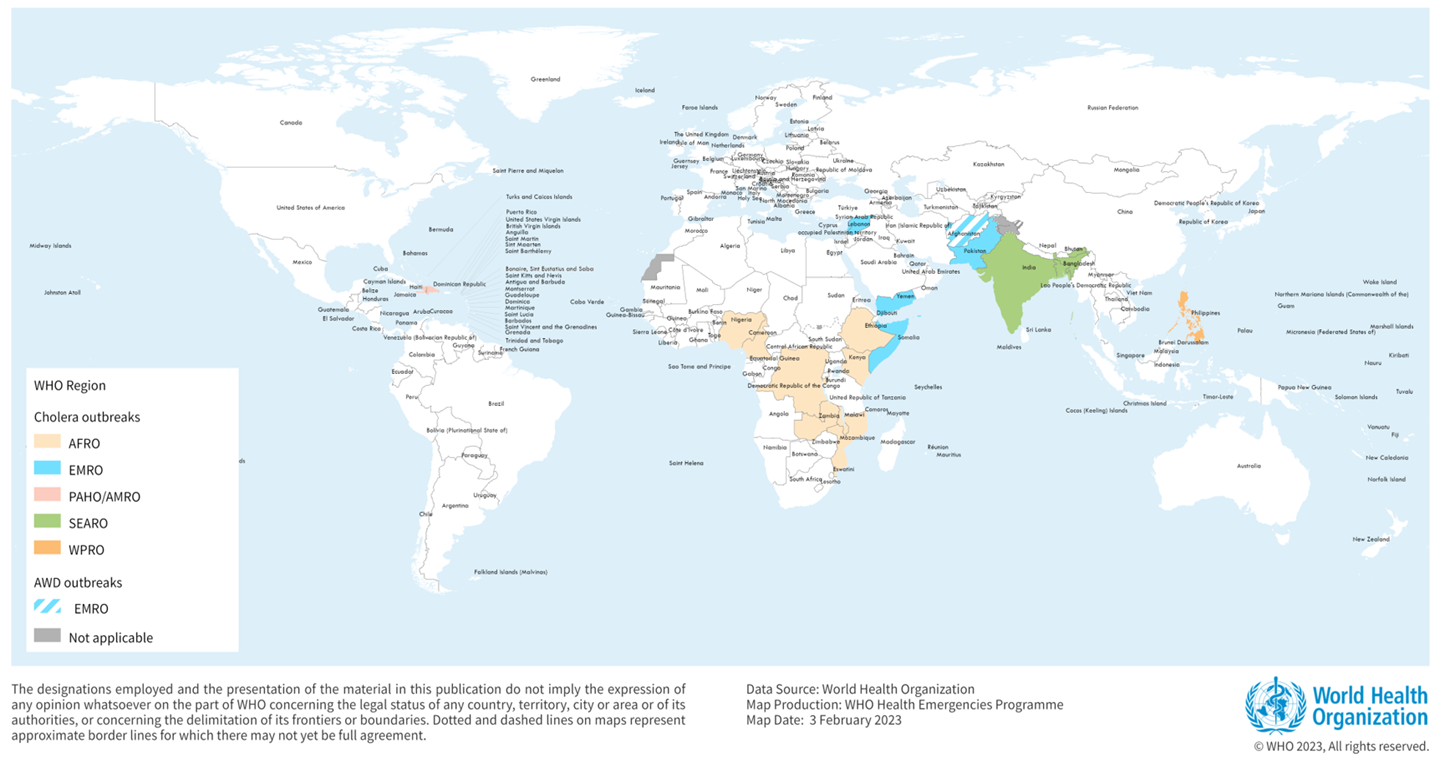
The world is facing an upsurge in Cholera, even touching countries that have not had the disease in decades, announced the World Health Organization (WHO) on World Water Day.
Years of progress against this age-old disease have disappeared, stated the WHO on March 22, 2023. In the past months, the world has seen a resurgence of Cholera.
Last year, as many as 30 countries experienced outbreaks, and we continue to see a worrying geographic spread into 2023.
While the situation is unprecedented, the lesson to draw is not new: safe drinking water, sanitation, and hygiene are the only long-term and sustainable solutions to ending this cholera emergency and preventing future ones.
The global cholera situation is concerning, but the historic United Nations Water Conference began in New York. The Global Task Force for Cholera Control appeals to countries and the international community to channel that concern toward concrete action.
Nearly all cholera cases reported in the U.S. are acquired during international travel, says the U.S. Centers for Disease Control and Prevention (CDC).
For example, the CDC confirmed eight travelers infected with Cholera arrived in the U.S. from Pakistan, Iraq, and Bangladesh in 2022.
In 2023, various countries have confirmed cholera outbreaks.
As of March 22, 2023, cholera vaccines, such as Valneva SE's DUKORAL® oral, inactivated Cholera, and ETEC Diarrhea vaccine, have been approved and are available in certain countries.
A recent article published by eBioMedicine discussed how the Zika virus leads to olfactory disorders in mice by targeting olfactory ensheathing cells.
On February 3, 2023, this article confirmed Zika virus (ZIKV) is an emerging arbovirus of the genus flavivirus associated with congenital Zika syndrome (CZS) in newborns.
Clinical symptoms, including intellectual disability, speech delay, coordination or movement problems, and hearing and vision loss, have been well-documented in children with CZS.
However, whether ZIKV can invade the olfactory system (ability to detect odors) and lead to post-viral olfactory dysfunction (PVOD) remains unknown.
These researchers demonstrated that neonatal mice infected with ZIKV suffer transient olfactory dysfunction when they reach puberty.
Moreover, ZIKV mainly targets olfactory ensheathing cells (OECs) and exhibits broad cellular tropism colocalizing with small populations of mature/immature olfactory sensory neurons (mOSNs/iOSNs), sustentacular cells and horizontal basal cells in the olfactory mucosa (OM) of immunodeficient AG6 mice.
ZIKV infection induces strong antiviral immune responses in the olfactory mucosa and olfactory bulb tissues, resulting in the upregulation of proinflammatory cytokines/chemokines and genes related to the antiviral response.
'Our results demonstrate that the olfactory system represents a significant target for ZIKV infection and that PVOD may be neglected in CZS patients,' concluded these researchers.
The authors declared that they have no conflict of interest.