Search API

Japanese Encephalitis Outbreaks

Japanese Encephalitis Outbreaks September 2025

According to the World Health Organization (WHO), the Japanese encephalitis virus (JEV) is a flavivirus transmitted by mosquitoes, often contracted from infected pigs and sheep. Humans are not a dead-end host in the transmission cycle, and there is no human-to-human transmission of JEV. As of August 2025, JEV is the leading cause of viral encephalitis in 24 countries in the WHO South-East Asia and Western Pacific/Oceania Regions, exposing more than 3 billion people to infection risks. In 2025, the WHO published a technical brief titled "Encephalitis: Global Threats, Trends, and Public Health Implications." Japanese encephalitis (JE) cases are collected annually through the WHO/UNICEF Joint Reporting Form on Immunization. JE infections cause approximately 13,600–20,400 deaths in people annually. JE survivors are estimated to live normally, but 49% of patients report neurological sequelae.

Japanese Encephalitis in the United States

JEV was confirmed in the United States in the 1980s when the exotic mosquito species and secondary JEV vector, Aedes albopictus, was introduced into the country. As of July 2025, the U.S. Centers for Disease Control and Prevention (CDC) identified countries reporting JEV cases. The CDC states that the risk for JE varies based on destination, accommodations, activities, trip duration, and travel season. A risk assessment conducted in 2019 examined the potential mechanisms of introducing JEV into the U.S. It concluded that an infected adult mosquito posed a high risk of introduction via passenger aircraft. Geographically, the risk of JE introduction into the U.S. may be highest in California due to the frequency of international arrivals (as of August 2024) from Asia (particularly in LA County) and the abundance of Culex vectors and avian hosts. In July 2005, one JE case was reported to LA County regarding a California resident who traveled to the Philippines. One Japanese encephalitis vaccine (IXIARO) is U.S. FDA-approved and recommended for travelers in 2025. 

Japanese Encephalitis in Australia

Australia's National Notifiable Disease Surveillance System dashboard has reported JEV cases from 2002 to 2025, with a peak of 41 cases in 2022. JE cases have been confirmed across Australia, including Queensland, New South Wales, South Australia, Victoria, the Australian Capital Territory, Tasmania, Western Australia, the Northern Territory, and parts of the Torres Strait region. Australia's government declared a JEV outbreak of National Significance in March 2022. In June 2023, the Joint National Japanese  Encephalitis Virus Outbreak Response Plan (JEV Outbreak Plan) became the first Australian Response Plan for Japanese Encephalitis.

As of August 2025, eight JE cases have been confirmed in Australia. On March 14, 2025, the fourth JE-related fatality was reported since the virus was first detected in NSW in 2022. On February 15, 2025, a man likely acquired his JE infection while camping in the Murrumbidgee region in NSW. In January 2025, NSW Health listed Tamworth, Gunnedah, Moree, Narrabri, Gwydir, Inverell, Liverpool Plains, Tenterfield, and Upper Hunter local government areas as "high JE concern." JE virus was previously detected in mosquitoes in December 2024 in the Griffith area and feral pigs in the Narromine Shire local government area. No confirmed human cases of JEV have been acquired in NSW since October 2022. Between 2021 and 2022, 13 JEV cases were reported in New South Wales

Queensland health authorities reported in March 2025 that JEV was detected for the first time in mosquitoes collected in Brisbane's eastern suburbs in Hemmant. In January 2025, Queensland recorded its first locally acquired human case of JEV since 2022. This person was likely infected in the Darling Downs region near Goondiwindi. The JEV vaccine is available at over 100 vaccination providers across Queensland.

On January 20, 2025, the Victoria Department of Health confirmed that a human case of JE had been identified in a resident of northern Victoria, marking the first case in the state. Residents and visitors to northern Victoria, particularly those in inland riverine regions and near the Murray River, are at a higher risk of infection and should take measures to prevent mosquito bites. In Victoria, the JE vaccine is free of charge for specific groups at higher risk of exposure to the virus.

QIMR Berghofer senior researchers reported in May 2024 that the new JEV virus strain (genotype 4) impact on the brain is consistent with the seven human fatalities during the 2022 outbreak, which involved 44 confirmed human cases across Victoria, New South Wales, South Australia, Northern Territory, and Queensland. he findings of the two studies (May 2024), taken together with the broad geographic spread of human infections and infected piggeries over a relatively short period, indicate that the 2022 JEV outbreak was more extensive than initially thought. The health department recommends JE vaccination for travelers spending one month or more in endemic areas in Asia and Papua New Guinea during the period of virus transmission. E vaccination is recommended for residents of the outer islands in the Torres Strait who live or work on the outer islands for 30 days or more during the wet season. People who are at ongoing risk of acquiring JE may need booster doses.

In December 2022, the U.S. CDC updated a Travel Health Advisory—Level 2, Practice Enhanced Precautions—regarding the JE outbreak in eastern and southeastern Australia.

Japanese Encephalitis in Canada

The Canadian government states that the risk of JEV for travelers is low, especially for those visiting urban areas. However, there is a higher risk of infection if they visit rural areas for extended periods and participate in outdoor activities.

Japanese Encephalitis in Europe

The European CDC published a study in 2023 that concluded that the environmental conditions in the European Union are expected to be suitable for the Japanese encephalitis virus to circulate.

Japanese Encephalitis in India

The first evidence of the JE virus's presence in India dates back to 1952, when the first case was reported. The first human JE case was reported in Vellore, Tamil Nadu. As of August 2025, JE remains a significant public health concern in India's various states, with over 468 cases and 56 related fatalities this year.

In June 2025, Assam, a northeastern state of India, had 32 patients admitted to the Gauhati Medical College and Hospital, with four confirmed deaths. According to data from the Integrated Disease Surveillance Programme, 1,548 JE cases were reported from 24 states and Union Territories in 2024, with about 925 JE cases detected in Assam alone. In 2023, 1,320 JE cases were reported, compared to 1,271 in 2022.

India's National Center for Vector-Borne Diseases Control (NCVBDC) confirmed in 2023 that adult JE vaccinations had started in 42 districts of three states with high JE incidence: Assam (9 districts), Uttar Pradesh (7 districts), and West Bengal (26 districts). In March 2025,  the Pune Municipal Corporation initiated a JE vaccination drive targeting 1,98,874 children aged 1 to 10 years across multiple city zones, with an overall goal of vaccinating 10.43 lakh children. 

Japanese Encephalitis in Indonesia

The U.S. CDC reports JE cases from many Indonesian islands, including Bali, Java, Kalimantan, Nusa Tenggara, Papua, and Sumatra. The WHO has actively supported Indonesia's Ministry of Health with interventions to control JEV infection, including preparations to introduce JEV vaccination in new endemic provinces, with a focus on West Kalimantan.

Japanese Encephalitis in Japan

The number of Japanese encephalitis cases in Japan decreased after the implementation of a national vaccination program. Sporadic JE cases are reported from all of Japan's islands except Hokkaido. As of 2022, only one case had been reported in Chiba and Ibaraki prefectures over the past 10 years, and both cases occurred in areas renowned for pig farming, far from Narita City. According to a study published in June 2025, three domestically infected JE cases occurred over the three consecutive years from a hospital in Narita, Chiba, where JE had not been reported in recent years.

Japanese Encephalitis in Papua New Guinea

The surveillance and detection of Japanese encephalitis in Papua New Guinea (PNG) have been confirmed. The U.S. CDC recommends considering JE vaccination for travelers spending less than a month in areas with Japanese encephalitis who will be engaging in activities that increase the risk of infection, such as visiting rural areas, hiking, camping, or staying in places without air conditioning, screens, or bed nets.

Japanese Encephalitis in the Philippines 

Human, animal, and mosquito studies indicate transmission in 32 provinces of the Philippines.

Japanese Encephalitis in Nepal

In Nepal, Japanese Encephalitis (JE) has been a significant public health concern since 1978, particularly in the Terai region, which borders India. About 12.5 million people in Nepal are at high risk of JE infection. In 2005, JE infections killed nearly 2,000 people in Nepal's Tarai region.

In 2025, Nepal's Health Ministry's data show 33 JE cases and three fatalities. The WHO indicated in August 2025 that Nepal's national JE vaccination coverage surpasses 95%. The WHO also provides technical assistance for field monitoring and reaching children. Who are unvaccinated

As of September 2024, twenty-nine districts in Nepal, including those in the Kathmandu Valley, have reported infections from the deadly vi. Meanwhile, eight districts —Kailali, Kapilvastu, Palpa, Chitwan, Rautahat, Sarlahi, Siraha, and Suns —have reported deaths from the infection. In 2024, 23 people died, and 80 others were infected with the JE virus.

Japanese Encephalitis in South Korea

The U.S. CDC says Japanese encephalitis was a significant public health concern in South Korea until the late 1960s, with several thousand cases reported annually. In 2024, the Korea Disease Control and Prevention Agency (KDCA) reported 21 locally transmitted cases of Japanese encephalitis. The KCDC reported that in 2018, JE surveillance data showed an average of 20 JE cases per year.

Japanese Encephalitis in Thailand

The highest number of disease cases has been reported in Thailand's Chiang Mai Valley. 

Japanese Encephalitis in Taiwan

In Taiwan (Republic of China), JE has been categorized as a mandatory notifiable infectious disease since 1955. This study confirmed cases of JE from the surveillance data of the Taiwan Centers for Disease Control (TCDC) between 2008 and 2020. As of July 2025, the TCDC confirmed six cases of Japanese encephalitis. In 2024, 25 JE cases were reported.

Japanese Encephalitis in the United Kingdom

In England, Wales, and Northern Ireland (EWNI), no cases of Japanese encephalitis were reported in 2024. The most recently reported case was in 2023. JE vaccine is available in the UK; however, it is only recommended for travellers at an increased risk of infection.

Murray Valley Encephalitis in Australia

As of March 2025, three cases of Murray Valley encephalitis had been reported in northern Western Australia, specifically in the Pilbara and Kimberley regions.

10 min read
Last Reviewed: 
Monday, September 15, 2025 - 09:40
Description: 
Japanese Encephalitis outbreaks continue in Australia, India, Japan, Nepal, and other countries in 2025
0 min read

According to a recent article published by npj vaccines, infection with high-risk human papillomavirus (HPV) is widely recognized as the primary cause of cervical and other malignant cancers.

While there are six licensed prophylactic vaccines against HPV, none of them show any significant therapeutic effect on pre-existing infections.

Thus, a prophylactic vaccine endowed with therapeutic activity would afford protection regardless of the vaccine recipient's HPV infection status.

The key to eliminating virus-infected cells lies in anti-early HPV-encoded proteins, particularly anti-E6 or anti-E7 T-cell responses. 

This article describes the refinement and further potentiation of a dual-purpose HPV nanoparticle vaccine (cPANHPVAX) relying on eight different HPV L2 peptide epitopes and the E7 oncoantigens from HPV16 and 18.

cPANHPVAX not only induces anti-HPV16 E7 cytotoxic T-cell responses in C57BL/6 mice, but also anti-HPV18 E7 T-cell responses in transgenic mice with the A2.DR1 haplotype.

These cytotoxic responses add to a potent, broad-coverage humoral (HPV-neutralizing) response.

cPANHPVAX safety was further improved by deleting the pRb-binding domains of E7.

These researchers wrote, 'this dual-purpose vaccine holds great potential for clinical translation as an immune-treatment capable of targeting active infections as well as established HPV-related malignancies, thus benefiting both uninfected and infected individuals.'

Zhao, X., Zhang, Y., Trejo-Cerro, O. et al. A safe and potentiated multi-type HPV L2-E7 nanoparticle vaccine with combined prophylactic and therapeutic activity. npj Vaccines 9, 119 (2024). https://doi.org/10.1038/s41541-024-00914-z. 

Vaccine Treats: 
Image: 
Image Caption: 
by Mircea Iancu
Live Blog Update Author: 
Include in VBT newsletter: 
0 min read

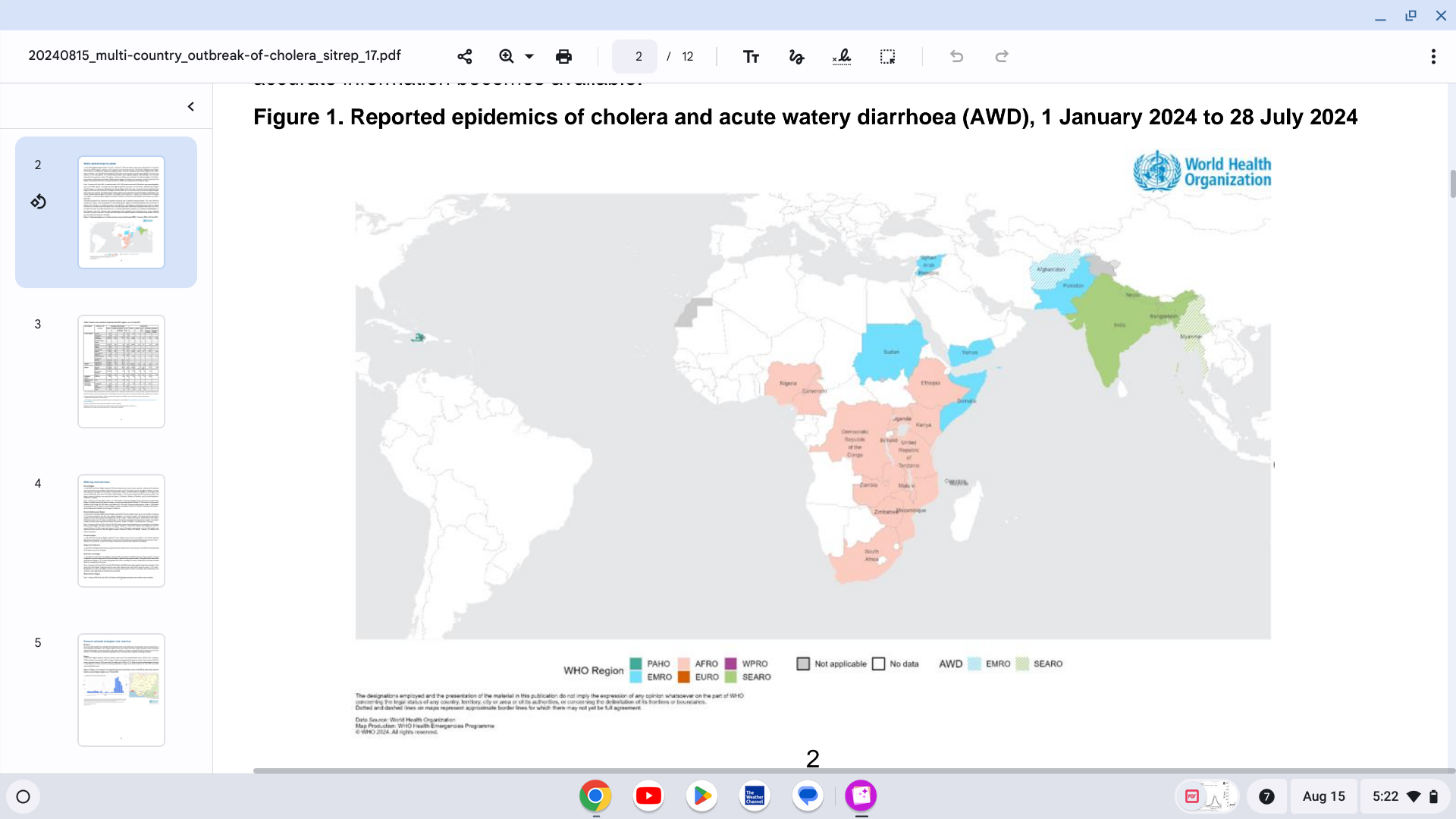
The World Health Organization (WHO) today announced an updated External Situation Report #17 on a multi-country outbreak of cholera.

Published on August 15, 2024, the global cholera response continues to be affected by a critical shortage of Oral Cholera Vaccines (OCV) as demand continues to outpace supply.

Since January 2023, 18 countries have requested 105 million doses, nearly double the 55 million doses produced in this period.

Furthermore, in January 2023, the WHO classified the global resurgence of cholera as a grade 3 emergency, the highest internal level for emergencies in WHO.

As of the end of July 2024, a cumulative total of 307,433 cholera cases and 2,326 deaths were reported from 26 countries across five WHO regions.

Based on the number of outbreaks and their geographic expansion, alongside the shortage of vaccines and other resources, WHO continues to assess the risk at the global level as very high, and the event remains classified as a grade 3 emergency.

As of August 2024, the WHO and other governments have authorized four OVCs.

For example, Valneva SE's DUKORAL® is an oral, inactivated vaccine for diarrhea prevention authorized in various countries.

DUKORAL contains four different inactivated strains of V. cholerae serotype O1 and part of a toxin from one of these strains as active substances. Valneva recently announced that DUKORAL®  sales totaled €14.9 million for the first half of 2024.

In the United States, cholera vaccines are in limited supply in 2024, but available at certain travel vaccine pharmacies.

Vaccine Treats: 
Image: 
Image Caption: 
WHO Cholera outbreak map 2024
Live Blog Update Author: 
Location Tags: 
Include in VBT newsletter: 
Lyme disease
Lyme disease vaccine availability pending until 2026
0 min read

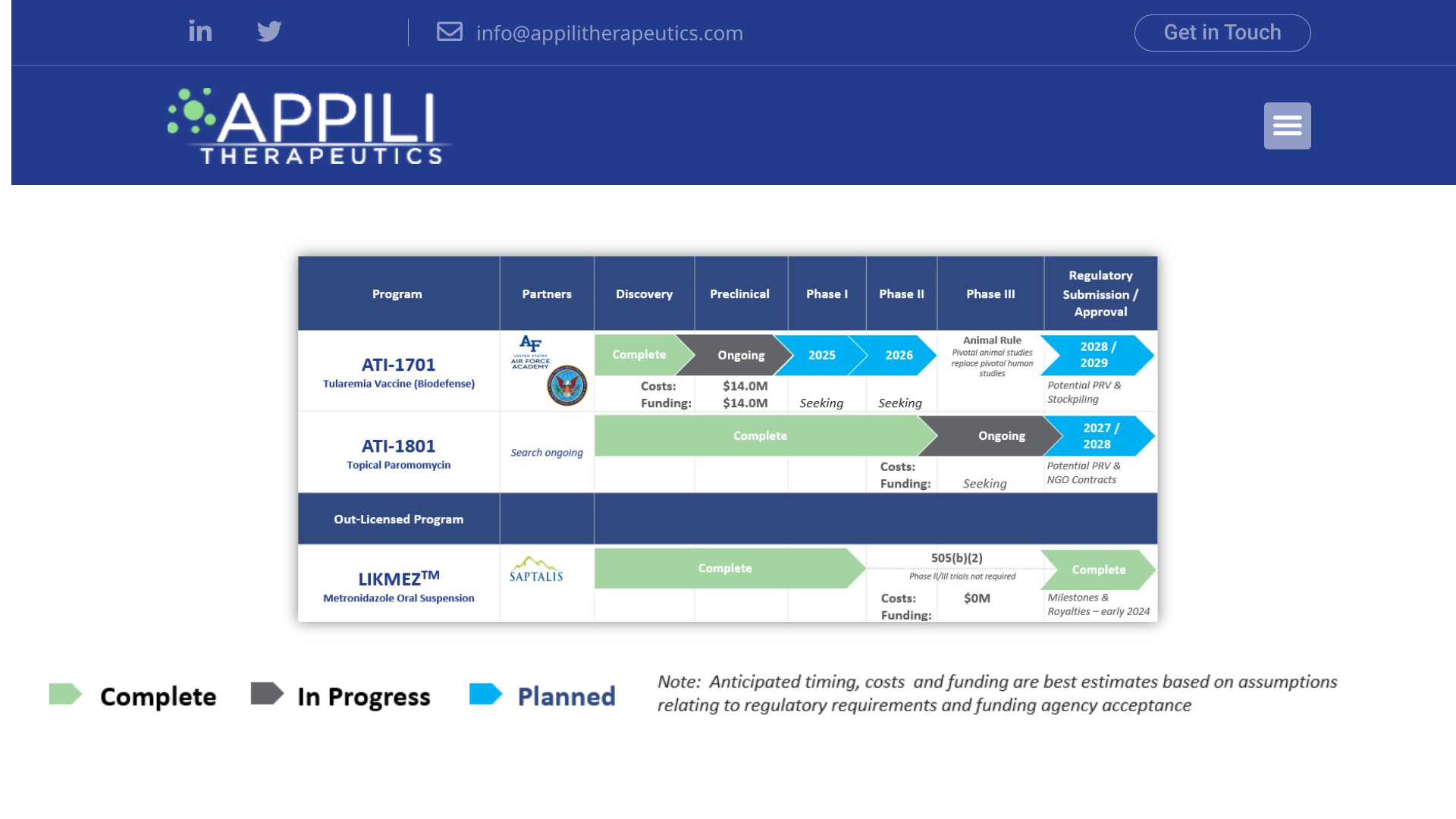
Appili Therapeutics Inc. recently announced a product update for the first quarter of its fiscal year 2025, which ended on June 30, 2024.

“In recent months, we’ve achieved significant milestones by engaging regulatory authorities for ATI-1701 and ATI-1801, and together with our partner, Saptalis Pharmaceuticals, we launched our leading asset, LIKMEZ™ (ATI-1501),” said Don Cilla, President and CEO of Appili, in a press release on August 13, 2024.

“These achievements, together with ATI-1701 U.S. Air Force Academy (USAFA) funding commitments, are expected to enable us to execute our infectious disease programs and advance their development to bring these products to market for the benefit of patients and shareholders.”

ATI-1701, a novel live-attenuated vaccine for preventing F. tularensis, has secured $14 million in awards from the USAFA.    Tularemia is a potentially serious illness caused by the bacterium Francisella tularensis. People can become infected in several ways, including tick and deer fly bites and contact with infected animals.

Under the USAFA Cooperative Agreement, Appili will manage a comprehensive development program, including nonclinical studies, CMC/manufacturing, clinical preparatory, and regulatory activities supporting an IND submission in 2025. Appili has engaged with the U.S. Food and Drug Administration (“FDA”) via a pre-IND meeting, confirming the development pathway for ATI-1701, and is incorporating suggested changes into the development plan.

ATI-1801, a novel topical formulation of paromomycin (15% w/w), is under advanced clinical development for treating cutaneous leishmaniasis, a Neglected Tropical Disease, is a disfiguring skin infection affecting hundreds of thousands globally. Cutaneous and mucosal leishmaniasis can cause substantial morbidity; visceral and mucosal leishmaniasis can be life-threatening.

Appili is currently engaging with the FDA. In 2024, it submitted a type-B meeting request to discuss linking previously generated Phase 3 data and agreeing on the necessary registration package for a New Drug Application submission. ATI-1801 has received an Orphan Drug Designation from the FDA for certain forms of cutaneous leishmaniasis. 

In September 2023, Appili and its U.S. partner, Saptalis Pharmaceuticals LLC., announced the approval by the U.S. FDA of LIKMEZ™ (ATI-1501), a proprietary taste-masked liquid suspension formulation of metronidazole. LIKMEZ is the first FDA-approved ready-made suspension of metronidazole, addressing the unmet need in both pediatric patients and patients with dysphagia. Saptalis launched LIKMEZ in November 2023, and the product is available to patients and doctors in the U.S.

Vaccine Treats: 
Image: 
Image Caption: 
Appili Therapeutics Inc. products August 2024
Live Blog Update Author: 
Location Tags: 
Include in VBT newsletter: 
0 min read

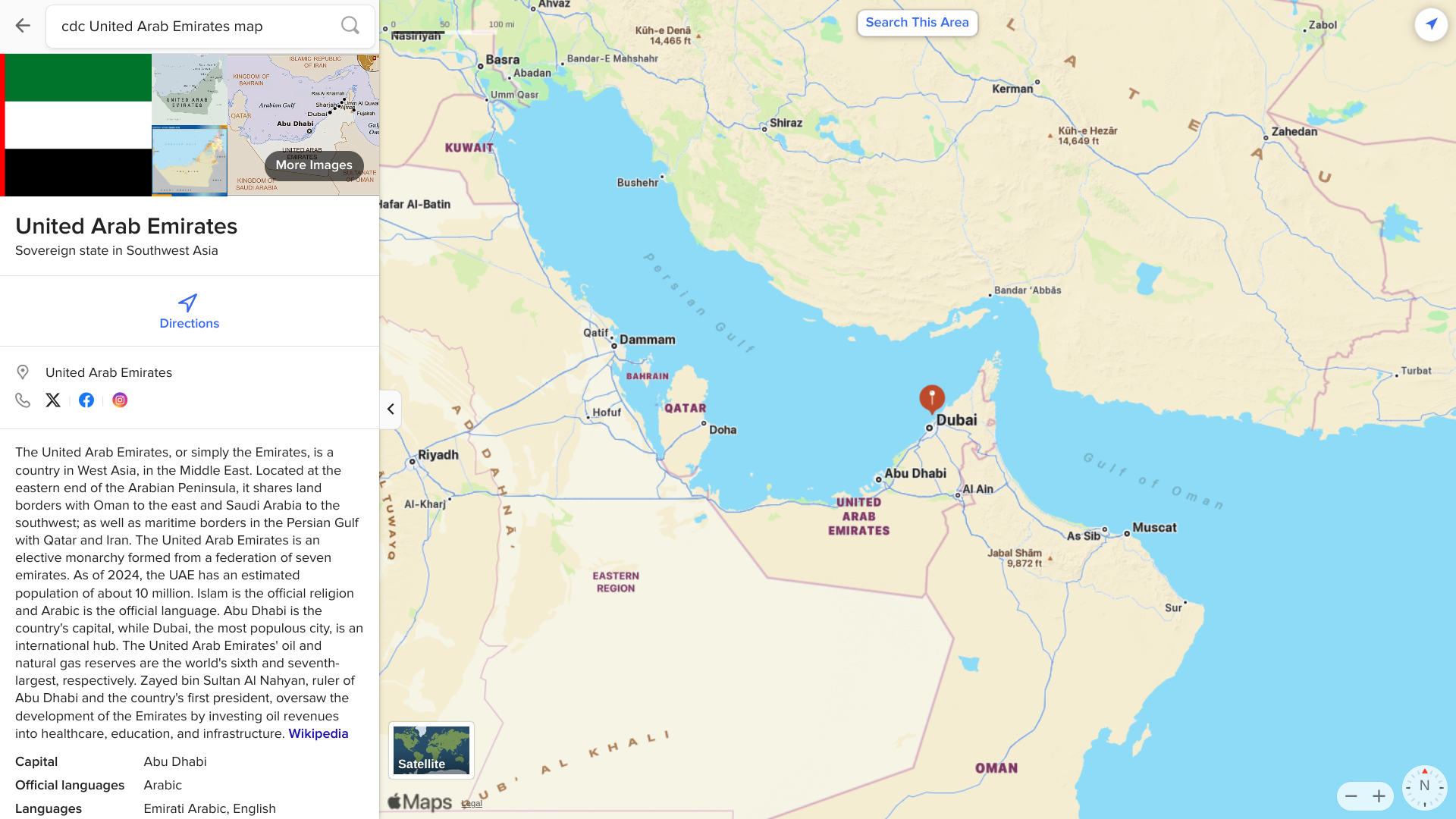
Eisai Co., Ltd. and Biogen Inc. announced that the Ministry of Health and Prevention in the United Arab Emirates (UAE) has approved humanized anti-soluble aggregated amyloid-beta monoclonal antibody LEQEMBI® (lecanemab) for the treatment of Alzheimer’s disease (AD).

LEQEMBI is the first approved treatment shown to reduce the rate of disease progression and to slow cognitive and functional decline through this mechanism. 

In the UAE, AD is considered the most common cause of dementia, typically accounting for 60-70% of cases. It is reported that 4.09% of people over 60 years old have dementia.

As of August 13, 2024, LEQEMBI is also approved in the U.S., Japan, China, South Korea, Hong Kong, and Israel and is being marketed in the U.S., Japan, and China. 

Eisai has also submitted applications for approval of LEQEMBI in 11 countries and regions.

In the United States, a supplemental Biologics License Application for intravenous maintenance dosing was submitted to the U.S. FDA in March 2024 and was accepted in June 2024. The rolling submission of a Biologics License Application for maintenance dosing of a subcutaneous injection formulation, which is being developed to enhance patient convenience, was initiated in the U.S. under FDA Fast Track status in May 2024.

Vaccine Treats: 
Image: 
Image Caption: 
DuckDuckGo map August 2024
Live Blog Update Author: 
Location Tags: 
Include in VBT newsletter: 
PAHO Regional Health Data in the Americas
0 min read

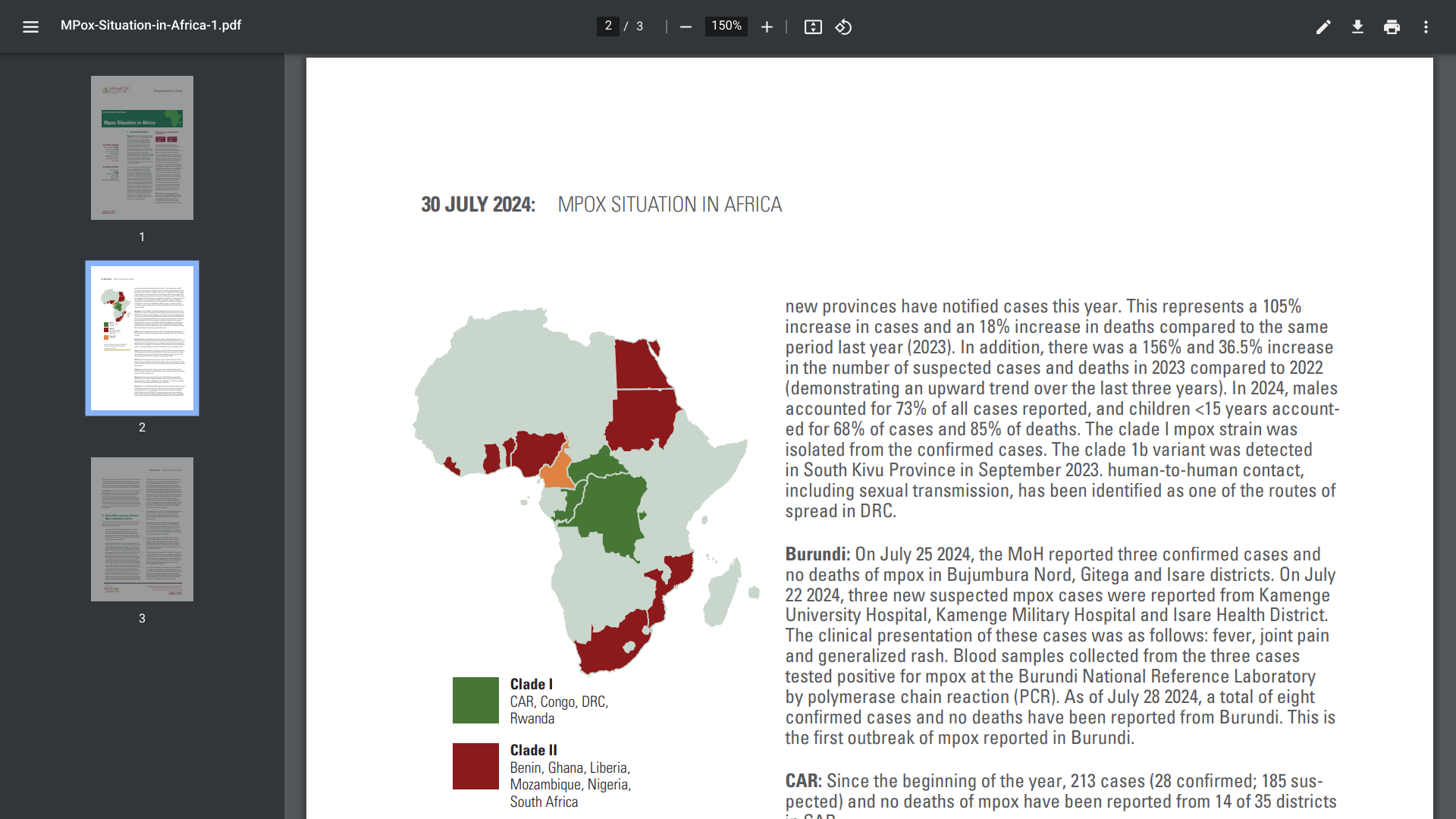
Since the beginning of 2022 and as of late July 2024, a total of 37,583 mpox cases and 1,451 deaths (case fatality rate 3.9%) have been reported from 15 African Union Member States. In an attempt to reduce this outbreak, the U.S. FDA and EMA-approved mpox vaccine is being deployed.

Bavarian Nordic A/S recently announced a new order from the European Health Emergency Preparedness and Response Authority (HERA) for the MVA-BN® (JYNNEOS) vaccine.

HERA will procure 175,420 vaccine doses to donate to the Africa Centres for Disease Control and Prevention (ACDC) to support their strengthened response to the ongoing mpox outbreak in Africa.

Additionally, Bavarian Nordic will donate 40,000 doses to HERA, which will also be donated to the ACDC.

This larger donation follows a recent pledge from Bavarian Nordic for 15,000 doses as part of a coordinated response by Gavi, WHO, and UNICEF in the African region.

“Mpox is spreading at an alarming rate in Africa, calling for further action from the international community. We are proud to support HERA’s contribution of vaccines to the region and are pleased to announce an additional donation from Bavarian Nordic,” said Paul Chaplin, President and Chief Executive Officer of Bavarian Nordic, in a press release on August 13, 2024.

Currently, two African countries have granted Emergency Use Authorization for the MVA-BN vaccine.

Seperately, the WHO Director-General issued the following statement on August 14, 2024, "In light of the expanding outbreak in east and central Africa, and the potential for further international spread within and outside Africa, I have convened this Emergency Committee under the International Health Regulations to advise me on whether the outbreak represents a public health emergency of international concern."

"When I declared an end to the previous mpox PHEIC last year (2023), I issued standing recommendations under the IHR, which are due to expire next week. I have decided to extend them for another year to support countries in responding to the chronic risk of mpox."

"Were I to decide, on your advice, that the current situation represents a public health emergency of international concern, I would issue temporary recommendations by the IHR, again on your advice."

The JYNNEOS vaccine is available in the United States at designated clinics and pharmacies.

Vaccine Treats: 
Image: 
Image Caption: 
Africa CDC July 2024 mpox case map
Live Blog Update Author: 
Location Tags: 
Include in VBT newsletter: 
0 min read

With one approved chikungunya vaccine already available, the U.S. Food and Drug Administration (FDA) has accepted and granted Priority Review for the Biologics License Application (BLA) for Bavarian Nordic A/S CHIKV VLP, a vaccine candidate for immunization to prevent disease outbreaks caused by chikungunya virus infection in individuals 12 years of age and older.

The Priority Review designation means the FDA aims to complete its review within six months. The FDA has assigned a target action date for the Prescription Drug User Free Act of February 14, 2025.

CHIKV VLP is an adjuvanted VLP-based vaccine candidate for active immunization to prevent disease caused by CHIKV infection.

Paul Chaplin, President and CEO of Bavarian Nordic, said in a press release on August 13, 2024, “The FDA review, along with the ongoing review of our CHIKV VLP vaccine by the European Medicines Agency, represent the first regulatory reviews of a chikungunya vaccine for adolescents, potentially providing a broader usage by populations at risk of this debilitating disease.”

CHIKV VLP is currently also under accelerated assessment review with the EMA, potentially supporting approval of the vaccine by the European Commission in the first half of 2025.

Chikungunya is a mosquito-borne viral disease caused by the chikungunya virus (CHIKV). The disease typically presents with acute symptoms, including fever, rash, fatigue, headache, and often severe and incapacitating joint pain.

While mortality is relatively low, morbidity is high; nearly 50% of individuals with CHIKV disease have debilitating long-term symptoms that can intensify with age.

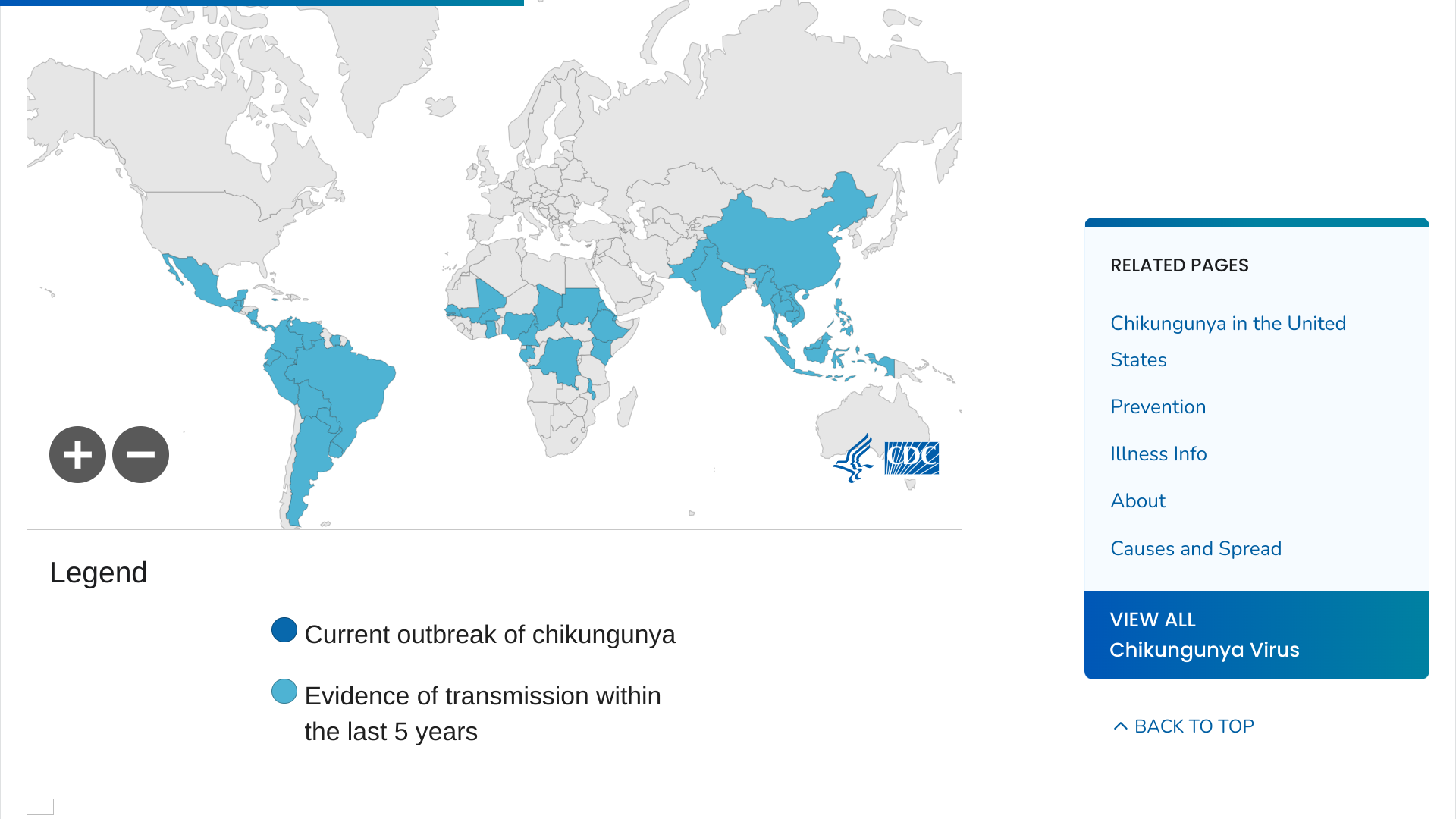
Over the past few decades, CHIKV has emerged in several previously non-endemic regions in Asia, Africa, southern Europe, and the Region of the Americas, often causing large, unpredictable outbreaks. 

As of August 8, 2024, the Pan American Health Organization (PAHO) reported over 371,167 CHIKV cases in the Americas this year. Between 2013 and 2023, the PAHO reported more than 3.7 million CHIKV cases in the Americas. 

The U.S. CDC reported from 2006 to 2023, 4,590 travel-related CHIKV cases were reported in the U.S., in areas such as Florida.

However, Locally acquired cases have not been reported in U.S. states or territories since 2019.

Vaccine Treats: 
Image: 
Image Caption: 
US CDC chikungunya case map August 2024
Live Blog Update Author: 
Location Tags: 
Include in VBT newsletter: 
herpes
Herpes zoster vaccine associated with reduced subjective cognitive decline