


Search API

0 min read

The Centers for Disease Control and Prevention (CDC) today issued a Health Alert Network Health Advisory (CDCHAN-00515) to notify clinicians and public health authorities of an increase in Oropouche virus disease cases confirmed in the Americas region.

The CDC issued this alert because the initial clinical presentation of the Oropouche virus may confuse providers as the symptoms are similar to those of dengue, Zika, and chikungunya.

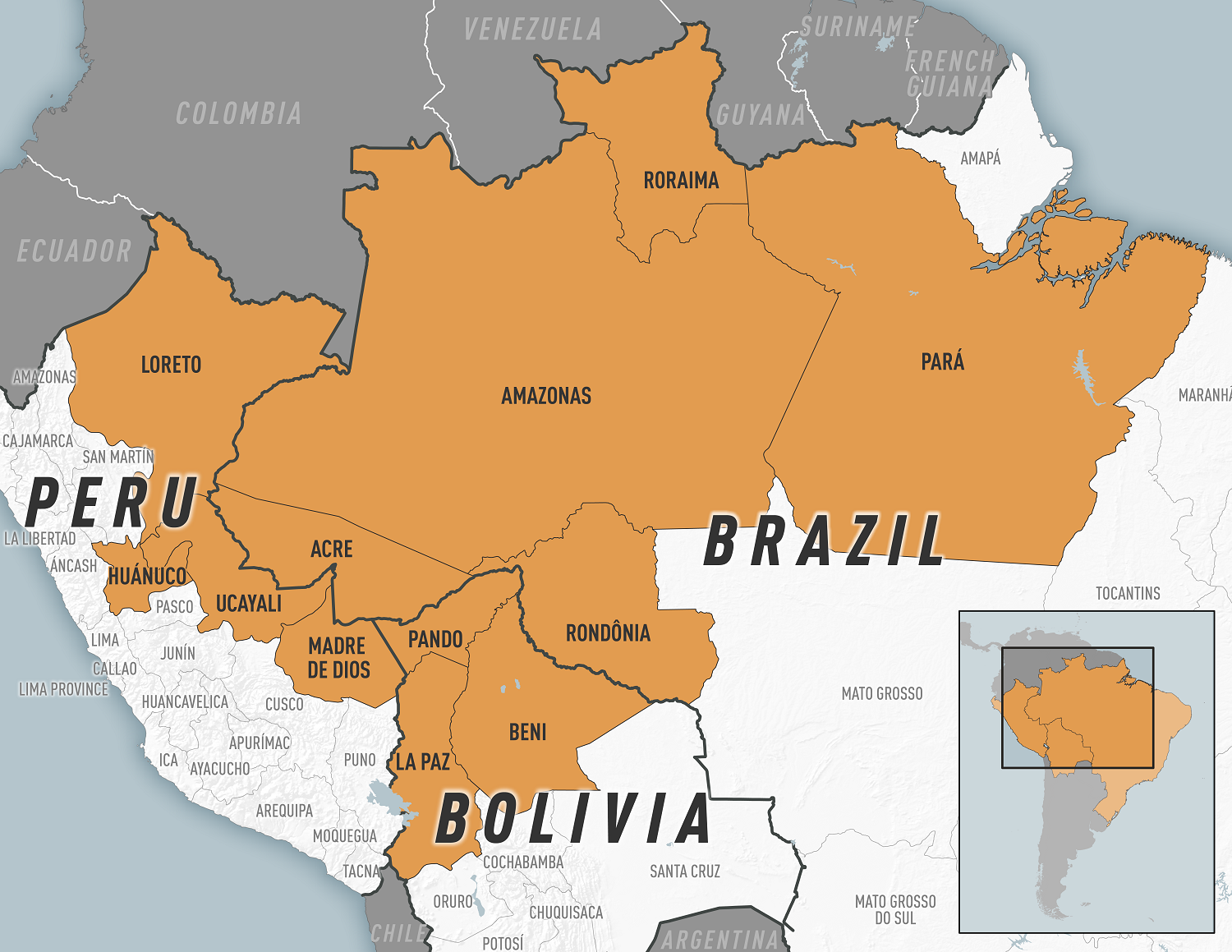
Between January and August 1, 2024, more than 8,000 cases of Oropouche virus disease were reported, including two deaths and five cases of vertical transmission associated with fetal death or congenital abnormalities.

These Oropouche cases originate from endemic areas in the Amazon basin and regions in South America and the Caribbean.

The virus was first detected in 1955 in Trinidad and Tobago and is endemic in the Amazon basin. 

As of August 16, 2024, Brazil, Bolivia, Peru, Colombia, and Cuba were among the countries reporting cases. As testing and surveillance for Oropouche virus disease increase in the Americas, reports of cases from additional countries are expected.

Throughout 2024, travel-associated cases have been identified in travelers returning to the United States and Europe from Cuba and Brazil.

This CDC Health Advisory offers advice on evaluating and testing travelers who have been in impacted areas with signs and symptoms consistent with Oropouche virus infection.

It also raises awareness of the possible risk of vertical transmission (e.g., from gestational parent to fetus during pregnancy) and associated adverse effects on pregnancy.

The CDC issued a Level 2 Travel Health Notice in August 2024, suggesting pregnant women reconsider non-essential travel to areas with Oropouche virus outbreaks, such as Brazil and Cuba.

The new alert also highlights prevention measures to mitigate the additional spread of the virus and potential importation into unaffected areas, including the U.S.

Oropouche virus belongs to the Simbu serogroup of the genus Orthobunyavirus in the Peribunyaviridae family.

According to the CDC, approximately 60% of people infected with the Oropouche virus become symptomatic. The incubation period is typically 3–10 days. Providers should contact state, tribal, local, or territorial health departments to facilitate diagnostic testing.

As of August 2024, there are no approved Oropouche vaccines available.

Vaccine Treats: 
Image: 
Image Caption: 
US CDC Travel Health Advisory August 16, 2024
Live Blog Update Author: 
Location Tags: 
Include in VBT newsletter: 
0 min read

According to local news reporting, an official with the health ministry said that Pakistanis traveling through Iran are being screened for dengue fever.

“Health stations have been established in Mirjaveh and Rimdan borders, in Sistan-Baluchestan Province, to screen Pakistanis to prevent the entry of travel-associated infectious diseases to the country,” ISNA quoted Jafar Miadfar, head of Iran’s Emergency Organization.

These travelers are checked for clinical symptoms such as fever, chills, low consciousness, and skin rashes. Also, needed laboratory tests are implemented, and infected individuals will be prevented from entering Iran, the official added.

The Tehran Times reported on August 16, 2024, that thanks to effective border control measures and quality healthcare, the number of people entering the country with dengue fever has significantly decreased compared to the previous months.

In Europe, Aedes albopictus mosquitos transmit the virus to people.

While dengue screening is a new aspect of international travel, it is related to the increasing number of confirmed cases in Europe.

Dengue epidemics were first reported in the Eastern Mediterranean Region in 1998.

On August 16, 2024, the European Centre for Disease Prevention and Control (ECDC) confirmed local autochthonous (local) dengue cases in Europe this year.

The first dengue case that presented symptoms was in June in France. Overall, France reported six locally acquired dengue cases in 2024.

Previously, the ECDC reported locally acquired dengue virus outbreaks in Italy, Spain, and Croatia, as well as in Djibouti, Egypt, Oman, Pakistan, Saudi Arabia, Somalia, Sudan, and Yemen.

As of August 2024, the World Health Organization (WHO) does not endorse dengue virus testing for international travelers.

However, the WHO does recommend dengue vaccination one month before visiting outbreak areas, such as the Region of the Americas.

Vaccine Treats: 
Image: 
Image Caption: 
from Pixabay
Live Blog Update Author: 
Location Tags: 
Include in VBT newsletter: 
dengue
Dengue vaccine access is limited in Texas
0 min read

The European Centre for Disease Prevention and Control (ECDC) today announced the likelihood of infection with mpox virus (MPXV) clade I for EU/EEA citizens traveling to or living in the affected areas and having close contact with affected communities is high, while the likelihood of infection is low when contacts with affected communities are avoided.

The severity of the mpox disease is expected to be low.

Overall, the ECDC's updated risk assessment for these populations is moderate and low, respectively.

“As a result of the rapid spread of this (mpox) outbreak in Africa, ECDC has increased the level of risk for the general population in the EU/EEA and travelers to affected areas. Due to the close links between Europe and Africa, we must be prepared for more imported clade I cases,” says Pamela Rendi-Wagner, Director of ECDC, in a press release.

As of August 16, 2024, the ECDC says to contain any possible clade 1 mpox outbreak in Europe, detecting cases and preventing secondary transmission is vital. This goal can be achieved through:

  • Providing advice to travelers to affected areas on national guidance for vaccination against mpox before traveling. In many countries, the JYNNEOS® (MVA-BN®) vaccine is available. And offering travel advice to people visiting or returning from African countries with confirmed MPXV clade I outbreaks.
  • Rapidly isolating suspected cases until proven negative and, if positive, until symptom resolution. And implementing contact tracing and testing close contacts of confirmed cases following ECDC testing protocols.
  • Continuing risk communication activities and working with civil society organizations to engage population groups at higher risk of infection.

On August 14, 2024, the WHO Director-General determined that the increase of mpox clade 1 virus cases in African countries constitutes a new public health emergency.

In the United States, no clade 1 mpox cases have been detected by the U.S. CDC, and the JYNNEOS vaccine remains available.

Vaccine Treats: 
Image: 
Image Caption: 
ECDC mpox case map August 16, 2024
Live Blog Update Author: 
Include in VBT newsletter: 
0 min read

 BioNTech SE today announced top-line results from a Phase 3 clinical trial evaluating a mRNA influenza and COVID-19 vaccine candidate in healthy adults.

The combination vaccine comprises Pfizer’s mRNA-based influenza vaccine candidate with the companies’ licensed COVID-19 vaccine.

The Phase 3 trial measured two primary immunogenicity objectives (immunogenicity against the SARS-CoV-2 coronavirus and immunogenicity against influenza A and B), of which one objective was met.

The companies are evaluating adjustments to the combination vaccine candidate to improve immune responses against influenza B and will discuss next steps with health authorities.

“We are dedicated to developing combination vaccines that provide broader protection against multiple respiratory diseases,” said Prof. Ugur Sahin, M.D., CEO and Co-founder of BioNTech, in a press release on August 16, 2024.

“The insights gained from this combination vaccine trial are highly valuable and will play a crucial role in guiding the further development of Pfizer’s and our combination vaccine program against influenza and COVID-19."

"We are committed to drawing on our experience in developing mRNA-based vaccine candidates against multiple antigens and believe we can successfully accomplish this task in collaboration with our partner Pfizer.”

As of August, updated influenza vaccines for the 2024-2025 flu season in the United States became available at pharmacies.

Vaccine Treats: 
Image: 
Image Caption: 
Pixabay 2024
Live Blog Update Author: 
Location Tags: 
Include in VBT newsletter: 
0 min read

The National Institute of Allergy and Infectious Diseases (NIAID) of the National Institutes of Health announced topline results from a preliminary PALM 007 phase 2 clinical trial analysis.

The NIAID reported on August 15, 2024, that the study did not meet its primary endpoint of a statistically significant improvement in time to lesion resolution within 28 days post-randomization for patients with mpox who were administered SIGA’s oral tecovirimat (TPOXX®) a highly targeted antiviral treatment, versus placebo.

However, a meaningful improvement was observed in patients receiving tecovirimat whose symptoms began seven days or fewer before randomization and those with severe or more significant disease.

This study's finding is essential given Africa's ongoing clade 1 mpox virus outbreak.

“These data showing maximum benefit in patients treated early and with severe disease are entirely consistent with the mechanism of action of tecovirimat and with the studies in animals that led to U.S. FDA approval of this medicine for smallpox..... We believe these data warrant further investigation and support our view that post-exposure prophylaxis will be vital for the treatment of severe cases of mpox and all cases of smallpox,” stated Dennis Hruby, Chief Scientific Officer, in a press release.

On July 22, 2024, the U.S. government exercised a procurement option to deliver approximately $113 million in TPOXX treatment courses. 

TPOXX is currently available in the U.S., United Kingdom, Canada, and Europe. 

Vaccine Treats: 
Image: 
Image Caption: 
by Gerd Altmann
Live Blog Update Author: 
Location Tags: 
Vaccine: 
Include in VBT newsletter: 
0 min read

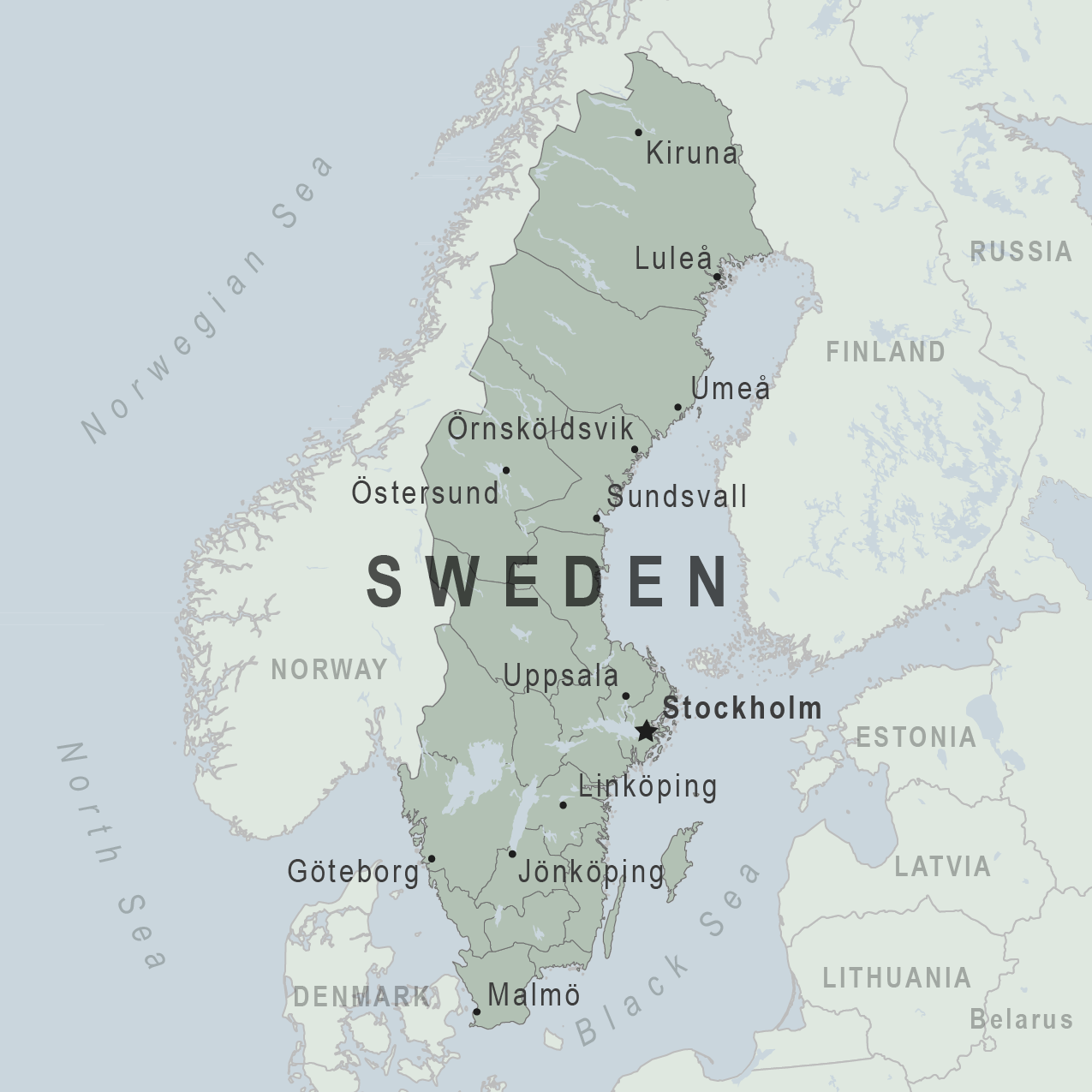
The Public Health Agency of Sweden today announced a person who sought care at Region Stockholm had been diagnosed with mpox caused by the clade I variant.

According to the agency, on August 15, 2024, this person received care and rules of conduct, says Magnus Gisslén, state epidemiologist at the Public Health Agency of Sweden, in a press release.

The agency says this is the first case caused by the sexually-transmitted clade I virus to be diagnosed outside the African continent. The person was infected during a recent stay in that part of Africa.

Recently, the World Health Organization declared the clade I mpox outbreak in the Democratic Republic of Congo and neighboring countries a public health emergency of international concern.

The fact that a patient with mpox is treated in the country does not affect the risk to the general population, a risk that the European Centre for Disease Prevention and Control currently considers very low. A new assessment is expected shortly.

However, occasional imported cases like the current one may continue to occur.

In the United States, the Clade 2 mpox outbreak began in May 2022 and has substantially diminished in 2024. However, the JYNNEOS smallpox / mpox vaccine continues to be available at specific clinics and pharmacies in the U.S.

Vaccine Treats: 
Image: 
Image Caption: 
US CDC
Live Blog Update Author: 
Location Tags: 
Include in VBT newsletter: 

Japanese Encephalitis Outbreaks

Japanese Encephalitis Outbreaks September 2025

According to the World Health Organization (WHO), the Japanese encephalitis virus (JEV) is a flavivirus transmitted by mosquitoes, often contracted from infected pigs and sheep. Humans are not a dead-end host in the transmission cycle, and there is no human-to-human transmission of JEV. As of August 2025, JEV is the leading cause of viral encephalitis in 24 countries in the WHO South-East Asia and Western Pacific/Oceania Regions, exposing more than 3 billion people to infection risks. In 2025, the WHO published a technical brief titled "Encephalitis: Global Threats, Trends, and Public Health Implications." Japanese encephalitis (JE) cases are collected annually through the WHO/UNICEF Joint Reporting Form on Immunization. JE infections cause approximately 13,600–20,400 deaths in people annually. JE survivors are estimated to live normally, but 49% of patients report neurological sequelae.

Japanese Encephalitis in the United States

JEV was confirmed in the United States in the 1980s when the exotic mosquito species and secondary JEV vector, Aedes albopictus, was introduced into the country. As of July 2025, the U.S. Centers for Disease Control and Prevention (CDC) identified countries reporting JEV cases. The CDC states that the risk for JE varies based on destination, accommodations, activities, trip duration, and travel season. A risk assessment conducted in 2019 examined the potential mechanisms of introducing JEV into the U.S. It concluded that an infected adult mosquito posed a high risk of introduction via passenger aircraft. Geographically, the risk of JE introduction into the U.S. may be highest in California due to the frequency of international arrivals (as of August 2024) from Asia (particularly in LA County) and the abundance of Culex vectors and avian hosts. In July 2005, one JE case was reported to LA County regarding a California resident who traveled to the Philippines. One Japanese encephalitis vaccine (IXIARO) is U.S. FDA-approved and recommended for travelers in 2025. 

Japanese Encephalitis in Australia

Australia's National Notifiable Disease Surveillance System dashboard has reported JEV cases from 2002 to 2025, with a peak of 41 cases in 2022. JE cases have been confirmed across Australia, including Queensland, New South Wales, South Australia, Victoria, the Australian Capital Territory, Tasmania, Western Australia, the Northern Territory, and parts of the Torres Strait region. Australia's government declared a JEV outbreak of National Significance in March 2022. In June 2023, the Joint National Japanese  Encephalitis Virus Outbreak Response Plan (JEV Outbreak Plan) became the first Australian Response Plan for Japanese Encephalitis.

As of August 2025, eight JE cases have been confirmed in Australia. On March 14, 2025, the fourth JE-related fatality was reported since the virus was first detected in NSW in 2022. On February 15, 2025, a man likely acquired his JE infection while camping in the Murrumbidgee region in NSW. In January 2025, NSW Health listed Tamworth, Gunnedah, Moree, Narrabri, Gwydir, Inverell, Liverpool Plains, Tenterfield, and Upper Hunter local government areas as "high JE concern." JE virus was previously detected in mosquitoes in December 2024 in the Griffith area and feral pigs in the Narromine Shire local government area. No confirmed human cases of JEV have been acquired in NSW since October 2022. Between 2021 and 2022, 13 JEV cases were reported in New South Wales

Queensland health authorities reported in March 2025 that JEV was detected for the first time in mosquitoes collected in Brisbane's eastern suburbs in Hemmant. In January 2025, Queensland recorded its first locally acquired human case of JEV since 2022. This person was likely infected in the Darling Downs region near Goondiwindi. The JEV vaccine is available at over 100 vaccination providers across Queensland.

On January 20, 2025, the Victoria Department of Health confirmed that a human case of JE had been identified in a resident of northern Victoria, marking the first case in the state. Residents and visitors to northern Victoria, particularly those in inland riverine regions and near the Murray River, are at a higher risk of infection and should take measures to prevent mosquito bites. In Victoria, the JE vaccine is free of charge for specific groups at higher risk of exposure to the virus.

QIMR Berghofer senior researchers reported in May 2024 that the new JEV virus strain (genotype 4) impact on the brain is consistent with the seven human fatalities during the 2022 outbreak, which involved 44 confirmed human cases across Victoria, New South Wales, South Australia, Northern Territory, and Queensland. he findings of the two studies (May 2024), taken together with the broad geographic spread of human infections and infected piggeries over a relatively short period, indicate that the 2022 JEV outbreak was more extensive than initially thought. The health department recommends JE vaccination for travelers spending one month or more in endemic areas in Asia and Papua New Guinea during the period of virus transmission. E vaccination is recommended for residents of the outer islands in the Torres Strait who live or work on the outer islands for 30 days or more during the wet season. People who are at ongoing risk of acquiring JE may need booster doses.

In December 2022, the U.S. CDC updated a Travel Health Advisory—Level 2, Practice Enhanced Precautions—regarding the JE outbreak in eastern and southeastern Australia.

Japanese Encephalitis in Canada

The Canadian government states that the risk of JEV for travelers is low, especially for those visiting urban areas. However, there is a higher risk of infection if they visit rural areas for extended periods and participate in outdoor activities.

Japanese Encephalitis in Europe

The European CDC published a study in 2023 that concluded that the environmental conditions in the European Union are expected to be suitable for the Japanese encephalitis virus to circulate.

Japanese Encephalitis in India

The first evidence of the JE virus's presence in India dates back to 1952, when the first case was reported. The first human JE case was reported in Vellore, Tamil Nadu. As of August 2025, JE remains a significant public health concern in India's various states, with over 468 cases and 56 related fatalities this year.

In June 2025, Assam, a northeastern state of India, had 32 patients admitted to the Gauhati Medical College and Hospital, with four confirmed deaths. According to data from the Integrated Disease Surveillance Programme, 1,548 JE cases were reported from 24 states and Union Territories in 2024, with about 925 JE cases detected in Assam alone. In 2023, 1,320 JE cases were reported, compared to 1,271 in 2022.

India's National Center for Vector-Borne Diseases Control (NCVBDC) confirmed in 2023 that adult JE vaccinations had started in 42 districts of three states with high JE incidence: Assam (9 districts), Uttar Pradesh (7 districts), and West Bengal (26 districts). In March 2025,  the Pune Municipal Corporation initiated a JE vaccination drive targeting 1,98,874 children aged 1 to 10 years across multiple city zones, with an overall goal of vaccinating 10.43 lakh children. 

Japanese Encephalitis in Indonesia

The U.S. CDC reports JE cases from many Indonesian islands, including Bali, Java, Kalimantan, Nusa Tenggara, Papua, and Sumatra. The WHO has actively supported Indonesia's Ministry of Health with interventions to control JEV infection, including preparations to introduce JEV vaccination in new endemic provinces, with a focus on West Kalimantan.

Japanese Encephalitis in Japan

The number of Japanese encephalitis cases in Japan decreased after the implementation of a national vaccination program. Sporadic JE cases are reported from all of Japan's islands except Hokkaido. As of 2022, only one case had been reported in Chiba and Ibaraki prefectures over the past 10 years, and both cases occurred in areas renowned for pig farming, far from Narita City. According to a study published in June 2025, three domestically infected JE cases occurred over the three consecutive years from a hospital in Narita, Chiba, where JE had not been reported in recent years.

Japanese Encephalitis in Papua New Guinea

The surveillance and detection of Japanese encephalitis in Papua New Guinea (PNG) have been confirmed. The U.S. CDC recommends considering JE vaccination for travelers spending less than a month in areas with Japanese encephalitis who will be engaging in activities that increase the risk of infection, such as visiting rural areas, hiking, camping, or staying in places without air conditioning, screens, or bed nets.

Japanese Encephalitis in the Philippines 

Human, animal, and mosquito studies indicate transmission in 32 provinces of the Philippines.

Japanese Encephalitis in Nepal

In Nepal, Japanese Encephalitis (JE) has been a significant public health concern since 1978, particularly in the Terai region, which borders India. About 12.5 million people in Nepal are at high risk of JE infection. In 2005, JE infections killed nearly 2,000 people in Nepal's Tarai region.

In 2025, Nepal's Health Ministry's data show 33 JE cases and three fatalities. The WHO indicated in August 2025 that Nepal's national JE vaccination coverage surpasses 95%. The WHO also provides technical assistance for field monitoring and reaching children. Who are unvaccinated

As of September 2024, twenty-nine districts in Nepal, including those in the Kathmandu Valley, have reported infections from the deadly vi. Meanwhile, eight districts —Kailali, Kapilvastu, Palpa, Chitwan, Rautahat, Sarlahi, Siraha, and Suns —have reported deaths from the infection. In 2024, 23 people died, and 80 others were infected with the JE virus.

Japanese Encephalitis in South Korea

The U.S. CDC says Japanese encephalitis was a significant public health concern in South Korea until the late 1960s, with several thousand cases reported annually. In 2024, the Korea Disease Control and Prevention Agency (KDCA) reported 21 locally transmitted cases of Japanese encephalitis. The KCDC reported that in 2018, JE surveillance data showed an average of 20 JE cases per year.

Japanese Encephalitis in Thailand

The highest number of disease cases has been reported in Thailand's Chiang Mai Valley. 

Japanese Encephalitis in Taiwan

In Taiwan (Republic of China), JE has been categorized as a mandatory notifiable infectious disease since 1955. This study confirmed cases of JE from the surveillance data of the Taiwan Centers for Disease Control (TCDC) between 2008 and 2020. As of July 2025, the TCDC confirmed six cases of Japanese encephalitis. In 2024, 25 JE cases were reported.

Japanese Encephalitis in the United Kingdom

In England, Wales, and Northern Ireland (EWNI), no cases of Japanese encephalitis were reported in 2024. The most recently reported case was in 2023. JE vaccine is available in the UK; however, it is only recommended for travellers at an increased risk of infection.

Murray Valley Encephalitis in Australia

As of March 2025, three cases of Murray Valley encephalitis had been reported in northern Western Australia, specifically in the Pilbara and Kimberley regions.

10 min read
Last Reviewed: 
Monday, September 15, 2025 - 09:40
Description: 
Japanese Encephalitis outbreaks continue in Australia, India, Japan, Nepal, and other countries in 2025
0 min read

According to a recent article published by npj vaccines, infection with high-risk human papillomavirus (HPV) is widely recognized as the primary cause of cervical and other malignant cancers.

While there are six licensed prophylactic vaccines against HPV, none of them show any significant therapeutic effect on pre-existing infections.

Thus, a prophylactic vaccine endowed with therapeutic activity would afford protection regardless of the vaccine recipient's HPV infection status.

The key to eliminating virus-infected cells lies in anti-early HPV-encoded proteins, particularly anti-E6 or anti-E7 T-cell responses. 

This article describes the refinement and further potentiation of a dual-purpose HPV nanoparticle vaccine (cPANHPVAX) relying on eight different HPV L2 peptide epitopes and the E7 oncoantigens from HPV16 and 18.

cPANHPVAX not only induces anti-HPV16 E7 cytotoxic T-cell responses in C57BL/6 mice, but also anti-HPV18 E7 T-cell responses in transgenic mice with the A2.DR1 haplotype.

These cytotoxic responses add to a potent, broad-coverage humoral (HPV-neutralizing) response.

cPANHPVAX safety was further improved by deleting the pRb-binding domains of E7.

These researchers wrote, 'this dual-purpose vaccine holds great potential for clinical translation as an immune-treatment capable of targeting active infections as well as established HPV-related malignancies, thus benefiting both uninfected and infected individuals.'

Zhao, X., Zhang, Y., Trejo-Cerro, O. et al. A safe and potentiated multi-type HPV L2-E7 nanoparticle vaccine with combined prophylactic and therapeutic activity. npj Vaccines 9, 119 (2024). https://doi.org/10.1038/s41541-024-00914-z. 

Vaccine Treats: 
Image: 
Image Caption: 
by Mircea Iancu
Live Blog Update Author: 
Include in VBT newsletter: 
0 min read

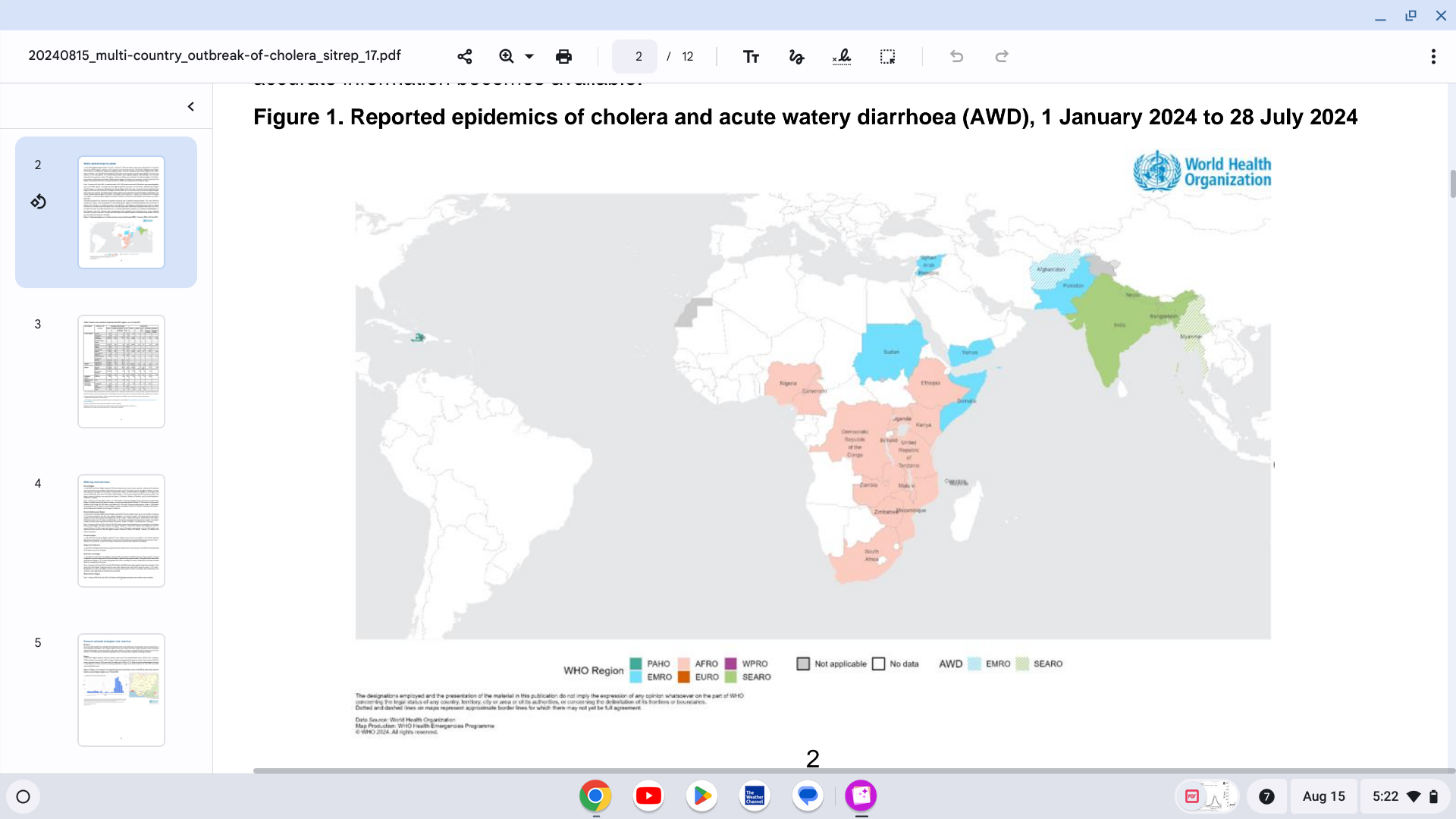
The World Health Organization (WHO) today announced an updated External Situation Report #17 on a multi-country outbreak of cholera.

Published on August 15, 2024, the global cholera response continues to be affected by a critical shortage of Oral Cholera Vaccines (OCV) as demand continues to outpace supply.

Since January 2023, 18 countries have requested 105 million doses, nearly double the 55 million doses produced in this period.

Furthermore, in January 2023, the WHO classified the global resurgence of cholera as a grade 3 emergency, the highest internal level for emergencies in WHO.

As of the end of July 2024, a cumulative total of 307,433 cholera cases and 2,326 deaths were reported from 26 countries across five WHO regions.

Based on the number of outbreaks and their geographic expansion, alongside the shortage of vaccines and other resources, WHO continues to assess the risk at the global level as very high, and the event remains classified as a grade 3 emergency.

As of August 2024, the WHO and other governments have authorized four OVCs.

For example, Valneva SE's DUKORAL® is an oral, inactivated vaccine for diarrhea prevention authorized in various countries.

DUKORAL contains four different inactivated strains of V. cholerae serotype O1 and part of a toxin from one of these strains as active substances. Valneva recently announced that DUKORAL®  sales totaled €14.9 million for the first half of 2024.

In the United States, cholera vaccines are in limited supply in 2024, but available at certain travel vaccine pharmacies.

Vaccine Treats: 
Image: 
Image Caption: 
WHO Cholera outbreak map 2024
Live Blog Update Author: 
Location Tags: 
Include in VBT newsletter: