Search API
Philippines-based My Med Rx Plus Corporation announced on April 12, 2021, it had placed orders for 1 million tablets of Favipiravir (Avigan) and 3 million tablets of Umifenovir (Arbidol) to secure supplies for hospitals and patients.
Avigan (Favipiravir) Tablet was approved for manufacture and sale in Japan in 2014 as an influenza antiviral medication.
Both influenza medications are approved by the Philippine Food and Drug Authority for use under a compassionate permit. These medicines are already being prescribed by doctors in hospitals in Metro Manila and provincial hospitals.
“This volume of medications can help at least 100,000 to 200,000 patients,” stated Jomerito Soliman, CEO of My Med RX, in a local media article.
My Med RX is a pharmaceutical company under the PureGroup of Companies.



Eli Lilly and Company announced on April 12, 2021, the company and the U.S. government have agreed to modify the purchase agreement of bamlanivimab alone and focus on future supplies of bamlanivimab and etesevimab together.
This action terminates the purchase agreement for bamlanivimab alone and cancels the remaining 350,856 doses scheduled to be delivered to the US government by the end of March 2021, stated Lilly's press release.
Additionally, the bamlanivimab and etesevimab agreement has been modified to enable the supply of etesevimab to complement doses of bamlanivimab the U.S. government already purchased.
Lilly's bamlanivimab was the first neutralizing monoclonal antibody to receive emergency use authorization from the U.S. Food and Drug Administration (FDA). Bamlanivimab is a recombinant, neutralizing human IgG1 monoclonal antibody (mAb) directed against the spike protein of SARS-CoV-2. It is designed to block viral attachment and entry into human cells, thus neutralizing the virus, potentially treating COVID-19.
Lilly subsequently developed bamlanivimab and etesevimab for administration together to meet the potential challenge of SARS-CoV-2 variants likely to resist treatment with either monoclonal antibody used alone.
Bamlanivimab and etesevimab together and bamlanivimab alone are authorized under an FDA Emergency Use Authorization only for the duration of the declaration that circumstances exist justifying the authorization of the emergency use under Section 564(b)(1) of the Act, 21 U.S.C § 360bbb-3(b)(1) unless the authorization is terminated or revoked sooner.
Indiana-based Lilly is a global health care leader that unites caring with discovery to create medicines that make life better for people worldwide.

Austria-based HOOKIPA Pharma Inc. announced on April 10, 2021, positive preliminary Phase 1 immunogenicity data for its immunotherapy candidates to treat advanced HPV16+ cancers.
The data demonstrated a robust increase in HPV16+-specific T cells, including up to 8% of circulating CD8+ T cells, after one dose of HB-201 or HB-202. And early data on HB-201 monotherapy show an increase in interferon-gamma and other immune stimulatory cytokines after a single dose, highlighting immune system activation.
Furthermore, late-breaking data presented at the AACR Annual Meeting reinforced promising anti-tumor activity reported in 2020 and underscore the potential of HOOKIPA’s novel arenavirus platform to deliver transformational cancer therapies.
“Treatment options are limited for people with metastatic HPV16+ cancers, and the likelihood for long-term survival is low,” stated Dmitriy Zamarin, M.D., Ph.D., Translational Research Director in Gynecologic Medical Oncology at Memorial Sloan Kettering Cancer Center and co-investigator in this study, in a press release.
“We don’t often see this robust and high-quality immune response, particularly in antigen-specific CD8+ T cells, from a single dose and without any combination therapy. I’m excited to see how these early immunogenicity data may translate to clinical outcomes in the future.”
The company stated 'these preliminary immunogenicity data reinforce the promising anti-tumor activity reported from this trial in December 2020 and are consistent with recently published preclinical data, which showed that intravenous HB-201 administration induced single-digit percentage of antigen-specific CD8+ T cells, while alternating administration of HB-201 and HB-202 induced a potent CD8+ T cell response, exceeding 50% of the circulating T cell pool.'
As the HB-201/HB-202 clinical trial is ongoing, HOOKIPA indicated it expects to present additional translational and clinical data at upcoming medical conferences in 2021.
HOOKIPA Pharma Inc. (HOOK) is a clinical-stage biopharmaceutical company developing a new class of immunotherapeutics based on its proprietary arenavirus platform reprograms the body’s immune system.

Saint-Herblain-based Valneva SE announced on April 12, 2021, that it had completed recruitment for the pivotal Phase 3 clinical trial of its single-shot chikungunya vaccine candidate, VLA1553.
A total of 4,131 adults aged 18 or above have been recruited across 44 sites in the USA for the VLA1553-301 trial, which was launched in September 2020. Participants will be followed for six months in the pivotal trial. If the trial results are positive, the trial is expected to support VLA1553’s licensure.
On April 1, 2021, Valneva also initiated an antibody persistence trial, VLA1553-303, that will follow the immunogenicity subset for a period of five years.
Currently, the U.S. FDA has not approved a Chikungunya vaccine. And, as of September 2020, there were more than 3 million reported cases in the Americas.
VLA1553 is a live-attenuated, single-dose vaccine candidate for protection against chikungunya disease. It has been designed by deleting a part of the chikungunya virus genome. To Valneva’s knowledge, VLA1553 is the only chikungunya vaccine candidate in Phase 3 clinical trials, and the Company believes that it is differentiated from other clinical-stage chikungunya vaccine candidates since VLA1553 is the only candidate that targets long-term protection with a single administration.
Juan Carlos Jaramillo, M.D., Chief Medical Officer of Valneva, commented in a press release, “We are extremely pleased to have reached this important milestone despite the ongoing COVID-19 pandemic affecting many people worldwide and creating challenges for recruitment into clinical trials. Chikungunya virus is a major, growing public health threat, and we are looking forward to our top-line data in mid-2021. We want to thank everyone involved, and we could not have achieved this important milestone without hard work and dedication”.
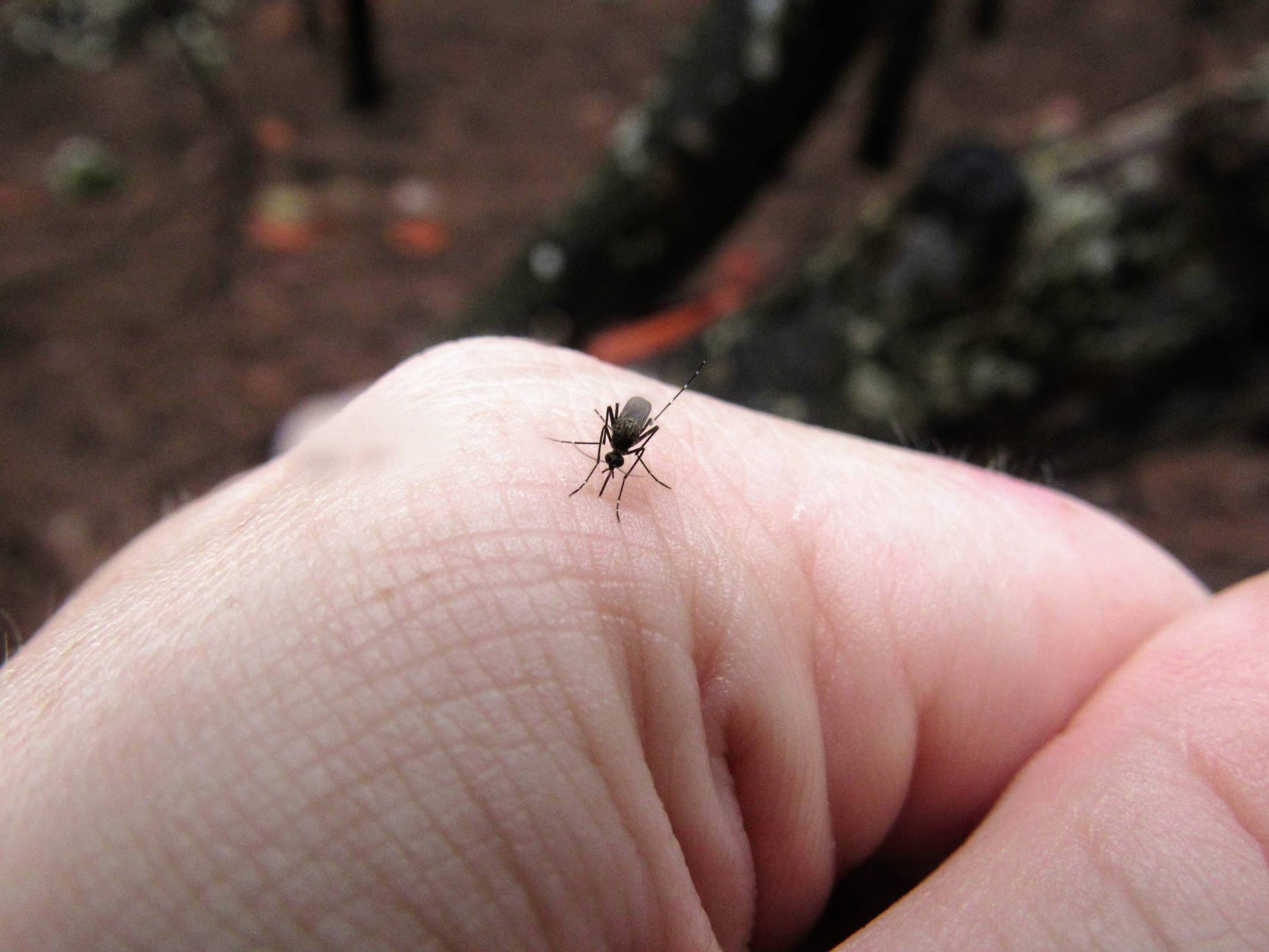
Chikungunya is a mosquito-borne viral disease caused by the chikungunya virus (CHIKV), transmitted by Aedes mosquitoes, says the U.S. CDC. An infection leads to symptomatic disease in 72-92% of humans after 4 to 7 days following the mosquito bite.
To make VLA1553 more accessible to Low and Middle-Income Countries (LMIC), Valneva and Instituto Butantan in Brazil signed an agreement for the development, manufacturing, and marketing of VLA1553.
Valneva SE is a specialty vaccine company focused on developing and commercializing prophylactic vaccines for infectious diseases with significant unmet medical need.
New York-based Regeneron Pharmaceuticals, Inc. announced today positive data from two clinical trials evaluating REGEN-COV™ (casirivimab with imdevimab).
The Phase 3 trial (2069B) of recently infected asymptomatic COVID-19 patients, evaluating REGEN-COV 1,200 mg administered via subcutaneous (SC) administration, reduced the overall risk of progressing to symptomatic COVID-19 by 31% (primary endpoint) and by 76% after the third day. The trial also demonstrated that REGEN-COV shortened symptom duration and markedly reduced viral levels.
The second Phase 3 trial was jointly run with the National Institute of Allergy and Infectious Diseases. The trial enrolled 204 individuals without any COVID-19 symptoms who tested positive for the SARS-CoV-2 coronavirus but did not have anti-virus antibodies at baseline and were randomized to receive either 1 dose of REGEN-COV (1,200 mg) or placebo.
"COVID-19 transmission often occurs via infected people who do not yet have symptoms, so it is critical that we rapidly diagnose and treat these individuals for their own health and to prevent transmission," commented Katharine Bar, M.D., co-principal investigator of the trial and Assistant Professor of Medicine, Infectious Diseases, Hospital of the University of Pennsylvania, in a press statement.
"These data pave the way for REGEN-COV to be used before patients become symptomatic, with a more convenient subcutaneous administration."
The trial met all primary and key secondary endpoints. In addition to reducing the risk of symptomatic infections, the total number of weeks patients experienced symptoms was nearly cut in half (45%) with REGEN-COV, and the viral burden was reduced by more than 90%.
While not included in the initial analysis plan, researchers also found that 0 REGEN-COV patients and 6 placebo patients were either hospitalized or visited the emergency room because of COVID-19 during the 29-day efficacy assessment period.
The data build on previously announced results from the Phase 3 outcomes (2067) and Phase 2 virology (20145) trials in non-hospitalized COVID-19 patients.
"These Phase 3 data provide even more evidence that REGEN-COV, this time given to asymptomatic patients via convenient injections, can change the course of COVID-19 infection in non-hospitalized patients," added George D. Yancopoulos, M.D., Ph.D., President, and Chief Scientific Officer at Regeneron.
Regeneron (NASDAQ: REGN) is a leading biotechnology company that invents life-transforming medicines for people with serious diseases.
The US Centers for Disease Control and Prevention (CDC) reissued its Level 4 Travel Alert for cruise ships, including those operating in The Bahamas.
The CDC stated on April 2, 2021, 'all people avoid travel on cruise ships, including river cruises, worldwide, because the risk of COVID-19 on cruise ships is very high. It is imperative that people with an increased risk of severe COVID-19 avoid travel on cruise ships.'
'Cruise passengers who decide to go on a cruise should get tested 3-5 days after your trip and stay home for seven days after travel. Even if you test negative, stay home for the full seven days.'
Additionally, the CDC's Level 3 Travel Alert says 'travelers should avoid all nonessential travel to the Bahamas. Because of the current situation in the Bahamas, even fully vaccinated travelers may be at risk for getting and spreading COVID-19 variants.'
If you do intend to visit The Bahamas, the CDC says, 'check with your healthcare provider at least one month before your trip to get travel vaccines or medicines you may need.'

The US Centers for Disease Control and Prevention (CDC) published Key Updates for Week #13, ending April 3, 2021, highlights 'Flu activity is unusually low at this time of year but may increase in the coming months.'
The CDC confirmed 1.0% of patient visits reported were due to Influenza-like-Illness (ILI). This ILI percentage is below the national baseline of 2.6%.
And the CDC reported the current hospitalization rate is much lower than average for this point in the annual flu season and lower than rates for any season since 2005.
Furthermore, only one influenza-associated pediatric death occurring during the 2020-2021 season has been reported to CDC. This data is far lower than most flu season, including last year when 198 influenza-associated pediatric deaths were confirmed.
The annual flu vaccine is the best way to protect against flu and its potentially serious complications. Influenza vaccines protect people against the viruses that research indicates are circulating during the flu season, says the CDC.
A list of 2020-2021 flu season vaccines is posted on this webpage. And to learn about the upcoming 2021-2022 flu season in the Southern and Northern Hemispheres, please visit this Precision Vaccinations webpage.

The Caribbean island of St. Vincent has experienced an "explosive volcanic eruption," according to an announcement by the University of the West Indies Seismic Research Centre (UWI-SRC) on April 9, 2021. The Alert Level remained at Orange, the second-highest level on a four-color scale by the UWI-SRC.
The island's largest volcano is La Soufrière, which began erupting in December 2020.
St. Vincent and the Grenadines have a population of about 10,000, mainly located in the capital city of Kingston. An estimated 16,000 residents live in the danger zone and will have to be removed.
'All residents are asked to act accordingly with immediate effect to ensure their safety and that of their families,' Tweeted St. Vincent and the Grenadines Prime Minister Ralph Gonsalves.
On April 8, 2021, Miami-based Royal Caribbean International and Celebrity Cruises announced they were 'Serenade of the Seas and Celebrity Cruises’ Celebrity Reflection to St. Vincent in the Caribbean to evacuate residents.' According to the statement, precautions would be taken 'to protect the health and safety of the crew and passengers who board our ships.'
Prime Minister Gonsalves is reported to announce those who wish to board a rescue ship will have to be vaccinated against COVID-19, reported NPR.
On April 7th, the WHO confirmed 24,000 doses of the AstraZeneca / Oxford COVID-19 vaccine, manufactured by SK Bioscience of South Korea, arrived today at the Argyle International Airport.
As of April 2, 2021, the U.S. CDC confirmed in a Level 4 Travel Alert that travelers should avoid all travel to Saint Vincent and the Grenadines.
'Because of the current pandemic situation in Saint Vincent and the Grenadines, even fully vaccinated travelers may be at risk for getting and spreading COVID-19 variants and should avoid all travel to Saint Vincent and the Grenadines.' says the CDC.