Search API
The European Council (EC) of the European Union (EU) announced on July 1, 2021, the EU digital COVID certificate is now active across Europe. The certificate is proof a person has been COVID-19 vaccinated, tested negative, or recovered from COVID-19.
The certificate is available in a national language and English. It consists of a QR code displayed on a digital device or printed and a digital signature, verified via EU Gateway.
It is free of charge and recognized in all 27 EU member states and Iceland, Liechtenstein, Norway, and Switzerland.
The digital COVID certificate alone is not a travel document. International travelers still need your passport or another form of identification. However, you don’t need to have the certificate to travel but having it should make traveling easier, says the EC.
The US Department of State says 'As a first step in planning any trip abroad, check the Travel Advisories for your intended destination. You can see the world at a glance on our color-coded map. And note that conditions can change rapidly in a country at any time.
To receive updated Travel Advisories and Alerts, choose the method that works best for you at travel.state.gov/stayingconnected.
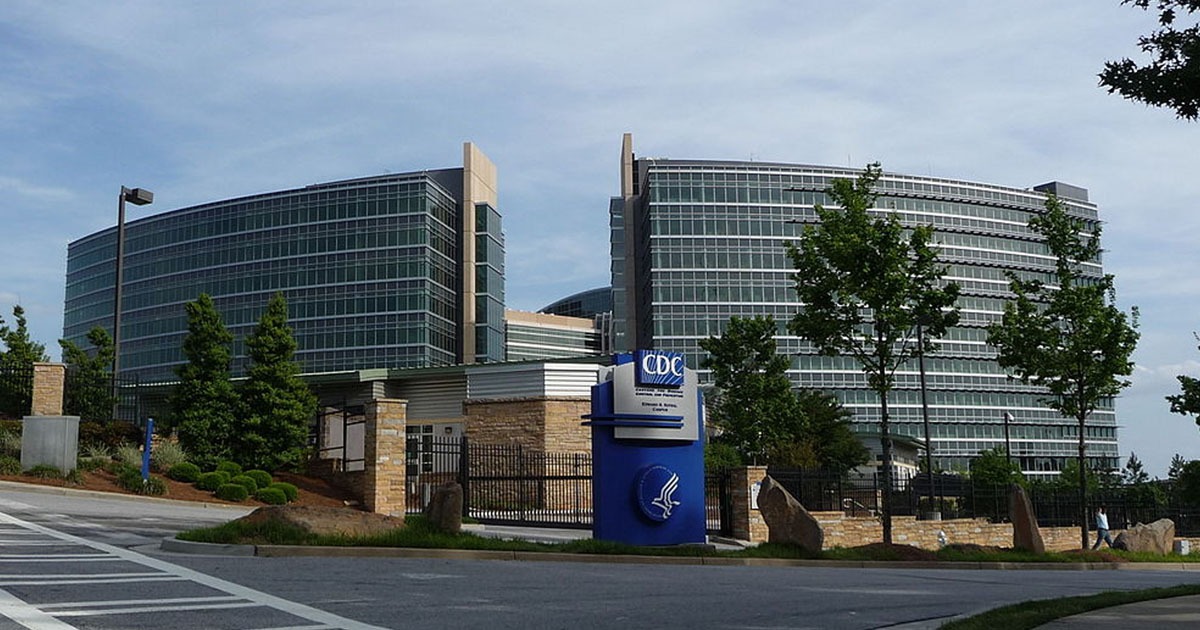
Furthermore, the U.S. CDC updated its COVID-19 Travel Recommendations by Destination on June 28, 2021.

The US Centers for Disease Control and Prevention (CDC) confirmed on July 2, 2021, one influenza-associated pediatric death occurred during the 2020-2021 flu season.
According to the CDC's FluView reporting system, this news is far less than last flu season when (198) influenza-associated pediatric deaths were confirmed.
Furthermore, FluView's data indicates that the currently-ending flu season recorded the lowest pediatric deaths in ten years.
As the 2021-2022 flu season approaches the Northern Hemisphere, pharmaceutical manufacturers have stated they intend to distribute about 193 million influenza vaccines in the USA beginning August 2021.
On June 24, 2021, the CDC's vaccine committee reviewed Influenza Vaccines Expected to be Available by Age Indication, United States, 2021–22 Influenza Season, which included 'Influenza Vaccine Contraindications and Precautions—Allergic Reactions to Influenza Vaccines or their Components.'
The most common flu shot in the Northern Hemisphere are quadrivalent vaccines that protect people against four viruses: influenza A (H1N1) virus, influenza A (H3N2) virus, and two influenza B viruses, said the CDC.
The CDC recommends flu shots each year for most people over 6-months of age.

UNICEF, Gavi, and the World Health Organization (WHO) announced on July 1, 2021, they have partnered with the Zimbabwe Ministry of Health and Child Care to launch a new vaccine campaign introducing typhoid conjugate vaccine (TCV) into the routine immunization schedule across the country.
The campaign has integrated TCV with the inactivated polio vaccine (IPV) and human papillomavirus (HPV) vaccination. After the initial campaign, TCV will be administered routinely to all children at 9 months of age to protect them from typhoid fever which has become endemic in Zimbabwe, with outbreaks continuing to affect communities, particularly children.
The TCV campaign, the first of its kind in the region, was made possible through funding from Gavi and the multi-donor Health Development Fund (HDF) supported by the European Union, the United Kingdom, Sweden, Irish Aid, and Gavi.
Zimbabwe is the third country to introduce the typhoid conjugate vaccine into the routine immunization program showing Zimbabwe’s leadership in Africa and globally.
In 2019 Pakistan introduced the vaccine into routine immunization schedules, and Liberia followed suit in April 2021. Both campaigns were funded by Gavi and supported by WHO.
“Before the discovery of antibiotics, typhoid would kill as many as one in five people who contracted it,” said Thabani Maphosa, Managing Director of Country Programmes at Gavi, in a press statement issued on July 1, 2021.
“The rise of extreme drug-resistant typhoid risks bringing us back to levels of mortality not seen since the 19th century, posing a risk to all of us. That’s why typhoid conjugate vaccine is so important and why the government of Zimbabwe deserves praise for introducing this lifesaver into its routine immunization program.”
Inadequate water sanitation and hygiene infrastructure and persistent water shortages, particularly in urban hotspots such as Harare, exacerbate the spread of typhoid. In addition, there has been an upsurge in antimicrobial resistance to Salmonella typhi, which makes it difficult and expensive to treat typhoid.
Funding from Gavi and HDF covered the procurement of vaccines, distribution, and installation of cold chain equipment to ensure that vaccines are kept under required storage conditions, UNICEF played an integral role in ensuring that caregivers and communities are aware of the benefits of vaccines.
UNICEF and partners are invested in the safety and wellbeing of women and children. The timely introduction of TCV is a giant step towards eliminating typhoid and other endemic diseases in the country. In addition, children aged 6 to 59 months received a vitamin A supplementation, says the WHO.

Seattle-based HDT Bio Corp. announced the U.S. FDA has reviewed the company’s Investigational New Drug Application and provided a notice to proceed with a Phase 1 clinical trial of its HDT-301 COVID-19 RNA vaccine.
HDT-301 is also designed to protect against variants of SARS-CoV-2, the beta coronavirus that causes COVID-19.
HDT Bio’s innovative vaccine uses a proprietary Lipid InOrganic Nanoparticle (LION) formulation to deliver immune-stimulating RNA fragments to targeted cells.
The vaccine is significantly different from current mRNA vaccines in two ways:
- First, its RNA payload is designed to amplify itself inside the body. As a result, the vaccine effectively activates the immune system at a much lower dose than current vaccines, enhancing safety and reducing manufacturing costs.
- Second, the RNA attaches to the outside of the LION system rather than becoming encapsulated within it, simplifying manufacture and enhancing stability.
The phase 1 trial will begin enrolling a total of 60 healthy volunteers in the coming month. It will evaluate the safety of two vaccine injections separated by 28 days at 1, 5, and 25 µg dose levels as a primary endpoint. Enrollment will be open to both unvaccinated and previously vaccinated individuals between 18 and 65 years of age. Additional metrics of this study include the magnitude and longevity of antibody and T-cell responses to the injections.
“Our company’s mission is to initiate value-sharing partnerships with drug developers around the world as part of our sustainable global health strategy, said HDT Bio’s CEO Steve Reed in a press statement issued on July 1, 2021.
HDT Bio has also developed HGCO19, a LION-based COVID-19 vaccine, in collaboration with Gennova Biopharmaceuticals of Pune, currently being tested in India in a Phase 1/2 clinical trial. The company also has collaborations underway with partners in China, Korea, Brazil, and Africa for its HDT-301 vaccine against COVID-19.
HDT-Bio also recently announced that the company was awarded a three-year, $2.9 million grant to develop an HIV-1 RNA vaccine with its LION delivery system.
HDT Bio is a Seattle, WA-based biopharmaceutical company dedicated to providing immunotherapies to people worldwide, including those in historically underserved areas.

On January 1, 2021, all hospitals were officially required to publish pricing information for all drugs and services to provide transparency to consumers. However, a recent GoodRx report finds hospitals charge higher prices for common generic drugs than pharmacies.
GoodRx's June 2021 report details prices for 16 hospitals’ chargemasters for 12 common drugs. Among GoodRx's key findings are hospital chargemasters price common generic medications as much as 6,000% higher than the average retail price at pharmacies nationwide.
For example, aspirin has an average retail price of $0.15 per tablet in pharmacies nationwide, meaning that a monthly supply would only cost consumers about $4.50. However, in hospitals, the average cash price in our sample is about $6.00 per tablet, costing as little as $0.17 to as much as $19 per tablet depending on the hospital, says GoodRx.
'Our research on hospital chargemaster data highlights how legislation aimed at benefiting patients is unfortunately rife with challenges and may only work to shed light on how outrageous hospital pricing can be,' confirmed GoodRx.

Wisconsin-based FluGen, Inc. announced that it had been awarded funding from the United States Department of Defense (DOD) to conduct a safety and immunogenicity study of M2SR, the Company's investigational, supra-seasonal, live, single-replication, intranasal influenza vaccine.
This study will evaluate a monovalent H3N2 flu vaccine candidate compared to a licensed quadrivalent vaccine that is considered the current standard of care for adults aged 65 and above.
The study is designed to measure a breadth of immune responses against both vaccine-matched and drifted influenza strains amongst study subjects who receive either vaccine alone, both vaccines administered simultaneously, or both given sequentially. And the study will also assess seroconversion and seroprotection to identify the number of subjects who respond with antibodies to drifted strains of the flu virus.
Paul Radspinner, President and CEO, FluGen, Inc., said in a press statement issued on July 1, 2021, "FluGen is committed to ensuring older adults are protected from the flu virus, and particularly drifted strains, and the current standard of care has not been shown to be widely effective in protecting this population from virus drift, particularly against H3N2."
"We believe M2SR has the potential to be a more effective vaccine option in older adults, as it induces a broad antibody response, including mucosal, humoral, and cellular immunity, even in the presence of pre-existing immunity to the flu. This represents a critical advancement in flu protection, and we look forward to initiating our study in the second quarter of 2022."
The M2SR vaccine candidate contains vaccine viruses with a deletion in a portion of the M2 gene. M2SR viruses can infect cells, express the entire spectrum of influenza RNA and proteins, yet cannot produce any infectious virus particles. Thus, the M2SR vaccines do not shed infectious viruses and do not cause any pathological signs of infection.
The study is supported by an $11.4 million grant from the DOD.
FluGen, Inc. is a clinical-stage vaccine company located in Madison, Wis., transforming vaccine efficacy in respiratory diseases.

The US Centers for Disease Control and Prevention (CDC) reported as of June 28, 2021, the Vaccine Adverse Event Reporting System (VAERS) had received 780 reports of myocarditis or pericarditis among people ages 30 and younger who received a COVID-19 vaccine.
Through follow-up, including medical record reviews, the CDC and U.S. FDA have confirmed 518 reports of myocarditis or pericarditis.
Most cases have been reported after mRNA COVID-19 vaccination (Pfizer-BioNTech or Moderna), particularly in male adolescents and young adults. However, an ongoing review of available clinical information, including death certificates, autopsy, and medical records, has not established a causal link to COVID-19 vaccines.
Reports of adverse events to VAERS following vaccination, including deaths, do not necessarily mean that a vaccine caused a health problem. The CDC stated it is investigating these reports to assess whether there is a relationship to COVID-19 vaccination.
Researchers from Maryland-based Sanaria Inc. and the U.S. National Institutes of Health (NIH) announced they are making progress in the development of highly protective malaria vaccines.
In an article published in the journal Nature on June 30, 2021, Sanaria’s PfSPZ-CVac (CQ) vaccine is reported as being safe and protecting 100% of six subjects against a variant malaria parasite three months after their last dose in the company’s Phase 1 safety and efficacy trial.
This is the first time complete protection against a variant malaria parasite has ever been achieved that long after vaccine administration.
The variant parasite used in the trial is a Brazilian malaria parasite genetically more variant from the African parasites in the vaccine than 700 malaria parasites from Africa. Protection was achieved at a dose that is 20% of the company’s first-generation malaria vaccine dosage.
The Nature paper also includes results of a second study using PfSPZ-CVac (PYR), which combines Sanaria’s PfSPZ with pyrimethine (PYR), a drug used for seasonal malaria prevention in African preschoolers.
This vaccine was well tolerated and protected 82% of the 17 subjects to whom it was administered from the Brazilian variant parasites or the African vaccine parasites three months after their last dose.
“We are encouraged by the significant findings reported in this seminal paper, which justify our investment in Sanaria and its systematic, scientifically sound approach to developing the highly protective, cost-effective vaccines required to eliminate malaria, a scourge of humanity, particularly for the most underserved on our planet,” said Holm Keller, Co-Managing Director, the EU Malaria Fund.
Sanaria® PfSPZ-CVac is a chemo-attenuated, live whole parasite vaccine in which an anti-malarial drug is co-administered with parasite cells (PfSPZ) to kill them before a clinical infection develops. In the trial reported in Nature, the anti-malarial was either chloroquine (CQ) or PYR, and efficacy was measured by controlled human malaria infection (CHMI).
In addition to exposure in natural settings in Africa, the company has relied on CHMI of vaccinated and unvaccinated adults to assess vaccine efficacy. This is a rigorous test of malaria vaccines that can be conducted with small numbers of trial participants since 100% of unvaccinated subjects develop malaria.
The clinical trial was sponsored by Sanaria Inc. and conducted by the LMIV, NIAID, and the NIH.

The World Health Organization (WHO) announced China had been awarded a malaria-free certification. China is the first country in the WHO Western Pacific Region to be awarded a malaria-free certification in more than 3 decades.
Other countries in this WHO region that have achieved this status include Australia (1981), Singapore (1982), and Brunei Darussalam (1987).
Globally, 40 countries and territories have been granted a malaria-free certification from WHO – including, most recently, El Salvador (2021), Algeria (2019), Argentina (2019), Paraguay (2018), and Uzbekistan (2018).
Dr. Takeshi Kasai, Regional Director, WHO Western Pacific Regional Office, stated in a press release issued on June 30, 2021, “China’s tireless effort to achieve this important milestone demonstrates how strong political commitment and strengthening national health systems can result in eliminating a disease that once was a major public health problem."
"China’s achievement takes us one step closer towards the vision of a malaria-free Western Pacific Region.”
Although progress has been made in the last 10 years toward developing malaria vaccines, there is currently no U.S. FDA licensed malaria vaccine.
More than a dozen malaria vaccine candidates are now in clinical development, and one, GSK Mosquirix RTS,S, has completed Phase III clinical testing.
Mosquirix RTS, S/AS01 is a recombinant vaccine candidate consisting of the P. falciparum circumsporozoite protein from the pre-erythrocytic stage. Mosquirix does not provide complete protection against malaria caused by P. falciparum. However, because of the vaccine's composition, it also protects against hepatitis B.
The Mosquirix vaccine was approved in Europe in July 2015, suggesting that it be used in Africa.

Immunicum AB announced on June 28, 2021, that it had received Advanced Therapy Medicinal Product (ATMP) classification from the European Medicines Agency (EMA) for the Company’s lead cancer relapse vaccine candidate, DCP-001.
The EMA and the Committee for Advanced Therapies have concluded that DCP-001 meets the ATMP classification criteria and classifies it as a somatic cell therapy medicinal product. The ATMP classification provides further guidance regarding the regulatory path forward for DCP-001.
DCP-001 is derived from Immunicum’s proprietary human DCOne cell line. It is currently being evaluated as a cancer relapse vaccine to prevent tumor recurrence in two ongoing clinical studies addressing acute myeloid leukemia and ovarian cancer.
DCP-001 is administered as an intradermal vaccine and has been shown to trigger systemic immune responses against different tumor-associated antigens, potentially contributing to the immune system’s control over the residual disease.
DCP-001 has been developed using Immunicum’s expertise in allogeneic dendritic cell biology, resulting in a highly immunogenic vaccine carrying multiple endogenous tumor-associated antigens, which have the potential to boost the immune system to control residual disease and prevent or reduce tumor recurrence. It has demonstrated an excellent safety profile in clinical studies. It is currently evaluated in an ongoing international Phase II clinical trial in acute myeloid leukemia patients and a Phase I clinical trial in patients with High-Grade Serous Ovarian Cancer.
Based in Sweden and the Netherlands, Immunicum is publicly traded on the Nasdaq Stockholm.