Search API
The US Centers for Disease Control and Prevention (CDC) issued an Order on August 2, 2021, under Sections 362 and 365 of the Public Health Service Act and associated implementing regulations that temporarily suspend the introduction of certain non-citizens into the USA.
Based on the Director’s determination that introduction of such non-citizens, regardless of their country of origin, migrating through Canada and Mexico into the USA creates a serious danger of the introduction of COVID-19 into the United States, and the danger is so increased by the introduction of such noncitizens that a temporary suspension is necessary to protect the public health.
However, unaccompanied non-citizen children, already excepted under a July 16, 2021 Order, remain excepted from the Order’s coverage.
The CDC is continuing to assess the impact of the COVID-19 pandemic at the U.S. borders and ports of entry, looking at the risks of transmission and spread of COVID-19 in congregate settings, such as U.S. Customs and Border Patrol stations, as well as the threat from emerging variants and the availability of testing, vaccination, and other mitigation measures stated the CDC press release.
As the COVID-19 pandemic evolves and our risk assessment changes, the CDC will reassess the existing Order.
This new Order was issued on August 2, 2021, and shall remain in effect until the CDC Director determines that the danger of further introduction of COVID-19 into the United States from covered noncitizens has ceased to be a serious danger to public health, and the Order is no longer necessary to protect the public health.
The Order replaces the October 13, 2020 Order previously issued under this authority.

Three anti-SARS-CoV-2 monoclonal antibody products currently have Emergency Use Authorizations (EUAs) from the Food and Drug Administration (FDA) for the treatment of mild to moderate COVID-19 in nonhospitalized patients with laboratory-confirmed SARS-CoV-2 virus infection who are at high risk for progressing to severe disease and/or hospitalization, reported the U.S. NIH on August 4, 2021.
'The strength of the evidence for using anti-SARS-CoV-2 monoclonal antibodies varies depending on the factors that place patients at high risk for progression to severe COVID-19 and/or hospitalization.'
These products are:
- REGEN-COV2 (Casirivimab plus imdevimab): These are recombinant human monoclonal antibodies that bind to non-overlapping epitopes of the spike protein RBD of SARS-CoV-2. The FDA also updated the EUA for casirivimab plus imdevimab as post-exposure prophylaxis for certain individuals at high risk of acquiring SARS-CoV-2 infection and, if infected, are at high risk of progressing to serious illness.
- Sotrovimab: This monoclonal antibody was originally identified in 2003 from a SARS-CoV survivor. It targets an epitope in the RBD of the spike protein that is conserved between SARS-CoV and SARS-CoV-2.
However, Bamlanivimab plus etesevimab are neutralizing monoclonal antibodies that bind to different but overlapping epitopes in the spike protein RBD of SARS-CoV-2. The distribution of bamlanivimab plus etesevimab was paused on June 25, 2021, because both the Gamma (P.1) and Beta (B.1.351) variants of concern are currently circulating in the United States have reduced susceptibility to bamlanivimab and etesevimab.
Furthermore, the issuance of a EUA does not constitute final FDA Approval.

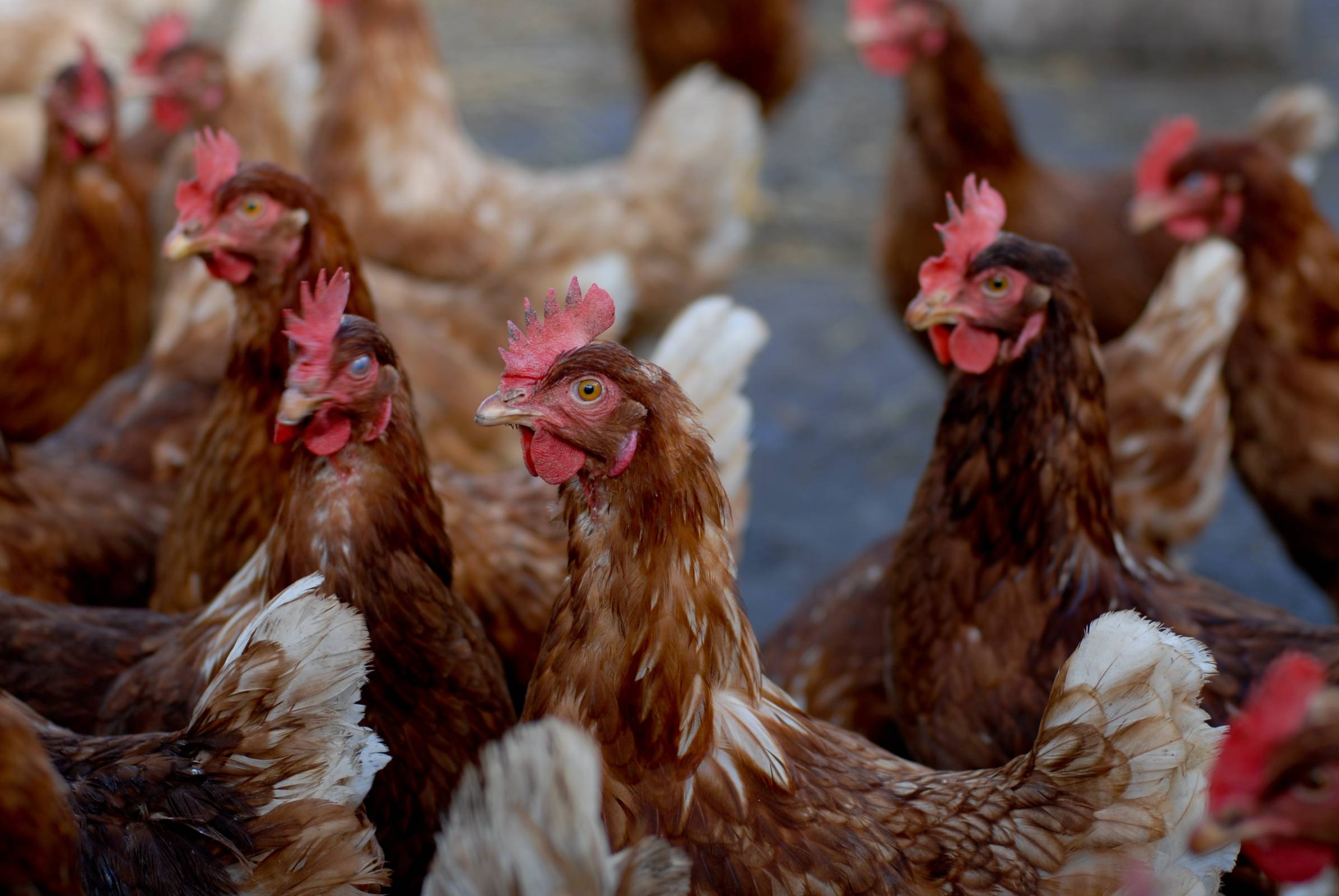
The Centre for Health Protection (CHP) of the Department of Health announced on August 6, 2021, it is closely monitoring two human cases of avian influenza A(H5N6) on the China Mainland. From 2014 to date, Mainland health authorities have reported 37 human cases of avian influenza A(H5N6).
"All novel influenza A infections, including H5N6, are notifiable infectious diseases in Hong Kong," a spokesman for the CHP stated in a news release.
The first case involves a 61-year-old woman living in Guilin in Guangxi who had prior exposure to a live poultry market before the onset of symptoms. She is in stable condition.
And the second case involves a 65-year-old woman living in Yibin City in Sichuan Province, who is in critical condition.
While local surveillance, prevention, and control measures are in place, the CHP will remain vigilant and work closely with the World Health Organization (WHO) and relevant health authorities to monitor the latest developments.
People can be infected with various influenza viruses circulating in animals, such as avian influenza (Bird Flu) virus subtypes A(H5N1) and A(H9N2) and swine influenza virus subtypes A(H1N1) and (H3N2), says the WHO.
However, travelers to the Mainland or other affected areas must avoid visiting wet markets, live poultry markets, or farms. And they should be alert to the presence of backyard poultry when visiting relatives and friends. They should also avoid purchasing live or freshly slaughtered poultry and avoid touching poultry/birds or their droppings. They should strictly observe personal and hand hygiene when visiting any place with live poultry.
Moreover, travelers returning from affected areas should consult a doctor promptly if influenza-like symptoms develop. This will enable the doctor to assess the possibility of avian influenza and arrange necessary investigations and appropriate treatment in a timely manner, says the CHP.
Even though Zoonotic influenza viruses are found in humans, these animal viruses are distinct from human influenza viruses. And the annual 'flu shot' does not prevent zoonotic influenza infections, says the U.S. CDC.
The CDC considers the risk to the U.S. public’s health from HPAI H5 or H7 virus outbreaks in wild birds or poultry in the United States to be low
Germany-based BioNTech SE announced today for the six months ended June 30, 2021, total revenues were estimated to be €7,356.9 million compared to €69.4 million for the comparative prior-year period.
The revenue expansion was mainly due to rapid increases in the supply of COVID-19 vaccines.
“We and our partner Pfizer have crossed the one billion mark for COVID-19 vaccine doses shipped worldwide. We are proud to have reached this great milestone after only six months and to have made a difference for people with our proprietary mRNA technology. To address the ongoing pandemic, we are expanding the supply of our COVID-19 vaccine to more than 100 countries and regions worldwide, including enhancing access to low- and middle-income countries,” said Ugur Sahin, M.D., CEO and Co-Founder of BioNTech, in a press statement.
As of July 21, 2021, BioNTech and New York-based Pfizer, Inc. have shipped approximately one billion doses of BNT162b2 (Comirnaty) to more than 100 countries or territories worldwide.
The companies have signed orders of more than 2.2 billion doses for delivery in 2021, as of July 21, 2021.
BioNTech and Pfizer expect BNT162b2 annual manufacturing capacity to reach three billion doses by the end of 2021 and expect to have the capacity to manufacture up to four billion vaccine doses in 2022.
To address SARS-CoV-2 coronavirus variants, BioNTech and Pfizer began a Phase 3 clinical trial in July 2021 to evaluate the safety, tolerability, and efficacy of a 30µg booster dose of BNT162b2 versus placebo in approximately 10,000 participants aged 16 years and older who have previously received two doses of BNT162b2 (Comirnaty) at least six months before randomization.
These phase 3 study participants will be followed for up to twelve months. The trial is being conducted in the United States, Brazil, and South Africa.
Biopharmaceutical New Technologies is a next-generation immunotherapy company pioneering novel therapies for cancer and other serious diseases. Based in Cambridge, MA, BioNTech US is a fully integrated subsidiary with a strong base in Europe, which focuses on the development of novel neoantigen-specific T-cell therapies and thus ideally complements BioNTech's highly innovative scientific approach and diversified pipeline of pioneering cancer therapies.

The U.S. CDC published an Interpretive Summary for August 6, 2021, confirming most U.S. states are experiencing substantial or high levels of community transmission of the SARS-CoV-2 beta coronavirus fueled by the spread of the highly contagious B.1.617.2 (Delta) variant.
A recent CDC study based on data from Kentucky supports previous findings that the Delta variant is highly contagious.
Furthermore, Delta contributes to an increase in COVID-19 cases, including those with severe outcomes and those due to vaccine breakthrough infections.
Nationally, the combined proportion of cases attributed to Delta is predicted to increase to 93%; Alpha (B.1.1.7) proportion is predicted to decrease to 2.9%; Gamma (P.1) proportion is predicted to decrease to 1.3%, and Beta (B.1.351) is predicted to be less than 0.1%.
While vaccinated people can still develop COVID-19, they are far less likely to get severely sick than unvaccinated people, says the CDC.
'Vaccination is the best tool we have for protecting ourselves and our loved ones against COVID-19.'
The three experimental COVID-19 vaccines Authorized for use by the U.S. FDA continue to protect against severe illness, hospitalizations, and death. To find a vaccine provider near you, visit Vaccines.gov or your state or local public health department website.
Note: The CDC’s national SARS-CoV-2 genomic surveillance program identifies and tracks SARS-CoV-2 variants circulating in the United States and the proportion of each variant causing infections by region. The thousands of sequences provided every week through CDC’s national genomic surveillance efforts fuel the comprehensive and population-based U.S. surveillance system required to monitor the spread of variants.

The World Health Organization (WHO) issued Influenza Update N° 399 on August 2, 2021, saying, 'Globally, despite continued or even increased testing for influenza in some countries, influenza activity remained at lower levels than expected for this time of the year.'
- In the temperate zones of the southern hemisphere, influenza activity remained at inter-seasonal levels.
- In the temperate zones of the northern hemisphere, influenza activity remained at inter-seasonal levels.
- In the Caribbean and Central American countries, there were no influenza detections reported.
- In tropical South America, no influenza detections were reported.
Furthermore, FluNet reported for the time period from July 5, 2021, to July 18, 2021, laboratories tested more than 134,485 specimens during that time period. Just 720 specimens were positive for influenza viruses, of which 258 (35.8%) were typed as influenza A and 462 (64.2%) as influenza B.
Of the subtyped influenza A viruses, 88 (37.8%) were influenza A(H1N1)pdm09, and 145 (62.2%) were influenza A(H3N2). Of the characterized B viruses, 0 (0%) belonged to the B/Yamagata lineage and 408 (100%) to the B/Victoria lineage.
The WHO says the 'current influenza surveillance data should be interpreted with caution as the ongoing COVID-19 pandemic has influenced to varying extents health-seeking behaviors. The various hygiene and physical distancing measures implemented by Member States to reduce SARS-CoV-2 coronavirus transmission have likely played a role in reducing influenza virus transmission.
This web page has an updated listing of U.S. FDA-approved influenza vaccines for the 2021-2022 flu season.

California-based Vaxcyte, Inc. announced an additional award of $3.2 million to advance the development of VAX-A1, a novel vaccine designed to prevent infections caused by Group A Streptococcus pyogenes (Strep) bacteria.
VAX-A1 is a conjugate vaccine candidate designed to confer broad protective immune responses against all subtypes of Group A Strep and be boostable to offer long-lasting protection from infection.
A central component of the vaccine is polyrhamnose, a conserved polysaccharide in the bacterial cell wall, genetically engineered by UC San Diego technology to eliminate an immune epitope implicated in the autoimmune cross-reaction of rheumatic heart disease.
The additional award builds on the CARB-X award of $2.7 million for the initial funding period, which was completed in December 2020. Upon achievement of future VAX-A1 development milestones, Vaxcyte is eligible to receive up to a total of $29.7 million in CARB-X funding, inclusive of grants to date.
“Without a vaccine to prevent Group A Strep, we continue to see a widespread disease that results in high rates of morbidity and mortality as well as antibiotic resistance globally,” said Jeff Fairman, Ph.D., Vice President of Research and Co-founder of Vaxcyte, in a press release.
“Our continued collaboration with CARB-X further supports the steps needed to advance VAX-A1, Vaxcyte’s investigational vaccine candidate to prevent infections caused by Group A Strep bacteria, into IND-enabling studies in the second half of 2021.”
Group A Strep is a pervasive disease that results in 700 million cases of illness each year and is one of the leading infectious disease-related causes of death and disability worldwide. The U.S. CDC estimates approximately 11,000 to 24,000 invasive group A strep disease cases occur each year in the USA.
And between 1,200 and 1,900 people die due to invasive group A strep disease annually.
Some of the most serious consequences of Group A Strep include flesh-eating disease (necrotizing fasciitis) and invasive diseases such as sepsis and rheumatic heart disease. However, the majority of Group A Strep cases are pharyngitis, commonly known as strep throat.
Pharyngitis is highly prevalent in school-age children and a significant source of antibiotic prescriptions.
Located in Foster City, CA, Vaxcyte is a next-generation vaccine company seeking to improve global health by developing superior and novel vaccines designed to prevent or treat some of the most common and deadly infectious diseases worldwide. The Company’s cell-free protein synthesis platform, comprising the XpressCFTM platform, exclusively licensed from Sutro Biopharma, Inc.
Note: CARB-X (Combating Antibiotic-Resistant Bacteria Biopharmaceutical Accelerator) is a global non-profit partnership dedicated to supporting the early development of antibacterial R&D to address the rising threat of drug-resistant bacteria.

Today, France-based Valneva SE's published positive topline results from the Phase 3 pivotal clinical trial of its chikungunya vaccine candidate, VLA1553. The trial, involving 4,115 adults across 44 sites in the USA, met its primary endpoint inducing protective Chikungunya neutralizing antibody titers in 98.5% of participants 28 days after receiving a single shot.
The seroprotection rate result of 98.5% exceeded the threshold agreed with the U.S. Food and Drug Administration (FDA). And the single-dose vaccine candidate was found highly immunogenic with a GMT of approximately 3,270, confirming the immunogenicity profile seen in the Phase 1 trial.
Additionally, VLA1553 was also highly immunogenic in elderly study participants.
And VLA1553 was generally well-tolerated among the trial subjects evaluated for safety.
An independent Data Safety Monitoring Board continuously monitored the study and identified no safety concerns. The safety profile is consistent with results from the Phase 1 clinical trial. The majority of solicited adverse events were mild or moderate and resolved within 3 days. However, 1.6% of study participants reported severe solicited adverse events, most commonly fever.
Approximately 50% of study participants experienced solicited systemic adverse events, most commonly headache, fatigue, and myalgia (seen in more than 20% of subjects).
The local tolerability profile showed that approximately 15% of participants experienced solicited local adverse events.
Juan Carlos Jaramillo, M.D, Chief Medical Officer of Valneva, commented in a press release, “These first-ever Phase 3 trial results for a chikungunya vaccine mean that we are a step closer to addressing this major, growing and unmet public health threat."
"We will continue to work with regulators to bring VLA1553 to market as soon as possible.”
The trial will continue towards the final analysis, including the 6-month safety data expected within the next six months. The sponsor of the first chikungunya vaccine approved in the U.S. will be eligible to receive a Priority Review Voucher.
The FDA awarded the VLA1553 program Breakthrough Therapy Designation in July 2021. This new milestone came in addition to the FDA Fast Track designation and the European Medicines Agency’s PRIME designation, which the Company received in December 2018 and in October 2020, respectively.
Chikungunya is a mosquito-borne viral disease caused by the chikungunya virus (CHIKV), a Togaviridae virus transmitted by Aedes mosquitoes. The infection leads to symptomatic disease in 72-92% of humans after 4 to 7 days following the mosquito bite. While mortality with CHIKV is low, morbidity is high, says the U.S. CDC. The chikungunya virus has spread to more than 100 countries.
As of July 27, 2021, the CDC reported five chikungunya virus disease cases during 2021.
To make VLA1553 more accessible to Low and Middle-Income Countries, Valneva and Instituto Butantan in Brazil signed an agreement for the development, manufacturing, and marketing of VLA1553. The collaboration falls within the framework of the funding agreement between Valneva and the Coalition for Epidemic Preparedness Innovations signed in July 2019, which provides funding of up to $23.4 million with support from the European Union’s Horizon 2020 program.
Located in Saint Herblain, France, Valneva is a specialty vaccine company focused on developing and commercializing prophylactic vaccines for infectious diseases with significant unmet medical need.

CNBC reported late on August 4, 2021, that the Rhode Island-based pharmacy and health clinic chain CVS Health confirmed it changed its COVID-19 vaccine offering.
CVS Health confirmed it would discontinue offering the Johnson & Johnson COVID-19 Vaccine Janssen in its USA-based pharmacies. However, the single-dose COVID-19 Vaccine Janssen vaccines will be at its retail MinuteClinics locations, the company told CNBC.
An online listing on MinuteClinics is available at this CVS.com weblink.
The U.S. CDC reported on August 3, 2021, about 13 million doses of the COVID-19 Vaccine Janssen have been administered in the USA during 2021.
This COVID-19 vaccine includes the following ingredients: recombinant, replication-incompetent adenovirus type 26 expressing the SARS-CoV-2 spike protein, citric acid monohydrate, trisodium citrate dihydrate, ethanol, 2-hydroxypropyl-β-cyclodextrin, polysorbate-80, sodium chloride.
According to CVS Health's website, 'At this time, our CVS Pharmacy locations that are currently offering the COVID-19 vaccine have either the (mRNA) based Moderna (SpikeVax) and Pfizer vaccines, or the Johnson & Johnson (Janssen) vaccine – not more than one type at this time. Patients can see which CVS Pharmacy location has which vaccine and appointment availability on CVS.com before scheduling, which is recommended especially when looking for an appointment for children ages 12–15 that require the Pfizer vaccine.'
'Our online scheduling tool will only display appointments at locations that have the Pfizer-BioNTech (Comirnaty) vaccine once the patient’s age is provided.'
On August 4, 2021, CVS Health announced its current financial results. The company administered nearly 17 million COVID-19 vaccines nationwide in the second quarter of 2021.
Woonsocket-based CVS Health is a leading health solutions company, delivering care in ways no one else can. 'We reach more people and improve the health of communities across America through our local presence, digital channels, and our nearly 300,000 dedicated colleagues – including more than 40,000 physicians, pharmacists, nurses, and nurse practitioners,' says the company.
Note: The U.S. Food and Drug Administration published updated information on August 2, 2021, regarding the COVID-19 Vaccine Janssen. There is no FDA-Approved vaccine to prevent COVID-19. The FDA has authorized the emergency use of the Janssen COVID-19 Vaccine to prevent COVID-19 in individuals 18 years of age and older under an Emergency Use Authorization (EUA). And, the European Medicines Agency's current information is found at this weblink.

Pennsylvania-based INOVIO announced today that the company had dosed the first Phase 2 trial subject in its quest to develop the first vaccine against the Middle East Respiratory Syndrome (MERS).
INOVIO designed its DNA vaccine candidate INO-4700 to prevent MERS, a disease in the coronavirus family for which there are no U.S. FDA-Approved vaccines.
The multi-center Phase 2 trial is a randomized, double-blinded, placebo-controlled study designed to evaluate the safety, tolerability, and immunogenicity of INO-4700 administered with INOVIO's smart device, the CELLECTRA® 2000, in approximately 500 healthy adult volunteers.
The study is sponsored by INOVIO and fully funded by the Coalition for Epidemic Preparedness Innovations (CEPI), is being conducted at sites in Jordan and Lebanon where MERS cases have been reported.
This trial builds on the positive results of the Phase 1 trial, published in a peer-reviewed article in The Lancet Infectious Diseases. Study results found high levels of binding antibodies in 92% of evaluated subjects. In addition, significant antigen-specific cytotoxic T-lymphocyte (CTL) responses were also observed.
Importantly, 98% of vaccinated subjects generated an antibody and/or T cell response against the MERS vaccine.
Dr. J. Joseph Kim, President and CEO of INOVIO, said in a press statement, "This advancement not only complements our late-stage efforts with COVID-19, but it also represents an important milestone for INOVIO's infectious disease platform."
"We look forward to continuing our collaboration with CEPI and moving another step closer to providing patients with a safe and effective preventive vaccine against MERS."
INOVIO and CEPI stated they plan to make a stockpile of these vaccines available for emergency use as soon as possible following Phase 2 testing.
Since the MERS virus was first identified in Saudi Arabia in 2012, more than 2,580 cases of MERS-CoV have been detected in 27 countries, reported the ECDC in July 2021.
MERS causes a rapidly progressive respiratory illness that may require intensive care treatment and mechanical ventilation in many patients, says the U.S. CDC. The source of the virus remains unknown, but the pattern of transmission and virological studies point toward dromedary camels in the Middle East as a reservoir from which humans sporadically become infected through zoonotic transmission.
In addition, human-to-human transmission of MERS is amplified among household contacts and in healthcare settings.
INOVIO's pursuit of a MERS vaccine is funded by a previously announced $56 million grant from CEPI. INOVIO is advancing two vaccine candidates through Phase 2 field trials against MERS and Lassa fever, respectively.
INOVIO has 15 DNA medicine clinical programs currently in development, including coronaviruses associated with MERS and COVID-19 diseases being developed under grants from the Coalition for Epidemic Preparedness Innovations and the U.S. Department of Defense.
Note: DNA medicines are composed of optimized DNA plasmids, which are small circles of double-stranded DNA synthesized or reorganized by a computer sequencing technology and designed to produce a specific immune response in the body.