Search API
Vaxcyte, Inc. today announced positive results from the VAX-24 Phase 2 study in adults aged 65 and older, as well as data from the full six-month safety assessment and prespecified pooled immunogenicity analyses from both the Phase 2 study in adults aged 65 and older and the prior Phase 1/2 study in adults aged 18-64.
VAX-24, the Company's lead, broad-spectrum 24-valent pneumococcal conjugate vaccine (PCV) candidate, is being studied to prevent invasive pneumococcal disease (IPD).
The Company says, 'The public health community continues to affirm the need for vaccines that offer broader protection to prevent IPD.'
"Based on the overall strength of our data and the well-established regulatory pathway, we look forward to meeting with regulators and advancing VAX-24 into a pivotal Phase 3 study for which we expect topline data in 2025," said Grant Pickering, Chief Executive Officer and Co-Founder of Vaxcyte, in a press release on April 17, 2023.
"We developed VAX-24 to create a best-in-class PCV that provides broader coverage and better immune responses than standard-of-care vaccines."
"These data support that objective and demonstrate the potential of our PCV franchise, including VAX-31, our 31-valent PCV candidate."
In the Phase 2 study in adults aged 65 and older, VAX-24 demonstrated robust OPA immune responses for all 24 serotypes at all doses studied, confirming the prior adult study results.
The VAX-24 2.2mcg dose, which Vaxcyte plans to advance to Phase 3, showed an overall improvement in immune responses vs. PCV20 relative to the results from the prior Phase 2 study in adults aged 50-64.
And the six-month safety data from both studies showed safety and tolerability results for VAX-24 similar to PCV20 at all doses studied.
The unedited announcement is posted at this link.
Other pneumococcal (PCV13, PCV15, PCV20, PCV24) vaccine news is posted at Precision Vaccinations.

Gilead Sciences, Inc. today announced positive results from several COVID-19 clinical and real-world evidence studies being presented at the 33rd European Congress of Clinical Microbiology & Infectious Diseases.
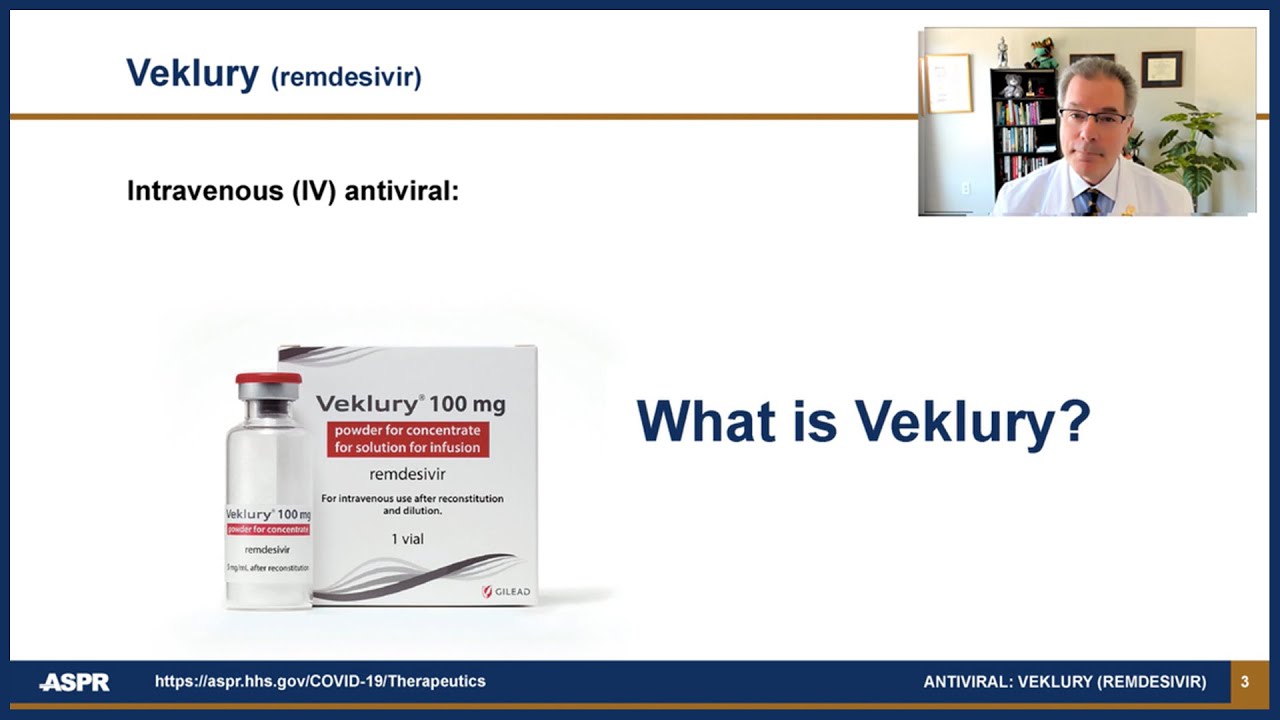
For example, a Phase 3 clinical study demonstrated that Veklury® (remdesivir) was generally well tolerated in people with moderate to severe renal impairment.
Additional data includes a retrospective real-world study that demonstrated that Veklury treatment is associated with a lower risk of death from COVID-19 for people with cancer.
A separate real-world analysis demonstrated that Veklury is also associated with reduced hospital readmission risk in immunocompromised patients hospitalized with COVID-19.
"The breadth of clinical and real-world evidence data presented at ECCMID further support the strong efficacy and safety profile of Veklury," said Frank Duff, MD, Senior Vice President, Virology Therapeutic Area Head, Gilead Sciences, in a press release on April 16, 2023.
"Since the beginning of the (COVID-19) pandemic, Veklury has played a critical role in the treatment of hospitalized patients with COVID-19."
"The real-world data further demonstrates its role in reducing mortality and hospital readmission rates in vulnerable patient populations, including people living with cancer and other immunosuppressed conditions."
Additionally, results from a Phase 1 clinical study evaluating the safety, tolerability, and pharmacokinetics of obeldesivir, previously known as GS-5245, a novel investigational oral compound developed by Gilead for the treatment of SARS-CoV-2 infection, showed obeldesivir reaches expected therapeutic plasma concentrations for the treatment of COVID-19.
Moderna, Inc. and Merck today announced the first presentation of detailed results from the Phase 2b clinical trial evaluating mRNA-4157 (V940).
In the overall intention-to-treat population, adjuvant treatment with mRNA-4157 in combination with KEYTRUDA demonstrated a statistically significant and clinically meaningful improvement in recurrence-free survival (RFS) and reduced the risk of recurrence or death by 44% (HR=0.56 [95% CI, 0.309-1.017]; one-sided p value=0.0266) compared with KEYTRUDA alone.
Dr. Kyle Holen, M.D. Moderna's Senior Vice President and Head of Development, Therapeutics, and Oncology commented in a press release on April 16, 2023, "The profound observed reduction in the risk of recurrence-free survival suggests this combination may be a novel means of potentially extending the lives of patients with high-risk melanoma."
"We look forward to starting the Phase 3 melanoma trial soon and expanding testing to lung cancer and beyond."
mRNA-4157 is a novel investigational mRNA-based individualized neoantigen therapy consisting of a single synthetic mRNA coding for up to 34 neoantigens that is designed and produced based on the unique mutational signature of the DNA sequence of the patient's tumor.
Individualized neoantigen therapies prime the immune system so patients can generate a tailored antitumor response specific to their tumor mutation signature.

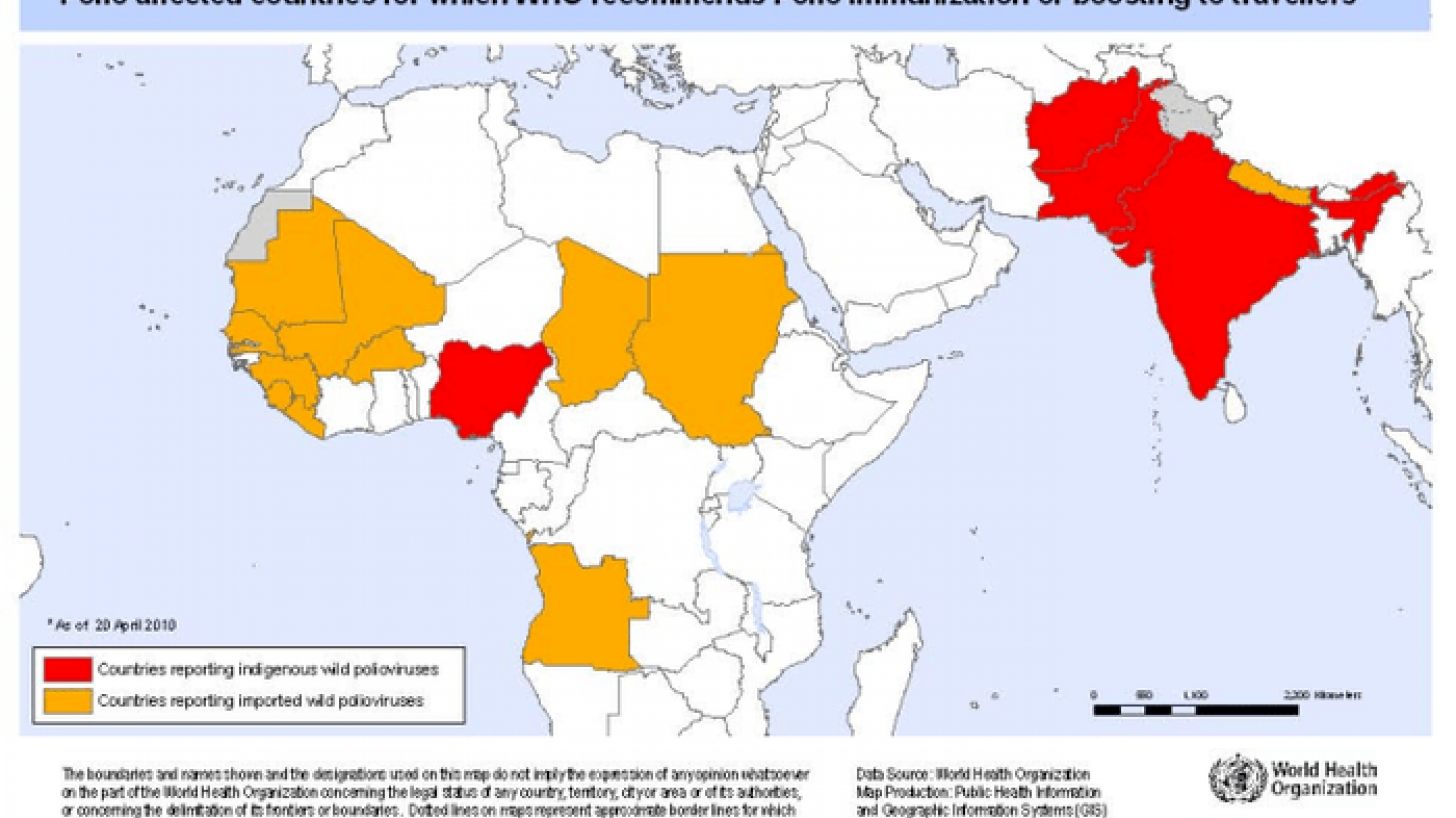
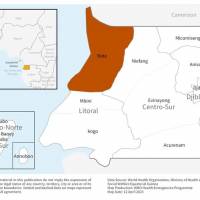
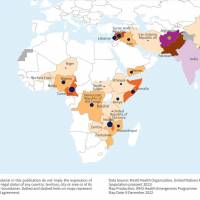
The Global Polio Eradication Initiative recently announced two African countries reported new polio cases involving vaccine-derived types.
As of April 11, 2023, the Democratic Republic of the Congo reported six circulating vaccine-derived poliovirus type 2 (cVDPV2) cases from the Kasai Oriental, Haut Katanga, and Tshopo provinces. During 2023, there have been 14 cases.
And in Benin, a second cVDPV2 case was confirmed in 2023.
Additionally, Burundi reported three cVDPV2-positive environmental samples, and Somalia confirmed one sample last week.
Previously, the World Health Organization (WHO) confirmed the spread of poliovirus remained a Public Health Emergency of International Concern.
Therefore, the WHO's International Travel and Health recommends travelers to polio-affected areas be fully vaccinated against polio.
Various polio vaccines are listed at Vax-Before-Travel.
A meeting of the U.S. FDA's Peripheral and Central Nervous System Drugs Advisory Committee is scheduled for June 9, 2023.
This FDA Committee's digital presentation will discuss the supplemental biologics license application for LEQEMBI™ (lecanemab) solution for intravenous infusion, submitted by Eisai, Inc., for treating early Alzheimer's disease (AD).
The Committee will discuss the confirmatory study, BAN2401-G000-301, conducted to fulfill post-marketing requirement 4384-1, detailed on January 6, 2023, FDA approval letter.
Confirmatory studies verify and describe a product's clinical benefit after receiving an FDA accelerated approval. Accordingly, its application was granted Priority Review, with a Prescription Drug User Fee Act action date of July 6, 2023.
LEQEMBI is a humanized immunoglobulin gamma 1 monoclonal antibody, not a preventive vaccine.
As of April 15, 2023, the FDA has not approved any Alzheimer's vaccine candidate.
FDA advisory committees provide independent expert advice on topics or specific products to help the agency make sound decisions based on the available science. Advisory committees make non-binding recommendations.
The FDA generally follows these recommendations but is not legally bound to do so.

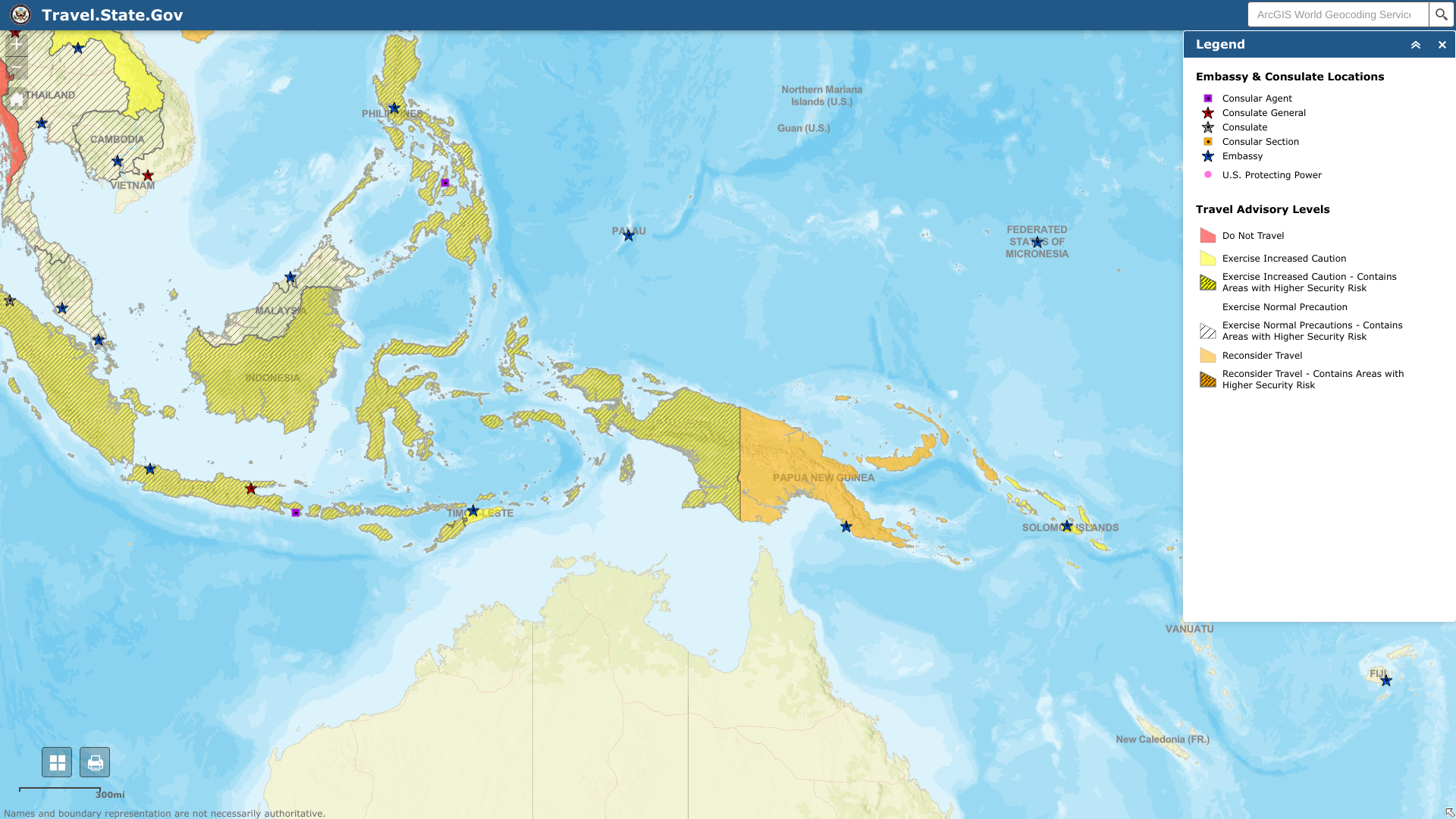
The U.S. Department of State reissued its Level 3: Reconsider Travel for the Independent State of Papua New Guinea.
On April 11, 2023, the State Department announced travelers should reconsider visiting Papua New Guinea due to crime, civil unrest, and piracy.
U.S. government employees must obtain authorization before traveling to areas of concern, including the southern part of Bougainville and the provinces of Southern Highlands, Western Highlands (excluding Mt. Hagen), Eastern Highlands (excluding Goroka), Hela, Enga, Jiwaka, and other areas of Papua New Guinea where one is unable to fly directly.
Additionally, the Travel Advisory says 'do not travel' to:
- Southern Bougainville, particularly areas near the Panguna mine.
- The Highlands region, other than the towns of Mt. Hagen and Goroka.
And there have been reports of criminals attacking resorts popular with foreign tourists to steal goods and money. And police presence is limited outside of the capital, Port Moresby.
Furthermore, piracy is active in the waters surrounding Papua New Guinea, located in the eastern area of New Guinea, the world's second-largest island. The western half of the island is part of Indonesia.
Travelers by boat should reconsider travel to the Bismarck and Solomon Seas along Papua New Guinea's north and eastern coasts. In 2021 and 2022, the Embassy was aware of at least three occasions in which sailboats operated by or carrying U.S. citizens were boarded by criminals and, in one incident, severely injured the captain.
From a health perspective, the U.S. CDC suggests various travel vaccines before visiting Papua New Guinea.
The Weekly Influenza Surveillance Report #14, published today by the U.S. Centers for Disease Control and Prevention (CDC), indicates good news for the USA.
As of April 14, 2023, the CDC says seasonal influenza activity remains low nationally, with eight of 10 regions below their respective baselines.
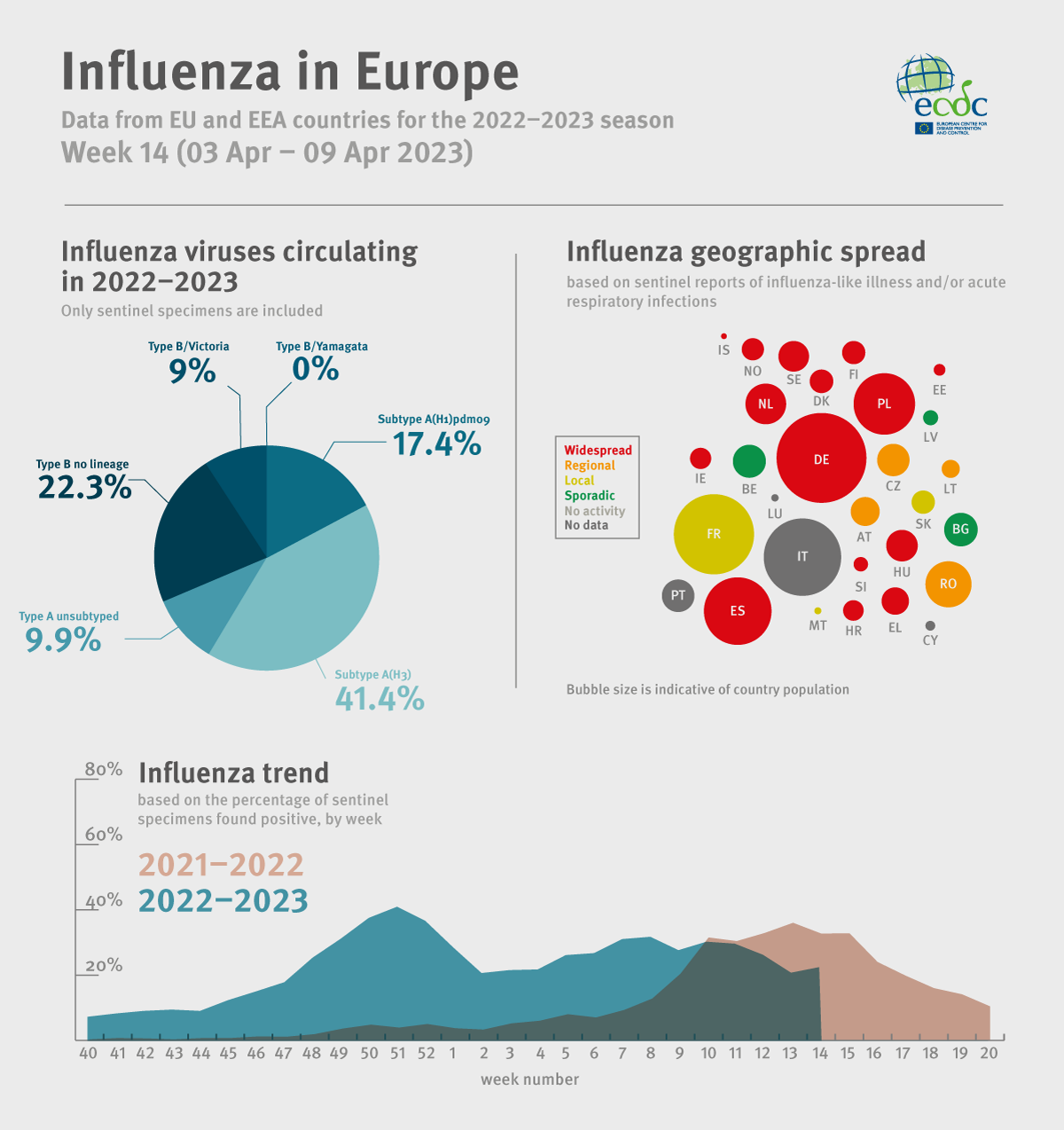
However, the European CDC reported on April 14, 2023, there was a 15% influenza positivity for week 14/2023.
Of 41 countries and areas in Europe reporting on the spread of influenza viruses, 16 reported widespread activity across the Region.
The CDC continues to suggest anyone concerned about respiratory viruses should speak with a healthcare provider regarding their flu shot option.