Search API
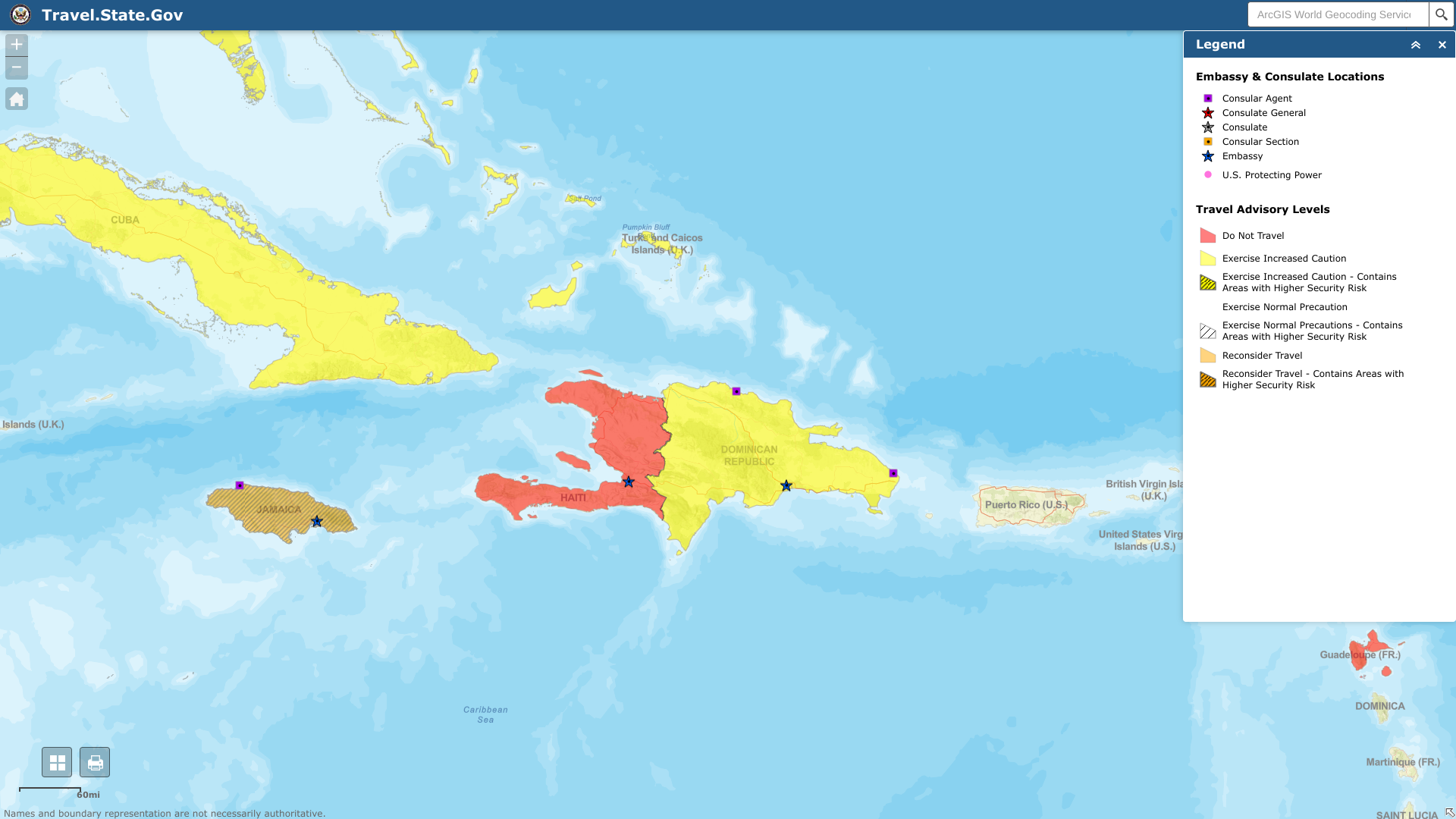
The U.S. Department of State recently reissued its Level 2: Exercise Increased Caution travel advisory for the Dominican Republic, which has realized a post-pandemic in visitors.
In February 2023, about 1 million visitors returned to the eastern half of the island of Hispaniola, located in the Caribbean Sea, according to Travel Path.
On April 17, 2023, the State Department confirmed the development of a professional tourist police corps, the institution of a 911 system, and a concentration of resources in resort areas means these areas are better policed than urban areas like Santo Domingo.
If needed, the U.S. Embassy Santo Domingo is located at Av. República de Colombia #57.
And this Advisory encourages visitors to avoid demonstrations and enroll in the Smart Traveler Enrollment Program to receive Alerts and make locating during an emergency easier.
From a health perspective, the U.S. CDC has included the Dominican Republic in recent dengue and cholera outbreak alerts.
And yellow fever vaccination is required if traveling from the states of Mina Gerais, Espirito Santo, Sao Paulo, or Rio de Janeiro in Brazil, including if the transit was less than 12 hours in an airport located in any of these states in Brazil.
If you depart from Houston, Texas (77018), travel vaccination clinics and pharmacies are near Bush International Airport.
The peer-review JAMA Network Open published today results from a study that found more Canadians were hospitalized during later COVID-19 waves compared to the initial year of the pandemic.
However, the health outcomes were less severe in these hospitalized people.
In a cohort study of 55,714 adult and pediatric patients hospitalized with laboratory-confirmed COVID-19 in 155 acute care hospitals in Canada, surveillance data show that during waves 5 and 6 of the COVID-19 pandemic, hospitals experienced a surge in patients hospitalized with COVID-19, an increase in nosocomial transmission of COVID-19, and a decrease in severe outcomes.
These data suggest the importance of COVID-19 vaccination in reducing the burden on the Canadian healthcare system and severe outcomes associated with COVID-19, wrote these researchers.

The U.S. CDC Morbidity and Mortality Weekly Report (MMWR) today announced that during January 2022, the COVIDTests.gov program became available to all U.S. households, which could order free-to-the-user at-home test kits from the federal government.
In a probability sample of U.S. households, both awareness of the COVIDTests.gov program and use of kits were high, with more than 41 million households estimated to have used kits during January–May 2022.
This MMWR concluded the long-term availability of government-supplied test kits appears to have significantly improved access to SARS-CoV-2 virus testing for racial and ethnic minorities, underscoring a critically important element of the U.S. national COVID-19 response.

The World Health Organization (WHO) recently published Influenza Update N° 443, confirming after January 2023, worldwide activity increased with a higher proportion of influenza A(H1N1)pdm09 and B virus detections until a peak around week #10, after which detections decreased.
Currently, there are sporadic reports of the Southern Hemisphere flu season causing infections in Brazil and Peru.
And as of April 17, 2023, the WHO reported Respiratory Syncytial Virus (RSV) activity was generally low or decreasing except in Australia, New Zealand, South Africa, and a few countries in the Region of the Americas.
In South Africa, the RSV detection rate among children under five years of age in pneumonia surveillance reached a very high level.
And RSV remained elevated in Guatemala and Mexico and increased in the Plurinational State of Bolivia.
As of April 20, 2023, the U.S. FDA has not authorized any RSV vaccine candidate.
However, various countries have approved RSV monoclonal antibody therapies.

The World Health Organization (WHO) today published Influenza Update N° 443, confirming flu detections decreased steeply in January 2023 after a peak in late 2022.
After the end of January 2023, global activity increased until a peak around week #10, after which detections decreased.
In the countries of North America, most indicators of influenza activity were at levels typically observed towards the end of the annual flu season.
And as of April 17, 2023, overall influenza detections in Europe decreased, and influenza positivity from sentinel sites decreased to 16% but remained above the epidemic threshold at the regional level.
Of 41 European countries, 13 reported moderate intensity, with the remainder reporting low or below baseline intensity.
Influenza activity was low last week in the Caribbean and Central American countries.
However, increases in influenza activity were reported in Belize and Guatemala, where activity was close to the moderate threshold.
And the tropical countries of South America, influenza remained low, except for Brazil, Peru, and the Plurinational State of Bolivia, which reported high activity.
Since spreading influenza is a year-round health risk, the WHO and the U.S. CDC recommend international travelers speak with a healthcare provider about flu shot options.
For example, the HEB Pharmacy at UT Health in Austin, Texas (78712), located near the Austin Bergstrom International Airport (AUS), offers pre-departure travel vaccination advice and services.

The U.S. The Transportation Security Administration (TSA) has deployed various customer service resources and digital technologies to assist travelers in expediting the airport screening process.
These TSA services enable about 2.2 million air travelers to pass through airport security more effectively in April 2023.
According to the TSA's activity report on April 19, 2023, the number of air travelers recently exceeded 2019, before the pandemic curtailed travel.
And if you need a helping hand during screening, all you have to do is ask TSA.
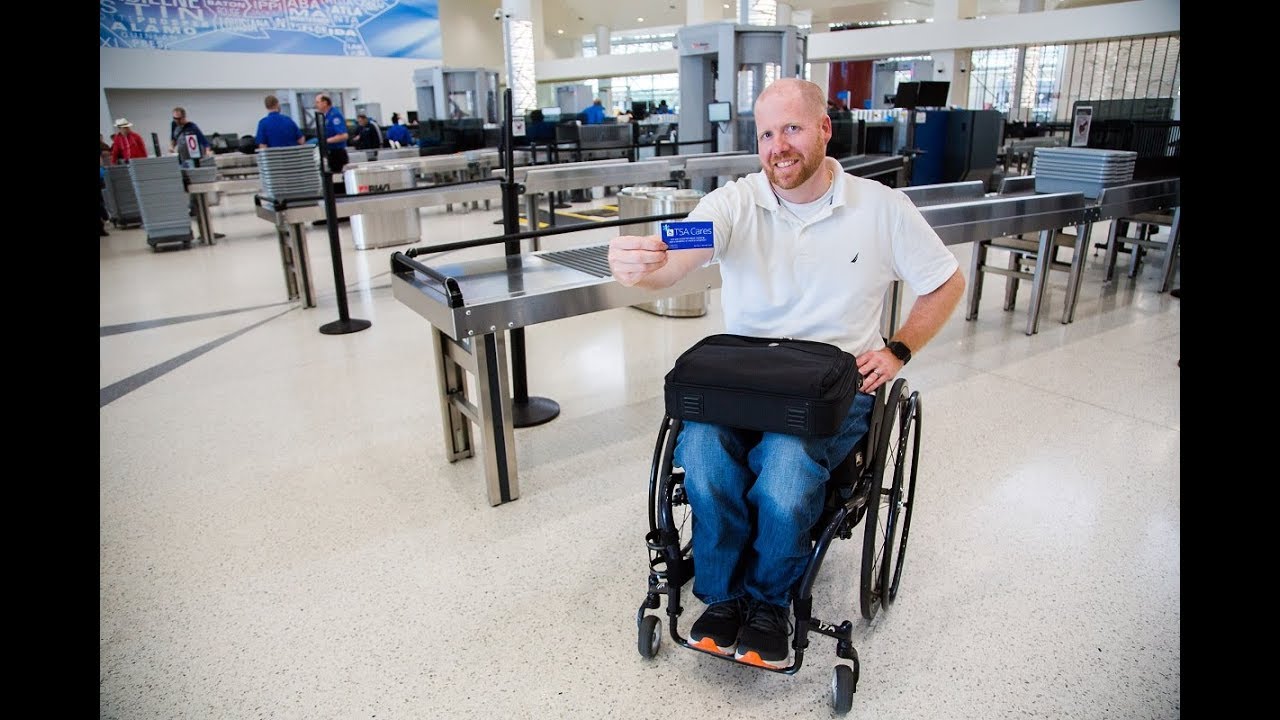
Air travelers requiring special accommodations or concerned about the airport security screening process can ask TSA staff for a passenger support specialist, who provides on–the–spot assistance during the security screening process.
Furthermore, those with questions or concerns about traveling with a disability, medical condition, or other exceptional circumstances can contact the TSA Cares helpline 72 hours before traveling.
Travelers may provide the officer with the TSA notification card or other medical documentation to describe their condition.
TSA Cares answers questions about screening policies, procedures, and what to expect at the security checkpoint.
TSA Cares can also assist passengers with medical conditions and injured service members, veterans, and wounded warriors.
The TSA's layered approach to security gets air passengers quickly and safely to their destination.
For example, in Houston, Texas, Hobby Airport (HOU) TSA Security Wait Times are digitally displayed.
Before heading to the airport, be sure to check HOU Arrival and Departure Delays, or if you know your specific flight, use iFly's Flight Tracker.
TSA's screening procedures are intended to prevent prohibited items and other threats to transportation security from entering the sterile area of the airport

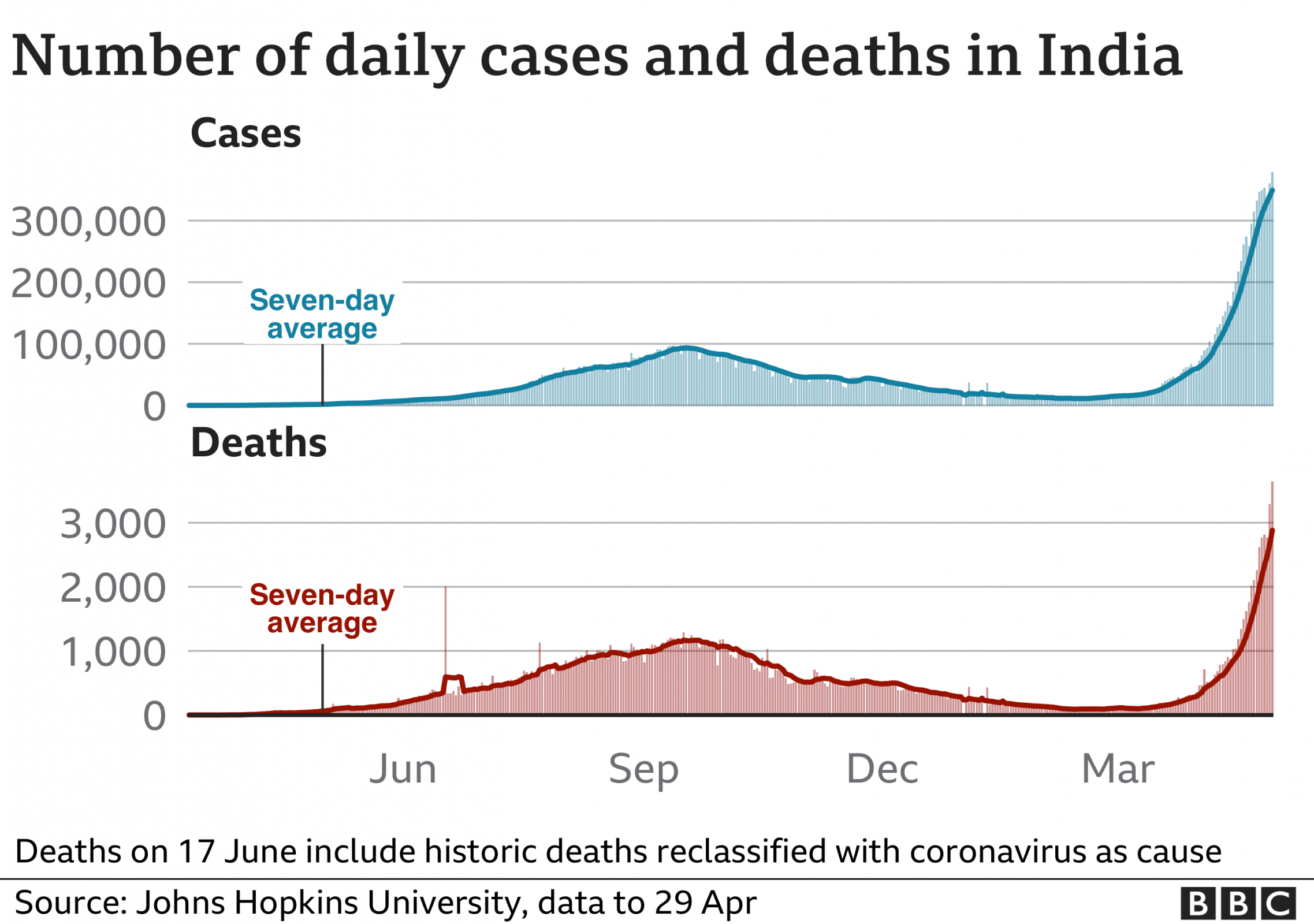
As the COVID-19 caseload recently accelerated in India, the global community is debating the cause of this upsurge.
Medical experts have warned that the new XBB1.16 coronavirus variant can evade people's immune systems, regardless of vaccine or naturally induced immunity.
For example, India's Ministry of Health reported 12,591 new cases and 40 deaths on April 19, 2023.
Dr. Randeep Guleria recently told ANI .... while the country was seeing a fresh surge in Covid-19 infections, the situation isn't one to induce panic.... the majority of the infections are mild.
And the rate of hospitalization hasn't gone up either.
In reaction to this new data, most states in India have reordered COVID-19 vaccines, such as CoviSheld, CorbeVax, and CovoVax™.
As of April 11, 2023, a total of 2,206,624,273 COVID-19 vaccine doses have been administered in India.
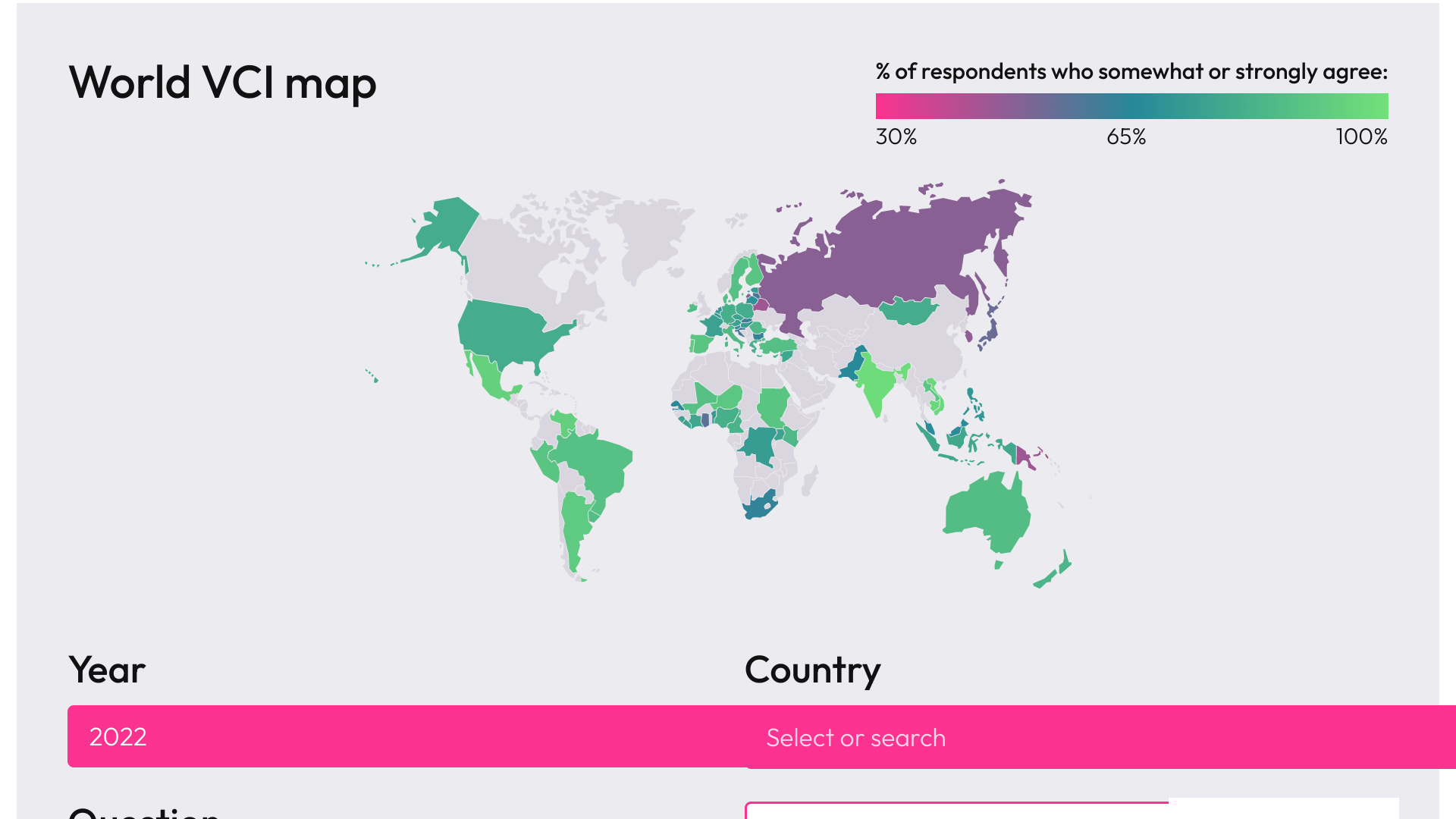
New data collected by The Vaccine Confidence Project at the London School of Hygiene & Tropical Medicine and published today by UNICEF indicates a decrease in vaccine confidence in most countries.
As of April 20, 2023, people under 35 and women were more likely to report less confidence about vaccines for children after the start of the pandemic.
However, China, India, and Mexico were the only countries studied where the data suggests the perception of the importance of vaccines held firm or even improved.
In a related press release, Catherine Russell, UNICEF Executive Director, commented, "This data is a worrying warning signal. We cannot allow confidence in routine immunizations to become another victim of the pandemic."
"Otherwise, the next wave of deaths could be of more children with measles, diphtheria, or other preventable diseases."
Launched in 2015, the Vaccine Confidence Index™ (VCI) is a digital tool for gaining data-led insights into vaccine confidence at global, regional, and national levels.
In addition to measuring overall trust in vaccines, the VCI guides where to prioritize confidence building.
Data presented in this report comes from a large-scale retrospective study of changes in vaccine confidence between 2015 and November 2019 and since 2021.
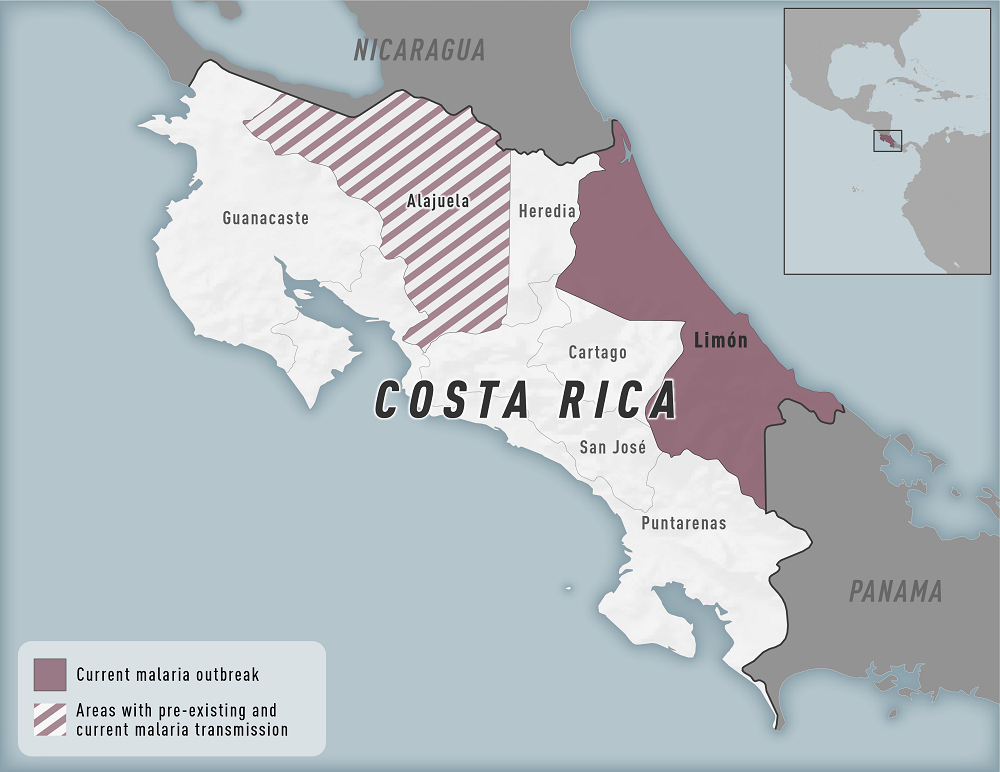
According to recent data from the Republic of Costa Rica Health Surveillance Directorate of the Ministry of Health, a total of 105 positive cases of malaria have been identified in the Huerta Caribe region.
And 2,844 people treated from the communities of Finca 12, PCC, Medio Queso, Coquital, and San Gerardo, in the canton of Los Chiles, chose to prevent the spread of malaria, and 726 homes have been visited in which a total of 9,136 doses of chloroquine have been provided.
Most people detected as of April 13, 2023, were between 20 to 39 years of age.
It is essential to highlight that the Ministry of Health's goal is eliminating malaria by 2025.
To notify international travelers, the U.S. Centers for Disease Control and Prevention (CDC) issued an Alert - Level 2, Practice Enhanced Precautions on April 17, 2023, regarding Costa Rica's malaria outbreak.
The CDC warned malaria is a medical emergency, and appropriate treatment should not be delayed. And seek medical care if you develop fever, chills, sweats, headache, vomiting, or body aches.
According to the World Health Organization Malaria Report released in December 2022, there were an estimated 619,000 malaria-related fatalities globally in 2021, with 568,000 deaths.
Additionally, the CDC stated if you are traveling to Limón or Alajuela Province, you should speak to your healthcare professional about how to prevent mosquito bites and which antimalarial drug is best.
Furthermore, as a prevention, you could take antimalarial drugs before travel.
According to the CDC, malaria is a vaccine-preventable mosquito-borne disease.
Vaccines such as RTS,S, and R21 have been approved in various countries and are reported to be effective at preventing disease.
Unfortunately, the U.S. Food and Drug Administration had not approved a malaria vaccine as of April 19, 2023.
This article was updated on April 20, 2023, with local links.