Search API
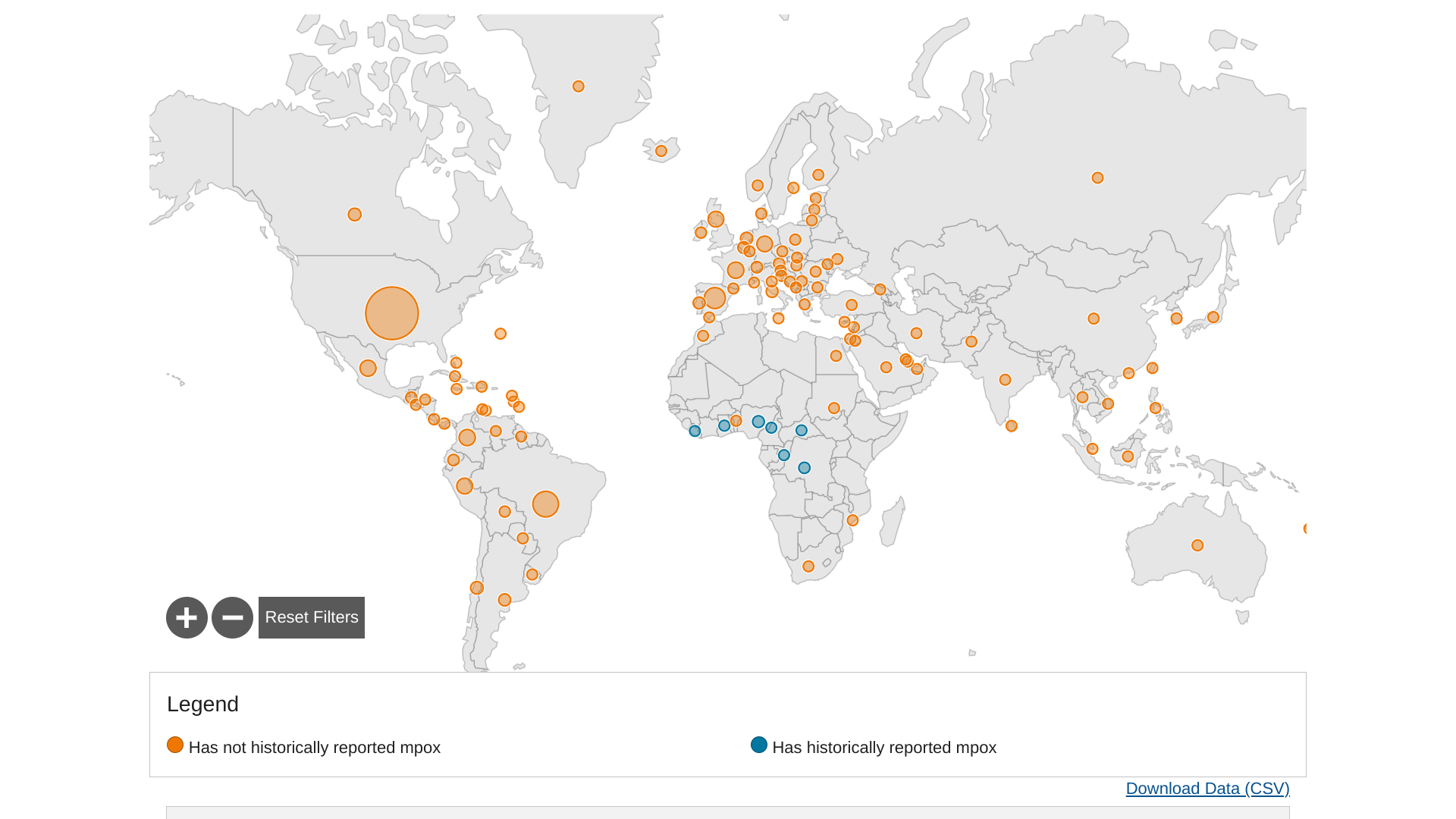
The World Health Organization (WHO) Africa Region recently reported new Mpox cases were reported from the Democratic Republic of the Congo (DRC) and other countries in the past two weeks.
Of reported Mpox cases as of April 30, 2023, 106 new cases were reported from the DRC, two from Nigeria, two from Liberia, and one from Ghana on
Since the start of 2023, DRC has reported 277 laboratory-confirmed cases.
Nineteen (19) Mpox-related fatalities have been reported in the African region since 2022 from Nigeria (9), Ghana (4), Cameroon (3), Central African Republic (1), Mozambique (1), and Sudan (1).
And in the European Region, 17 cases of mpox have been identified from 8 countries and areas over the past four weeks.
Throughout the Mpox outbreak identified in May 2022, 45 countries and areas throughout the European Region have reported cases.
In the U.S., the CDC has reported 30,361 Mpox cases and 42 related fatalities.
As of May 5, 2023, Mpox vaccines, testing, and treatments remain available in most countries.

The U.K. Health Security Agency today announced that parents in England should check their children's measles, mumps, and rubella (MMR) vaccine records following an increase in measles cases.
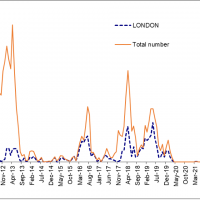
As of May 4, 2023, HPR volume #17, issue 5, revealed from January to April 20, 2023, there were 49 lab-confirmed measles cases in England.
Thirty-three (67%) of these measles cases were in London, 40% in children under five years, and 27% in those 15 to 34 years.
An analysis of data published by Public Health England highlighted that population immunity levels in the U.K. were below those required to interrupt measles transmission in many birth cohorts.
Uptake for the first dose of the MMR vaccine in children aged two years in England is 89%, and uptake of two MMR doses at age five years is 85.5%.
This data is below the 95% target the World Health Organization set as necessary to achieve and maintain elimination.
In a related press release, NHS Director of Vaccinations and Screening Steve Russell commented, "The MMR vaccine has helped prevent the development of potentially life-threatening illness among millions, and it is clear that when uptake falls, infections rise."
"So I strongly urge parents to review the status of their child's vaccinations to protect them and others from MMR."
In the U.S., the CDC recently reported ten measles cases in eight jurisdictions (Kentucky, Utah) so far in 2023 and 121 measles cases (Ohio) in 2022.
Internationally, measles outbreaks have been confirmed in various countries, such as India, with over 60,000 cases.
Measles is a very contagious disease but is preventable by vaccination.
Various MMR vaccines are generally available in clinics and community pharmacies in the U.S.

The World Health Organization (WHO) today announced the ending of the COVID-19 pandemic, which began in late 2019.
The first cases of novel SARS-CoV-2 coronavirus were detected in China in December 2019.
On May 5, 2023, the WHO Director-General concurred with advice regarding the ongoing COVID-19 pandemic. He determined that COVID-19 is now an established and ongoing health issue that no longer constitutes a public health emergency of international concern.
While the global risk assessment remains high, there is evidence of reducing risks to human health driven mainly by high population-level immunity from infection, vaccination, or both.
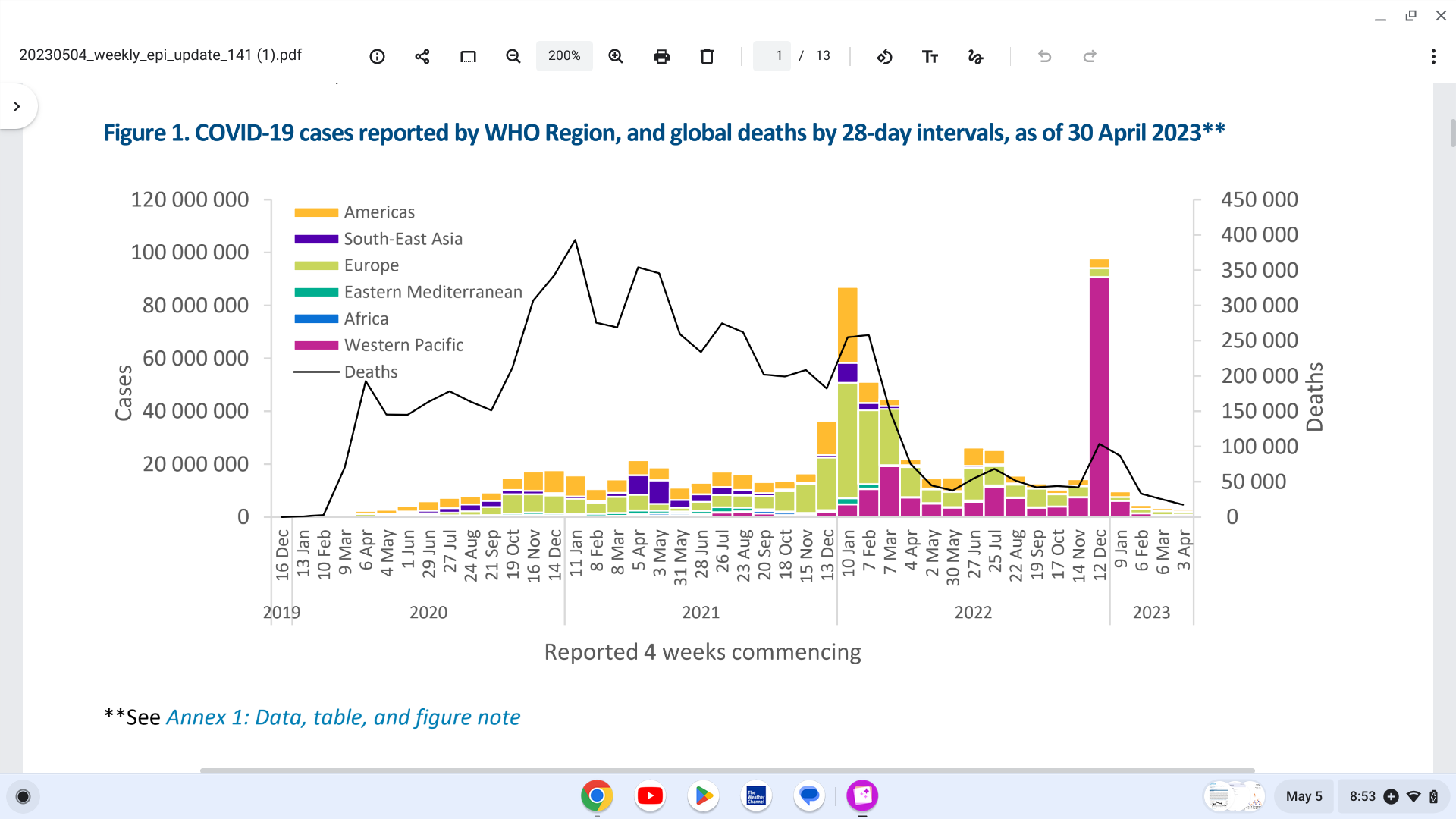
For example, the WHO Edition #141, announced on May 4, 2023, indicates a decrease in COVID-19 cases of 17% and a 30% reduction in related fatalities compared to the previous 28 days.
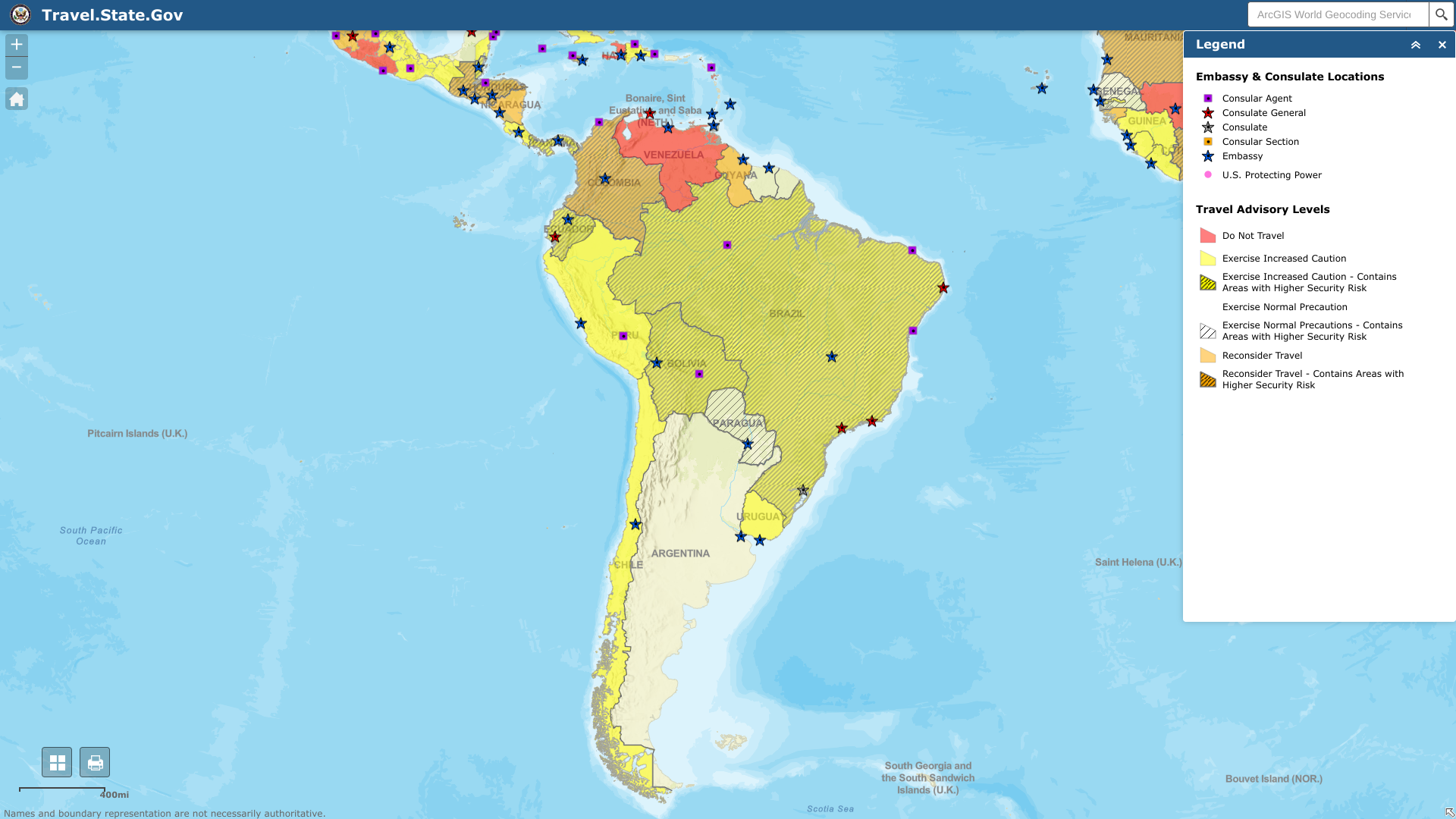
The U.S. Department of State recently announced an update to its Level 2: Exercise Increased Caution travel advisory for the Republic of Peru.
On May 2, 2023, the State Department highlighted some areas in Peru have an increased risk of civil unrest. And confirmed U.S. government personnel can not travel freely throughout Peru for security reasons.
And do not travel to these areas:
- The Colombian-Peruvian border area in the Loreto Region,
- The Valley of the Apurímac, Ene, and Mantaro Rivers, including areas within the Departments of Ayacucho, Cusco, Huancavelica, and Junin, and,
- The Puno Region, including the Peruvian side of Lake Titicaca, and the Apurimac Region due to civil unrest.
U.S. travelers participating in Ayahuasca and Kambo ceremonies should be aware that numerous persons, including U.S. citizens, have reported that while under the influence of these substances, they have witnessed or been victims of sexual assault, rape, theft, serious health problems and injuries, and even death.
If you visit Peru, the local embassy suggests enrolling in the Smart Traveler Program to receive alerts during an emergency.
The U.S. Embassy Lima is located atAvenida La Encalada cdra. 17 s/n, Surco, Lima 33, Peru.
From a health perspective, the U.S. CDC suggests pre-trip travel vaccinations for diseases such as yellow fever, malaria, and dengue, as well as route vaccinations such as measles and an annual flu shot.
These vaccines are generally available at certified travel clinics and pharmacies in the U.S.
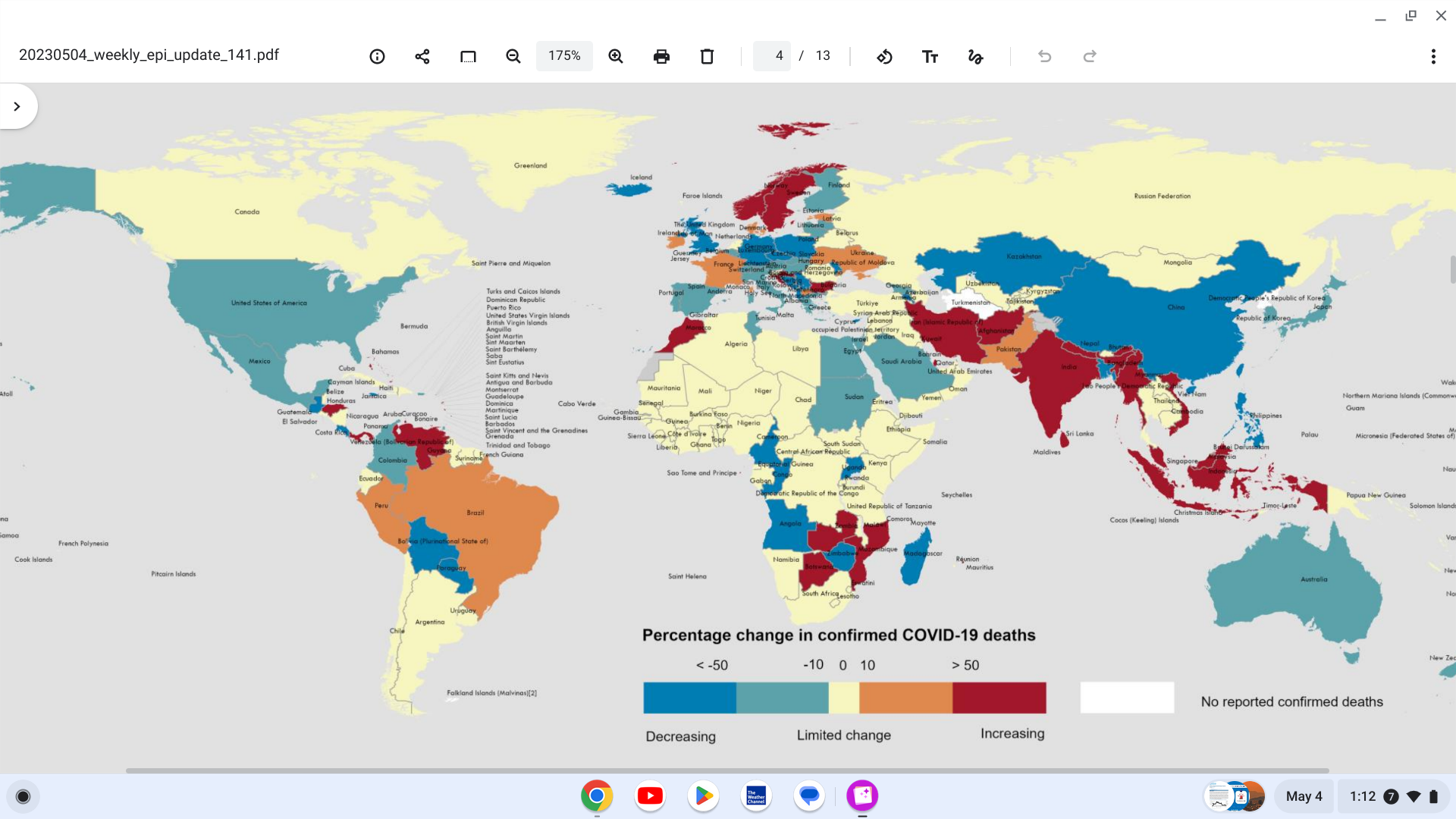
The World Health Organization (WHO) today announced a decrease of 17% in COVID-19 cases and a 30% reduction in related fatalities, respectively, compared to the previous 28 days.
However, Edition #141 indicates this positive pandemic picture is mixed at the regional level.
At the regional level, the number of newly reported 28-day COVID-19 cases increased across three of the six WHO regions:
the Eastern Mediterranean Region (+8%), the Western Pacific Region (+15%), and the South-East Asia Region
(+454%).
While cases decreased in three WHO regions: the African Region (-49%), the European Region (-37%), and the Region of the Americas (-34%).
As of May 4, 2023, most countries have COVID-19 vaccines, antivirals, and monoclonal antibody therapies available.
Previously, a non-peer-reviewed study revealed on April 26, 2023, that the SARS-CoV-2 XBB.1.16 virus lineage had become the most predominant variant in India. The study also shows that the clinical features and outcome of XBB.1.16* cases were similar to those of other co-circulating Omicron lineage infected cases in Maharashtra, India.
Updated on May 7, 2023 - insert relevant study and related link.

The U.S. Centers for Disease Control and Prevention (CDC) recently confirmed Maricopa County, Arizona, experienced its fifth and largest West Nile Virus (WNV) outbreak in 2021.
As of April 28, 2023, the greater Phoenix area reported 1,487 WNV cases, 1,014 (68%) hospitalizations, and 101 (7%) related fatalities.
Most identified WNV cases resulted in neuroinvasive disease and occurred among older adults.
The reason for the unprecedented WNV outbreak in 2021 remains unknown.
Since WNV was first detected in 2003, it has become endemic in Maricopa County.
In 2022, California and Colorado (204) also reported WNV cases.
The CDC says WNV is a mosquito-borne disease and is the leading domestically acquired arboviral disease. WNV can cause severe illness affecting the brain and spinal cord, with an associated case fatality rate of 10%.
As of May 4, 2023, no U.S. FDA-authorized West Nile virus vaccines exist.