Search API
Invivyd, Inc. recently announced positive initial data from its ongoing Phase 1 clinical trial of its lead investigational monoclonal antibody (mAb) candidate, VYD222.
VYD222 is a broadly neutralizing, half-life extended mAb candidate in development for the prevention of symptomatic COVID-19 in vulnerable populations, such as immunocompromised people.
Initial Phase 1 data show that a single administration of VYD222 was generally well-tolerated at all three dose levels tested, with no serious adverse events reported to date.
At the lowest VYD222 dose tested (1500 mg), geometric mean serum neutralizing titers were 3245.1 (95% CI: 1882.5, 5594.0) against Omicron XBB.1.5 at Day 7, with a geometric mean 38.87-fold rise (95% CI: 10.3, 146.8) from baseline to Day 7 (n=8).
Greater VYD222 dose levels are designed to provide greater protection from any potential loss of neutralization activity as SARS-CoV-2 evolves.
Dave Hering, chief executive officer of Invivyd, stated in a press release on June 22, 2023, "Based on previously published clinical data from randomized controlled clinical trials, we believe that mAb directed against the receptor binding domain of the SARS-CoV-2 spike protein offer an attractive safety profile, even at higher doses, and that strong serum neutralization activity would be predictive of clinical benefit."
Additional COVID-19 monoclonal antibody news is posted by Precision Vaccinations.

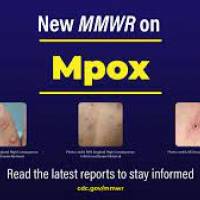
The U.S. Centers for Disease Control and Prevention (CDC) today announced the mpox outbreak in Chicago, Illinois, has reached 40 individuals.
As of June 23, 2023, the CDC's Morbidity and Mortality Weekly Report confirmed that mpox vaccine breakthrough cases were reported to the Chicago Department of Public Health.
The observed proportion of cases among persons who had received JYNNEOS® (MVA-BN) smallpox/mpox or ACAM2000 smallpox vaccines in this cluster was unusual.
Mpox breakthrough cases averaged eight months since the last vaccination.
During March 18–June 12, 2023, 40 laboratory-confirmed mpox cases were identified in Chicago, including 22 (55%), five (13%), and 13 (33%), respectively, among patients who had received two doses of JYNNEOS or one dose of ACAM2000 vaccine, those who had received one vaccine dose of JYNNEOS vaccine, and those who had not received any vaccines for mpox.
All cases occurred among persons assigned male sex at birth; 37 (93%) identified as male and 28 (70%) as gay.
The median age was 33 (IQR = 23–49).
Eleven (28%) patients were living with HIV, 10 of whom had received two doses of JYNNEOS or one dose of ACAM2000 vaccine and whose HIV was well-controlled (CD4 count >200 cells/mm3 and viral load <200 viral copies/mL).
Three (8%) patients experienced concurrent sexually transmitted infections during mpox diagnosis.
Of six live births, two neonates developed lesions within one week after their mothers became symptomatic.
This investigation is ongoing. However, no similar clusters are being seen elsewhere in the U.S.
Preliminary sequencing indicates the virus is the same B.1 variant of Clade IIB, the predominant variant of the 2022–2023 outbreak.
The CDC wrote that this increase in mpox cases before significant summer events scheduled nationwide and in Chicago raised concerns about possible future case increases.
Although the cause of this cluster has not yet been determined, leading hypotheses include a potentially high number of sexual exposures in a network with many vaccinated persons, decreased vaccine effectiveness due to waning of humoral immunity, or vaccine mishandling or administration errors.
Mpox outbreak news and other sexually transmitted disease vaccine news are posted by Precision Vaccinations.

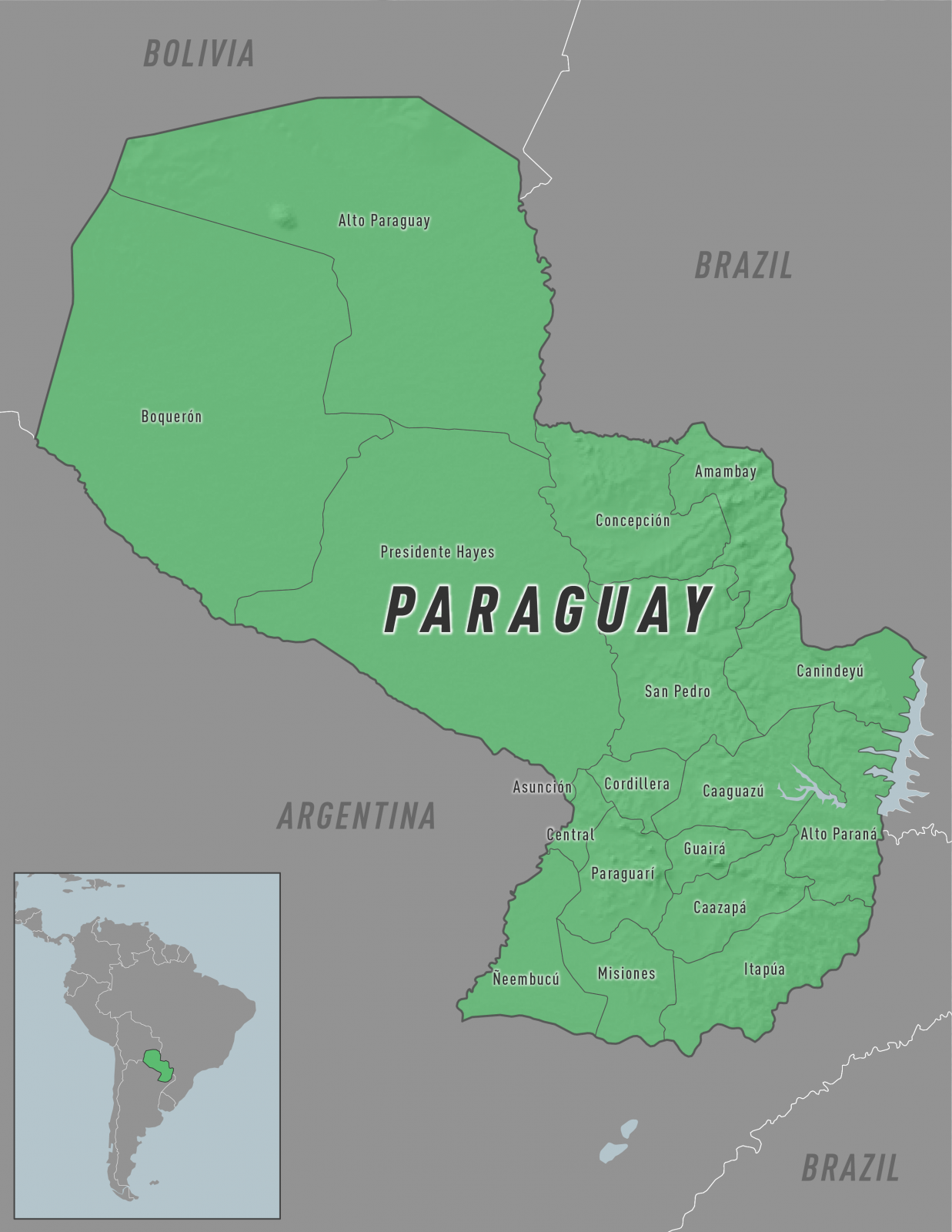
Throughout 2023, Chikungunya outbreaks have been reported in various countries in the Region of the Americas.
On June 22, 2023, Susan Hills, MBBS, MTH, led the U.S. Centers for Disease Prevention and Control (CDC) Chikungunya Vaccines Work Group presentation, highlighting the ongoing outbreak in the Republic of Paraguay.
As of June 4, 2023, 167,239 Chikungunya cases and 263 related deaths in 2023.
Furthermore, Paraguay's geographic neighbors Argentina, Brazil, and Uraguy have been impacted.
To alert international travelers, the CDC issued a Level 1 - Practice Usual Precautions Travel Health Notice in April 2023.
From 2006–2021, 4,590 chikungunya cases in travelers were confirmed in the U.S.
Chikungunya outbreaks are caused by the chikungunya virus and is spread to humans through mosquito bites. The CDC stated that people at risk for severe disease include infants, older adults, and those with comorbidities.
People should seek medical care if they develop fever, joint pain, headache, muscle pain, joint swelling, or rash.
Unfortunately, the CDC has not recommended a preventive vaccine in 2023.
There are two Chikungunya vaccine candidates conducting late-stage clinical trials.
The VLA1553 monovalent, single-dose, live-attenuated vaccine candidate has been assigned a U.S. FDA Prescription Drug User Fee Act review goal date at the end of August 2023 and has filed a regulatory application with Health Canada.
Additionally, the CDC reviewed surveys on June 22, 2023, regarding awareness of chikungunya and the value of a chikungunya vaccine among travelers.
Only 18% had heard of chikungunya before the survey, and few were aware of pending vaccine approvals.
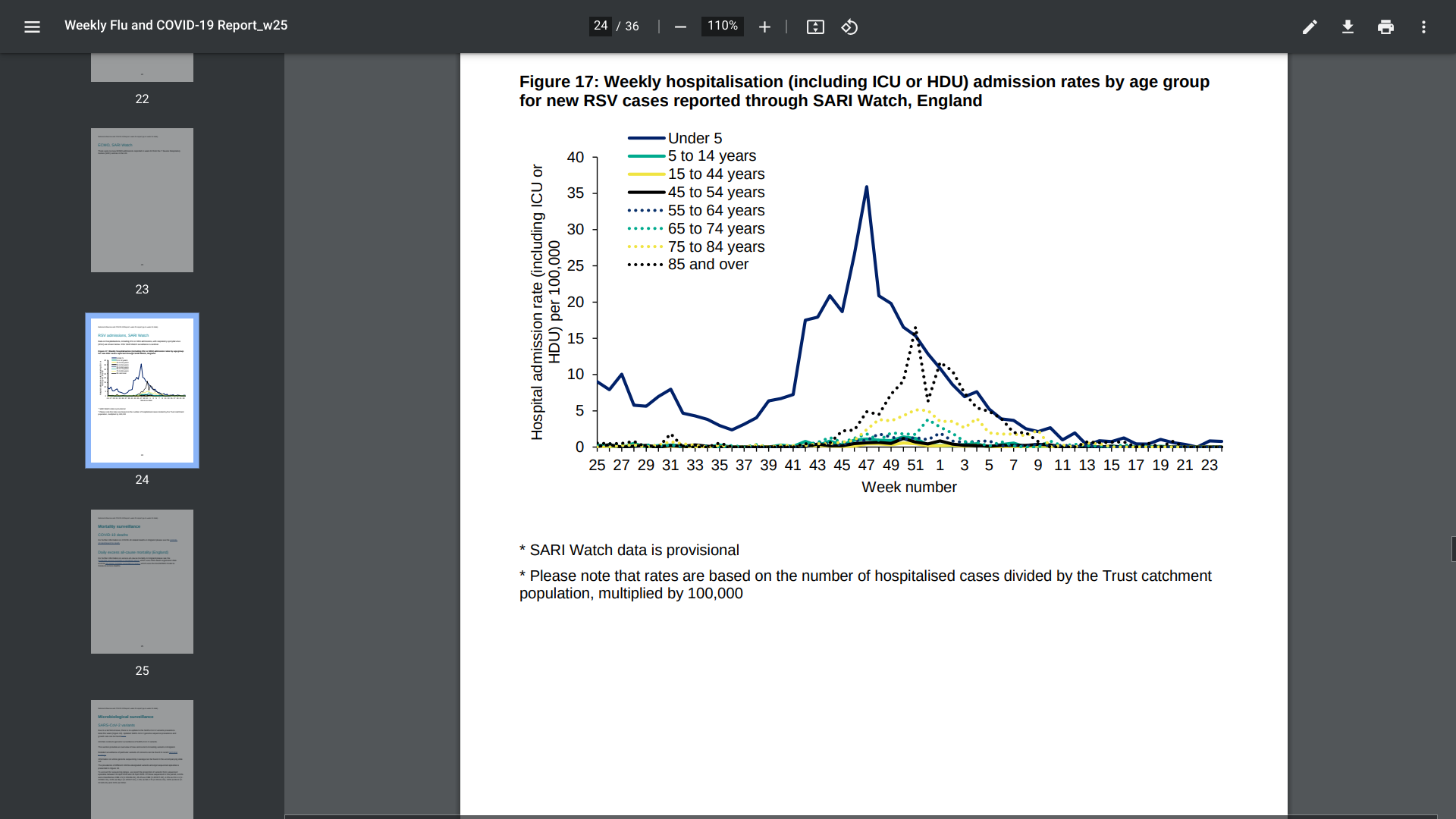
The U.K. Health Security Agency today published the National Influenza and COVID-19 Report for week #25.
The overall positivity for Respiratory Syncytial Virus (RSV) remained low at 0.4%, with the highest positivity in those under five years old at 1.6%.
And emergency department attendance for acute bronchiolitis remained stable nationally in the U.K.
Additionally, In week #24, influenza activity remained stable from most indicators, and COVID-19 activity decreased.
In the U.S., RSV seasonality is generally identified in the state of Florida. As of mid-June 2023, Florida has not reported an RSV outbreak.
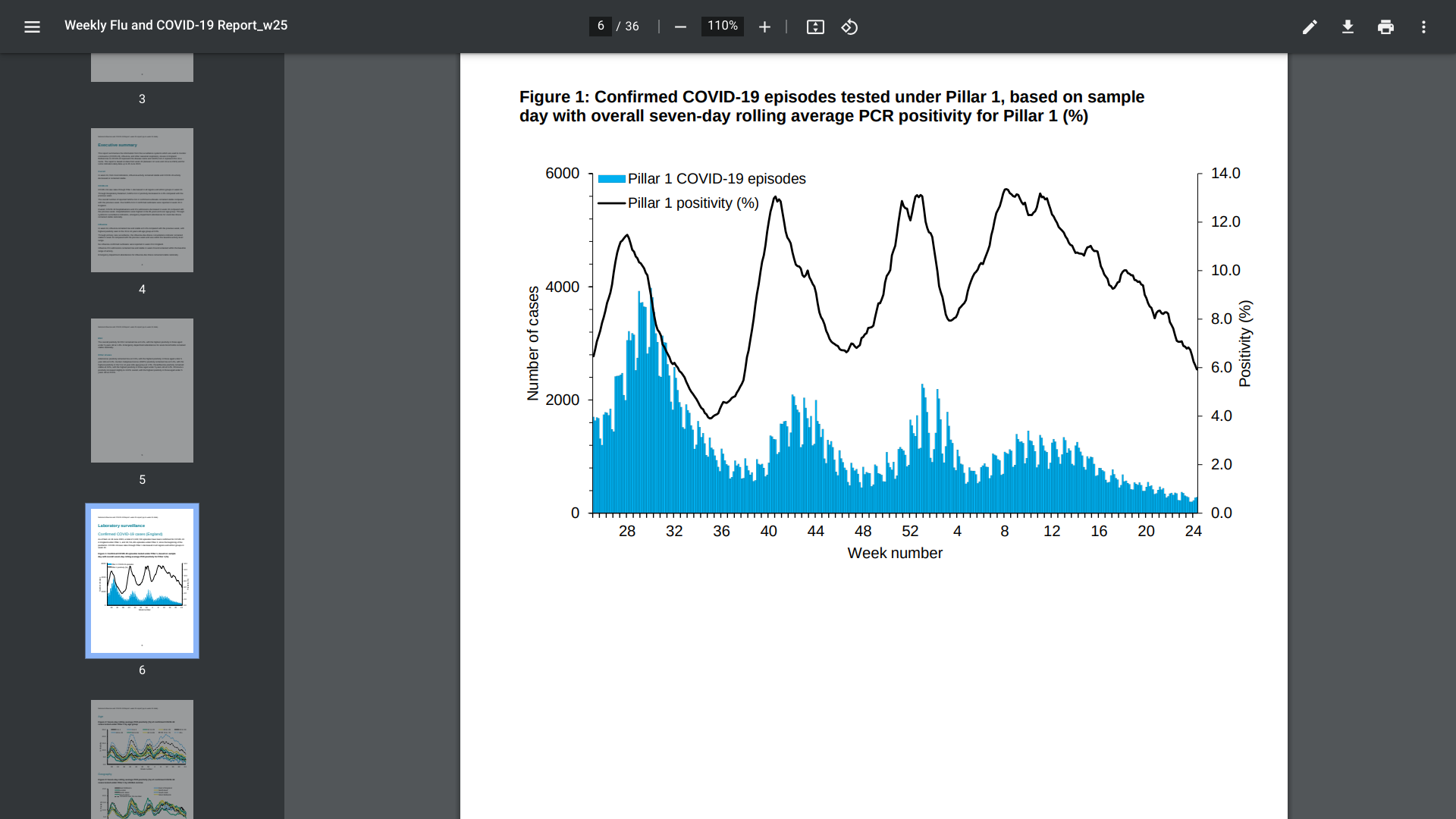
The U.K. Health Security Agency (UKHSA) today announced COVID-19 surveillance data indicates hospital admission rates in the U.K. have decreased in almost all age groups in week #24 compared with the previous week.
On June 22, 2023, the Respiratory Datamart reported that SARS-CoV-2 positivity decreased to 4.2% compared with the previous week.
Overall, through syndromic surveillance indicators, emergency department attendance for covid-like illness remained stable nationally.
This UKHSA report is based on data from week 24 (between June 12 and June 18, 2023) and, for some indicators, daily data up to June 20, 2023.
The U.S. CDC recently published new guidance on Measles during the summer of 2023. Measles outbreaks are occurring in all World Health Organization regions.
Over the past year, measles outbreaks have been reported in the European, African, Eastern Mediterranean, Western Pacific, and Southeast Asian regions.
On June 21, 2023, Health Alert Network Health Advisory (CDCHAN-00493) offered guidance for measles prevention to international travelers and to be on alert for future measles cases in 2023.
The measles virus is contagious and easily spread while flying in an airplane or riding in buses or trains.
As of June 8, 2023, CDC has been notified of 16 confirmed U.S. measles cases across 11 jurisdictions, with 88% linked to international travel.
Based on current estimates, twice as many Americans are planning to travel internationally in 2023 compared with 2022. Many countries and popular travel destinations
To prevent measles infection and spread from importation, all U.S. residents should be up to date on their measles vaccinations, especially before international travel, regardless of the destination.
As of June 22, 2023, various measles vaccines are authorized worldwide.

The U.S. Centers for Disease Control and Prevention (CDC) recently confirmed an outbreak of extensively drug-resistant (XDR) typhoid fever continues to occur in 2023.
As of June 16, 2023, the CDC's Level 1 - Practice Usual Precautions notice says cases of XDR typhoid fever have been reported worldwide, mostly among travelers returning from Pakistan.
If you are visiting Pakistan or other countries in South Asia where typhoid is common, protect yourself by getting a typhoid fever vaccination before your trip.
In the U.S., two types of typhoid fever vaccines are available.
If you were vaccinated in the past, ask your doctor or pharmacist if it is time for booster vaccination, says the CDC.
And take extra care to follow safe food and water guidelines during your trip and wash your hands thoroughly with soap and water before eating or touching food.
Do not prepare food for others if you become ill.
If you get sick while traveling, seek medical care.
The strains (kind) of Typhi that cause XDR typhoid fever do not respond to most antibiotics used to treat the disease, says the CDC.
Visit Getting Health Care During Travel to learn how to connect with a doctor or medical services during your trip.
If you get sick after returning to the U.S., seek medical care, and tell your healthcare provider where and when you traveled.
As of June 21, 2023, typhoid fever vaccine news is posted by Vax-Before-Travel.

The U.S. Department of State recently issued two travel advisories that indicate Australia and New Zealand are prime destinations for a summer vacation in 2023.
This is essential news since the FIFA Women’s World Cup 2023 will occur across Australia and New Zealand in nine cities from July 20 through August 20, 2023.
On June 16, 2023, the State Department issued a Level 1: Exercise Normal Precautions notice for Australia.
And a similar travel advisory was issued for New Zealand.
Before visiting these countries in 2023, the U.S. government suggests enrolling in the Smart Traveler Enrollment Program to receive alerts during an emergency.
From a health perspective, dengue outbreaks are a risk in this area.
The U.S. CDC says to check the travel vaccines and medicines list and visit your healthcare provider at least a month before visiting these countries in 2023.