Search API
Emergent BioSolutions Inc. today announced that the U.S. Biomedical Advanced Research and Development Authority awarded a $75 million option to Emergent's existing contract to acquire the newly licensed anthrax vaccine CYFENDUS™.
The deliveries are expected to begin in 2023 and be complete in the late first quarter of 2024.
Previously known as AV7909, the CYFENDUS vaccine was approved by the U.S. Food & Drug Administration in July 2023 as a two-dose anthrax vaccine for post-exposure prophylaxis use in individuals 18 and older.
"CYFENDUS™ vaccine is a critical component of Emergent's anthrax medical countermeasures franchise and supports the U.S. government's anthrax preparedness strategy," said Paul Williams, senior vice president, products head at Emergent, in a press release on November 28, 2023.
Anthrax is considered a high-priority national security threat and has the potential for significant public health impact, says Emergent.
Anthrax is a serious infectious disease caused by gram-positive, rod-shaped bacteria known as Bacillus anthracis, one of the most likely agents to be used in a biological attack.
Anthrax occurs naturally in soil worldwide and can cause severe illness in humans and animals, says the U.S. CDC. If you think you may have been exposed to anthrax, you need to go to a doctor.
However, anthrax is not contagious, which means you can't catch it from another person, like influenza.

CSL and Arcturus Therapeutics today announced that Japan's Ministry of Health, Labor and Welfare (MHLW) approved ARCT-154, a self-amplifying Messenger RNA (sa-mRNA) COVID-19 vaccine for initial vaccination and booster for adults 18 years and older.
The MHLW's approval was based on positive clinical data from several ARCT-154 studies, including an ongoing 16,000-subject efficacy study performed in Vietnam as well as a Phase 3 COVID-19 booster trial, which achieved higher immunogenicity results and a favorable safety profile compared to a standard mRNA COVID-19 vaccine comparator.
Initial study results have been published in MedRxiv and are expected to be published in a peer-reviewed journal by the end of the year.
"Today's approval marks a historic and exciting milestone as the first sa-mRNA vaccine in the world to be registered, and supports CSL's promise to protect global public health," said Jonathan Edelman, M.D., Senior Vice President, Vaccines Innovation Unit, CSL, in a press release on November 27, 2023.
"We are committed to working with health authorities worldwide to ensure this important vaccine technology will be available to people at risk for COVID-19."
mRNA vaccine technology protects against infectious diseases by instructing cells in the body to make a specific protein, stimulating the immune response, and leaving a blueprint to recognize and fight future infection, wrote the company.
However, sa-mRNA makes copies of the mRNA which generates the production of more protein compared to an equivalent amount of mRNA in a vaccine. The technology can potentially create more potent cellular immune responses and increase the duration of protection while using considerably lower doses of mRNA.
"Self-amplifying mRNA technology has the potential to be an enduring vaccine option," commented Nobel laureate Dr. Drew Weissman. "I look forward to seeing this next-generation mRNA technology protect many from COVID-19 and possibly other harmful infectious diseases."
CSL includes three businesses: CSL Behring, CSL Seqirus, and CSL Vifor. It provides lifesaving products to patients in more than 100 countries and employs 32,000 people.

Novavax, Inc. today announced that Nuvaxovid™ XBB.1.5 COVID-19 Vaccine (NVX-CoV2601) has been granted Emergency Use Listing (EUL) by the World Health Organization (WHO) for active immunization to prevent COVID-19 in individuals aged 12 and older.
The EUL enables the WHO's 194 member states to expedite regulatory approvals to import and administer the Nuvaxovid™ XBB.1.5 COVID-19 Vaccine.
Novavax's vaccines are genetically engineered using three-dimensional nanostructures of recombinant proteins critical to disease pathogenesis. Novavax's other COVID-19 brands include CovoVax™ and NVX-CoV2373.
"The WHO Emergency Use Listing of our updated protein-based non-mRNA COVID-19 vaccine enables expedited regulatory approvals for its 194 member states and UN procurement agencies, such as UNICEF, thereby supporting equitable access to our vaccine around the world," said John C. Jacobs, President and Chief Executive Officer, Novavax, in a press release on November 28, 2023.
"Rural or hard-to-reach areas can benefit from our vaccine's ease of transport and storage profile. As part of a diversified vaccine portfolio, our vaccine can play an important role in helping to protect people around the globe against the latest variants."
The EUL was based on non-clinical data showing that Novavax's COVID-19 vaccine induced functional immune responses against XBB.1.5, XBB.1.16, and XBB.2.3 variants.
Additional non-clinical data demonstrated that Novavax's vaccine-induced neutralizing antibody responses to subvariants BA.2.86, EG.5.1, FL.1.5.1, and XBB.1.16.6 as well as CD4+ polyfunctional cellular (T-cell) responses against EG.5.1 and XBB.1.16.6.
These data indicate that Novavax's vaccine can stimulate both arms of the immune system and may induce a broad response against currently circulating variants.5,6
In clinical trials, the most common adverse reactions associated with Novavax's prototype COVID-19 vaccine (NVX-CoV2373) included headache, nausea or vomiting, muscle pain, joint pain, injection site tenderness, injection site pain, fatigue, and malaise.
Novavax's updated COVID-19 vaccine is also authorized in the U.S. and the European Union and is under review in other markets. As of November 2023, the NVX-CoV2373 vaccine had been delivered globally in about 40 markets.

The U.K. Health Security Agency (UKHSA) announced today that it has detected a confirmed human case of influenza A(H1N2)v, known as swine flu.
Influenza A(H1) viruses are enzootic in swine populations in most regions of the world. There have been a total of 50 human cases of influenza A(H1N2)v reported globally since 2005.
In August 2023, the U.S. confirmed a human infection with a novel influenza A(H1N2) variant virus in Michigan.
This is the first Influenza A(H1N2)v detection of this flu strain in a human in the U.K.
The individual concerned experienced a mild illness and has fully recovered.
The individual was tested by their G.P. after experiencing respiratory symptoms. Influenza A(H1N2)v virus was detected by UKHSA using polymerase chain reaction testing and characterized using genome sequencing.
The source of their infection has not yet been ascertained and remains under investigation. Close contacts of the case are being followed up by UKHSA and partner organizations.
Any contacts will be offered testing as necessary and advised on any necessary further care if they have symptoms or test positive.
The case was detected as part of routine national flu surveillance undertaken by UKHSA and the Royal College of General Practitioners.
Chief Veterinary Officer Christine Middlemiss commented in a press release on November 27, 2023, "We know that some diseases of animals can be transferred to humans – which is why high standards of animal health, welfare, and biosecurity are so important."
"In this case, we are providing specialist veterinary and scientific knowledge to support the UKHSA investigation. Pig keepers must also report any suspicion of swine flu in their herds to their local vet immediately."
As of 2023, the U.S. FDA and the U.K have not approved a swine flu vaccine.

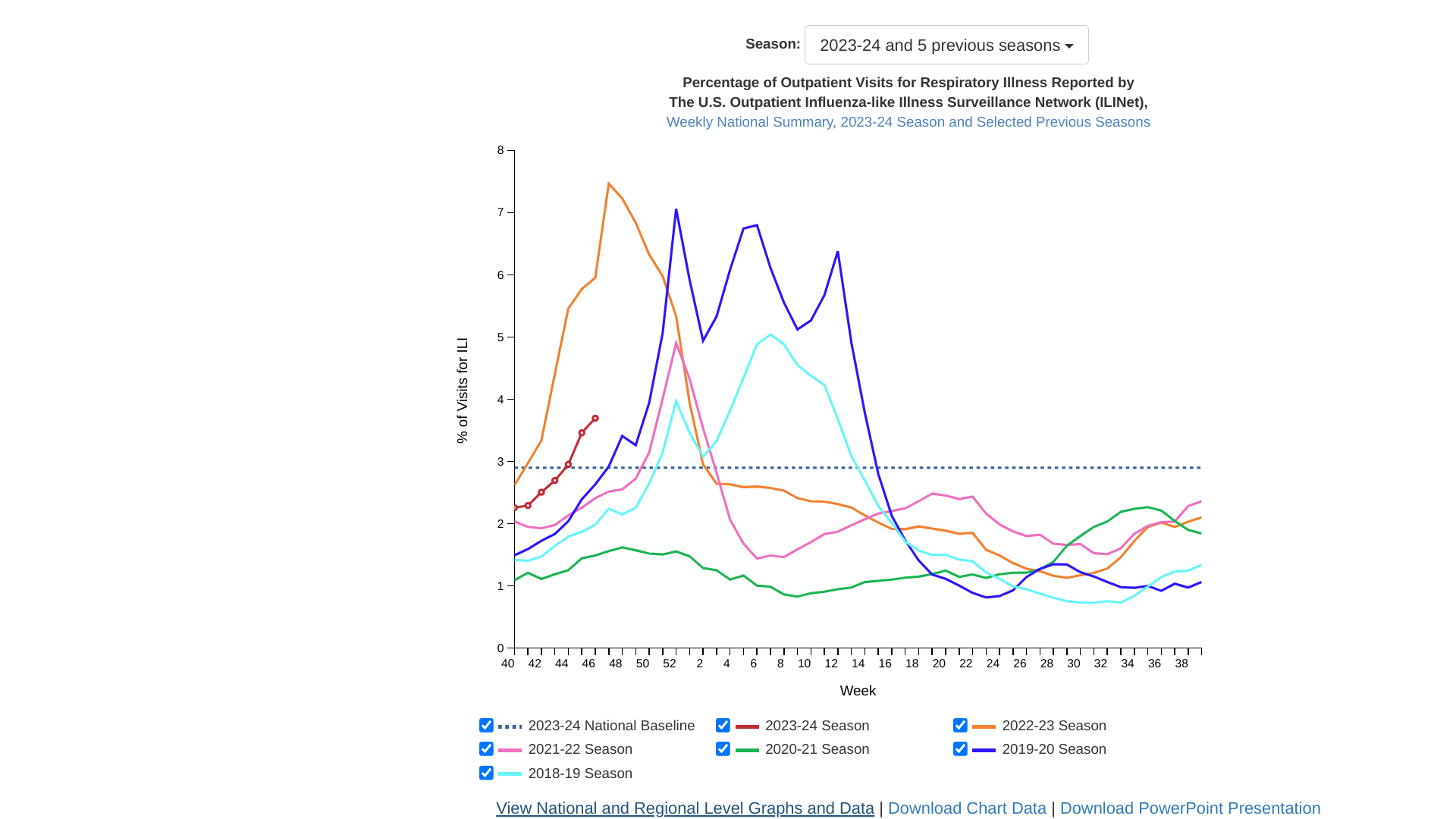
According to an updated U.S. Centers for Disease Control and Prevention (CDC) Influenza Surveillance Report, outpatient respiratory illness is above baseline nationally for the third week. And it is at or above baseline in seven of 10 HHS Regions.
As of November 27, 2023, Regions 1 and 8 (New England and Mountain) are at their region-specific outpatient respiratory illness baseline.
While Regions 2, 3, 4, 6, and 9 (New York/New Jersey/Puerto Rico/Virgin Islands, Mid-Atlantic, Southeast, South Central, and West Coast) are above their region-specific baselines.
Additionally, FluView data for week #46 indicates that influenza-related hospital admissions continue to increase.
Furthermore, the National Center for Health Statistics (NCHS) Mortality Surveillance data available on November 22, 2023, reports that 0.07% of the deaths during the week ending November 18, 2023, were due to influenza.
During week #46, there were 14 flu-related deaths.
During the 2023-2024 season, three influenza-associated pediatric deaths were reported to the CDC.
The CDC recommends an annual flu shot for most people over six months of age. Various flu shots are available at clinics and pharmacies in the U.S.
The CDC says that as of November 11, 2023, about 149 million flu vaccines had been distributed in the U.S.
Recent research published in the Journal of Alzheimer's Disease shows following a pilot study for the treatment of pre-dementia and early Alzheimer's using a precision medicine protocol, ReCode.
ReCode uses precision medicine to personalize treatment for every patient based on test results and includes the BrainHQ training app, which is continually personalized for each user.
Results published on November 7, 2023, showed widespread improvement in cognitive performance under the globally recognized Montreal Cognitive Assessment measures.
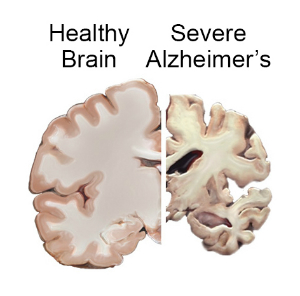
Alzheimer's disease (AD) study participants also saw physical brain improvements in the brain imaging results that showed a trend toward renormalization to results typically seen in healthy older adults.
However, incorporating precision medicine approaches into everyday evaluation and care and future clinical trials would require fundamental changes in AD trial design, IRB considerations, funding considerations, laboratory evaluation, personalized treatment plans, treatment teams, and, ultimately, reimbursement guidelines.
Nonetheless, these researchers wrote that precision medicine approaches to AD, based on a novel model of AD pathophysiology, offer promise that has not been realized to date with traditional approaches.
In summary, the rationale for utilizing precision medicine protocols for treating patients with cognitive decline, or risk for decline, is based on the underlying mechanisms driving AD-related signaling and on promising initial results, supporting more extensive studies.
The implications for clinical practice, pharmaceutical candidate evaluation, and the societal burden of dementia are profound.
As of November 27, 2023, various AD vaccine candidates are conducting clinical studies.
ADvantage Therapeutics, Inc. today announced that the first patient was enrolled in the Phase 2b clinical trial on its lead immunotherapy candidate, AD04™, for treating mild Alzheimer's disease (AD).
The study is authorized to be conducted in Austria, France, Poland, Bulgaria, and Slovakia and is expected to expand to Germany and the U.K. in the coming months.
AD04 has been used as an adjuvant in human and animal vaccination programs.
In a previous trial, AD04 serving as a control against another compound demonstrated a statistically significantly slower decline over other treatment groups in cognitive and quality-life clinical measures.
AD04 also showed a slower decline in hippocampal volume as a biomarker.
The Company believes that rather than being limited to a specific aspect of AD pathology, such as amyloid beta or tau, AD04 may address immunological mechanisms in the brain. And AD04 may function as an immunomodulator, stimulating and/or regulating the immune system to reduce AD pathology.
Dr. Andreas Winkler, MSc., principal investigator at Institut Neuromed, commented in a press release on November 27, 2023, "... AD04 represents a significant departure from approaches seen to date and one that may change our understanding of how to manage it as well as the disease itself."
Scientists do not yet fully understand what causes Alzheimer’s disease. Alzheimer’s is the most common type of dementia. About forty-four million people worldwide have Alzheimer's Disease, and it is the sixth leading cause of death in industrialized countries. The socio-economic burden of AD is enormous, says the U.S. CDC.
“We consider AD an autoimmune disease,” said Jeffrey Madden, CEO of ADvantage, in May 2023.
“And, instead of going after the consequences of AD, such as tau-protein and amyloid aggregates, we analyze immunological and neuroinflammatory events in specific parts of the brain. We believe these are causes of brain shrinkage and cognitive decline seen in AD.”
As of November 27, 2023, the U.S. FDA, the European Medicines Agency, and the U.K. have not approved an AD preventive vaccine candidate.

According to the UK Health Security Agency's weekly influenza report, the 2023-2024 flu season vaccination rates vary across age groups.
As of November 23, 2023, the provisional proportion of people in England who have received the 2023 to 2024 influenza vaccine in targeted groups is as follows:
- 75.4% in all aged 65 years and over, and is higher compared to the equivalent week in the 2022 to 2023 season
- 36.8% in those aged under 65 years in a clinical risk group, and is lower compared to the equivalent week in the 2022 to 2023 season
- 37.9% in all aged two years, and is comparable to the equivalent week in the 2022 to 2023 season
- 28.2% in all pregnant women is comparable to the equivalent week in the 2022 to 2023 season.
For week #47, multiple indicators show that flu activity has remained stable and within baseline levels in England this week.
Influenza positivity remained stable at 1.8% in week #46 compared to 1.8% in the previous week.
Hospital admissions, including intensive care unit and high dependency unit admissions, remained within baseline levels this week.
Children under five years continue to have the highest hospital admissions, but this has decreased this week to a rate of 0.92 per 100,000 population.
Global flu season news as of November 27, 2023, is posted at Precision Vax.

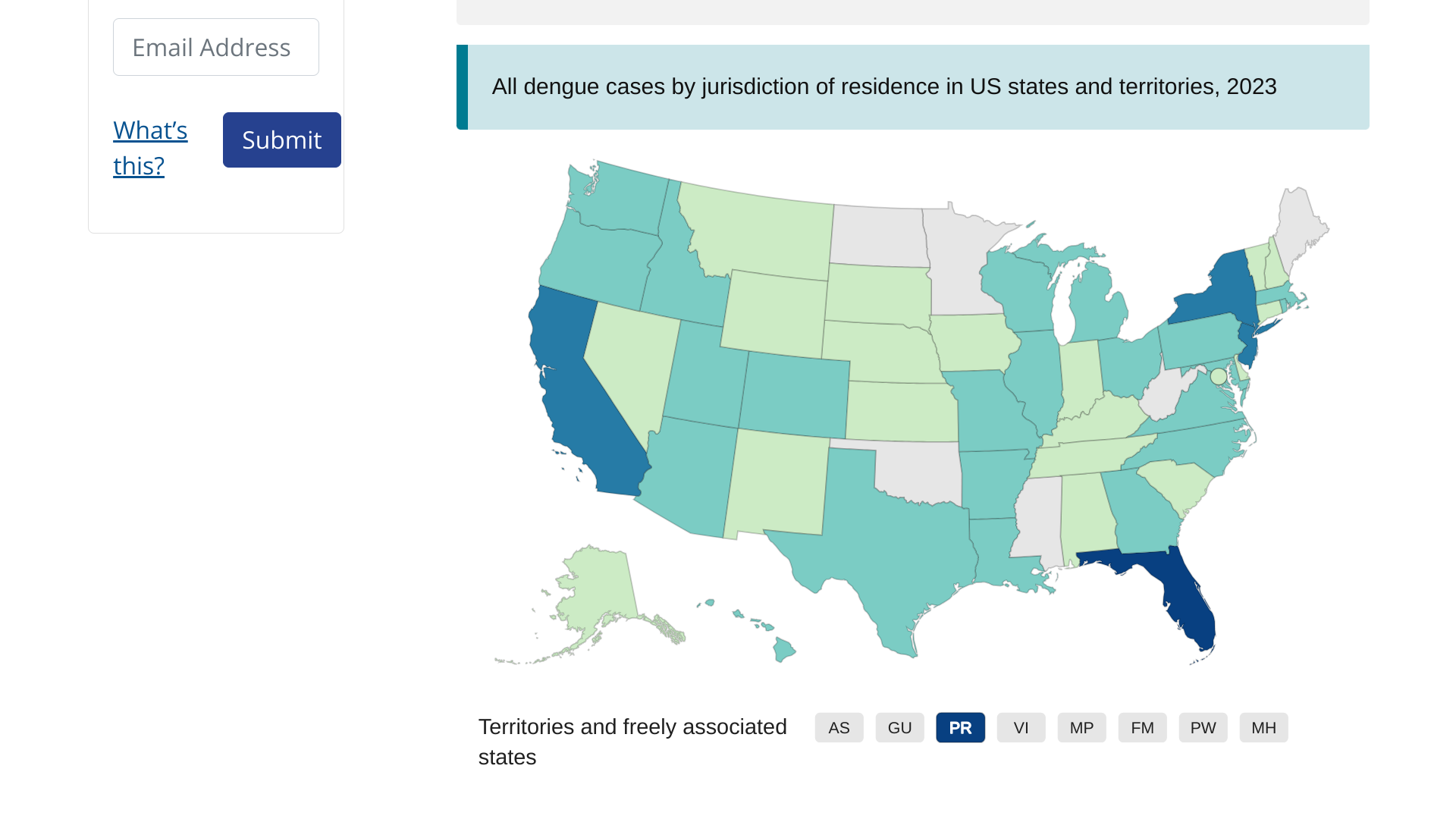
As the global dengue virus outbreak continues in about 80 countries with over 4.5 million dengue cases and over 4,000 dengue-related deaths, new data from Florida indicates there may be fewer cases this year.
Florida Health's Mosquito-Borne Disease Surveillance Report #46 confirmed 458 travel-associated dengue cases and 142 locally acquired dengue cases in 2023.
As of November 18, 2023, most of the travel-related dengue cases have been associated with visitors from Cuba (272).
And Miami-Dade Country has confirmed the most local dengue cases (133).
In 2022, Florida reported 903 travel-associated and 68 locally-acquired dengue cases.
From a prevention perspective, the U.S. FDA-approved Dengvaxia® vaccine is available but is seldom administered because of required diagnostic testing.
Dengvaxia (CYD-TDV) is a live attenuated tetravalent chimeric vaccine made using recombinant DNA technology.
Recently, the FDA extended Dengvaxia's approval to include children aged 9–16 years with laboratory-confirmed previous dengue virus infection and living in areas where dengue is endemic.
However, the vaccine is not approved for use in U.S. travelers who are visiting but not living in an area where dengue is common.
Endemic areas can include some U.S. territories and freely associated states.
A new dengue vaccine, QDENGA®, has recently been approved in various countries, without a pre-administration test requirement.
QDENGA (TAK-003) prevents dengue fever and/or severe dengue caused by any of the four serotypes.