Search API
According to data recently reported by the U.S. Centers for Disease Control and Prevention (CDC), syphilis cases have been increasing in most states, and Alaskans are experiencing surges in this sexually transmitted disease (STD).
As of February 20, 2024, the CDC says syphilis is one STD that lacks a preventive vaccine.
"As recently as 2016, Alaska had just 20 cases of syphilis in a year. In 2022, Alaska had 424 syphilis cases or more than a twenty-fold increase," said a written statement from the Alaska Department of Health.
According to an opinion by Claudia Haines published by the Anchorage Daily News, Dr. Anne Zink, Alaska's chief medical officer, wrote, "Everyone of reproductive age who is sexually active should be tested for syphilis if they are unsure of their syphilis status."
"Everyone should get retested each time they have a new sexual partner, and every 3-6 months if they have multiple partners."
Alaska's epidemiology team identified several barriers faced by the increasing number of people testing positive for syphilis and women birthing babies with congenital syphilis.
The complete, unedited ADN news article is posted at this link.
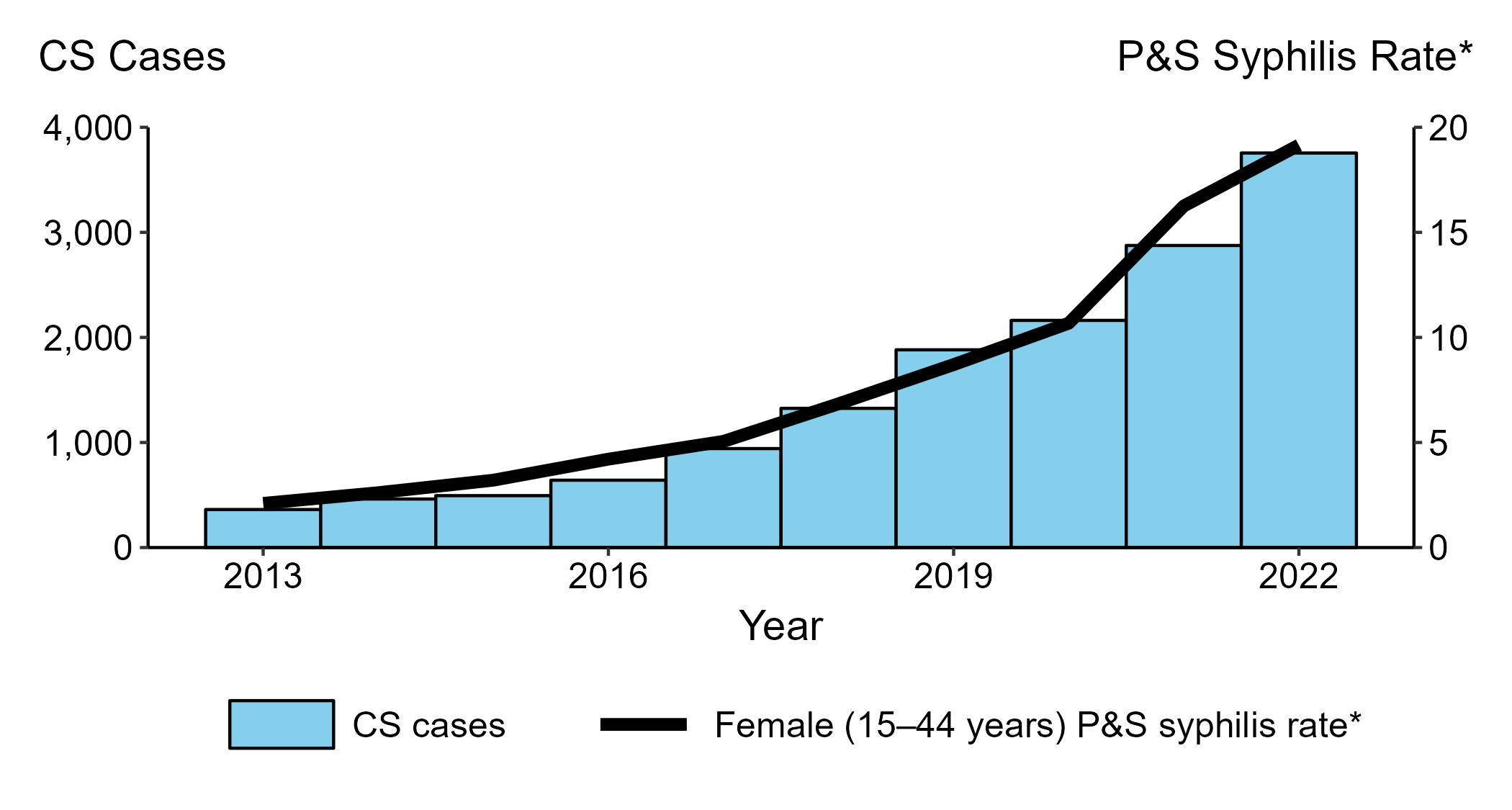
According to the CDC, the national congenital syphilis rate of 102.5 cases per 100,000 live births in 2022 represents a 30.6% increase relative to 2021. From 2021 to 2022, the rate of P&S syphilis increased by 17.2%.
In 2022, 3,755 cases of congenital syphilis were reported nationwide, including 282 congenital syphilis-related stillbirths and infant deaths.
The Florida Department of Health in Broward County (DOH-Broward) confirmed on February 19, 2024, that it is investigating multiple cases of measles at the Manatee Bay Elementary School in Weston, Florida, located just north of Miami.
A CBS News Miami article reported a 5th measles case has been confirmed at this elementary school, which has an enrollment of about 1,100 students.
According to the Manatee Bay school district, about 11% of these students are not fully vaccinated against measles.
In its press release, DOH-Broward has notified local healthcare providers, stating that those who have received the entire series of MMR vaccines are 98% protected against this airborne virus.
Measles vaccines are generally offered at health clinics and pharmacies in Florida.


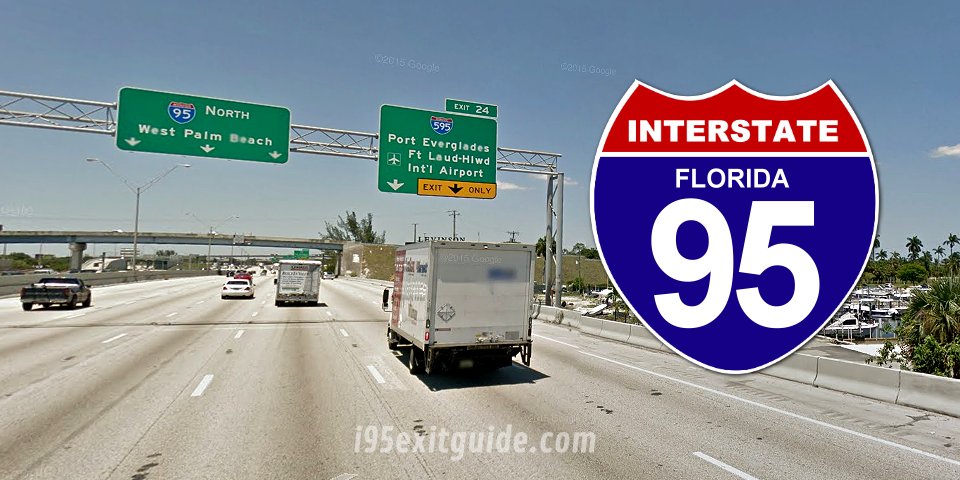
During the measles outbreak of 2024, various states along the I-95 highway reported cases. Based on local news reporting, add Southeaster Florida to this expanding list.
As of February 18, 2024, Broward County health officials have confirmed four measles cases at Manatee Bay Elementary School in Weston, Florida.
News7 Miami reported John J. Sullivan, Chief Communications and Legislative Affairs Officer, Broward County Public Schools, wrote in an email, "The health, safety, and welfare of our students and staff remain our utmost priority. The District continues to work closely with the Florida Department of Health – Broward following three additional confirmed measles cases at Manatee Bay Elementary School."
As of last week, the U.S. CDC reported 20 measles cases in eleven jurisdictions. These measles cases were reported in Georgia, Maryland, New Jersey, New York City, Pennsylvania, and Northern Virginia.
Globally, the CDC says 47 countries have reported measles outbreaks during the past year.
The virus is transmitted from person to person via respiratory droplets, mainly related to unvaccinated international travelers.
Measles is a vaccine-preventable disease. Vaccines are offered throughout the U.S. at health clinics and pharmacies.
Note: This news article was updated to reflect CBS News Miami reporting on Feb. 20, 2024, a 5th measles case has been confirmed at Manatee Bay Elementary School.
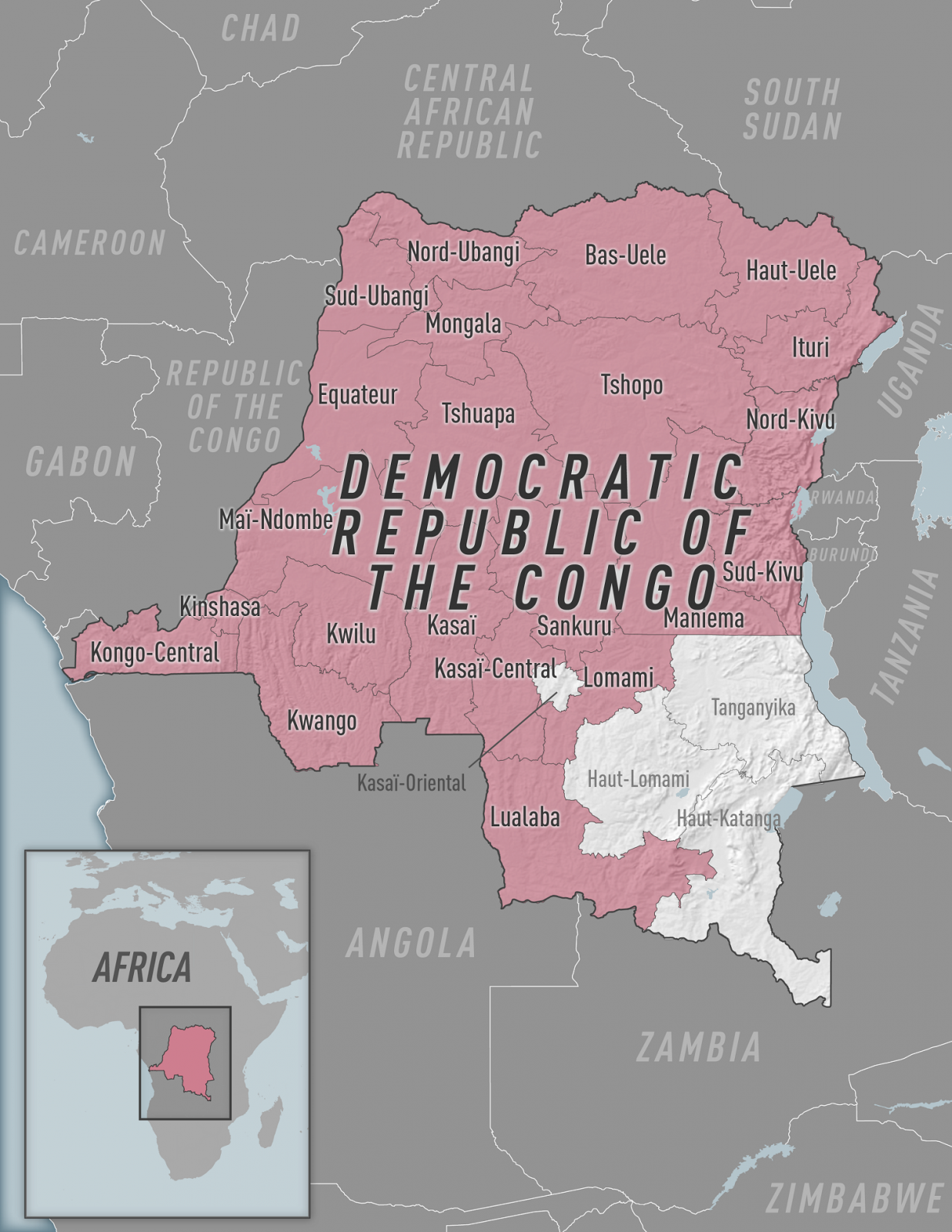
The ongoing mpox outbreak in the Democratic Republic of the Congo (DRC) has reached 22 out of 26 provinces, including the capital city of Kinshasa and a few other large cities.
As of February 8, 2024, the U.S. CDC reported the DRC had confirmed 12,569 suspect mpox cases and 581 deaths since January 2023.
Furthermore, the CDC's Level 2 Travel Advisory says casual contact is not likely to cause the disease to spread. However, travelers to impacted areas should seek medical care immediately if they develop unexplained skin rash, with or without fever and chills.
The CDC says people in the United States who have already had a mpox infection or are fully vaccinated with the JYNNEOS® (MVA-BN®, IMVAMUNE®) vaccine should be protected against the type of mpox cade spreading in DRC.
JYNNEOS is a 2-dose vaccine; people need both doses for the best protection against mpox. The second dose should be given four weeks after the first dose.
In the U.S., some large cities offer JYNNEOS for free. It may be available at the health department, public health clinics, hospitals, or pharmacies.
The World Health Organization (WHO) Mpox External Situation Report #31 confirmed on December 22, 2023, that it has received mpox case reports from 115 affected countries since May 2022. Based on the data reported, the mpox outbreak will continue in most WHO regions in 2024.
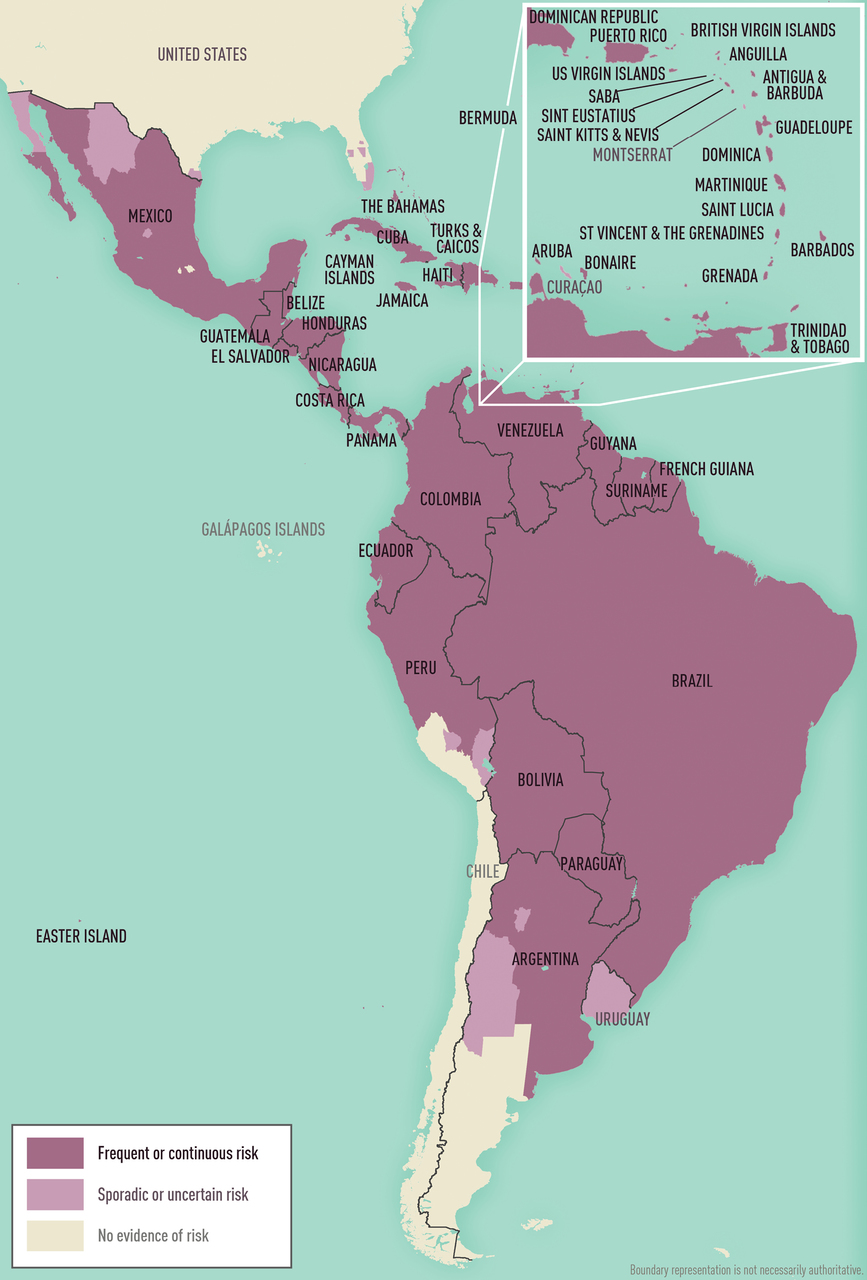
The Pan American Health Organization (PAHO) has released an Epidemiological Alert regarding the ongoing circulation of the Dengue virus in the Region of the Americas.
This region accounts for about 80% of all Dengue cases worldwide.
As of week #5 on February 17, 2024, there have been 673,267 cases of Dengue reported, out of which 102 have been fatal (case fatality rate of 0.015%). This marks a 157% increase in the number of cases from the same period in early 2023.
In 2023, a total of 4,565,911 cases of Dengue were confirmed, including 2,340 deaths.
According to the U.S. CDC, Dengue is an acute febrile illness caused by infection with any of four related single-stranded RNA viruses of the genus Flavivirus. Almost all Dengue virus transmission occurs through the bite of infected Aedes species mosquitoes.
To alert international travelers, the CDC issued Level 1 Travel Health Notices regarding dengue outbreaks in the Americas in February 2024.
From a prevention perspective, the CDC's Advisory Committee on Immunization Practices recommended the Dengvaxia® vaccine in 2021 for children aged 9–16 years with laboratory-confirmed previous dengue infection who are living in areas of the United States where Dengue is endemic.
As of February 19, 2023, the second generation QDENGA® vaccine is not authorized for use in the U.S.

During the global measles outbreak of 2024, the UK Health Security Agency (UKHSA) announced yesterday that there has been a potential slowing of measles cases in England.
On February 15, 2024, the UKHSA reported that since October 2023, England has confirmed 521 measles cases. There were 252 in January and 50 so far in February 2024.
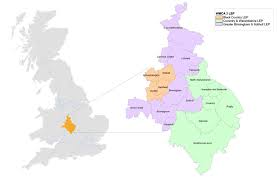
From a location perspective, 69% (358 of 521) of these cases have been in the West Midlands, 14% in London, and 7% in Yorkshire and The Humber. The remaining cases were reported in other regions of England.
Across the West Midlands, the population centers of Birmingham (1.1 million) and Coventry (350,000) are located.
Dr Vanessa Saliba, UKHSA Consultant Epidemiologist, commented in a press statement, "As expected, due to worryingly low MMR vaccine uptake in some areas across England."
"We are now seeing clusters of cases in other (England) regions."
There are two different brands of MMR vaccine available in the UK. These are called Priorix and MMRVaxPro.
The UKHSA stated the data published in this epidemiological overview is currently provisional, with the number of cases for the most recent months likely to increase.
According to the U.S. Centers for Disease Control and Prevention (CDC), there has been a rise in person-to-person outbreaks of hepatitis A in the United States since 2016.
On February 15, 2024, the CDC released a statement that the risk of hepatitis A transmission is higher in jails and presented a case study on reducing the risk of this disease.
The Los Angeles County Jail system was notified on May 30, 2023, that the Los Angeles County Jail system, the largest in the United States, was notified that an incarcerated person, a food handler, had received a positive hepatitis A test result.
Using electronic health records and the state immunization registry, investigators identified persons eligible for hepatitis A vaccination. There were 2,766 persons who were offered the vaccine, and 54.6% agreed to receive it.
Persons initially declined vaccination were offered a second opportunity to receive a vaccine. Incarcerated kitchen workers with undocumented vaccination history or undocumented serology who refused vaccination were removed from kitchen duties until the end of their potential incubation period.
As of October 16, 2023, no additional Hep A cases have been identified in that LA jail system.
The CDC says, 'Identifying (hep A) contacts promptly and using immunization and serology records to ensure rapid delivery of postexposure prophylactic vaccine can help prevent disease transmission during exposures among incarcerated populations.'