Search API

Meningococcal Vaccines

Meningococcal Vaccines April 2025

There are three types of meningococcal vaccines licensed by the U.S. Food and Drug Administration (FDA): Meningococcal conjugate (MenACWY) in 2005 and Serogroup B meningococcal (MenB) vaccines in 2015. According to the U.S. CDC, about 88% of adolescents aged 13–17 had received at least one MenACWY dose.

Internationally, the European Medicines Agency (EMA) and the U.K. NHS have approved vaccines such as MenQuadfi and Hib/MenC. The Global Roadmap for Defeating Meningitis by 2030 was endorsed by the World Health Assembly and launched in 2021. According to a research report published in 2022, the meningococcal vaccine market is expected to reach approximately U.S. $5.91 billion by 2030.

Quadrivalent Meningococcal Conjugate (MenACWY) Vaccines

Menactra vaccine is for active immunization to prevent invasive meningococcal disease caused by Neisseria meningitidis serogroups A, C, Y, and W-135. Menactra vaccine is approved for use in individuals nine months through 55 years of age.

Menveo® vaccine is indicated for active immunization to prevent invasive meningococcal disease caused by Neisseria meningitidis serogroups A, C, Y, and W-135. It is approved for use in people aged two months through 55.

MenQuadfi® vaccine is indicated for active immunization to prevent invasive meningococcal disease caused by Neisseria meningitidis serogroups A, C, W, and Y. MenQuadfi is approved for those two years of age and older.

Serogroup B Meningococcal (MenB) Vaccines

Trumenba vaccine is used for active immunization to prevent invasive disease caused by Neisseria meningitidis serogroup B. Trumenba is approved for individuals aged 10-25 years.

Bexsero® is a vaccine against Neisseria meningitidis serogroup B, which causes invasive diseases. The vaccine was approved for use in 2015 for individuals aged 10 through 25. 

Two additional licensed meningococcal vaccines are no longer available in the United States: 1) a quadrivalent (serogroups A, C, W, and Y) meningococcal polysaccharide vaccine (MPSV4) (Menomune – A/C/Y/W-135) and 2) a combined Haemophilus influenzae type b and meningococcal serogroups C and Y conjugate vaccine (Hib-MenCY-TT) (MenHibrix).

Meningococcal Pentavalent Vaccines

GlobalData projects the collective revenue for pentavalent vaccines to reach approximately $555 million in the U.S. by 2029.

Pfizer Inc.'s PENBRAYA™ (meningococcal groups A, B, C, W, and Y vaccine) is a pentavalent vaccine that combines the components from two meningococcal vaccines, Trumenba® (meningococcal group B vaccine) and Nimenrix® (meningococcal groups A, C, W-135, and Y conjugate vaccine), to help protect against the five most common meningococcal serogroups that cause the majority of M.D. globally. PENBRAYA is administered as a two-dose series given six months apart. On October 25, 2023, Jennifer Collins, MD, MSc, presented a Summary of EtR and proposed recommendations for Pfizer's MenABCWY vaccine.

Serum Institute of India Pvt. Ltd. MenFive® (NmCV-5) is a pentavalent vaccine targeting the A, C, W, Y, and X serogroup. In July 2023, the WHO prequalified MenFive®. Nigeria became the first country in the world to offer the multivalent conjugate vaccine Men5CV. In September 2023. the WHO's SAGE then advised all countries in the meningitis belt to introduce the new vaccine, which it described as Men5CV, into their routine immunization programs.

GSK's PENMENVY (Meningococcal Groups A, B, C, W, and Y Vaccine), for use in individuals aged 10 through 25, combines Bexsero (meningococcal group B vaccine) and Menveo (meningococcal group A, C, W-135, and Y conjugate vaccine). On April 15, 2025, the ACIP voted to recommend that persons over 10 years old receive a single dose.


0 min read
Availability: 
worldwide
Drug Class: 
Vaccine
Condition: 
Last Reviewed: 
Friday, April 18, 2025 - 06:45
Status: 
FDA First In Class: 
Yes
Kosher: 
Yes
Halal: 
Yes
Location tags: 

Eupolio Polio Vaccine

Eupolio Polio Vaccine 2022

Eupolio Polio Vaccine is a Sabin-Inactivated Polio Vaccine (Sabin-IPV). The main advantage of using attenuated Sabin poliovirus strains in IPV production is that there is a lower biosafety risk than wild-type polioviruses used to manufacture conventional IPVs, which has the potential to pose a biosafety hazard in case they escape from the manufacturing facility.

Eupolio is the first Sabin-IPV to obtain WHO prequalification in late December 2020. The main advantage of using attenuated Sabin poliovirus strains in IPV production is that there is a lower biosafety risk compared to wild-type polioviruses used to manufacture conventional IPVs, which has the potential to pose a biosafety hazard in case they escape from the manufacturing facility.

LG Chem initiated the development of Eupolio™ in 2014 and invested in the construction of state of the art WHO Global Action Plan III compliant manufacturing facility in Osong, Korea.
 
Eupolio™ demonstrated excellent phase III results in 2019, inducing high antibody titers against both wild-type and Sabin polioviruses, which will also protect against circulating vaccine-derived polioviruses (cVDPV) that make up the majority of polio cases in recent years.

LG Chem rapidly developed clinical products and processes through active facility investment since the beginning of the vaccine development. The Bill and Melinda Gates Foundation, the largest health-related support organization in the world, had provided a total of US$57.6 million in support funds for the Eupolio and Eupolio-based Mixed Vaccine Projects since 2017 by highly recognizing LG Chem's capabilities.

Since its establishment in 1947, LG Chem has continuously achieved growth through endless challenges and innovations as Korea’s leading chemical company.

Eupolio Indication

Eupolio is indicated to protect both wild-type and Sabin polioviruses, which will also protect against circulating vaccine-derived polioviruses (cVDPV) that make up most of the polio cases in recent years.

Eupolio News 2019-2021

January 8, 2021 - LG Chem announced that it had signed a contract with UNICEF to supply US$80 million worth of polio vaccine Eupolio from 2021 to 2022. The contract will make LG Chem one of the top three suppliers of polio vaccines to UNICEF as the company will account for more than 20 percent of UNICEF's procurement volume.

January 7, 2021 - LG Chem to Contribute to Global Polio Eradication with Eupolio™, the First Sabin Inactivated Polio Vaccine to Receive WHO Prequalification. WHO prequalification of Eupolio™ is a major milestone in ongoing efforts towards global polio eradication. It will help close the gap between demand and supply of safe and effective Inactivated Polio Vaccine (IPV) for millions of infants in need of immunization against poliovirus.

October 15, 2019 - WHO-UNICEF Consultation with OPV/IPV Manufacturers, National Authorities for Containment, and National Regulatory Authorities.

March 11, 2019 - LG Chem announced that it would receive support from the Bill & Melinda Gates Foundation to develop a hexavalent vaccine to prevent six diseases ― diphtheria, tetanus, whooping cough (pertussis), hepatitis B, Haemophilus influenzae type B, and polio.

Eupolio Clinical Trials

LG Chem continues to test Eupolio vaccines in clinical trials.

0 min read
Availability: 
WHO prequalified
Generic: 
Sabin-IPV
Drug Class: 
Vaccine
Condition: 
Last Reviewed: 
Monday, June 6, 2022 - 06:00
Brand: 
Eupolio
Status: 
Rate Vaccine: 
oXlbXHSC

HPV Vaccines

Human Papillomavirus (HPV) Vaccines 2025

The World Health Organization (WHO) recommends vaccinating against human papillomavirus (HPV) to prevent infections and associated cancers. As of April 15, 2025, six licensed HPV vaccines protect men and women against cancers caused by HPV. These bivalent, quadrivalent, and nonavalent HPV vaccines are available in 140 countries. The WHO has prequalified five HPV vaccines.

In the U.S., the Centers for Disease Control and Prevention (CDC) has recommended HPV vaccination for women since 2006 and for men since 2011. The current CDC HPV vaccination schedules were updated in 2025. HPV vaccine availability status in the U.S. is posted at View-Hub. On April 15, 2025, Carla L. DeSisto, PhD, MPH, presented: Reduced number of doses for HPV vaccination series: ACIP Work Group progress and literature update.

HPV Vaccines Approved

Gardasil - Merck's Gardasil® vaccine contains four HPV types: 6, 11, 16, and 18. It was approved in China for both men and women in 2025.

Gardasil 9® consists of HPV proteins Types 6, 11, 16, 18, 31, 33, 45, 52, and 58.

Cervarix—GlaxoSmithKline's Cervarix is a non-infectious recombinant, AS04-adjuvanted vaccine that contains recombinant L1 protein, the major antigenic protein of the capsid of oncogenic HPV types 16 and 18.

CecolinInnovax Biotech Ltd.'s Cecolin HPV bivalent vaccine protects women against HPV 16 and 18. Cecolin 9 is a second-generation nonavalent HPV 6/11/16/18/31/33/45/52/58 vaccine approved for one dose.

Wa Biotechnology's recombinant bivalent HPV vaccine is effective against HPV strains 16 and 18. China's National Medical Products Administration approved it in March 2022.

Yuxi Zerun Biotechnology Co., Ltd. Walrinvax® two-dose HPV vaccine was approved in China in February 2024 and prequalified by the WHO in August 2024.

Cervavac is the Serum Institute of India's quadrivalent human papillomavirus vaccine (qHPV), authorized in India for 9-to 26-year-olds. Local availability began in 2023. 

HPV Vaccine Candidates

PDS Biotech's Versamune® HPV (formerly PDS0101) is conducting multiple phase 2 studies in 2024.

RGVax - The U.S. FDA completed its review of the investigational new drug application for its licensed monovalent component, HPV16 RG1-VLP, and concluded that a Phase 1 clinical trial might proceed as of March 29, 2023. RGVax is a chimeric HPV VLP platform that displays 360 copies of the highly conserved, neutralizing HPV epitope. PathoVax LLC licensed the underlying RGVax foundational technology from Johns Hopkins Univers. Transgene's TG4001 HPV16 vaccine candidate uses an attenuated and modified poxvirus as a vector that expresses the HPV16 E6 and E7 proteins and interleukin-2. Data presented on June 5, 2023, demonstrates that Transgene's TG4001 could induce a specific immune response against the antigens vectorized within this vaccine.

Nykode Therapeutics announced positive results from the Phase IIa trial of its cervical cancer vaccine, VB10.16, delivered in combination with atezolizumab to 52 participants. Patients who received the vaccine were tracked for 1 year, with a median overall survival of 16.9 months. A second, more extensive trial of VB10.16 in cervical cancer is set to begin in 2023.

VGX-31 - Inovio's investigational immunotherapy vaccine includes DNA plasmids targeting the E6 and E7 proteins of HPV types 16 and 18.

INO-3107 - INOVIO announced positive interim results from an ongoing Phase 1/2 clinical trial evaluating INO-3107. The results showed a statistically significant improvement in the clinical endpoint, the number of surgical interventions required to control papilloma growth. INO-3107 was also well-tolerated and immunogenic in the trial.

VTP-2 - Vaccitech's ChAdOx1-HPV immunotherapy for high-risk HPV infection and low-grade cervical intraepithelial neoplasia. The platform has a differentiated ability to induce CD8+ T cells and cells of the immune system that naturally clear HPV-infected cells in cervical tissue. In addition, VTP-200 targets six early proteins from five high-risk HPV groups and therefore covers more HPV types than any other immunotherapy previously tested. Data from the first 58 women enrolled who reached their 6-month timepoint in the HPV001 phase 1/2study were reviewed internally, and the trial will continue as planned to the 12-month primary endpoint.

HB-201 - HOOKIPA Inc.'s monotherapy uses an arenavirus backbone (LCMV for HB-201) to express the antigen, an E7/E6 fusion protein derived from HPV16+.

VB10.16 - Nykode Therapeutics is developing a potential first-in-class, off-the-shelf therapeutic cancer vaccine for HPV16-positive cancers.

REC603 - Jiangsu Technology's REC603 is a recombinant HPV 9-valent vaccine used in a phase 3 clinical trial. The REC604a is equipped with the novel adjuvanted BFA04 independently developed by the Company, which aims to reduce the vaccination dose by enhancing the immunogenicity and cross-protection effects.

Defence Therapeutics Inc. developed the AccuVAC-PT007, a protein-based vaccine targeting the E7 oncoprotein of the HPV virus. 

LinKinVax is conducting a first-in-human Phase I/IIa clinical trial with CD40HVac, a new therapeutic vaccine candidate in immuno-oncology targeting dendritic cells against head and neck cancer associated with HPV. The first patient was dosed with CD40HVac for HPV-positive oropharyngeal cancer on September 18, 2023.

Genexine GX-188E (tirvalimogene teraplasmid) is a DNA therapeutic vaccine fused with encoding both E6 and E7 antigens and the extracellular domain of Flt3L to target and activate dendritic cells. A Multi-Center, Open-label Phase Ib-II Trial of the Combination of GX-188E Vaccination and Pembrolizumab in Patients with Advanced, Non-Resectable HPV-Positive Cervical Cancer.

PDS Biotechnology PDS0101 is a novel investigational HPV-targeted immunotherapy that stimulates a potent targeted T-cell attack against HPV-positive cancers. The VERSATILE-002 Phase 2 trial is for the treatment of recurrent or metastatic HPV16-positive head and neck cancer.

Precigen, Inc. presented PRGN-2009 AdenoVerse™ immunotherapy alone and in combination with an investigational anti-PDL1/TGF-Beta Trap checkpoint inhibitor in patients with recurrent/metastatic HPV-associated cancers (NCT04432597) in Abstract #2628.

Aston Sci. received Phase 2 Clinical Investigational New Drug approval from the U.S. FDA on September 12, 2023, for the AST-201 vaccine, which was explicitly designed for ovarian cancer.

HPV Vaccine Doses

The WHO's global recommendation for one-dose HPV vaccine schedules in 2022 significantly reduced barriers to scaling up vaccination programs. The Americas Region and the Regional Office for Africa also issued recommendations for the single-dose vaccination schedule. On April 11, 2022, the WHO's Strategic Advisory Group of Experts on Immunization concluded that a single-dose HPV vaccine provides virus protection comparable to that of 2-dose schedules. The UK's Joint Committee on Vaccination and Immunisation announced on August 5, 2022, that one HPV dose is as effective as two doses in preventing HPV-related cancers in adolescents. The CDC's recommendations for 2 or 3 HPV vaccinations were updated in 2023. 

According to estimates from the WHO, the switch to a single-dose vaccine schedule resulted in an additional six million girls vaccinated against HPV in 2023. That year, 27% of girls aged 9 to 14 years received a single dose of the HPV vaccine, compared with 20% in 2022. As of 2024, 57 countries, up from 37 last year, had adopted the new vaccination schedule.

HPV Vaccine Effectiveness

The Journal of the National Cancer Institute published results from a study in January 2024 that found no cases of invasive cancer among women in Scotland who were immunized at 12 or 13 years of age, irrespective of the number of bivalent vaccine doses. Women vaccinated at 14 to 22 years of age and given three doses of the bivalent vaccine showed a significant reduction in incidence compared with all unvaccinated women (100,0002/100,000 [95% confidence interval (CI) = 2.1 to 4.6] vs. 8.4 [95% CI = 7.2 to 9.6]).

A study published by the Journal of Infectious Diseases on October 12, 2023, found genital HPV infections within 24 months in abCI: 33.4 48.433.4-48.4) of unvaccinated young women in new heterosexual relationships. Other sexually transmitted disease vaccine news is posted at this link

Lauri E. Markowitz, M.D. Division of Viral Diseases, U.S. CDC Advisory Committee on Immunization Practices presented on June 23, 2022, which summarized: 'There are now data on 1-dose HPV vaccination, including efficacy data from a randomized controlled trial with 18-month follow-up. In addition, long-term follow-up from other studies suggests a long duration of protection (>10 years) with a single dose. And Julia Gargano, Ph.D., presented: 'Impact of the US HPV vaccination program on HPV-associated outcomes. Declines in HPV16/18 prevalence have translated into declines in cervical precancer incidence in young women.' 

systematic review of 138 peer-reviewed studies, published between March 2016 and March 2020, within MEDLINE, EMBASE, and Google Scholar, involving 14 years of follow-up data, details the Impact and effectiveness of GARDASIL through immunization programs in 23 countries across Africa, Asia, Europe, Australia, South America, and North America. The most significant reductions were observed in younger age groups (14-17 years), with up to 73% reduction in CIN3+ among vaccinated females. Consistent with previous reviews, declines in the incidence of anogenital warts continue to be observed in vaccine-targeted female age groups, with more pronounced decreases (up to 88%) in younger age groups.

HPV Vaccination and HIV

A peer-reviewed study published on October 1, 2022, found that MSM with HIV would benefit from Gardasil 9 immunization, particularly the youngest and those with prior gonococcal infection.

HPV Vaccination and Pregnant Women

HPV vaccination is not recommended for use by women during pregnancy

HPV Cancer and Men

The Lancet Global Health pre-released a September 2023 report showing that almost 33% of men over 15 are infected with at least one genital HPV type, and 20% are infected with one or more high-risk or oncogenic HPV types.

HPV Cancers

In 2024, patients aged 65 and older had the most significant increase (32.2%) in HPV diagnoses. The Global HPV Consortium, which focuses on accelerating the prevention of HPV and eliminating cervical, throat, anal, and other HPV cancers, was launched on September 4, 2023, and is led by the Sabin Vaccine Institute as its Secretariat. The Lancet Oncology reported in September 2023 that African countries are home to 19 of the 20 countries with the highest burden of cervical cancer. 

HPV Vaccine Cost

The HPV vaccine is the most expensive of all routinely recommended pediatric vaccines, according to a July 2023 study. This study found that net returns from HPV vaccine cost reimbursements are lowest for family physicians ($0.34/dose) and highest for pediatricians ($5.08/dose). Furthermore, reimbursement for HPV vaccine costs by private payers is adequate; however, return margins are small for non-pediatric specialties. The CDC reported in August 2023 that HPV vaccination initiation fell among adolescents insured by Medicaid and remained lowest among the uninsured, two of the four groups that constitute the Vaccines for Children population. The Vaccines for Children Program Vaccine Price List was updated in 2025.

Insight Partners stated that the HPV vaccine market is projected to reach $5.73 billion by 2028, growing at a CAGR of 5% from 2022 to 2028. HPV vaccine prices and discount information are posted at InstantRx™.

CONTENT SOURCES:  World Health Organization, US Centers for Disease Control and Prevention, FDA, research studies, manufacturer announcements, and the Vax-Before-Travel news network, reviewed by healthcare providers, such as Dr. Bob Carlson.

0 min read
Vaccine: 
Availability: 
Worldwide
Clinical Trial: 
https://clinicaltrials.gov/
Drug Class: 
Vaccine
Condition: 
Last Reviewed: 
Friday, December 12, 2025 - 11:10
Status: 
FDA First In Class: 
Yes
Kosher: 
Yes
Halal: 
Yes
Location tags: 

Pneumosil Pneumococcal Vaccine

Pneumosil® Pneumococcal Vaccine 2023

Pneumosil® a sterile suspension of saccharides of the capsular antigens of 10 Streptococcus pneumoniae serotypes 1, 5, 6A, 6B, 7F, 9V, 14, 19A, 19F, and 23F individually conjugated by using 1 cyano-4-dimethylamino pyridinium tetrafluoroborate chemistry (CDAP) to non-toxic diphtheria CRM197 protein.

The polysaccharides are chemically activated and then covalently linked to the protein carrier CRM197 to form the glycoconjugate. Individual conjugates are compounded, and then polysorbate 20 and aluminum phosphate are added to formulate the vaccine, said PATH.org.

PNEUMOSIL is more affordable than the existing PCVs and provides comparable protection by targeting the most prevalent serotypes of the bacterium causing serious illness in developing countries. As a PCV, PNEUMOSIL is similar to the pediatric pneumococcal vaccine already on the market and targets serotypes 1, 5, 6A, 6B, 7F, 9V, 14, 19A, 19F & 23F.

According to research published in The Lancet in January 2023, Pneumosil was found to be as safe and effective against invasive and mucosal pneumococcal disease in a phase 3 clinical trial as the 10-valent PHiD-CV (Synflorix) and 13-valent PCV13 (Prevenar 13) vaccines in infants.

“Pneumosil has been extensively evaluated in five randomized and controlled clinical trials, and has demonstrated comparable safety and immunogenicity against licensed pneumococcal vaccines across diverse populations of India and Africa, where Pneumosil was administered to adults, toddlers and infants using different vaccination schedules,” Vardhan was quoted as saying in the statement.

Serum Institute of India Pvt. Ltd. is the world's largest vaccine manufacturer by several doses produced and sold globally (more than 1.5 billion doses), which includes Polio vaccine as well as Diphtheria, Tetanus, Pertussis, Hib, BCG, r-Hepatitis B, Measles, Mumps, and Rubella vaccines.

Pneumosil Indication

Pneumosil is indicated against invasive disease, pneumonia, and acute otitis media caused by Streptococcus pneumoniae serotypes 1, 5, 6A, 6B, 7F, 9V, 14, 19A, 19F, and 23F in infants and toddlers from 6 weeks up to 2 years of age.

Vaccines help prevent pneumococcal disease, an illness caused by Streptococcus pneumoniae bacteria says the U.S. CDC. Pneumococcal disease is common in young children, but older adults are at the greatest risk of serious illness and death. CDC recommends pneumococcal vaccination for all children younger than 2 years old and adults 65 years or older. In certain situations, older children and other adults should also get pneumococcal vaccines.

Pneumosil Dosage

The dosage of Pneumosil is 0.5 ml, given intramuscularly, with care to avoid Injection into or near nerves and blood vessels. The product is a suspension containing an adjuvant, which needs to be shaken vigorously immediately before obtaining a homogenous, whitish turbid liquid in the vaccine container.

The vaccine should be given by intramuscular injection only.

Pneumosil News 2023

April 22, 2022 - News article: Time well spent: The complex journey of a life-saving vaccine.

April 6, 2021 - The Serum Institute of India confirmed it would supply the first indigenously developed pneumococcal conjugate vaccine to the Centre. The doses will be sent to government medical store depots in Kolkata, Mumbai, and Karnal. SII intends to supply 2.4 crore doses of the vaccine to the Health Ministry by December 2021. The supply order was issued on February 3, 2021, in the name of Prakash Kumar Singh, the Director of Government and Regulatory Affairs at the Pune-based SII.

December 28, 2020 - Serum Institute of India announced the launch of India's first indigenously developed pneumococcal vaccine -- Pneumosil -- in the Union's presence of Health Minister Harsh Vardhan. Pneumosil has been developed through collaboration spanning over a decade among the Serum Institute, PATH, and the Bill and Melinda Gates Foundation. This significant milestone aims to improve pneumococcal conjugate vaccine affordability and enable sustainable access for low-and middle-income countries.

December 19, 2019 - PNEUMOSIL®, a vaccine against a leading cause of deadly childhood pneumonia—the pneumococcus bacterium—has achieved prequalification by the World Health Organization. Developed through a collaboration spanning over a decade between Serum Institute of India, Pvt., Ltd. and PATH and with funding from the Bill & Melinda Gates Foundation, the vaccine is expected to protect children on par with other pneumococcal conjugate vaccines at a price that is more affordable for low- and middle-income countries.

March 6, 2019 - Pfenex Inc. announced that Serum Institute of India Private Limited had completed a pivotal Phase 3 study for Pneumosil®, a 10-valent pneumococcal conjugate vaccine. Serum Institute indicates all primary and secondary objectives were met. Following a review of the Complete Study Report and product dossier by the Drug Controller General of India, Serum Institute has received an export license for Pneumosil.

Pneumosil Pneumococcal Vaccine Clinical Trials

Clinical Trial NCT03197376Phase 3 Study of 10-valent Pneumococcal Conjugate Vaccine (PNEUMOSIL) in Healthy Infants. Last Update Posted: July 14, 2020.

This study will examine the consistency of 3 batches of the Pneumosil vaccine by looking at infants' immune response. The study will also compare the immunogenicity of the Pneumosil vaccine to another WHO-prequalified vaccine, Synflorix.

0 min read
Availability: 
India
Generic: 
10-valent Pneumococcal Conjugate Vaccine
Drug Class: 
Vaccine
Condition: 
Last Reviewed: 
Tuesday, March 7, 2023 - 05:20
Brand: 
Pneumosil
Status: 
Manufacturer Country ID: 
Rate Vaccine: 
rDX0stn6

UV1 Cancer Vaccine

UV1 Cancer Vaccine Clinical Trials, Efficacy, Indication, Side Effects

Ultimovacs ASA's UV1 is a peptide-based vaccine inducing a specific T-cell response against the universal cancer antigen telomerase. As a universal cancer vaccine, UV1's unique action mechanism can apply to most cancer types. Unlike algorithm-selected vaccine peptides, the UV1 peptides contain epitopes documented by cancer patients' immune systems. In addition, the UV1 universal cancer vaccine candidate leverages the high prevalence of the human telomerase (hTERT) to effectively cross the dynamic stages of the tumor's growth and microenvironment.

Immune responses against several hTERT epitopes, including novel hTERT epitopes not present in the vaccines, were detected in blood samples from long-term surviving patients following vaccine treatment but not in patients without clinical benefit. Based on these data, three peptides to elicit robust T cell responses across different cancer types were selected as the UV1 vaccine components.

UV1 is being developed as a therapeutic cancer vaccine, which may serve as a platform for use combined with other immunotherapy that requires an ongoing T cell response for their mode of action. In addition, UV1's unique mechanism of action can apply to most cancer types. UV1 consists of long, synthetic peptides that induce CD4+ T cells displaying a Th1 cytokine profile. By directing the immune system to hTERT antigens in over 80% of all cancers, UV1 drives CD4 helper T cells to the tumor to activate an immune system cascade to increase anti-tumor responses.

On March 2, 2024, Ultimovacs ASA announced that the results from the randomized controlled Phase II clinical trial, NIPU, were published in the European Journal of Cancer. On August 5, 2024, Ultimovacs announced the topline results from the Phase II FOCUS trial (NCT05075122). The topline data readout demonstrated that adding UV1 to the standard of care pembrolizumab did not lead to clinical benefits in progression free survival or overall survival in those late-stage HNSCC patients, therefore, the study did not meet its primary and secondary endpoints. Ultimovacs is also investigating UV1 in ovarian cancer in the ongoing Phase II DOVACC trial, which evaluates a combination of olaparib and durvalumab +/- UV1 vs. olaparib alone as second-line maintenance treatment for patients with high-grade BRCA-negative ovarian cancer. Topline results are expected in the first half of 2025, well within the current financial runway, which reaches the fourth quarter of 2025.

Oslo, Norway-based Ultimovacs ASA is a pharmaceutical company (OSE ULTI) developing novel immunotherapies against cancer. The lead product candidate is UV1, a peptide-based vaccine inducing a specific T cell response against the universal cancer antigen telomerase and immune activation for a prostate cancer-specific therapeutic. The Company's clinical studies are listed here.

UV1 Cancer Vaccine Indication

The UV1 telomerase peptide vaccine has demonstrated robust immune response induction and promising clinical activity in several malignancies. Ultimovacs has a long-standing commitment to the development of UV1-based treatments for melanoma. Malignant melanoma is a skin cancer with a significant and unmet medical need for improved therapies. More than 130,000 new cases of melanoma are diagnosed worldwide every year, and an estimated 50,000 people die from metastatic melanoma every year.

UV1 Cancer Vaccine News

October 17, 2023 - "For patients with malignant mesothelioma, few treatment options are available after first-line chemotherapy. The NIPU study showed that patients receiving UV1 vaccination as an add-on to nivolumab and ipilimumab experienced an increased objective response rate and a clinically meaningful prolonged survival. These encouraging results provide a foundation for advancing further clinical development with UV1 vaccination in mesothelioma patients," said Principal Investigator of the NIPU clinical trial, Professor Åslaug Helland, MD, Ph.D.

October 12, 2023 - Jens Bjørheim, Chief Medical Officer at Ultimovacs, stated in a press release, "The UV1-103 study treats the same patient population as our Phase II study INITIUM. As we await data from the first three randomized UV1 Phase II trials in the near-term, we are increasingly optimistic about UV1's potential to benefit cancer patients."

June 19, 2023 - "We are very encouraged to observe a 67% overall survival rate at 3-year follow-up in this Phase I study, which treats the same patient population as our UV1 Phase II study, INITIUM. These data further strengthen the previously reported results from the study, including good safety for UV1 and a remarkable 33% complete response rate in patients with metastatic malignant melanoma where surgery is not an option. The data continue to show that UV1 in combination with pembrolizumab has promising signs of efficacy," said Jens Bjørheim, Chief Medical Officer at Ultimovacs. 

October 25, 2022 - Ultimovacs ASA announced that the first patient had been randomized in the LUNGVAC study. The study in non-small cell lung cancer is the fifth Phase II clinical trial in which UV1 is being investigated in combination with checkpoint inhibitors.

October 18, 2022 - Ultimovacs ASA presented clinical endpoints and biomarker results from patients in the UV1-103 Phase I trial.

June 30, 2022 - Ultimovacs ASA announces the completed recruitment of 154 patients in the INITIUM trial. INITIUM is Ultimovacs' Phase II clinical trial of its universal cancer vaccine UV1 combined with the checkpoint inhibitors ipilimumab and nivolumab in metastatic malignant melanoma. Consistent with INITIUM's event-driven design, topline progression-free survival results will be disclosed after the progression of cancer or death has been observed in 70 patients.

February 17, 2022 - Ultimovacs ASA announced its fourth-quarter 2021 results. A private placement was completed on October 26, 2021, raising gross proceeds of MNOK 270 (net MNOK 259.0).

December 15, 2021 - Ultimovacs ASA announced that the first patient had been enrolled in a randomized Phase II clinical trial (DOVACC) assessing the impact of the UV1 telomerase vaccine on ovarian cancer's standard of maintenance care. Topline data from DOVACC is expected in 2023.

December 2, 2021 - Ultimovacs ASA announced that the U.S. FDA had granted orphan drug designation for the Company's universal cancer vaccine UV1 to treat stage IIB – IV melanoma. UV1 is used as an add-on therapy to checkpoint inhibitors ipilimumab and nivolumab. UV1 is currently being studied as a first-line treatment for metastatic melanoma in a Phase II trial named INITIUM.

November 11, 2021 - Ultimovacs ASA announced its third-quarter 2021 results. Highlights for the third quarter of 2021: Ultimovacs reported that UV1 would be investigated in a Phase II clinical trial in combination with pembrolizumab in non-small cell lung cancer. A private placement was completed on 26 October 2021, raising gross proceeds of MNOK 270. Total cash and cash equivalents were reduced by MNOK32.9 during Q3-21 and amounted to MNOK 347.8 as of 30 September 2021.

November 9, 2021 - The Company announced UV1 vaccine combined with ipilimumab was found in a clinical trial to induce immune responses in 91% of melanoma patients. And the immune responses persist and are detectable for up to 5 years.

October 26, 2021 - Ultimovacs announced that UV1 would be investigated in a Phase II clinical trial with pembrolizumab in non-small cell lung cancer (NSCLC). The LUNGVAC trial will be a multi-center, randomized, open-label trial sponsored by Drammen Hospital, a leading oncology research center in Norway. The trial will enroll approximately 138 patients and be conducted at 8-10 clinical centers in Norway.

October 21, 2021 - Ultimovacs ASA announced its universal cancer vaccine, UV1, combined with checkpoint inhibitors, has received Fast Track designation from the U.S. FDA to treat unresectable or metastatic melanoma as an add-on therapy to pembrolizumab or as an add-on therapy to ipilimumab. Ultimovacs is evaluating UV1 as an add-on therapy to ipilimumab and nivolumab as first-line treatment for unresectable or metastatic melanoma in a Phase II study named INITIUM.

October 13, 2021 - Ultimovacs ASA announced continuing positive topline clinical trial results. The 24-month follow-up data compares favorably with an earlier large-scale study of pembrolizumab alone, which showed an overall survival rate of 58% after 24 months and median progression-free survival of 5.5-11.6 months.

August 20, 2021 - The Company posted the 'Enabling the Immune System to Fight Cancer' presentation - Encouraging results from the Phase I clinical trial of UV1 combined with pembrolizumab in malignant melanoma. And it announced its second-quarter 2021 results.

June 1, 2021 - Ultimovacs announced a peer-reviewed article published in The Journal of Translational Medicine that outlines the mechanistic rationale for combining UV1 with two checkpoint inhibitors, ipilimumab and nivolumab. The dual use of ipilimumab and nivolumab was recently approved as first-line therapy in malignant pleural mesothelioma (MPM), with few therapeutic options available. However, Haakensen et al. explain in the article that observed response rates with checkpoint inhibitors have been moderate in MPM compared to documented performance for the combination of checkpoint inhibitors in other cancers, suggesting that checkpoint inhibitors alone may be insufficient to trigger an immune response.

May 11, 2021 - Ultimovacs ASA announced the publication in Frontiers in Immunology of its positive long-term Overall Survival data from the Phase I trial evaluating the Company's universal cancer vaccine, UV1, in combination with checkpoint inhibitor ipilimumab in patients with metastatic malignant melanoma. As published in the journal, in addition to the achievement of the primary endpoints of safety and tolerability, 50% of the patients were still alive at the data cut-off, supporting the combination of the Company's proprietary UV1 vaccine with ipilimumab, a CTLA-4 checkpoint inhibitor, and standard-of-care treatment, in this late-stage patient population.

December 22, 2020 - Ultimovacs ASA - Initiates FOCUS Phase II Trial for Universal Cancer Vaccine, UV1, Head and Neck Cancer Patients Receiving Pembrolizumab. The FOCUS trial is Ultimovacs' fourth Phase II clinical trial with UV1 and comes in addition to the collaboration Phase II trial announced in May 2020.

February 4, 2020 - Study: Combining UV1 and ipilimumab is safe and induces clinical melanoma responses. The high proportion of immunological responders and early induction of detectable immune responses suggest synergism.

UV1 Cancer Vaccine Clinical Trials

UV1 has been tested in several clinical trials, maintaining a positive safety and tolerability profile and encouraging efficacy signals.

The phase II clinical trial results, NIPU, were published in the European Journal of Cancer. The open-label, multi-center Phase II trial was sponsored by Oslo University Hospital with support from Bristol-Myers Squibb and Ultimovacs. The study did not meet its primary endpoint of improved progression-free survival (PFS) based on blinded independent central review (BICR). Analyses on the secondary endpoints, objective response rate (ORR) by BICR and overall survival (OS), showed a significant benefit of adding the UV1 vaccine to ipilimumab and nivolumab. Local assessment demonstrated an improved PFS among patients in the vaccine arm for all histological subtypes combined, and new subgroup analysis shows further improvement for the epithelioid subtype. The epithelioid subtype represents approximately 70% of all patients with mesothelioma. The safety profile confirms the good safety profile for the UV1 vaccine.

Building on Phase I results, Ultimovacs is enrolling INITIUM, its Phase II clinical trial evaluating UV1 combined with ipilimumab and nivolumab in patients with metastatic malignant melanoma. The Company expects to announce the trial's primary endpoint data in 2H2022. In addition, Ultimovacs has an ongoing and fully-enrolled Phase I trial evaluating UV1 combined with pembrolizumab, a PD-1 checkpoint inhibitor, as a first-line treatment in metastatic malignant melanoma patients. Ultimovacs anticipates announcing data on the primary endpoints for the NIPU and INITIUM studies in 2H2022 and the DOVACC and FOCUS studies in 2023.

Clinical analyses from the UV1-103 study announced on October 18, 2022, indicate efficacy in patients with low levels of PD-L1, a critical predictive biomarker associated with lower efficacy for pembrolizumab and other anti-PD-1 therapies in some tumor types. In addition, the analyses showed robust responses in patients treated with the combination of UV1 and pembrolizumab, regardless of patients' PD-L1 status. In addition to the sub-analysis of the PD-L1 status, the study also evaluated four other key predictive biomarkers, including baseline tumor mutational burden (TMB), predicted neoantigens, interferon-gamma (IFN-gamma) gene signature, and levels of tumor-infiltrating lymphocytes. The analyses of these five biomarkers signal efficacy in patients treated with UV1 in combination with pembrolizumab, regardless of the tumor phenotype.

On October 12, 2023, Ultimovacs announced encouraging overall survival data from cohort 1 in the UV1-103 Phase I clinical trial in malignant melanoma. No further deaths have been reported among the patients in cohort 1 who were alive at the 3-year follow-up, reaffirming an encouraging trend of durable overall survival benefit from UV1 vaccination. Ultimovacs has previously reported data showing a complete response rate in the UV1-103 study of 33% (complete disappearance of tumors) and an objective response rate of 57% (full or partial disappearance of tumors). On October 17, 2023, the first demonstration of universal cancer vaccine efficacy and therapeutic impact in a randomized Phase II clinical trial supported further clinical development. The UV1 cancer vaccination combined with ipilimumab and nivolumab reduced the risk of death by 27%, meeting the protocol predefined threshold for statistical significance in a hard-to-treat patient group with currently no standard-of-care treatment options. 

Ultimovacs ASA - positive topline results from the first cohort of 20 patients in its ongoing US-based Phase I clinical trial evaluating the Company's lead candidate, UV1, combined with a PD-1 checkpoint inhibitor, pembrolizumab, as a first-line treatment in patients with metastatic malignant melanoma. The results confirm the achievement of the primary safety and tolerability endpoints and indicate initial signs of clinical response.

UV1 is being tested in different randomized Phase II trials: The INITIUM trial is an Ultimovacs-sponsored, global, randomized Phase II trial for patients with metastatic malignant melanoma; The NIPU trial is a randomized, multi-center Phase II trial in which the universal cancer vaccine, UV1, is investigated in combination with the checkpoint inhibitors, ipilimumab, and nivolumab, as second-line treatment in mesothelioma. In addition, a third Phase II clinical trial will evaluate UV1 in a new cancer indication combined with indication-specific standard-of-care cancer therapies different from those tested in INITIUM (malignant melanoma, 154 patients) and NIPU (mesothelioma, 118 patients).

0 min read
Availability: 
TBD
Generic: 
UV1
Clinical Trial: 
https://ultimovacs.com/technology/clinical-studies
Drug Class: 
Peptide-based vaccine
Condition: 
Last Reviewed: 
Tuesday, August 6, 2024 - 06:50
Status: 
Manufacturer Country ID: 
FDA First In Class: 
Yes

RSV Vaccines

Respiratory Syncytial Virus (RSV) Vaccines 2025

The World Health Organization (WHO) continues to prioritize the development of safe and effective vaccines against the respiratory syncytial virus. Since the 1960s, researchers have studied RSV vaccine candidates. Over many years, various strategies have been pursued to develop an effective and safe RSV vaccine, including inactivated virus preparations, live attenuated or ated/genetically engineered viruses, purified RSV protein subunit vaccine preparations, vector-based vaccine candidates, and DNA-based vaccines.

As of August 2025, the U.S. Centers for Disease Control and Prevention (CDC), the Food and Drug Administration (FDA), Canada, Japan, the UK's Medicines and Healthcare products Regulatory Agency (MHRA), Germany, and the European Commission (ECrecommend certain adults and pregnant women receive a single dose of an approved RSV vaccine based on specific conditions. On June 25, 2025, the CDC's Advisory Committee on Immunization Practices met and reviewed Maternal/Pediatric RSV immunization options.

On December 12, 2024, the FDA's Vaccines and Related Biological Products Advisory Committee reviewed various presentations on the effectiveness of RSV in pediatrics. On June 26, 2024, the CDC's Advisory Committee on Immunization Practices (ACIP) recommended that most adults aged 60 and older receive an RSV vaccination. For the 2024-2025 respiratory virus season, the CDC recommends that everyone ages 75 and older receive the RSV vaccine an,d people ages 60–74 who are at increased risk of severe RSV, meaning they have certain chronic medical conditions, such as lung or heart disease, or they live in nursing homes, receive the RSV vaccine. As of September 2024, approximately 34% of seniors (aged 75 and above) had received an RSV vaccination.

RSV Vaccines Approved in the U.S.

AREXVY™ RSV vaccine is approved for adults. AREXVY became available in U.S. pharmacies on August 17, 2023. 

ABRYSVO™ RSVpreF, an RSV bivalent vaccine from Pfizer Inc., received approval from the US FDA and European Commission for older adults and pregnant women in 2023.

mRESVIA® mRNA-1345 is a vaccine against RSV developed by ModernaTX, Inc. It is approved for use in the United States and is recommended in Europe.

RSV Vaccination Risk of Guillain-Barré Syndrome

On January 7, 2025, the FDA required and approved safety labeling changes to the Prescribing Information for Abrysvo and Arexvy. Each manufacturer must now include a new warning about the risk of Guillain-Barré syndrome (GBS), a rare neurological disorder in which the immune system mistakenly attacks part of the peripheral nervous system. The FDA noted that the benefits of vaccination with Abrysvo and Arexvy still outweigh the risk. A U.S. CDC MMWR confirmed on May 30, 2024, that GBS was identified as a potential safety concern (Abrysvo 4.4 per million) in clinical trials. On February 29, 2024, the ACIP meeting reviewed the efficacy of the RSV vaccine and discussed GBS Risk Analysis, benefits and risks, as well as ACIP Work Group interpretations and debate.

RSV Vaccination Rate USA

According to the US CDC's RSVVaxView, the overall RSV vaccination rate among pregnant women was about 17.8% as of 2024. As of May 22, 2024, 24.4% of adults 60 years and older were estimated to have received an RSV vaccine. Across the U.S., receipt of an RSV vaccine was lowest in Mississippi, 14.2%, and highest in Colorado, 32.2%.

RSV Vaccine Effectiveness

The JAMA Network published a Research Letter on September 4, 2024, concluding VE against RSV-associated hospitalization was 75% (95% confidence interval: 67% to 87%).

RSV Vaccine Candidates 2025

In early 2025, the RSV immunization development landscape remained active. Thirty candidates were in clinical development using protein-based, live-attenuated, chimeric vectors and mRNA approaches. Various pharmaceutical companies are conducting phase 3 clinical trials on RSV vaccine candidates.

Clover Biopharmaceuticals, Ltd. announced on March 24, 2025, IND clearance by the U.S. FDA and that enrollment of the first participants has been completed in a Phase I revaccination clinical trial evaluating SCB-1019, a non-adjuvanted bivalent RSV prefusion-stabilized F (PreF)-Trimer subunit vaccine candidate based on Clover's Trimer-Tag vaccine technology platform. 

Vaxxas utilizes a next-generation vaccine antigen (DS2) developed by NIH scientists to elicit a more robust and durable immune response against RSV compared to the antigen used in globally approved vaccines (DS-Cav1). Vaxxas' proprietary HD-MAP offers the potential for needle-free vaccination.

CSPC Pharmaceutical Group Limited's mRNA RSV vaccine candidate, SYS6016, is currently conducting clinical trials in China.

Icosavax/AstraZeneca's IVX-121, a vaccine candidate for RSV and hMPV, incorporates a stabilized prefusion F antigen licensed from the NIAID/NIH (DS-CAV1). VLP technology further enhances the response's magnitude, quality, and durability against the prefusion RSV F. Currently, there are no treatments or preventive therapies for hMPV, and no combination vaccines are available for RSV. In a Phase 1 trial, IVX-A12 induced robust immune responses against RSV and hMPV at Day 28 in older adults across various dosage levels, both with and without adjuvant. The ongoing Phase 2 clinical trial of IVX-A12 results include IVX-A12-induced geometric mean titers (GMTs) in RSV-A neutralizing antibody titers (nAbs) of approximately 12,200 IU/mL, compared to approximately 2,000 IU/mL for the placebo at Day 28. IVX-A12 induced GMTs in RSV-B nAbs of approximately 5,500 IU/mL compared to approximately 1,300 IU/mL for placebo at Day 28; IVX-A12 induced GMTs in hMPV-A nAbs of approximately 1,600 assay units/mL compared to approximately 400 assay units/mL for placebo at Day 28. IVX-A12 induced GMTs in hMPV-B nAbs of approximately 15,300 assay units/mL compared to approximately 6,700 assay units/mL for placebo at Day 28. No standardized international units exist in the field for hMPV.

Clover Biopharmaceuticals, Ltd. SCB-1019 is a bivalent RSV-A/RSV-B vaccine candidate based on the prefusion-stabilized F (PreF) protein. It leverages the validated Trimer-Tag platform and proprietary stabilizing PreF mutations. On June 18, 2024, Clover announced positive preliminary immunogenicity and safety data from its Phase 1 clinical trial evaluating SCB-1019 in the older adult and elderly cohort.

Codagenix Inc.'s CodaVax-RSV is an intranasal, live-attenuated vaccine candidate for preventing RSV infection, which has received the US FDA Fast Track designation and has launched two Phase 1 studies. A pediatric Phase 1 study evaluating CodaVax has an age-de-escalation, dose-escalation design designed to assess safety and immunogenicity in the 6-month-to-5-year-old population.

Meissa Vaccines MV-012-968 is an investigational, live-attenuated vaccine that protects against RSV. Meissa's intranasal live attenuated MV-012-968 vaccine candidate elicits a systemic and solid mucosal IgA antibody response in RSV-naïve children. As of August 8, 2023, 100% of RSV-naïve infants and toddlers responded to two doses of 107 PFU of MV-012-968. Safety data indicate that MV-012-968 is well-tolerated and highly attenuated, with no serious adverse events related to the vaccine reported, no Grade 2 or 3 fever, and low levels of transient vaccine virus shedding detected at the highest doses.

ResVax is a vaccine candidate from Novavax composed of recombinant RSV F nanoparticles adsorbed to aluminum phosphate. The F protein is essential to RSV infectivity and is the target of palivizumab.

DS-Cav1 was developed by VRC, NIAID, and is composed of the RSV fusion glycoprotein ectodomain assembled as a trimer stabilized in its prefusion native conformation with a foldon trimerization domain at the C-terminus and four internal mutations designated DS-Cav1 (4.1DHFR_RSVAF).

Ad26.RSV preF vaccine is a protein-based RSV vaccine candidate tested in adults produced by Pfizer, Inc.

EDP-938, Enanta's lead N-protein inhibitor, is being developed to treat RSV infection and was granted Fast Track Designation by the US FDA.

Icosavax Inc. IVX-A12 is a bivalent (RSV/hMPV) formulation, incorporating single and multiple hMPV dosage levels in older adults 60 and above. The FDA granted Fast Track designation for IVX-A12 on February 21, 2023.

Artificial Cell Technologies, Inc. developed a fully synthetic microparticle RSV vaccine candidate. 

Calder Biosciences will evaluate DT-preF, its lead RSV vaccine candidate.

RSV/6120/ΔNS2/1030s is a live-attenuated intranasal RSV vaccine candidate containing a deletion of the interferon antagonist NS2 gene and a genetically stabilized temperature-sensitivity mutation in the polymerase gene. It was infectious and induced primary neutralizing serum antibody responses and potent memory antibody responses, n6-- to 24-month-old RSV-seronegative children, but it may be associated with rhinorrhea.

Immorna Biotherapeutics Inc. JCXH-108 is a monovalent RSV vaccine developed using the company's proprietary mRNA and RTU-LNP technologies.

Vicebio Ltd. initiated a Phase I clinical trial with VXB-241, its bivalent vaccine targeting RSV and hMPV. Initial clinical readouts from the Phase 1 study are expected to be released in mid-2025.

AIM Vaccine Co., Ltd. developed an mRNA RSV vaccine.

RSV Vaccines in China

RSV therapeutic candidates are in mainland China, Hong Kong, Macau, and Singapore. Sisunatovir is being evaluated for potentially treating RSV infection in pediatric and adult patients. Pfizer Inc. and LianBio announced on December 19, 2022, that Pfizer opted to develop and commercialize sisunatovir  (RV521). The US FDA granted Sisunatovir Fast Track Designation. Additionally, it is being evaluated in a Phase 2 clinical study in children. On November 14, 2022, Nuance Pharma announced that China's Center for Drug Evaluation had approved its application, supporting the pivotal Phase III MVA-BN RSV vaccine clinical trial.

RSV Vaccine Coadministration With Influenza Vaccine

According to the US CDC, the available data on the immunogenicity of coadministering RSV and other vaccines is currently limited. The US CDC presented the following coadministration information on September 19, 2023: There is currently limited data on the immunogenicity of coadministration of RSV and other vaccines. In general, the coadministration of RSV and seasonal influenza vaccines met noninferiority criteria for immunogenicity. However, RSV and influenza antibody titers were generally somewhat lower with coadministration; the clinical significance of this is unknown. Additional studies on the immunogenicity of coadministration of RSV with other adult vaccines are being conducted. A draft, revised vaccine schedule addendum was presented on September 22, 2023.

RSV Vaccination Timing

The CDC confirmed in January 2024 that most of the continental United States could administer the maternal RSV vaccine from September through January 31. However, in jurisdictions where seasonality differs from that of most of the continental United States, such as Alaska, southern Florida, Guam, Hawaii, Puerto Rico, the US-affiliated Pacific Islands, and the U.S. Virgin Islands, healthcare providers should follow state, local, or territorial guidance on the timing of administering the RSV vaccine (Pfizer Abrysvo) for pregnant women.

RSV Vaccine Price

The global RSV Therapeutics Market Size is estimated to reach approximately $836 million by 2028, exhibiting a compound annual growth rate (CAGR) of 5.76%. Additional RSV vaccine and treatment price information is posted at InstantRx™.

RSV Vaccine Market Size USA

Data provider Airfinity indicates the U.S. market for RSV vaccines in elderly adults in 2023 totaled about $2.4 billion. Affinity expects 2024 revenues to decline slightly to $2.2 billion and forecasts RSV vaccine sales to be about $1.7 million annually by 2030.

RSV Monoclonal Antibody

As of January 2025, the US FDA approved RSV monoclonal antibody therapies for children. The WHO SAGE recommends that all countries introduce passive immunization to prevent severe RSV disease in young infants.

RSV Vaccination Pre-Term Births

WHO's SAGE reported in September 2024 that there were no serious adverse events in the vaccinated women. However, an excess in pre-term births was observed in the vaccine group. This non-statistically significant imbalance was observed in trial sites in two upper-middle-income countries but not in other settings. To mitigate the potential risk of pre-term births, SAGE considered narrowing the gestational age for maternal RSV vaccination. For countries deciding to use the maternal vaccine to prevent severe RSV disease in infants, SAGE recommends a single dose of vaccine in the third trimester of pregnancy.

0 min read
Vaccine: 
Availability: 
Canada, Europe, UK, US, Germany
Clinical Trial: 
https://clinicaltrials.gov/
Drug Class: 
Vaccine
Last Reviewed: 
Sunday, August 17, 2025 - 06:00
Status: 

Sinovac PPV23 Pneumococcal Vaccine

Sinovac PPV23 Pneumococcal Vaccine Description

Sinovac Biotech Ltd.'s PPV23 Vaccine consists of 23 pneumococcal serotypes that are most frequently found in China. It was authorized in China in December 2020. The new PPV23 vaccine is immunologically non-inferior to the control commercial vaccine and well-tolerated in a healthy Chinese population. The China National Medical Products Administration (NMPA) approved and issued a Product license for the Company’s 23-Valent Pneumococcal Polysaccharide (“PPV”) Vaccine to prevent the infection by streptococcus pneumonia in adults and children ages 2 years old and above.

Sinovac started to research and develop the 23-valent pneumococcal polysaccharide vaccine in 2009, completed pre-clinical studies in 2011, and was approved to conduct human clinical trials in May 2014. A phase III non-inferiority study conducted in 2015 demonstrated a good safety and immunogenicity profile, and non-inferiority of immunogenicity of all 23 serotypes was observed, which was published in the Human Vaccines and Immunotherapeutics medical journal.

Mr. Weidong Yin, Chairman, President, and CEO of Sinovac, issued a comment on January 9, 2021, “The approval of our pneumococcal vaccine allows us to provide another high-quality product to address unmet medical needs for the Chinese population. In addition, this is our first bacterial vaccine product approved so far, broadening the potential of the company’s product portfolio.”

Streptococcus pneumoniae (S. pneumoniae) is a major cause of illness and death in children and adults worldwide, causing invasive pneumococcal diseases (IPDs), including bacteremic pneumonia, meningitis, and septicemia; or noninvasive diseases including non-bacteremic pneumonia, otitis media, and sinusitis. In addition, 91 distinct pneumococcal serotypes have been identified, and infection or vaccination with S. pneumoniae can induce specific protective antibodies that exhibit cross-protection against certain serotypes, says the U.S. CDC.

As of 2019, 152 countries have fully or partially introduced routine PCV immunization of infants, while 42 countries have not yet introduced PCV, stated the WHO.

Sinovac Biotech Ltd. is a China-based biopharmaceutical company that focuses on researching, developing, manufacturing, and commercializing vaccines that protect against human infectious diseases.

Sinovac PPV23 Pneumococcal Vaccine Indication

Sinovac's 23-Valent Pneumococcal Polysaccharide (“PPV”) Vaccine is indicated to prevent the infection by streptococcus pneumonia in adults and children ages 2 years old and above. There are at least 94 serologically distinct pneumococcal serotypes that have been identified. The distribution of these serotypes varies significantly between countries and populations. In Europe, the most frequent serotypes are 1, 3, 7F, 14 and 19A,4,5 while in China, 19F, 23F, 19A, 6B, 14, 6A and 15B are most frequent.

Sinovac PPV23 Pneumococcal Vaccine News

January 9, 2021 - Sinovac announced that the China National Medical Products Administration has approved and issued a Product license for the Company’s 23-Valent Pneumococcal Polysaccharide Vaccine to prevent the infection by streptococcus pneumonia in adults and children ages 2 years old and above.

December 9, 2020 - Sinovac Announces Product License for 23-Valent Pneumococcal Polysaccharide Vaccine. Mr. Weidong Yin, Chairman, President, and CEO of Sinovac, commented, “The approval of our pneumococcal vaccine allows us to provide another high-quality product to address unmet medical needs for the Chinese population. In addition, this is our first bacterial vaccine product approved so far, broadening the potential of the company’s product portfolio.”

September 21, 2018 - Research paper: A phase III clinical trial to evaluate the safety and immunogenicity of 23-valent pneumococcal polysaccharide vaccine (PPV23) in healthy children, adults, and the elderly. The newly Sinovac PPV23 is immunologically non-inferior to the control commercial vaccine and well-tolerated in a healthy Chinese population aged ≥ 2 years. However, antibody persistence and efficacy studies are needed to guide the vaccine application further.

April 30, 2018 - Sinovac Biotech Ltd. announced it had been forced to destroy the bacterial seeds intended for use in the production of its 23-valent pneumococcal polysaccharide vaccine, or PPV, and to suspend all preparations for and ultimately postpone the China Food and Drug Administration inspection of the manufacturing site necessary for 23-valent PPV production approval.

September 16, 2015 - Immunogenicity and safety of a 23-valent pneumococcal polysaccharide vaccine in Chinese healthy population aged >2 years: A randomized, double-blinded, active control, phase III trial.

March 3, 2011 - Sinovac announced it applied to commence clinical trials for its 13-valent pneumococcal conjugate vaccine to China's State Food and Drug Administration on March 3, 2011. Sinovac initiated its PCV research program in 2008. The vaccine targets infants under two years old in China and is estimated at 34 million.

Sinovac PPV23 Pneumococcal Vaccine Clinical Trials

Clinical Trial NCT02451969: Safety and Immunogenicity Study of 23-valent Pneumococcal Polysaccharide Vaccine in Healthy Children, Adults, and Elderly - Last Update Posted: May 3, 2017. This phase 3 study is a randomized, double-blind, single-center, controlled clinical trial. The purpose of this study is to evaluate the immunogenicity and safety of an investigational 23-valent pneumococcal polysaccharide vaccine (PPV) manufactured by Sinovac Biotech Co., Ltd. This study's primary objective is to demonstrate that the investigational vaccine's immunogenicity is non-inferior to that of a commercialized 23-valent PPV manufactured by Chengdu Institute of Biological Products Co., Ltd; the secondary objective is to assess the safety of the investigational and control vaccines. Participants will be grouped into three cohorts by age: child cohort (2 - 17 years old), adult cohort (18 - 60 years old), and elderly cohort (≥ 61 years old). In each cohort, the participants will be randomly assigned to the experimental group or control group in the ratio of 1:1.

Observed Results

Human Vaccines and Immunotherapeutics published the results on September 21, 2018. The newly Sinovac PPV23 is immunologically non-inferior to the control commercial vaccine and well-tolerated in a healthy Chinese population aged ≥ 2 years. The antibody persistence and efficacy studies are needed to guide the vaccine application further.

0 min read
Availability: 
China
Generic: 
PPV 23
Drug Class: 
Vaccine
Condition: 
Last Reviewed: 
Monday, March 14, 2022 - 12:30
Brand: 
SinoVac 23 PPV Vaccine
Status: 
Manufacturer Country ID: 
Rate Vaccine: 
Gj2pVi5Q

RiVax Ricin Toxin Vaccine

RiVax Ricin Toxin Vaccine Description

Soligenix, Inc. RiVax® vaccine is a proprietary heat-stable recombinant subunit vaccine developed to protect people against exposure to ricin toxin. RiVax contains a genetically altered version of a Ricin Toxin A (RTA) chain containing two mutations that inactivate the ricin molecule's toxicity, invented initially at the University of Texas Southwestern

RiVax primarily consists of two components: 1.) A modified form of the A-chain of the ricin toxin. The modifications have removed the biological activity of the protein while still retaining its shape to trigger an effective antibody response; 2.) Aluminum ("alum") as an adjuvant. RiVax induces human adaptive immune systems to produce antibodies that recognize and bind ricin toxin, preventing it from getting inside cells and killing them. After intramuscular injection with RiVax, IgG and other antibodies are produced, circulate within the body, and can mop up ricin whether inhaled, eaten, or injected.

RiVax uses Soligenix's proprietary ThermoVax® technology that creates a thermostabilized vaccine candidate that can be stored at room temperature for extended periods, making it compatible with U.S. government stockpiling requirements. The thermostabilized version of RiVax is produced by lyophilizing (freeze-drying) the vaccine in individual vials to form a solid white cake. This removes water and other components from the material, which would otherwise destabilize the protein. Instead, by using a proprietary process, the protein-aluminum combination remains intact.

The solid, lyophilized material can then be returned to a liquid form immediately before use by adding sterile water and mixing before injection. Because sterile water is also widespread and very stable, this results in an extremely convenient product that can be stored for extended periods. Long-term storage and ease of use are key attributes for a product that may be stockpiled.

Approval for RiVax is being developed under the U.S. Food and Drug Administration (FDA) "Animal Rule," which is applied to products where testing in clinical efficacy trials would be unethical. RiVax received Orphan Drug and Fast Track designations from the FDA. In addition, RiVax has received an Orphan Drug designation from the European Medicines Agency. As a new chemical entity, an FDA-approved RiVax vaccine has the potential to qualify for a biodefense PRV, which allows the holder an accelerated review of a drug application. 

On December 20, 2022, the Company announced RiVax®-Vaccinated NHP survival was statistically significantly correlated with an epitope-specific serum assay (EPICC) prior to challenge. The journal npj Vaccines published a related study on December 16, 2022.

The development of RiVax® has been funded through a series of grants from both the National Institute of Allergy and Infectious Diseases (NIAID) and the U.S. FDA, and ongoing development is sponsored by NIAID contract #HHSN272201400039C. 

Soligenix, Inc. is a late-stage biopharmaceutical company (Nasdaq: SNGX) focused on developing and commercializing products to treat rare diseases where there is an unmet medical need.

RiVax Indication

RiVax Ricin Toxin Vaccine is indicated to prevent death following exposure to a lethal dose of ricin toxin that causes cell death once it penetrates the cell membrane. Ricin toxin can penetrate cells within four hours of exposure. Depending on the route of exposure (ingestion, inhalation, or injection), ricin toxin has different initial symptoms. Regardless of the initial route of exposure, ricin poisoning results in death with sufficient exposure.

The Company says the successful development of an effective vaccine against ricin toxin may act as a deterrent against the actual use of ricin as a biological weapon and could be used to vaccinate military personnel and civilian emergency responders at high risk of potential exposure in the event of a biological attack. There are no FDA-approved prophylactic or post-exposure therapies for ricin toxin exposure.

RiVax Dosage

RiVax is administered as an intramuscular injection on 2 or 3 occasions, resulting in the adaptive immune system mounting an antibody response. After intramuscular injection with RiVax, IgG and other antibodies are produced and circulate within the body and can mop up ricin whether it was inhaled, eaten, or injected.

RiVax News

December 20, 2022 - Soligenix, Inc. announced today the publication of preclinical immunogenicity challenge studies for RiVax® demonstrating statistically significant correlates of protection predicting survival after lethal aerosolized ricin challenge in non-human primates.

November 4, 2021 - Soligenix, Inc. announced the publication of pre-clinical immunogenicity studies for RiVax® demonstrating enduring protection for at least 12 months post-vaccination. The article "Durable Immunity to Ricin Toxin Elicited by a Thermostable, Lyophilized Subunit Vaccine" has been accepted for publication in the journal mSphere. The article results from collaborative work with the Wadsworth Center of the New York State Department of Health.

December 8, 2020 - RiVax Ricin Toxin Vaccine is pursuing approval under the U.S. FDA "Animal Rule," applied to products where testing in clinical efficacy trials would be unethical.

RiVax Clinical Trials

RiVax® studies have been supported by a contract (#HHSN272201400039C) award of approximately $21.2 million from the National Institute of Allergy and Infectious Diseases (NIAID). 

NCBI Phase 1: A pilot clinical trial of a recombinant ricin vaccine in normal humans.

NCBI Phase 1B:  Pilot Phase IB Clinical Trial of an Alhydrogel-Adsorbed Recombinant Ricin Vaccine. Clinical Trial NCT00812071: Phase 1B Study of RiVax, a Vaccine to Prevent the Toxic Effects of Ricin (FDA-OPD)

These studies suggest that RiVax/alum is safe and induces higher titers of total and neutralizing antibodies.

0 min read
Availability: 
USA
Clinical Trial: 
https://www.soligenix.com/clinical-trials/
Drug Class: 
Vaccine
Condition: 
Last Reviewed: 
Wednesday, February 15, 2023 - 09:05
Brand: 
RiVax
Status: 
Manufacturer Country ID: 

nOPV2 Polio Vaccine

nOPV2 Polio Vaccine Clinical Trials, Efficacy, Dosage, Side Effects

The type 2 novel oral polio (nOPV2) vaccine was produced by Indonesia-based PT Biofarma and is derived from the live, infectious virus. It has been 'triple-locked' through genetic engineering to prevent it from becoming harmful or producing mutations. As a result, nOPV2 is reported to be more genetically stable than previous oral polio vaccines (OPV), with a lower risk of reversion to neurovirulence and reduced likelihood of mutations that can cause paralysis. The nOPV2 vaccine began development in 2011 and is an attenuated serotype two poliovirus derived from a modified Sabin 2 infectious cDNA clone. OPV2 Candidate 1 (S2/cre5/S15domV/rec1/hifi3) and nOPV2 Candidate 2 (S2/S15domV/CpG40) were generated by modifying the Sabin-2 RNA sequence to improve phenotypic stability and make the strains less prone to reversion to virulence.

On November 13, 2020, the nOPV2 vaccine was deployed under the World Health Organization (WHO) Emergency Use Listing procedure (EUL) to enable rapid field availability in countries affected by circulating vaccine-derived poliovirus type 2 (cVDPV2) outbreaks. To minimize the risk of serotype two vaccine-associated paralytic poliomyelitis (VAPP) and cVDPV2, trivalent OPV was withdrawn from routine immunization schedules in 2016, following the certification of global WPV2 eradication. This was followed by a worldwide switch from tOPV to bivalent OPV (types 1 and 3). The nOPV2 vaccine was WHO-Prequalified in December 2023. Using nOPV2 for outbreak response must meet specific WHO requirements under the EUL.

On August 13, 2025, The Lancet Infectious Diseases published results from a first-in-human, observer-masked, multicentre, phase 1 randomized controlled trial on the safety and immunogenicity of novel live-attenuated type 1 and type 3 oral poliomyelitis vaccines in healthy adults in the USA. This analysis concluded that nOPV1 and nOPV3 were well tolerated and showed immunogenicity and shedding profiles similar to those of mOPV1 and mOPV3, respectively, supporting the progression to Phase 2 studies.

In 2024, the WHO's Strategic Advisory Group of Experts on immunization (SAGE) recommended the broader rollout of nOPV2 to help stop persistent outbreaks of circulating variant poliovirus type 2 (cVDPV2) in some of the toughest places. As of 2025, approximately 2 billion nOPV2 doses had been administered globally, with a significant proportion in Africa. Field data estimates an 82% reduction in the risk of cVDPV2 emergence with nOPV2 use compared to Sabin mOPV2.

The Global Polio Eradication Initiative (GPEIpublished the nOPV2 Frequently Asked Questions, Fact Sheetsheet, and Global cVDPV outbreak country list. It also published the Global OPV Stockpile Strategy for 2022-2026 and the nOPV2 Safety MonitoringManagement, and Stockpile Strategy guidance manuals. In December 2024, the Global Health Technologies Coalition honored the nOPV2's development consortium with its 2024 Innovating for Impact Award. As of 2025, the nOPV2 vaccine is not FDA-approved in the United States.

nOPV2 Polio Vaccine Breakthrough Cases

The U.S. CDC reported that in 2024, cVDPV2 outbreaks were linked to the use of nOPV2 in 19 countries. These findings highlight that cVDPVs can develop with nOPV2 use when the timing and quality of vaccination responses are suboptimal, 

nOPV2 Polio Vaccine Availability 2025

Since the WHO granted emergency use listing in May 2021, approximately 35 countries have distributed nOPV2 doses. The WHO granted prequalification to PT Bio Farma and Biological E. Limited. In 2024 and 2025, Angola, Indonesia, Kenya, Liberia, the Republic of Sudan, Uganda, Papua New Guinea, and Gaza launched nOPV2 vaccination campaigns.

nOPV2 Polio Vaccine U.S. CDC

The U.S. CDC Advisory Committee on Immunization Practices (ACIP) presentations on February 28, 2024, included an Introduction and Considerations for the Potential Use of nOPV2 as an Outbreak Control Measure in the U.S. ACIP presentation on October 19, 2022, confirmed the nOPV2 is more genetically stable and less likely to be associated with the emergence of cVDPV2 and can provide mucosal immunity to limit the virus's spreading among IPV-vaccinated people. On September 22, 2023, the CDC reported a preliminary estimate suggesting that cVDPV2 emergencies occur after mOPV2 use at a rate of 1 per 10 million mOPV2 doses administered; for nOPV2, this rate is approximately 10 times lower at 1 per 100 million doses.

nOPV2 Polio Vaccine Development

The nOPV2 vaccine's development began in 2011 through a consortium of experts led by the Bill & Melinda Gates Foundation, the U.K. National Institute for Biological Standards and Controls (NIBSC), the U.S. Centers for Disease Control and Prevention (CDC), PATH.org, and the University of California at San Francisco as an essential new tool in the fight against cVDPV2. Since 2015, PATH has served as the convener of the nOPV2 product development consortium. On June 4, 2019, The Lancet published the findings of the initial Phase 1 clinical trial conducted in 2017 at the University of Antwerp, which demonstrated that nOPV2 is safe and efficacious. In April 2022, the WHO's Strategic Advisory Group of Experts on Immunization (SAGE) noted the safety and genetic stability data on nOPV2, confirming the vaccine's genetic stability and non-inferior immunogenicity compared with the monovalent oral polio vaccine type 2 (mOPV2). And nOPV2 is comparable with mOPV2 in terms of viral fecal shedding parameters. On March 28, 2023, the SAGE recommended that it be the preferred polio vaccine for response to cVDPV2 outbreaks wherever possible. In December 2023, the WHO issued nOPV2   prequalification approval under its EUL regulatory pathway. nOPV2 is the first vaccine to be WHO-prequalified after EUL. 

nOPV2 Polio Vaccine for Children

A Phase 3 clinical trial, funded by the Bill & Melinda Gates Foundation, concluded in February 2024 and demonstrated that the nOPV2 polio vaccine is immunogenic and safe in infants and young children in The Gambia. The data support the licensure and WHO prequalification of nOPV2.

nOPV2 Polio Vaccine Effectiveness

The Lancet Infectious Diseases published results from an observational cohort study on January 15, 2024, that included 5,635 eligible children, of which 97.7% received at least one dose of nOPV2. Poliovirus type 2 seroconversion rates were 70% (95% CI, 62-78; 87 of 124 children) following one dose of nOPV2 and 91% (95% CI, 85-95; 113 of 124 children) following two doses. Poliovirus excretion on day 7 was lower after the second round (162 of 459 samples; 35·3%, 95% CI 31·1 to 39·8) than after the first round (292 of 658 samples; 44·4%, 40·6 to 48·2) of the campaign (difference –9·1%; 95% CI –14·8 to –3·3), showing the induction of mucosal immunity. There was no axillary perature increase or baseline symptoms following either round of the campaigns. There were no adverse events of special interest or other safety signals of concern. 

In January 2024, Martin Faye and Maria Dolores Fernandez-Garcia published a comment in The Lancet Infectious Diseases, concluding that continued research is necessary to understand the real-world impact of the nOPV2 vaccine. This includes more field investigations and the long-term characterization of the genetic stability of nOPV2 through the sequencing of viral isolates. The Clinical Development and Evidence Summary was updated in April 2023.

nOPV2 Polio Vaccine Breakthrough Cases

According to the CDC's Morbidity and Mortality Weekly Report, from August 2021 to July 2023, seven cVDPV2 emergences of nOPV2 origin were detected in 61 paralytic cases and 39 environmental surveillance (sewage) samples from six African countries. The isolates exhibit limited divergence from the parental nOPV2 vaccine strain in the VP1 capsid protein-coding region (6-16 nucleotide substitutions), indicating that surveillance detected the emergence relatively early after vaccination. 

The GPEI received notification on March 16, 2023, of the detection of cVDPV2 in seven children with acute flaccid paralysis (AFP) in Burundi and the Democratic Republic of the Congo (DRC) linked with the nOPV2 vaccine. The WHO reported on May 12, 2023, that nOPV2 retains its enhanced genetic stability compared to Sabin OPV2. Only 2% of all isolates reported so far have shown evidence of losing essential genetic modifications that reduce neurovirulence through recombination, and these have been detected only in Africa, contrary to the expected 75% for Sabin OPV2.

nOPV2 Polio Vaccine Indication

The WHO SAGE recommends offering nOPV2 and IPV vaccines during polio outbreaks. A research study published in npj Vaccines on February 11, 2022, confirms that nOPV2 is more stable against virulent mutations than licensed OPV2. This study directly assesses whether shedding nOPV2 virus is comparable to shedding OPV2 virus in the same groups. Furthermore, it shows that the attenuated nOPV2 vaccine is more resistant to reversion than OPV2. Therefore, on December 9, 2021, the WHO recommended that all travelers to polio-affected areas be fully vaccinated against polio. Additionally, residents (and visitors staying for more than 4 weeks) from regions with polio outbreaks should receive an additional dose of oral polio vaccine or inactivated polio vaccine within 1 to 12 months of travel. On March 30, 2022, the GPEI released an updated version of the Standard Operating Procedures to guide the management of poliovirus outbreaks worldwide.  

nOPV2 Vaccine Side Effects

A review of safety data on the first 65 million doses of nOPV2 used for outbreak response by the independent Global Advisory Committee on Vaccine Safety concluded that there were no apparent safety concerns. In April 2024, the U.S. CDC published "Novel Oral Poliovirus Vaccine 2 Safety Evaluation during Nationwide Supplemental Immunization Activity, Uganda, 2022," which concluded that no safety signals were identified using a multipronged approach combining passive and active surveillance.

nOPV2 Vaccine Virus Shedding

The Journal of Infectious Diseases, Volume 226, Issue 5, September 1, 2022, published results from clinical studies that found poliovirus shedding data were available from 621 initially reverse-transcription PCR–negative infants. Seven days after dose 1, 64.3% of mOPV2 recipients and 31.3%–48.5% of nOPV2 recipients across groups shed infectious type 2 virus. Respective rates seven days after dose 2 decreased to 33.3% and 12.9%–22.7%, showing induction of intestinal immunity. Shedding of both nOPV2 candidates ceased at rates similar to or faster than mOPV2, and all vaccines showed evidence that the vaccine virus was replicating sufficiently to induce primary intestinal mucosal immunity.

nOPV2 Vaccine Dosing

paper published by Mejia and colleagues in 2023 provides promising findings in favor of a shorter nOPV2 vaccination schedule, specifically for polio outbreak responses.

nOPV2 Comparison With mOPV2

While nOPV2 has led to the emergence of new cVDPV2, the number of cVDPV2 emergences is estimated to be approximately four times lower than it would have been if mOPV2 had been used.

nOPV2 Polio Vaccine News

August 28, 2025 - The WHO confirmed 9 million nOPV2 vaccines were available in PNG for administration.

August 11, 2025 - Dr Masahiro Zakoji, on behalf of the World Health Organization Representative in Papua New Guinea, emphasized the significance of the campaign: "This moment represents more than just a public health initiative—it is a bold step forward in our shared mission to secure the health and future of Papua New Guinea's youngest generation."

February 19, 2025 - The WHO confirmed that no additional polio cases have been reported in the Gaza Strip since a ten-month-old child was paralyzed in August 2024. Still, the new environmental samples from Deir al Balah and Khan Younis, collected in December 2024 and January 2025, confirm the transmission of poliovirus. 

December 20, 2024 - "The fight against polio has always been a story of partnerships…Many countries, partners, and individuals came together to develop this vaccine. This nOPV2 journey is an example of pushing the boundaries of innovation and doing it as a global team," commented Dr. Ananda Bandyopadhyay, Deputy Director of Technology, Research, and Analytics, Polio Team, Bill & Melinda Gates Foundation.

March 23, 2024: A scientific paper reviewed the development of nOPV2 through rollout and WHO prequalification. It is being applied to combat global health emergencies.

February 9, 2024 - PLOS One published: One billion doses and WHO prequalification of nOPV2: Implications for the global polio situation and beyond

January 9, 2024: John Konz, Ph. D., nOPV project director and global head of Polio at PATH, released a press release stating, "I would like to commend the Bio Farma team for their dedication to parallel efforts to meet demand under the EUL while completing critical activities needed to achieve full licensure and WHO prequalification."

September 22, 2023 - The U.S. CDC published Notes from Vaccine-Derived Poliovirus Type 2 Emergences Linked to Novel Oral Poliovirus Vaccine Type 2 Use — Six African Countries, 2021–2023

May 12, 2023—The WHO committee noted that in the African Region, which uses nOPV2, two new cVDPV2 patients were detected in the DRC, emerging from the novel use of OPV2.

May 10, 2023 - The Lancet published: Immunogenicity of novel oral poliovirus vaccine type 2 administered concomitantly with bivalent oral poliovirus vaccine: an open-label, non-inferiority, randomized, controlled trial. Conclusion: Co-administration of nOPV2 and bOPV interfered with immunogenicity for poliovirus type 2 but not for types 1 and 3. 

November 25, 2022 - The WHO released nOPV2 vaccines for use by Indonesia for approximately 95,000 children.

October 16, 2022 - The Gates Foundation announced a $1.2 billion commitment to support polio vaccination.

October 11, 2022 - Since the 68th session of the Regional Committee, vaccination campaigns have resumed in Afghanistan, and the Region has implemented outbreak response campaigns using the nOPV2 vaccine.

September 23, 2022: The Lancet published "A Novel Tool to Eradicate an Ancient Scourge: The Novel Oral Polio Vaccine Type 2 Story." Monitoring the use of nOPV2 has confirmed that it is more genetically stable and less likely to result in VDPV than the Sabin strain, suggesting that the global eradication of poliomyelitis may be slightly more attainable than previously thought.

June 17, 2022 - The U.S. CDC published Genetic Characterization of Novel Oral Polio Vaccine Type 2 Viruses During Initial Use Phase Under Emergency Use Listing — Worldwide, March–October 2021. nOPV2 is used to respond to poliovirus outbreaks with a comparatively low risk of generating new circulating strains. 

April 28, 2022 - The polio outbreak in Tajikistan marked the first detection of cVDPV2 in the WHO European Region. It was the first cVDPV2 outbreak in the world to be officially declared closed following supplemental immunization with the nOPV2 vaccine.

April 7, 2022 - The WHO's Strategic Advisory Group of Experts on Immunization is convening in Geneva to review updated data on the use of novel oral polio vaccine type 2 (nOPV2) and provide recommendations on initial planning for the cessation of OPV. The SAGE noted that a framework for a comprehensive analysis of nOPV2 performance is under development and requested periodic updates on the safety and genetic stability data of nOPV2.

February 11, 2022 - The journal NPJ Vaccines published a study that concluded: The available data from a key target age group for outbreak response confirm the superior genetic and phenotypic stability of shed nOPV2 strains compared to shed Sabin-2 and suggest that nOPV2 should be associated with less paralytic disease and potentially lower risk of seeding new outbreaks.

October 11, 2021 - Following a careful review of the safety and genetic stability data from mass immunization campaigns conducted with the novel oral polio vaccine type 2 (nOPV2), the Strategic Advisory Group of Experts on immunization (SAGE) today endorsed the transition to the following use phase for the vaccine.

March 13, 2021 - nOPV2 will be rolled out in Africa to fight vaccine-derived poliovirus type 2 outbreaks. Poor polio strains occur in under-immunized communities with limited access to safe water and sanitation.

July 29, 2021 - The journal Nature published the results of a study. Due to its safety, immunogenicity, and promising phenotypic stability, the use of nOPV2 under the Emergency Use Listing (EUL) is a prominent feature of the Global Polio Eradication Initiative's new strategy to halt the further spread of cVDPV21. The EUL has recently been granted for nOPV2-c1. The methods described here are now being applied to shed virus from paired phase 4 and phase 2 clinical trials of mOPV2 and nOPV2 in children and infants, allowing a more direct comparison of the molecular evolution and virulence of shed nOPV2 viruses with shed Sabin 2 in the age groups that will be the focus of outbreak responses.

nOPV2 Clinical Studies

nOPV2 polio vaccine has been studied in several clinical trials and is at various stages of development. Clinical summaries for the nOPV2 vaccine.
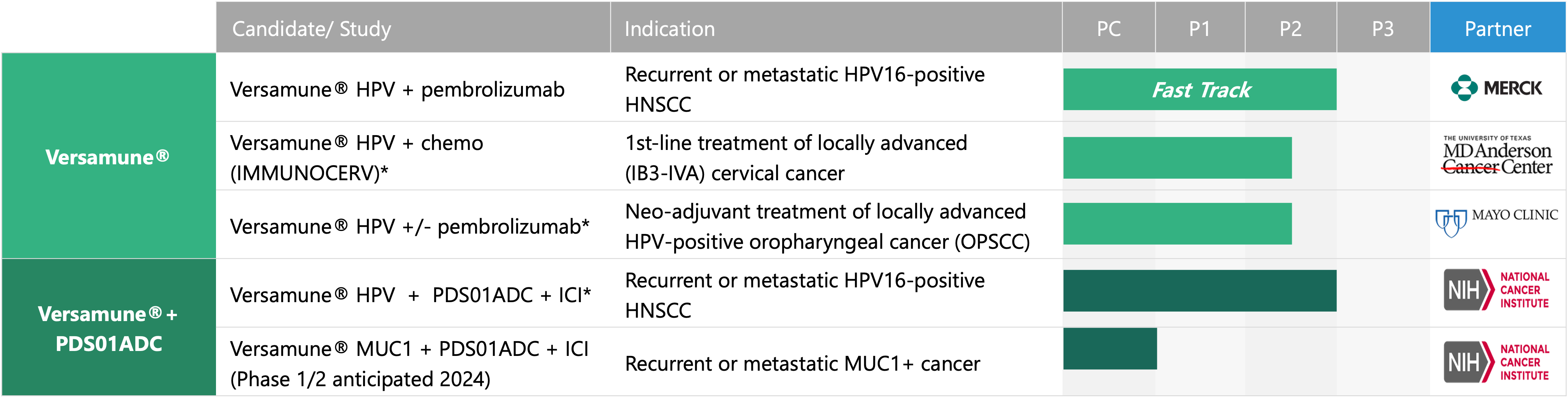
0 min read
Availability: 
27 countries in 2023 - Africa, Europe
Generic: 
Oral Polio Vaccine
Drug Class: 
Vaccine
Condition: 
Last Reviewed: 
Saturday, December 13, 2025 - 13:50
Brand: 
nOPV2
Status: 
Manufacturer Country ID: 
FDA First In Class: 
Yes
Kosher: 
Yes
Halal: 
Yes