Search API
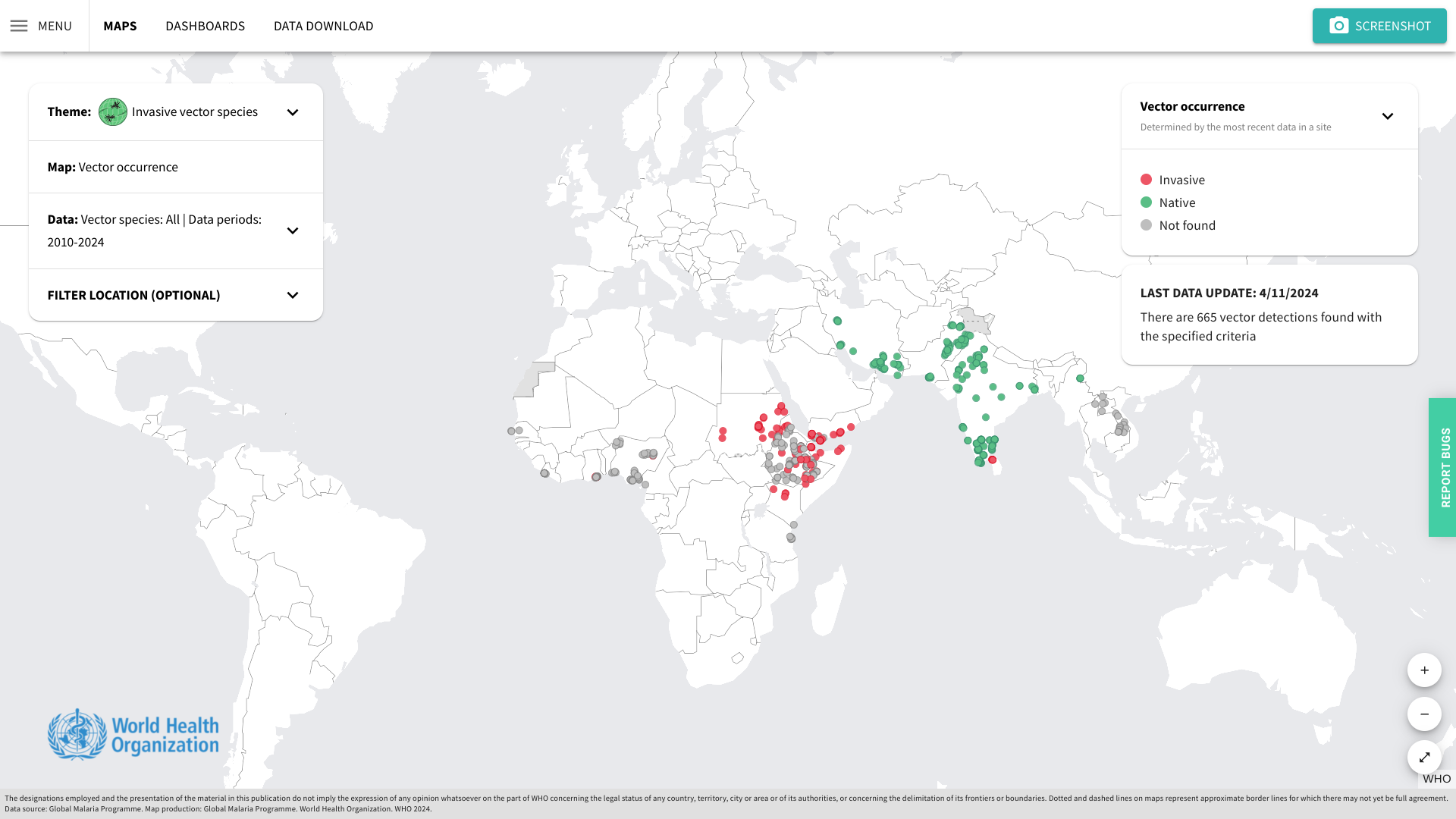
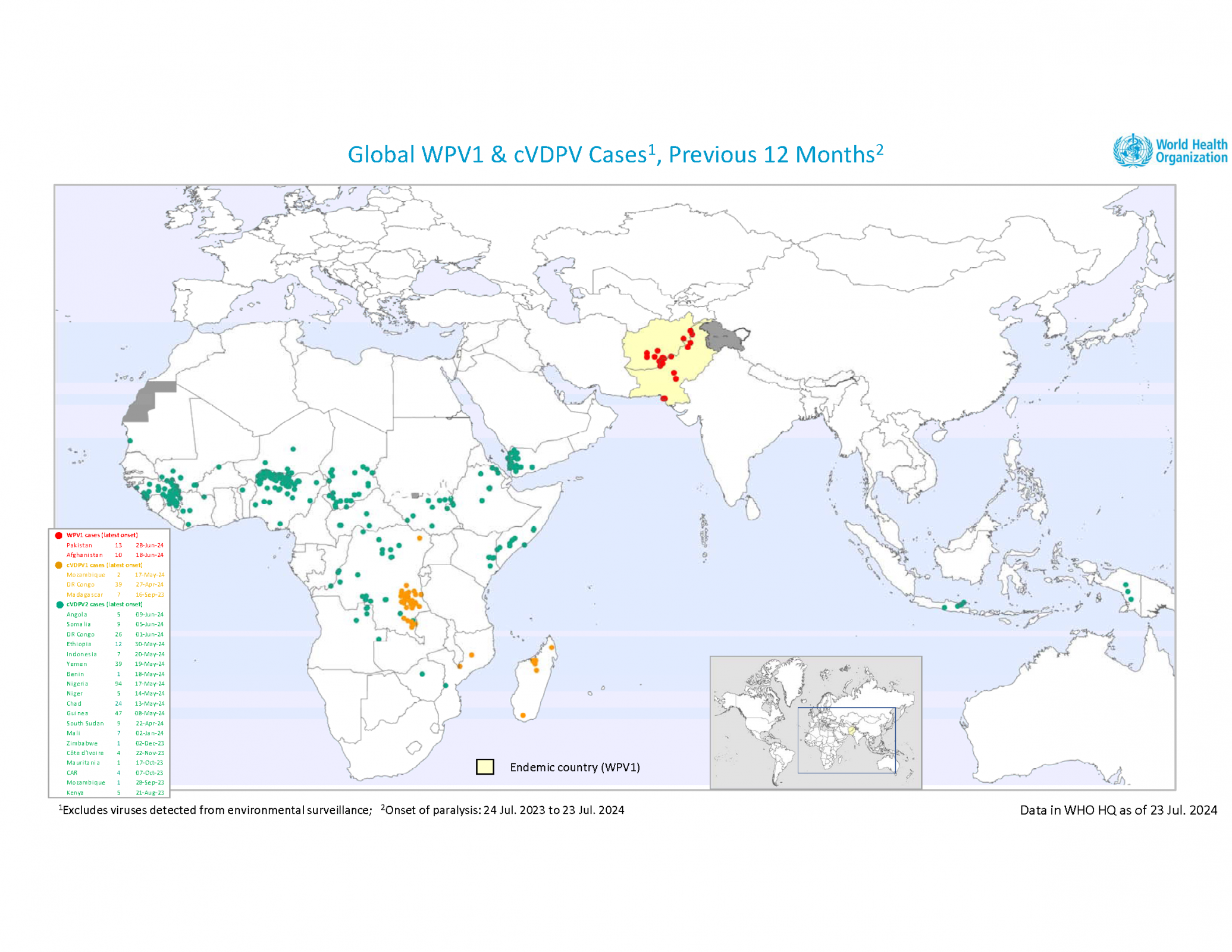
Biological E. Limited (BE) today announced that the World Health Organisation (WHO) has granted Pre-qualification (PQ) status to their Novel Oral Polio Vaccine type 2 (nOPV2).
In collaboration with PT Bio Farma (PTB) in Indonesia, the first manufacturer of the nOPV2 vaccine to receive WHO Pre-Qualification in January 2024, BE has successfully received technology from PTB and qualified to produce more than 500 million doses of nOPV2 vaccine annually.
As of July 2024, over 1 billion nOPV2 vaccine doses have been administered.
BE has been approved by the Indian regulatory authorities to manufacture the vaccine for export purposes.
This next-generation live, attenuated oral polio vaccine significantly reduces the risk of circulating vaccine-derived Poliovirus type 2 (cVDPV2) outbreaks, which continues in various countries in 2024.
With its improved genetic stability, nOPV2 has a significantly decreased chance of seeding new outbreaks in low-immunity environments.
Furthermore, nOPV2's real-world deployment in outbreak regions has shown that it can significantly decrease the incidence of cVDPV2 outbreaks, safeguarding communities from the ravages of polio.
Ms. Mahima Datla, Managing Director, BE, said in a press release on July 30, 2024, "This vaccine has been specifically designed to address concerns about Vaccine-Associated Paralytic Polio, which has occurred in approximately 2 to 4 cases per million births with the traditional oral vaccine due to the vaccine virus reverting to a virulent form."
Ms. Datla further expressed BE's gratitude for the collaboration with PTB and the support of a grant from the Gates Foundation, “The significance of this milestone extends beyond scientific achievement; it represents a beacon of hope for millions of children and families around the globe."
Since 2000, the IPV vaccine has been available in the U.S.
In late 2023, the U.S. CDC published updated recommendations for using the IPV vaccine. Fully vaccinated adults at increased risk for poliovirus exposure may receive a single lifetime booster dose of IPV.
BE is a Hyderabad-based Pharmaceuticals & Biologics Company founded in 1953 and is the first private-sector biological products company in India.


Merck today announced financial results for the second quarter of 2024 were $16.1 Billion, an increase of 7% from the same period in 2023.
In the cancer prevention market segment, Merck's Human papillomavirus (HPV) vaccines reported sales increases.
The 4% growth in the GARDSAIL/GARDASIl 9 HPV vaccines was primarily due to higher sales in the U.S., driven by higher pricing, demand, public-sector buying patterns, and higher demand in certain ex-U.S. markets.
The growth was largely offset by lower sales in China due to the timing of shipments compared with the prior year.
“Our business is demonstrating strong momentum as we exit the first half of the year,” said Robert M. Davis, chairman and chief executive officer of Merck, in a press release on July 30, 2024.
“Through excellent scientific, commercial, and operational execution, we’re achieving significant milestones for our company and patients, including the launch of WINREVAIR. I am proud of our dedicated teams around the world that are working tirelessly to advance our deep pipeline as we continue delivering innovation that solves unmet medical needs.”
According to the U.S. CDC, there is an increasing rate of STDs. For example, people 55 and older reported a significant increase in HPV diagnoses.
'Almost every unvaccinated person who is sexually active will get HPV at some time in their life. About 13 million Americans, including teens, become infected with HPV each year. Most HPV infections will go away on their own. But infections that don’t go away can cause certain types of cancer.'
Merck's HPV vaccines are generally available at medical clinics and pharmacies in the United States.

BioNTech SE today announced positive topline data from the ongoing Phase 2 clinical trial in patients with unresectable stage III or IV melanoma whose disease had progressed following anti-PD-(L)1-containing treatment.
The randomized trial evaluates the clinical activity and safety of the investigational mRNA cancer immunotherapy BNT111 in combination with Libtayo® (cemiplimab), an anti-PD-1 monoclonal antibody being developed by Regeneron, and assesses the two single agents alone.
The trial met its primary efficacy outcome measure, demonstrating a statistically significant improvement in the overall response rate in patients treated with BNT111 in combination with cemiplimab as compared to historical control in this indication and treatment setting.
Both randomized monotherapy arms showed clinical activity. The ORR in the cemiplimab monotherapy arm was in line with the historical control of anti-PD-(L)1 or anti-CTLA-4 treatments in this patient group.
The treatment was well tolerated and the safety profile of BNT111 in combination with cemiplimab in this trial was consistent with previous clinical trials assessing BNT111 in combination with anti-PD-(L)1-containing treatments.
The Phase 2 trial will continue as planned to assess further the secondary endpoints, which were not mature at the time of the primary analysis.
“These Phase 2 results mark a significant step towards our vision of personalized cancer medicine. We envision mRNA as a centerpiece in future treatment paradigms for cancer, helping to address unmet medical needs, such as for patients with anti-PD-(L)1 refractory or resistant melanoma,” said Prof. Özlem Türeci, M.D., Chief Medical Officer and Co-Founder at BioNTech, in a press release on July 30, 2024.
“These data are a proof of concept for us in three dimensions: First, for our decade-long improved mRNA cancer vaccine technology that uses uridine mRNA chemistry, a non-coding backbone engineered for optimal translational performance, and our proprietary lipoplex formulation for delivery."
"Second, for our computational approaches for selecting suitable tumor antigens for our cancer indication-specific FixVac platform candidates."
"Third, for our strategy to combine synergistic modalities, in this case BNT111, with an established immune checkpoint treatment.”
BNT111 is based on BioNTech’s fully owned FixVac platform that utilizes a fixed combination of four mRNA-encoded, tumor-associated antigens designed to trigger an innate and tumor-antigen-specific immune response against cancer cells expressing one or more of the respective tumor antigens.
The BNT111 program received a Fast Track designation and an Orphan Drug designation from the U.S. Food and Drug Administration in 2021.

A clinical trial due to launch in the Democratic Republic of Congo (DRC) and other African countries will assess whether a mpox vaccine can protect people against the disease after they have come into contact with the virus.
As of July 29, 2024, the phase 4 clinical trial (#NCT05745987) has received US $4.9 million to see if Bavarian Nordic’s MVA-BN® (JYNNEOS®, IMVAMUNE®, IMVANEX®)) mpox vaccine could reduce the risk of secondary mpox cases, or if a person contracts mpox, it could reduce the severity of illness.
CEPI stated in a press release that the evidence generated could be crucial in shaping mpox vaccination strategies to help tackle a significant and deadly mpox outbreak escalating in the DRC and neighboring countries. Over 11,000 cases and 443 deaths have been reported in the DRC in 2024, with children accounting for the majority of infections and deaths.
Mpox was first identified in the DRC in 1970. The mpox virus strain behind the current outbreak is known as Clade I. Spread through direct contact, and it is estimated to be fatal in around 8-12% of cases.
Health experts have also noted concern for a strain known as Clade Ib that is fast-spreading in eastern DRC regions, including Kamituga, South Kivu. This mpox strain appears to be spread through both sexual transmission and skin-to-skin contact.
In the United States, the JYNNEOS vaccine was approved for smallpox prevention in 2019 and has been readily available for mpox since May 2022. As the number of mpox cases dwindled in 2024, vaccinations decreased.

GSK plc today announced that the European Medicines Agency’s Committee for Medicinal Products for Human Use (CHMP) has recommended expanding the approval of GSK’s respiratory syncytial virus (RSV) vaccine Arexvy for the prevention of lower respiratory tract disease (LRTD) caused by RSV from adults aged 60 and above to include adults aged 50-59 years at increased risk for RSV disease.
GSK said in a press release on July 29, 2024, that today’s positive opinion is the first time that CHMP has recommended an indication for adults aged 50-59 for an RSV vaccine. The European Commission’s final decision is expected by September 2024.
The U.S. FDA approved Arexvy for adults aged 50-59 at increased risk of RSV in June 2024.
Since June 2023, Arexvy has been approved in Europe for adults aged 60 and over to prevent RSV-LRTD.
GSK has also filed regulatory submissions to expand the use of its RSV vaccine to adults aged 50-59 at increased risk in Japan and other geographies, with regulatory decisions undergoing review.
Trials evaluating the immunogenicity and safety of the vaccine in adults aged 18-49 at increased risk due to certain underlying medical conditions and in immunocompromised adults aged 18 and over are expected to read out in H2 2024.
Adults with underlying medical conditions, such as chronic obstructive pulmonary disease, asthma, heart failure, and diabetes, are at increased risk for severe consequences from an RSV infection. RSV can exacerbate these conditions and lead to pneumonia, hospitalization, or death.
In the United States, three approved RSV vaccines are available in July 2024.

Versatope Therapeutics Incorporated announced today it has received a Phase 2 Small Business Innovation Research (SBIR) grant for up to $3 million over three years from the U.S. NIH's National Institute of Allergy and Infectious Diseases.
On July 29, 2024, Versatope confirmed it will use the grant (#R44AI181242) to develop a bi-specific malaria vaccine using a target that blocks the initial malaria infection and transmission.
The Company says the novel, dual-acting vaccine may offer a more robust approach than the current World Health Organization (WHO) certified single-acting malaria vaccines.
Versatope was also awarded a Stage I grant from the MassVentures SBIR Targeted Technologies program.
"We appreciate the recognition and support of the NIH and MassVentures team to advance the development of Versatope's technology platform and to help take the company to the next stage of development," said Christopher Locher, CEO of Versatope, in a press release.
As of July 2024, two malaria vaccines are being deployed in various countries.
For example, the African country of Côte d'Ivoire recently became the first nation to deploy the R21/Matrix-M™ vaccine.
"The introduction of the R21/Matrix-M™ malaria vaccine in Côte d'Ivoire marks a breakthrough in the fight to protect vulnerable children against a leading cause of death across the region while reinforcing our mission to create innovative vaccines that improve public health," said John Jacobs, Novavax Inc.'s President and CEO, said in a press release on July 15, 2024.