Search API
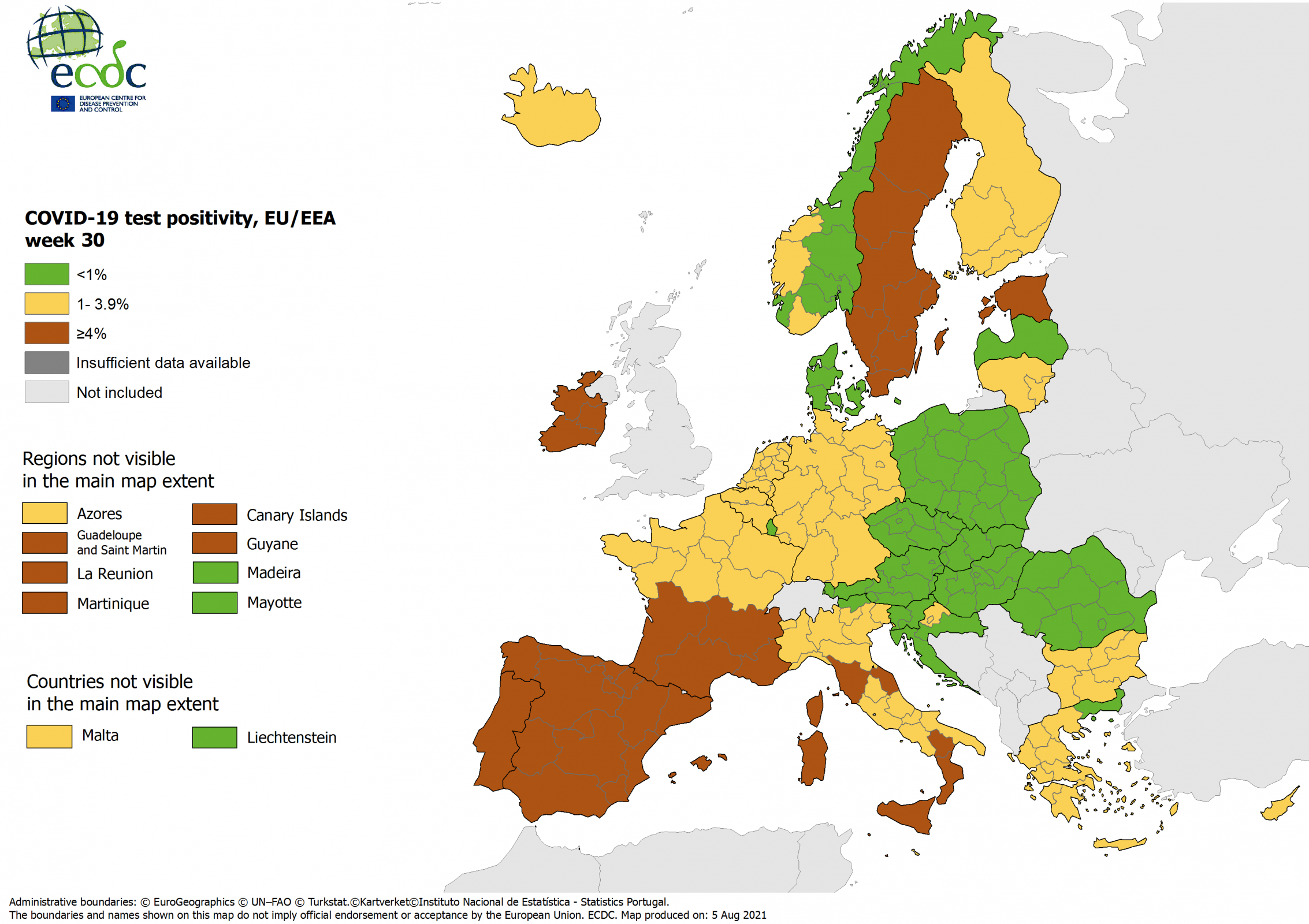
The European Centre for Disease Prevention and Control (ECDC) today reported that after several months of meager infection rates, COVID-19 transmission has increased in some EU/EEA countries.
As of August 17, 2023, this increase has coincided with increasing detections of SARS-CoV-2 XBB.1.5-like lineages carrying the F456L mutation and other drivers can contribute to the increasing transmission rates.
These drivers include large gatherings during seasonal holidays and lower levels of immunological protection against infection after several months of very low disease incidence.
Fortunately, there is currently no sign of increased COVID-19 hospitalizations or pressures on healthcare systems.
Additionally, the ECDC wrote adherence to national COVID-19 vaccination schedules is essential to protect people at high risk for severe disease and death.
As of August 11, 2023, among people aged 60 years and above, the cumulative uptake of a first booster was 84.9% (country range: 13.3–100.0%), and of a second booster was 35.6% (country range: 0.4–87.0%).
Countries should assess their readiness to identify target groups and conduct timely COVID-19 vaccination campaigns.
In addition, communication campaigns aimed at the public and healthcare professionals are deemed necessary to reach high-risk groups and inform them of the importance of staying up to date with vaccination.
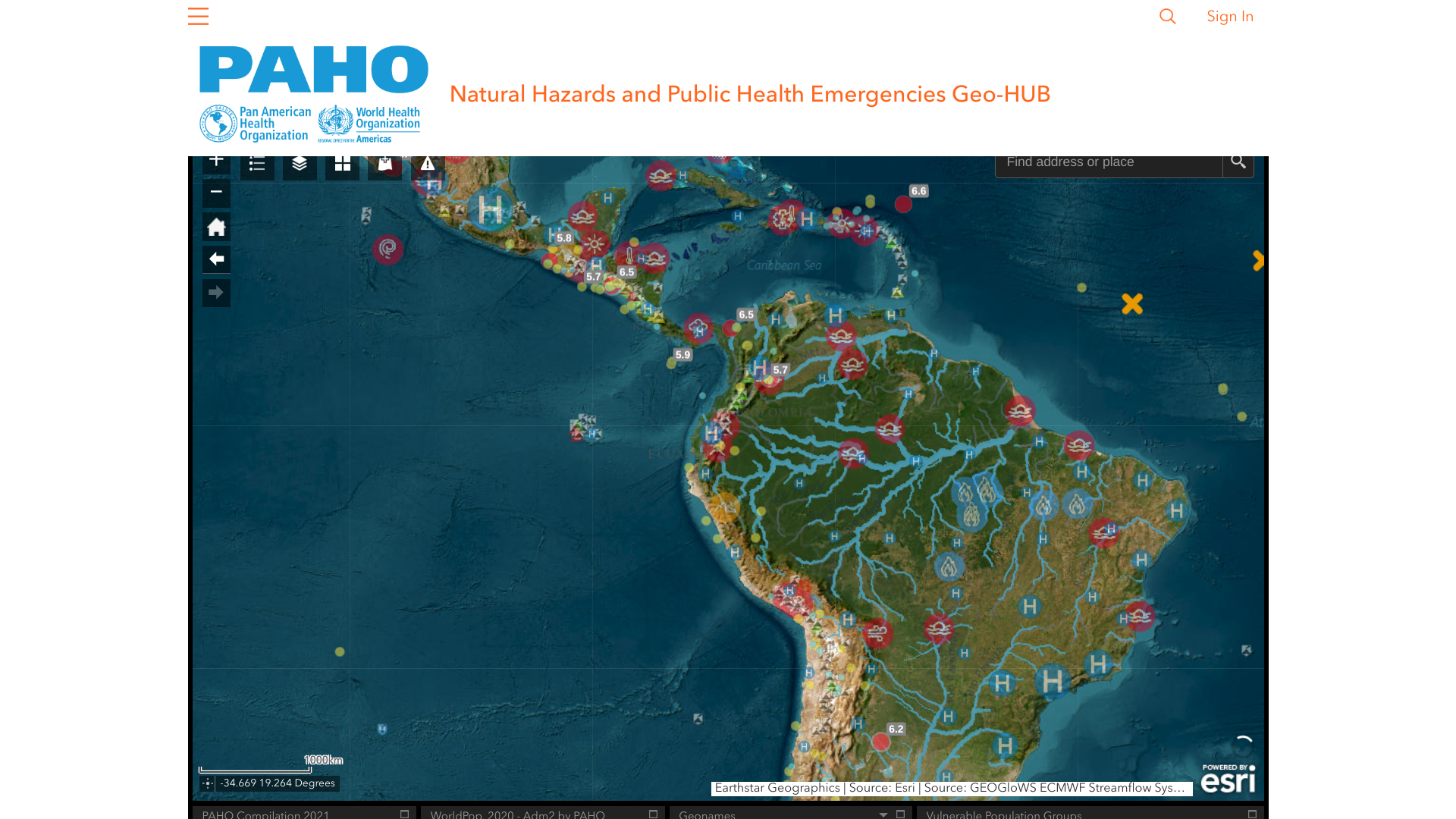
The Pan American Health Organization (PAHO) today announced thirty-five laboratory experts gathered this week in the Dominican Republic to discuss increasing the use of tools to detect and monitor mosquito-borne diseases in the Americas.
The PAHO confirmed that from January until the end of July 2023, 27,000 Zika cases have been reported across the Americas.
The most significant Zika outbreaks were reported in Brazil, Bolivia, Belize, and Paraguay.
The U.S. CDC says because the mosquitoes that spread Zika are found throughout Puerto Rico, people living on the island are at risk for infection. In addition, the Puerto Rico Department of Health says Zika will continue to infect people in 2023.
In 2022, there were about 40,000 Zika cases in the Americas.
"At least nine arboviruses with public health impact - such as dengue, zika, chikungunya, and yellow fever - are circulating in Latin America and the Caribbean, so strengthening and expanding laboratory detection and surveillance capacities are key to ensuring a timely response to outbreaks and epidemics," said Sylvain Aldighieri, Deputy Director of PAHO's Department of Health Emergencies, in a press release on August 16, 2023.
As of August 2023, the U.S. FDA has not approved a Zika vaccine.
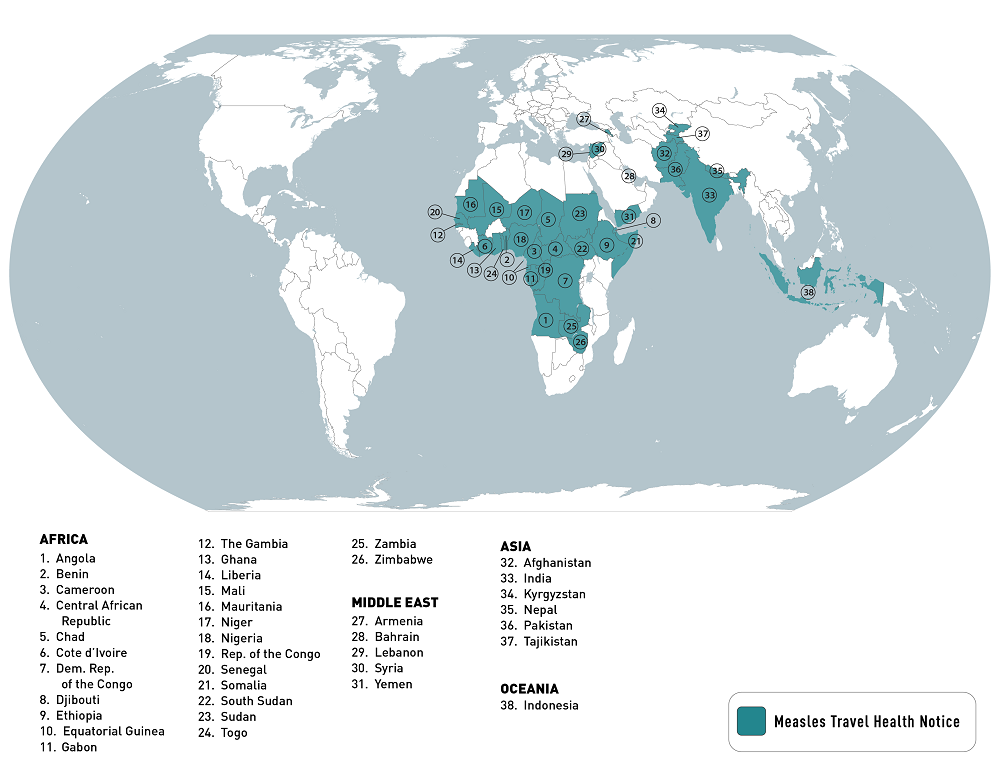
The U.S. Centers for Disease Control and Prevention (CDC) conducted a Clinician Outreach and Communication Activity (COCA) webinar on August 17, 2023, focused on eliminating measles in the U.S.
This webinar is essential since measles cases worldwide increased by about 80% during 2022. Globally, measles outbreaks have been reported in various countries this year. In the U.S., there have been 19 measles cases reported in 2023.
During this COCA Call, presenters reviewed the clinical presentation and diagnosis of measles infection, how to report suspected cases to public health agencies, and outlined vaccination recommendations in the U.S.
Measles is a vaccine-preventable disease, says the CDC. Measles vaccines (MMR) are available at health clinics and pharmacies in the U.S.
Earlier this year, the U.S. Food and Drug Administration recently approved the intramuscular route of administration for M-M-R®II and ProQuad® vaccines. In addition, the FDA approved the Priorix vaccine to prevent MMR in individuals one year and older.
Updated on August 21, 2023, with data regarding measles cases.

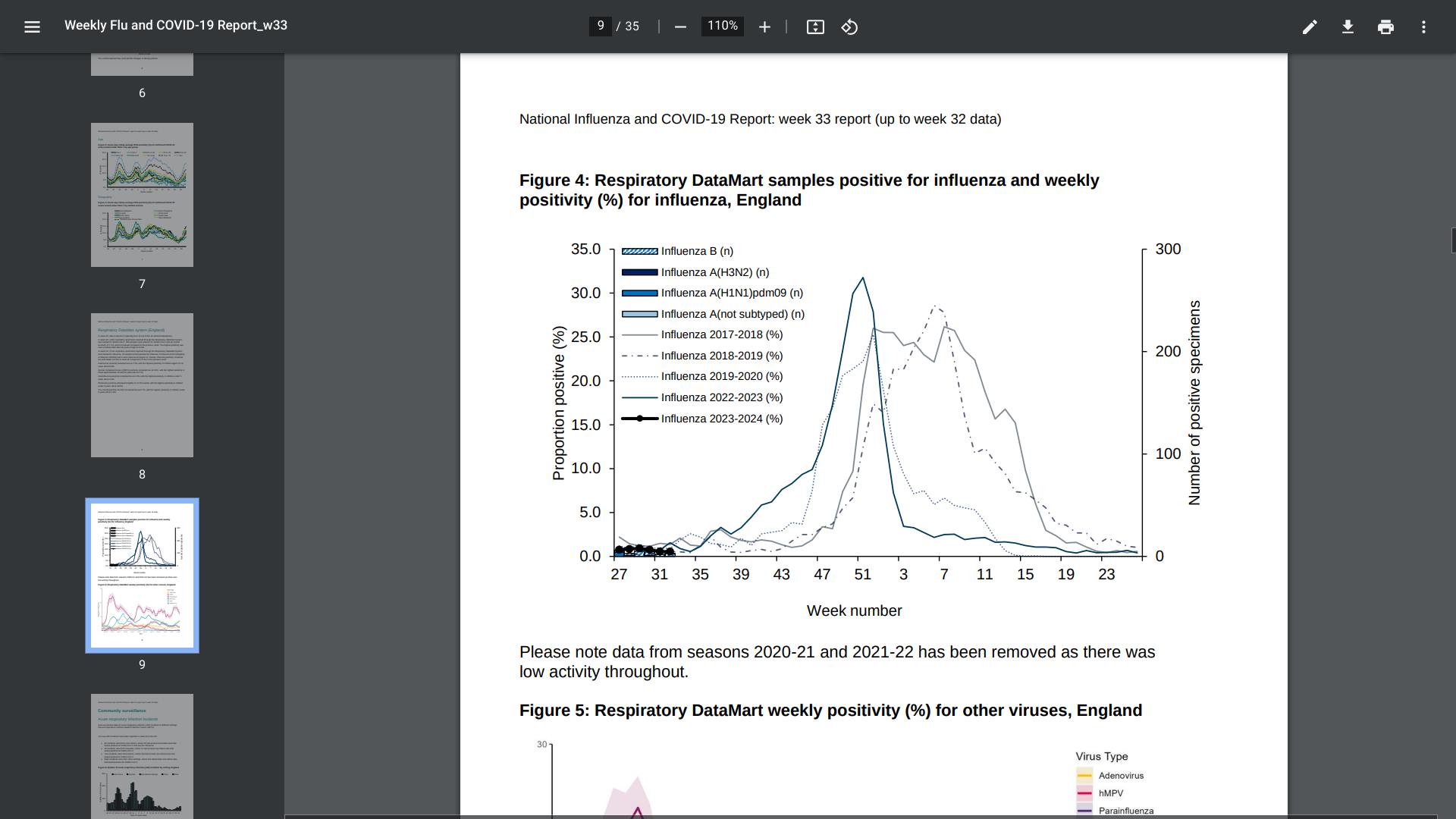
The U.K. Health Security Agency (UKHSA) today reported positive news regarding the 2023-2024 flu season in the United Kingdom.
As of August 17, 2023, the National Influenza reported for week #32 confirmed from most indicators that influenza activity remained low and stable over the past week.
In week #32 of 2023, influenza positivity rates remained low and stable at 0.5%.
Through primary care surveillance, the influenza-like-illness consultations indicator remained stable and was within the baseline activity level range.
Furthermore, no influenza-confirmed outbreaks were reported in England, and no influenza ICU admissions in week #32.
And emergency department attendance for influenza-like illness remained stable throughout the U.K.
For additional information regarding data, refer to Sources of surveillance data for influenza and other respiratory viruses.
When visiting influenza outbreak areas in 2023, the U.S. CDC says travelers should get vaccinated at least two weeks before departure because it takes times for vaccine immunity to develop after vaccination. Various flu shots are offered at clinics and pharmacies in the U.S.
The Broward County Department of Health in Florida recently joined its southern neighbor, Miami-Dade, in issuing a Mosquito-borne Illness Alert.
The bite of an infected mosquito spreads dengue and is not usually present in the greater Ft. Lauderdale area. However, infected travelers have brought the virus back to Florida, primarily in the Miami-Dade Country area.
In 2023, there have been two locally acquired dengue cases in Broward County. Last year, there were two other locally acquired dengue cases.
In total, Florida's Department of Health has reported 215 dengue cases in 2023.
Globally, Dengue outbreaks have been confirmed by numerous countries this year, such as Costa Rica.
Dengue is a vaccine-preventable disease, with two vaccines approved in various countries.

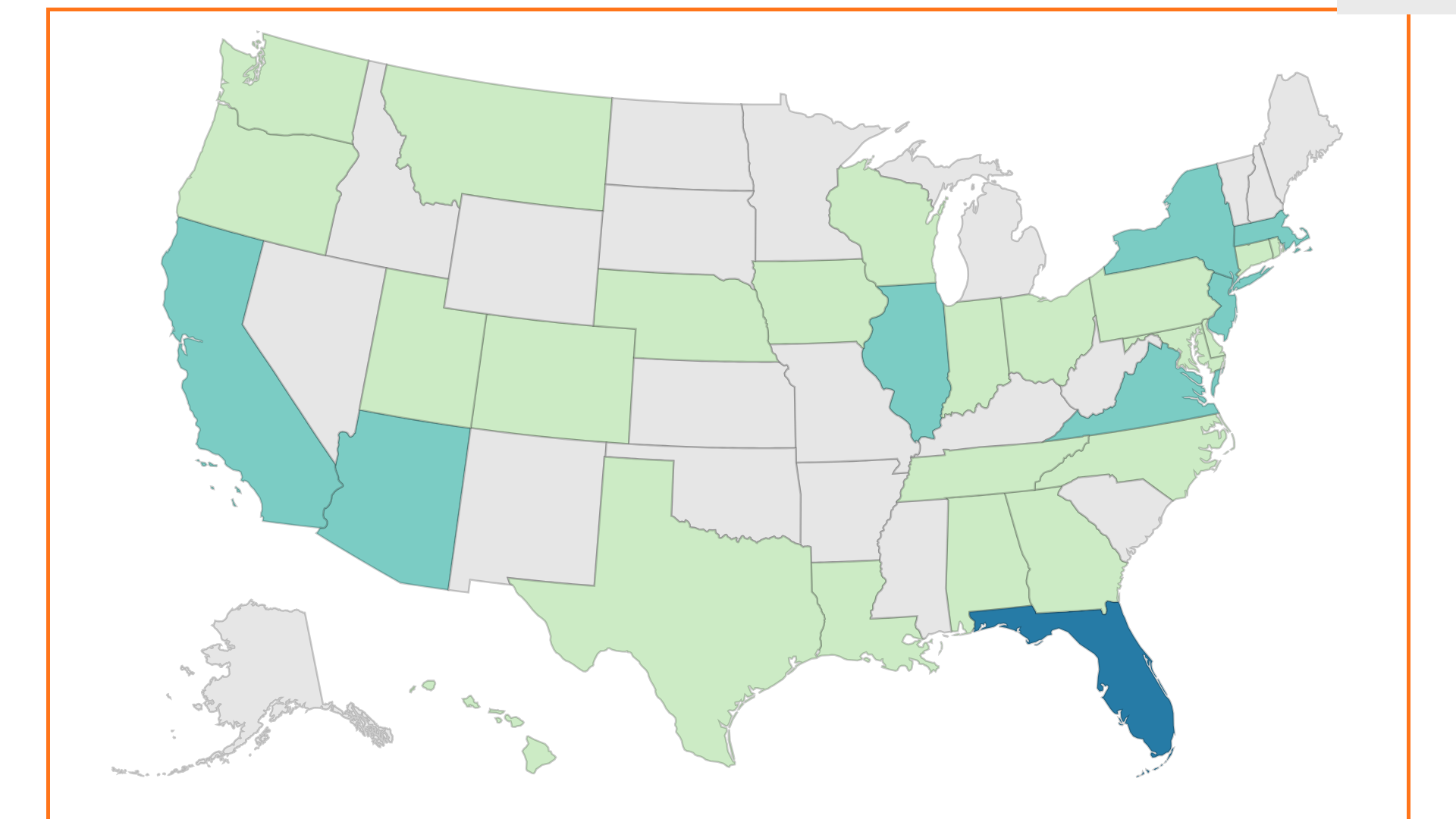
While numerous countries are reporting dengue outbreaks in 2023, one U.S. state continues to confirm new cases.
The Florida Department of Health recently reported additional dengue infections in people through the bite of Aedes species mosquitoes.
As of August 12, 2023, one case of locally acquired dengue was reported this week in Miami-Dade County. In 2023, 11 cases of locally acquired dengue have been reported.
And 14 new dengue cases were reported this week in persons with international travel.
In 2023, 204 travel-associated dengue cases have been reported in Florida. Miami-Dade Country has reported 120 of these dengue cases this year. These travelers primarily came from Cuba and Brazil.
According to the U.S. CDC, 32 jurisdictions have reported a total of 513 dengue cases this year.
Dengue is a vaccine-preventable disease. The U.S. FDA, U.K., and Europe-approved Dengvaxia® (CYD-TDV) is a live attenuated tetravalent chimeric vaccine that requires pre-admission testing.
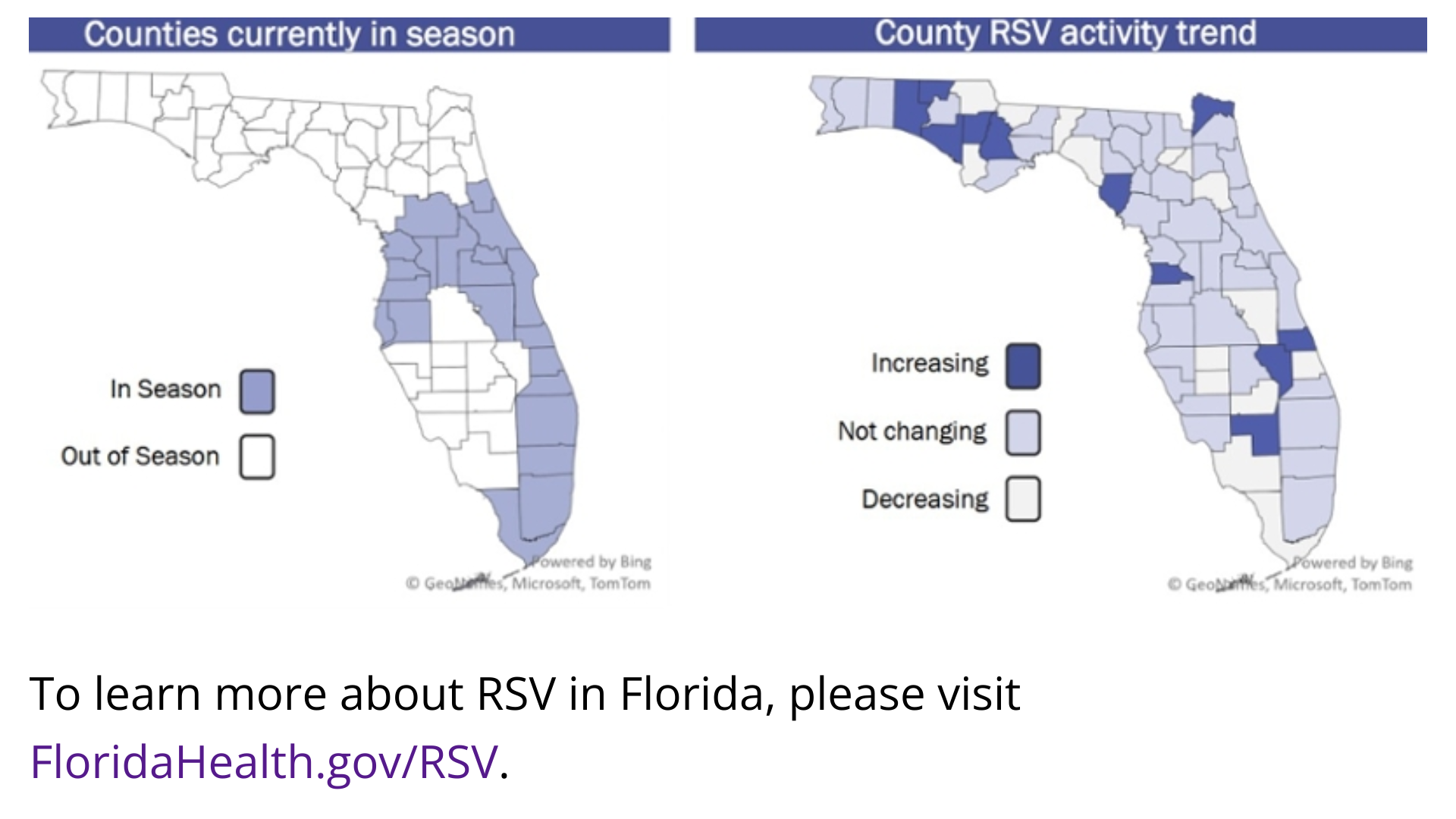
The Florida Department of Health's RSV Review Activity Summary #32 reported a few counties confirmed increasing detection rates and one outbreak in a pediatric facility in Deval County.
As of August 12, 2023, Florida's overall respiratory syncytial virus (RSV) positivity rate had increased since last week, but emergency room visits had not changed.
In Florida, deaths per 100,000 population for children younger than five was .02 for the 2022-2023 RSV season.
Florida says its RSV season is longer than the rest of the nation and has distinct regional patterns.
From a nationwide perspective, annual community-based outbreaks of RSV typically occur during late fall, winter, and early spring. The U. S. CDC's RSV detection graphs display the 5-week moving average.
RSV is a common respiratory virus that usually causes mild, cold-like symptoms. According to the CDC, young children and older adults, especially those with certain underlying health conditions, are at higher risk for severe illness from RSV.
A recent Original Investigation supports new RSV preventative interventions, including long-lasting monoclonal antibodies in infants and maternal vaccination.
On July 17, 2023, the U.S. Food and Drug Administration recently approved Beyfortus™ (Nirsevimab-alip), a long-acting monoclonal RSV-neutralizing antibody, for infants.