Search API
The Florida Department of Health in Orange County (DOH-Orange) alerted residents on June 6, 2023, of an increase in mosquito-borne disease activity in areas of Orange County, and the risk of transmission to humans has increased.
Several sentinel chickens from a single flock tested positive for Eastern Equine Encephalitis Virus (EEE) infection.
According to the U.S. CDC, only a few cases of EEE are reported in the United States each year.
Approximately 30% of people with EEE die, and many survivors have ongoing neurologic problems.
There are no vaccines to prevent or medicines to treat EEE.
Orange County Mosquito Control and DOH-Orange continue surveillance and prevention efforts.
As of the 2020 census, Orange County's population was 1,429,908, making it Florida's fifth most populous county.
The Department continues to conduct statewide surveillance for mosquito-borne illnesses, including West Nile virus infections, Eastern equine encephalitis, St. Louis encephalitis, malaria, chikungunya and dengue.
Furthermore, Miami-Dade County has been on alert for these diseases in 2023.

The U.S. Transportation Security Administration (TSA) recently reported passenger screening at airports throughout the U.S. has been similar to 2019.
As of June 8, 2023, the TSA successfully screened over 2.2 million travelers at 200 airports each day this month.
Furthermore, the TSA reported its PreCheck® services to continue empowering an expedited screening process.
In May 2023, 89% of TSA PreCheck® passengers waited less than 5 minutes. And children 17 and under can join adults when TSA PreCheck appears on the child’s boarding pass.
And air travelers with disabilities with TSA PreCheck® on their boarding passes will receive on-person screening when screened in a standard lane for any reason.

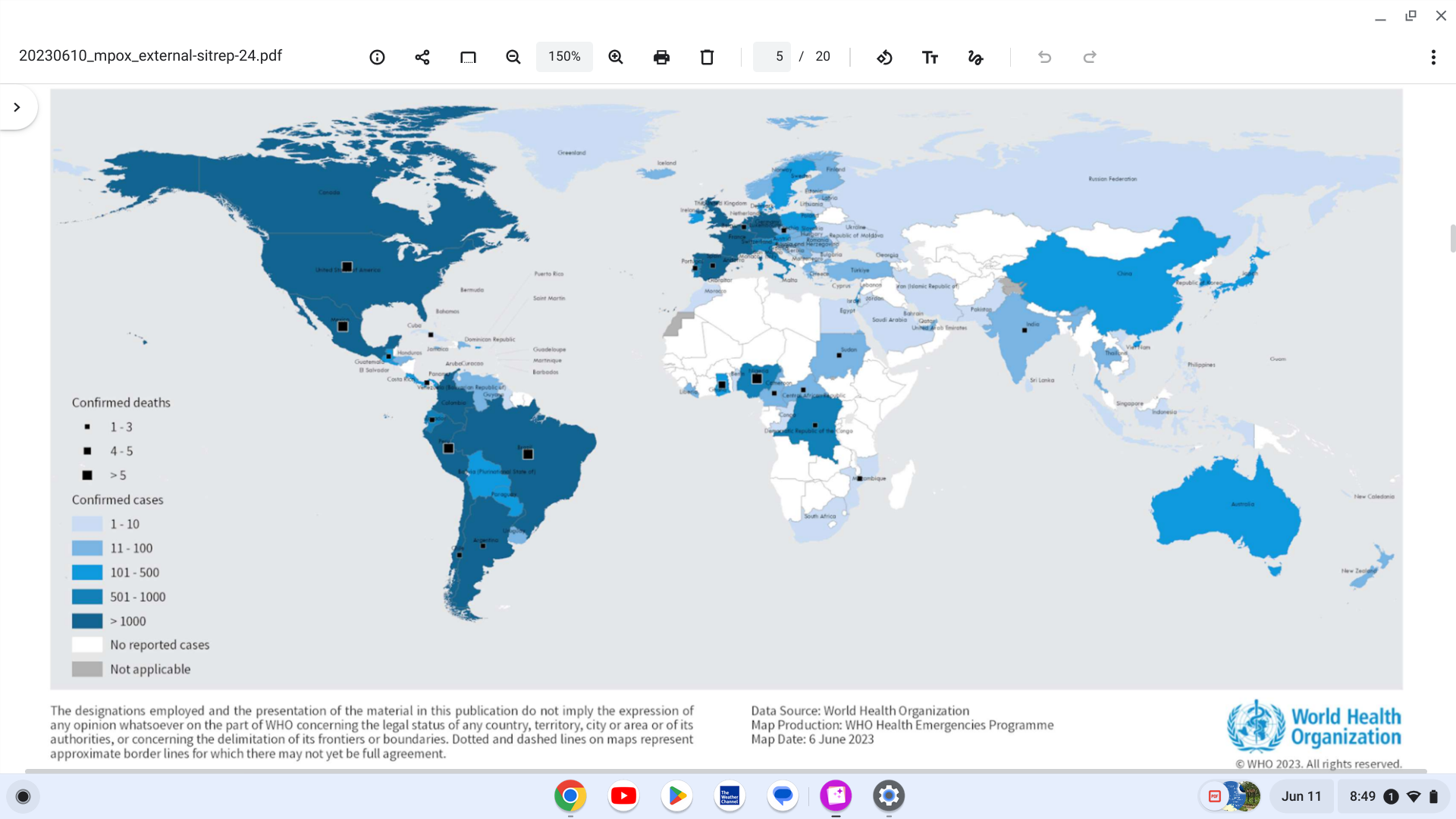
The World Health Organization (WHO) today published its External Situation Report #24 regarding the multi-country outbreak of mpox. In the last two weeks, there have been around 275 new mpox cases each week.
The mpox vaccination status of these individuals was not disclosed.
As of June 10, 2023, the WHO confirmed the updated epidemic curves suggest that the mpox outbreak that began in May 2022 continues with low levels of transmission in the European and Americas Regions, have slightly decreased in the Western Pacific, and increased cases in South-East Asia.
In the African Region, where mpox transmission is more continuous, an increase in the number of cases for the most recent weeks was observed.
Other key epidemiological findings include, but are not limited to, the following:
As of early June 2023, 96.2% of mpox cases with available data are men, with a median age of 34.
Among cases with information available, 84.1% have self-identified as gay, bisexual, and other men who have sex with men.
Of all reported modes of transmission since the start of the outbreak, skin and mucosal contact during sex has been the most reported (82%).
And cases where at least one symptom is reported, the most common symptom is any rash, reported in 80.6% of cases, followed by fever and systemic rash or genital rash.
The WHO wrote it is essential to note that mpox can affect anyone, and getting vaccinated (JYNNEOS®, MVA-BN), monitoring for symptoms, testing if you think you have mpox and openly discussing mpox with sexual partners are vital strategies to minimize risk.
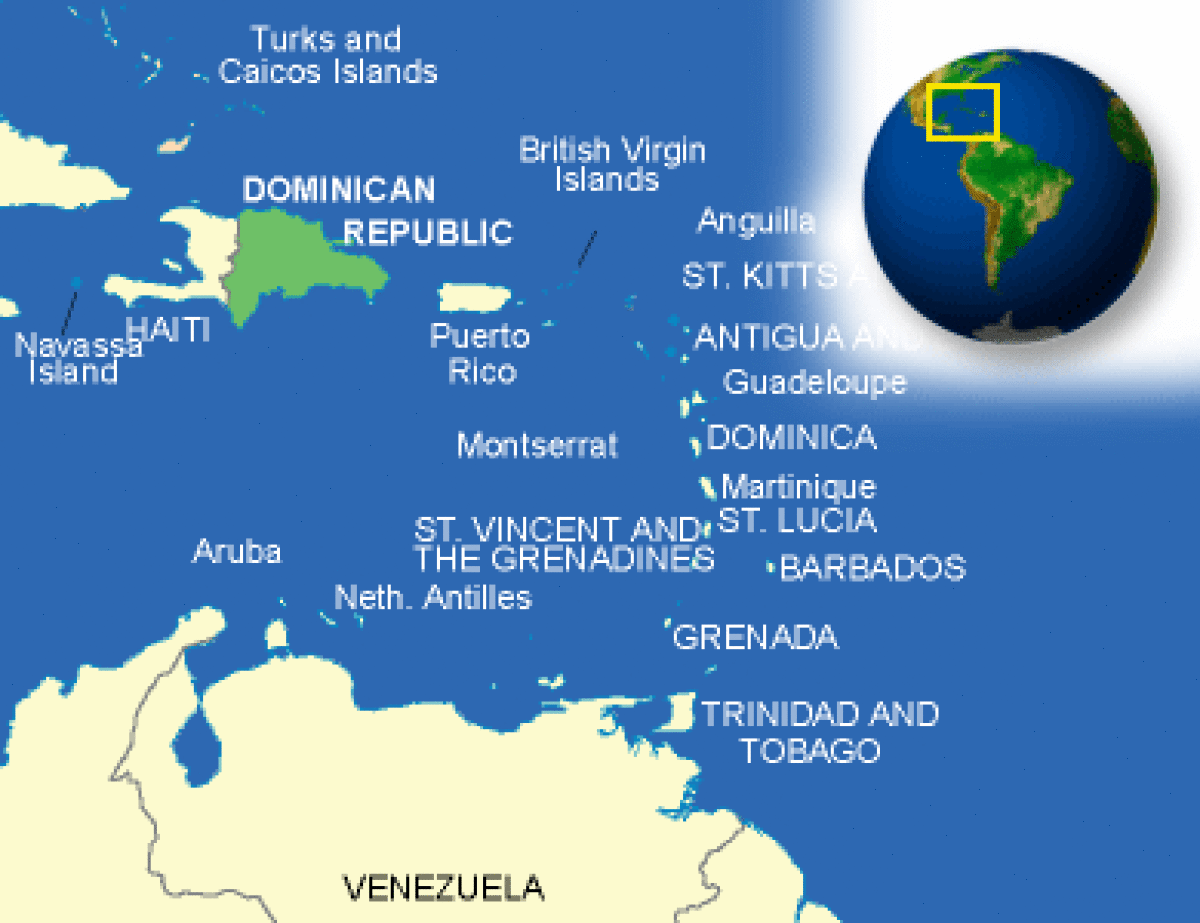
The Association of Hotels and Tourism of the Dominican Republic (Asonahores) today announced it disagrees with the U.S. Department of State's recent Level 2: Exercise Increased Caution travel advisory.
Issued on June 6, 2023, this State Department travel advisory highlights an 'alleged increase in crime.'
According to Dominican Today reporting on June 10, 2023, there has been no evidence in recent months of any Dominican Republic that would motivate such action by the State Department.
'For our association, this alert comes as a surprise since the Dominican Republic continues to be one of the safest tourist destinations in the entire (Caribbean) region, considering the number of events per 100,000 foreign visitors.'
The Dominican Republic is the second largest and most diverse Caribbean country, located just two hours south of Miami, Florida.
The Dominican Republic reported over 621,000 visitors in May 2023, an 18% increase over May 2019.
CountryReports.org says ...Although influenced by North American values, the Dominican Republic maintains the Spanish tradition of familial solidarity.
Furthermore, the U.S. Embassy in the Dominican Republic has not issued a local security alert regarding civil unrest.
And the U.S. Centers for Disease Control and Prevention has not featured any disease outbreaks on the eastern end of Hispaniola.
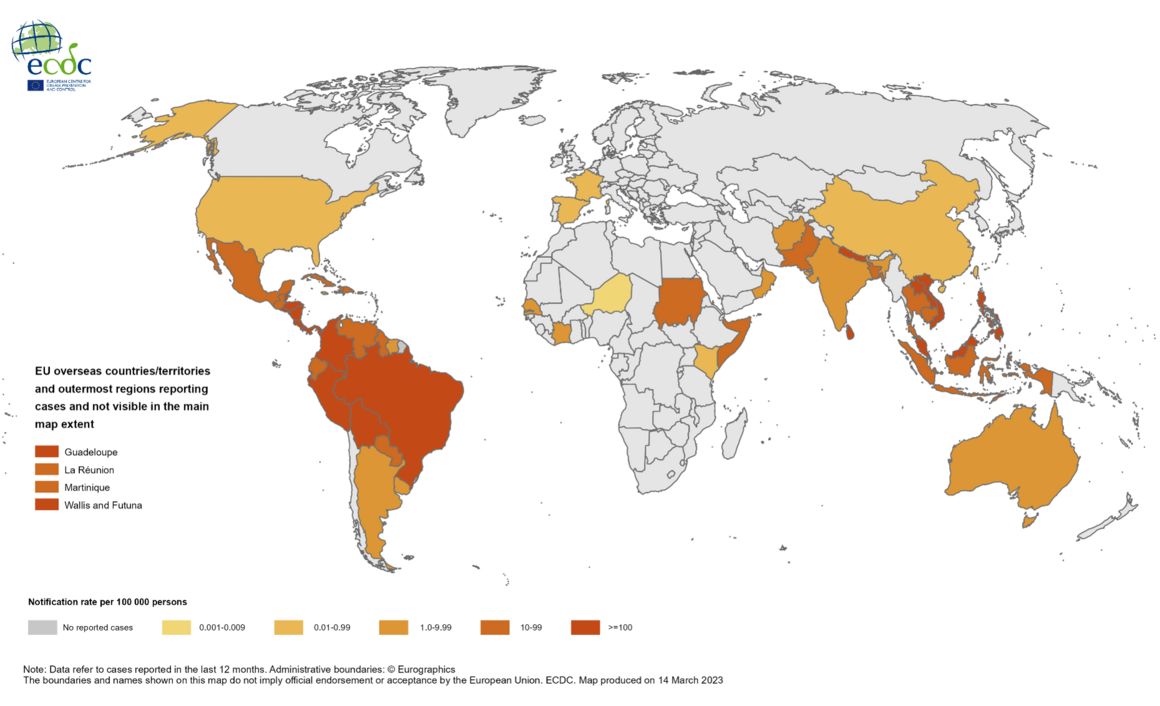
However, there is a Caribbean region-wide dengue alert.
Note: Article updated on June 12, 2023, to include visitor reference data and link.

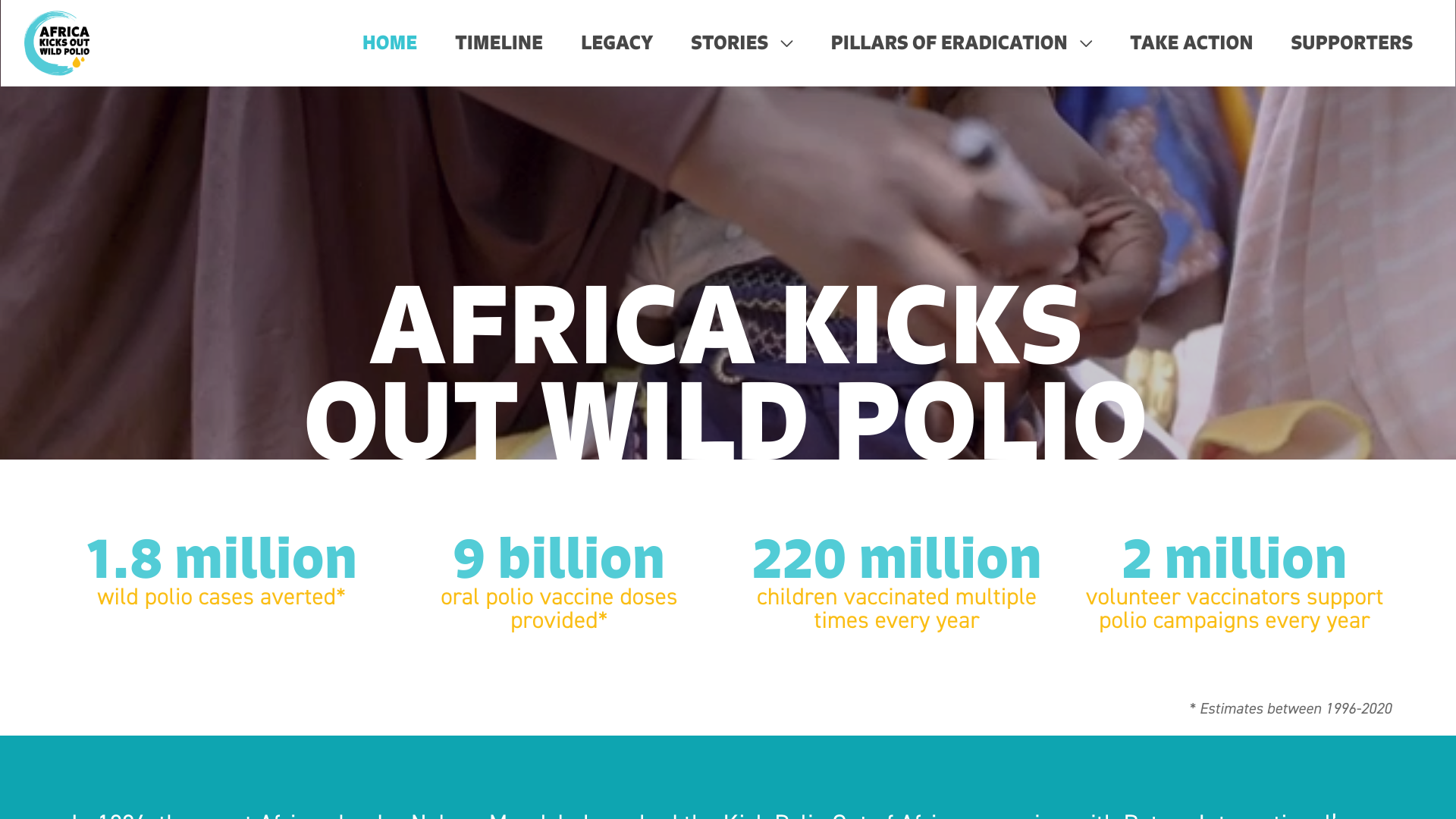
Across the African Region, efforts continue to be intensified to reduce polio outbreaks, wrote the Global Polio Eradication Initiative (GPEI).
As of June 7, 2023, Africa's largest polio vaccination drive since 2020 was launched, aiming to reach more than 21 million children.
Simutantioly, the Democratic Republic of Congo (DRC) launched a campaign using the novel oral polio vaccine type 2 (nOPV2) with children. The nOPV2 vaccine has been deployed over 620 million times since 2021.
There were 14 polio cases in the DRC in 2023, and 146 patients were confirmed in 2022.
The GPEI also posted a summary of new polioviruses this week:
- Afghanistan: one WPV1 case and five WPV1 positive environmental samples
- Pakistan: two WPV1-positive environmental samples
- Chad: two cVDPV2 cases
- DRC: five cVDPV2 cases
- Zambia: one cVDPV2 positive environmental sample
As of June 9, 2023, the U.S. CDC maintains it's Alert - Level 2, Practice Enhanced Precautions global polio travel alert.
The CDC says before any international travel, ensure you are up to date on your polio vaccines. Furthermore, the nOPV2 polio vaccine is not available in the U.S.
The state’s Department of Fish and Game (ADF&G) recently confirmed the first moose to be diagnosed with rabies in Alaska.
On June 2, 2023, a moose was detected in and around the community of Teller, Alaska, and acting aggressively toward people. The moose was unbalanced, stumbling, drooling profusely, and had bare patches of skin.
ADF&G staff in Nome consulted with wildlife veterinarian Dr. Kimberlee Beckmen and dispatched the animal that afternoon due to its aggressive behavior and signs suggestive of rabies disease.
Rabies virus in the brain was detected on June 5, 2023, by the Alaska State Virology Laboratory.
On June 6, the Centers for Disease Control and Prevention further confirmed the virus was an Arctic Fox rabies variant. This is the same variant circulating in red foxes during the outbreak in the Nome/Seward Peninsula and North Slope arctic foxes this past winter, suggesting the moose contracted the virus from a fox.
Due to this new case, ADF&G plans to increase rabies surveillance by testing all brain samples from wild mammals found dead or euthanized from regions with enzootic fox rabies, including Western Alaska, when feasible.
Due to the largely solitary nature of moose, it is doubtful that any rabies outbreak will occur in the moose population, but isolated cases such as this one occur rarely.
Moose that are killed by hunters on the Seward Peninsula that show normal behavior and no signs of any abnormality or illness should still be considered safe to consume, says ADF&G.
Rabies is a zoonotic infection found in more than 150 countries and territories, say the World Health Organization (WHO). Unfortunately, almost 60,000 people worldwide die from rabies annually.
According to the WHO, rabies vaccination can prevent infections before and after exposure to the rabies virus.
On May 6, 2022, the U.S. CDC published: Using a Modified Preexposure Prophylaxis Vaccination Schedule to Prevent Human Rabies.

Filomeno Fortes, the Director of Portugal's Institute of Hygiene and Tropical Medicine, recently gave an interview on the importance of Takeda's QDENGA® vaccine against dengue, made available in Portugal in May 2023.
"The vaccine brings some innovation to the prevention of a disease that is considered by the World Health Organization (WHO) as one of the ten global threats to world health," commented Fortes.
Initially authorized in Indonesia in August 2022, QDENGA had been authorized as of June 9, 2023, in Argentina, Brazil, Europe, and the U.K.
In the U.S., the FDA is considering the authorization of QDENGA.
Since most dengue cases in the U.S. are travel-related, additional QDENGA authorization should reduce the incidence of this disease.
About 4 billion people live in areas with a risk of dengue.
For example, the Florida Health Department recently reported three additional travel-associated dengue cases, which increases the 2023 total to 80 patients.
In 2022, 903 travel-associated and 68 locally-acquired dengue cases were reported in Florida.
Dengue viruses are spread to people through the bite of an infected Aedes species mosquito, says the U.S. CDC. Dengue is often a leading cause of illness in at-risk areas.
The U.S. Centers for Disease Control and Prevention (CDC) today published a Morbidity and Mortality Weekly Report that confirmed children and infants have been infected with the mpox virus.
From May 17 to December 31, 2022, the CDC reported that 45 children aged ≤12 years were diagnosed with mpox.
And three were less than one week old. These infants likely had perinatal exposures.
The vaccination status (JYNNEOS®) of these children was not disclosed.
The CDC stated on June 9, 2023, when caring for a child with mpox, direct contact with the child’s rash should be avoided, and gloves should be worn. In addition, postexposure prophylaxis (TPOXX®) should be considered for all household members.
On May 18, 2023, the CDC confirmed TPOXX might be used for non-variola orthopoxvirus infection (e.g., mpox) under a CDC-held Expanded Access Investigational New Drug Protocol for children weighing at least 3 kg.
However, mpox postexposure prophylaxis efficacy is unstudied.
Additional mpox research was updated in June 2023.

WestVac Biopharma and West China Medical Center, Sichuan University, today announced Coviccine® Trivalent XBB.1.5-Recombinant COVID-19 Trivalent (XBB.1.5+BA.5+Delta) Protein Vaccine (Sf9 cell) was authorized by relevant authorities in China.
As of June 8, 2023, this is the first COVID-19 vaccine in the world authorized against XBB descendent lineages of the beta coronavirus SARS-CoV-2.
WestVac leveraged the rapid response of the insect cell expression platform in constructing the vector for Coviccine, which is of high purity and high quality for human use.
The subunit vaccine antigen is designed based on the structure of the targeting S-RBD and HR proteins of the COVID-19 subvariants XBB.1.5 and BA.5 and self-assembled into stable trimeric protein particles with squalene-based oil-in-water emulsion adjuvant added after purification and mixing.
This novel adjuvant significantly raises the titer of neutralizing antibodies, enabling the trimeric protein vaccine to induce a higher T-cell immune response.
Recent studies have shown that Coviccine induced a high titer of neutralizing antibodies against multiple subvariants.
Previously, the WHO Technical Advisory Group on COVID-19 Vaccine Composition advised on May 18, 2023, that new formulations of COVID-19 vaccines should aim to induce antibody responses that neutralize XBB descendent lineages.
As of the end of May 2023, the XBB family of variants accounted for about 90% of infections in China.
And in the U.S., over 90% of all variants are from the XBB family.