Search API
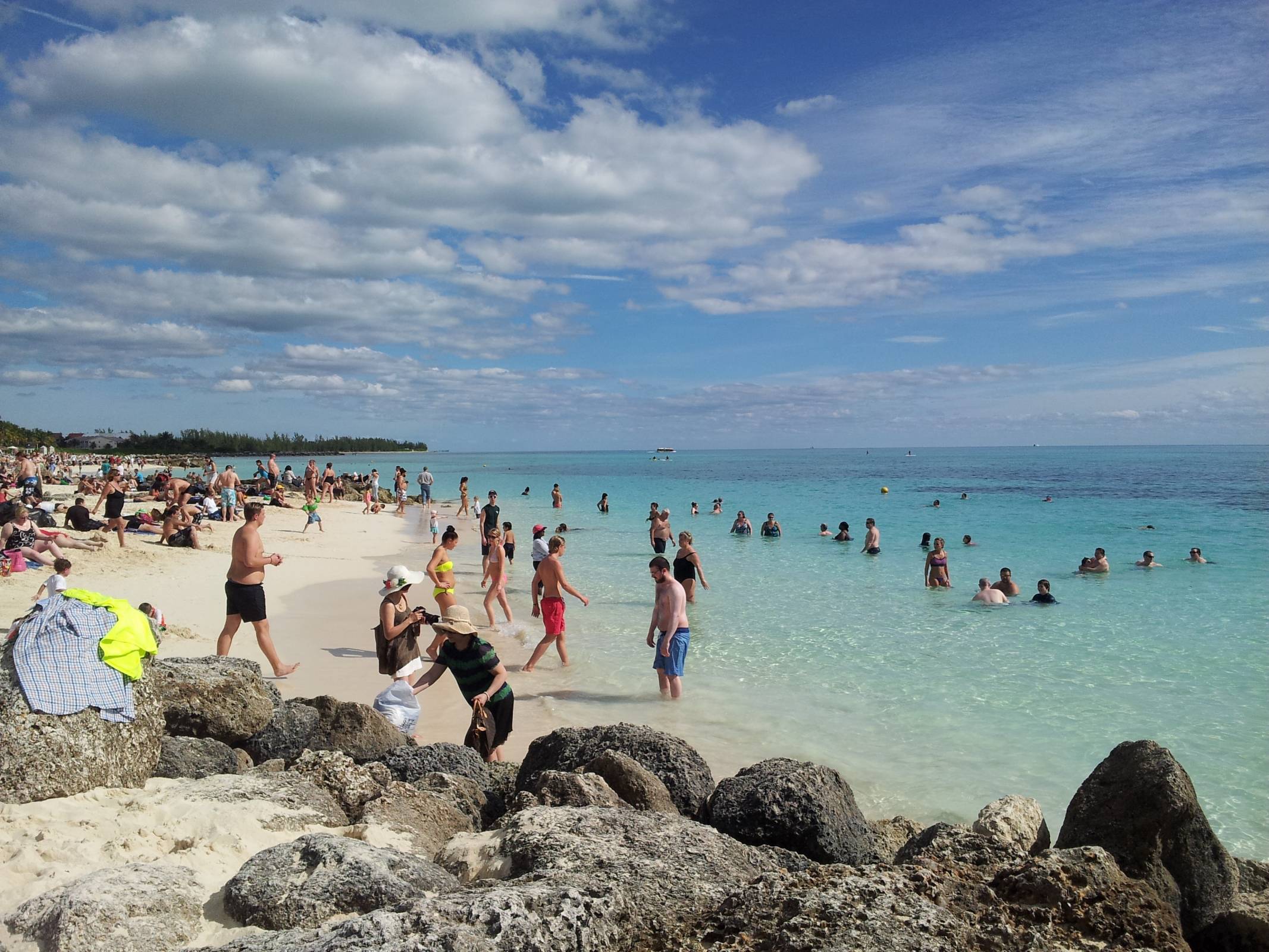
The U.S. Department of State recently reissued its Level 2: Exercise Increased Caution notice for the Commonwealth of The Bahamas.
As of July 17, 2023, the State Department confirmed that most crime occurs on New Providence (Nassau) and Grand Bahama (Freeport) islands.
In Nassau, practice increased vigilance in the “Over the Hill” area (south of Shirley Street).
Violent crimes, such as burglaries, armed robberies, and sexual assaults, occur in tourist and non-tourist areas. And be vigilant when staying at short-term vacation rental properties where private security companies do not have a presence.
Additionally, vacation activities involving commercial, recreational watercraft, including water tours, are not consistently regulated.
As of July 1, 2023, U.S. Embassy Nassau issued form DS-2060, U.S. Department of State Report of Death of a U.S. Citizen or U.S. Non-Citizen National Abroad.
Due to these concerns, U.S. government personnel cannot use independently operated jet-ski rentals on New Providence and Paradise Islands.
If you travel to The Bahamas, the State Department advises enrolling in the Smart Traveler Program to make it easier to locate you in an emergency.
Should Americans need local assistance, the U.S. Embassy Nassau is located at #42 Queen Street.
From a health perspective, the U.S. CDC says to check your travel vaccines and medicines list and visit a healthcare provider at least a month before your trip to The Bahamas in 2023.

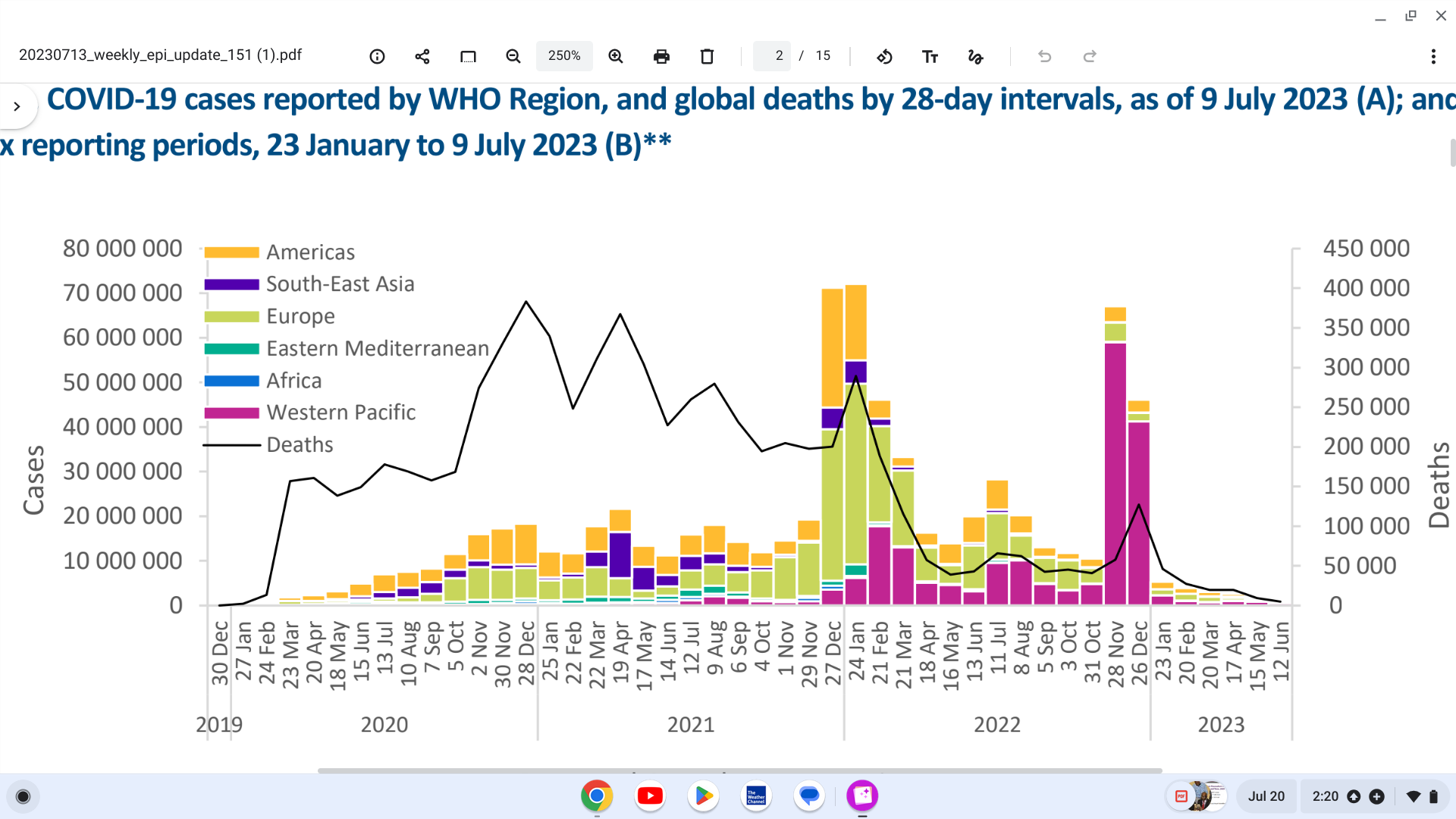
The World Health Organization (WHO) today published its Weekly Epidemiological Update on COVID-19 Edition #152, which stated during this recent 28-day period, 56% (131 of 234) of countries and territories reported at least one case.
As of July 20, 2023, the WHO reported that while five WHO regions confirmed decreases in COVID-19 cases and deaths, the Western Pacific Region has reported a decline in cases but an increase in fatalities.
At the country level, the highest numbers of new 28-day cases were reported from the Republic of Korea (372 557 new cases; -22%), Australia (62 748 new cases; -59%), Brazil (56 744 new cases; -50%), New Zealand (38 949 new cases; +12%), and Singapore (28 333 new cases; -59%).
From a prevention perspective, about 12 COVID-19 vaccines and monoclonal antibody therapies are in use globally.
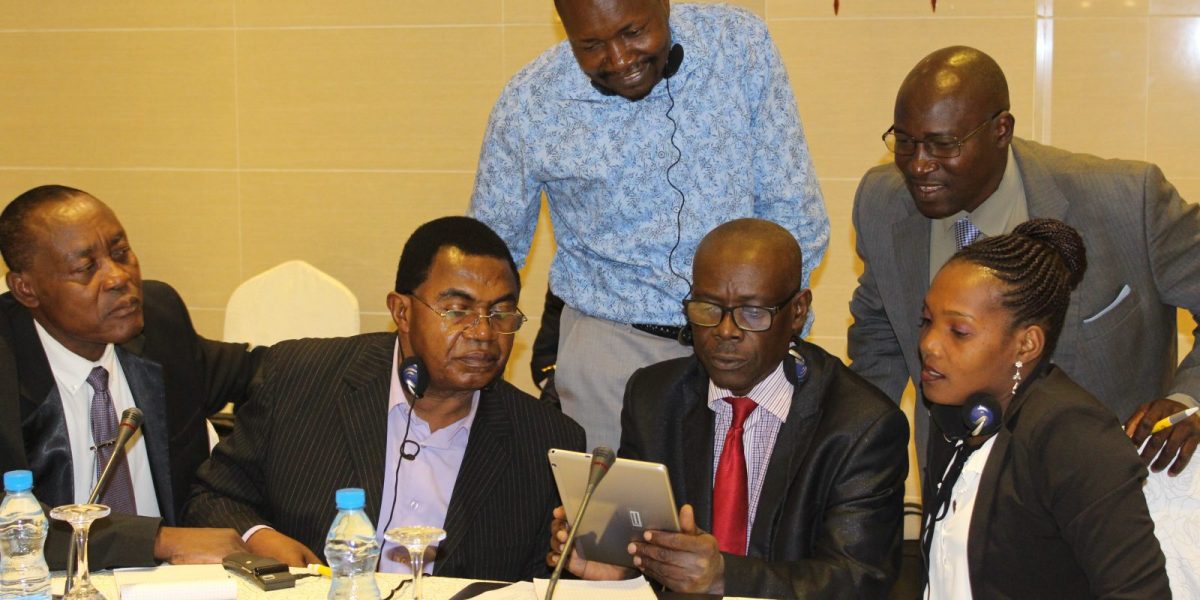
The Africa Centres for Disease Control and Prevention (Africa CDC), the World Health Organization, and the Robert Koch Institute today announced a Health Security Partnership focused on strengthening disease surveillance and epidemic intelligence in Africa.
Substantial progress has been made in disease surveillance across Africa over the past decade, but it is worth noting that it experiences more outbreaks and other health emergencies than others, many of which are preventable or controllable with proven public health interventions, wrote the Africa CDC on July 18, 2023.
“Our collective ability to prevent, prepare for, and respond to healthy security emergencies remains critical to keeping our communities safe,” said Sara Hersey, Director of Collaborative Intelligence at the WHO Hub for Pandemic and Epidemic Intelligence, in a press release.
“Through this partnership, WHO remains dedicated to working with Member States to systematically strengthen our capabilities and collaboration across stakeholders, sectors, and borders for more effective and collaborative disease surveillance in Africa.”
Pfizer Inc. today announced data from a Phase 2 clinical study investigating its hexavalent capsular polysaccharide (CPS) conjugate Group B Streptococcus (GBS) vaccine candidate, GBS6.
This vaccine candidate is being developed for maternal administration to protect infants against invasive GBS disease.
In stage two of the three-part study, GBS6 generated robust maternal antibody responses against the six GBS CPS serotypes included in the vaccine, and these antibodies were efficiently transferred to infants at ratios of ~0.4-1.3 depending on the GBS6 group.
Based on a parallel natural history study conducted in South Africa, the Phase 2 study immunogenicity data suggest that GBS6 may offer meaningful protection against invasive GBS disease in newborns and young infants.
The results were published in an Original Article in The New England Journal of Medicine on July 20, 2023, and will inform a planned Phase 3 clinical development program.
“Group B Streptococcus can cause potentially devastating diseases in infants, including sepsis, pneumonia, and meningitis. Annually, there are nearly 400,000 cases of infant disease and approximately 138,000 stillbirths and infant deaths worldwide due to GBS,” said Annaliesa Anderson, Ph.D., Senior Vice President and Chief Scientific Officer, Vaccine Research and Development, Pfizer, in a press release on July 19, 2023.
“Building on decades of expertise and knowledge in vaccines, we are committed to helping protect newborns and young infants through maternal immunization.”
The U.S. CDC says bacteria called group B Streptococcus cause GBS disease.
GBS bacteria commonly live in people’s gastrointestinal and genital tracts. The genital tract is the part of the body involved in reproduction and includes the vagina in women.
Sometimes the bacteria invade the body and cause certain infections, which are known as GBS disease.

The Texas Department of State Health Services (DHSHS) today announced that no-cost health clinics will be available for residents of South Texas next week.
Operation Border Health Preparedness (OBHP) will operate in the Rio Grand Valley from July 24-28, 2023.
OBHP services will include immunizations for children and adults, medical exams, student sports physicals, health and diabetes screenings, dental and vision exams, and prescription glasses from a mobile lab.
In 2022, OBHP provided 30,031 health services to about 6,400 patients.
“Operation Border Health Preparedness allows DSHS and its partners to develop and refine their emergency response actions while also providing no-cost healthcare options for many South Texas residents who may face challenges receiving health care,” said DSHS Commissioner Jennifer Shuford, MD, MPH, in a media statement on July 20, 2023.
“For some (Texas) residents, this may be their only time to visit with a doctor this year.”
Services vary by location, so the public can visit dshs.texas.gov/obhp2023 or call 2-1-1 to confirm which services are offered at a specific Texas location.
Vir Biotechnology, Inc. today announced that the Phase 2 clinical trial (PENINSULA) evaluating VIR-2482 for preventing symptomatic influenza A illness did not meet primary or secondary efficacy endpoints.
In participants who received the highest dose of the investigational hemagglutinin-targeting monoclonal antibody (mAb) VIR-2482 (1,200 mg), a non-statistically significant reduction of approximately 16% in influenza A protocol-defined illness was observed.
And participants who received the highest dose showed an approximately 57% reduction in symptomatic influenza A illness when defined according to U.S. CDC influenza-like-illness criteria, which was one of two secondary endpoints.
VIR-2482 was generally well tolerated, and no safety signals were identified.
“We are grateful to all who participated in this trial, and we remain committed to the pursuit of novel therapies that have the potential to address some of the world’s most serious infectious diseases,” said Marianne De Backer, M.Sc., Ph.D., MBA, Vir’s Chief Executive Officer, in a press release issued on July 2023.
The PENINSULA trial has been supported in whole or in part with federal funds from the Department of Health and Human Services, the Administration for Strategic Preparedness and Response, Biomedical Advanced Research and Development Authority.
As of July 20, 2023, about 95 million influenza vaccines were being distributed in the U.S. The U.S. CDC recommends an annual flu shot for most people, which is offered at most health clinics and community pharmacies in the U.S.

The Lancet Global Health published an early-release study funded by Unitaid that estimated preventive tuberculosis (TB) treatments offered to people with HIV/AIDS (PLWHA) and household contacts of newly diagnosed TB patients could save nearly 850,000 lives by 2035.
People living in close contact with a person with TB disease are at highest risk of infection, accounting for a significant percentage of the 10.6 million new TB infections yearly.
These researchers wrote on July 18, 2023, that the costs of scaling up a TB preventive treatment (TPT) program, including TPT drugs and investigation to rule out active disease, are a major barrier to implementing TPT guidelines and allocating resources.
This study found implementing short-course TPT is likely cost-effective for people living with HIV/AIDS, including child and adult contacts in most countries.
Between 2023 and 2035, scaling up TPT prevented 0.9 (95% uncertainty interval) people from developing TB and 0.13 (0·05–0·27) TB deaths per 100 PLWHA at an incremental cost of $15 per PLWHA.
“The imperative for TB prevention is clear,” said Vincent Bretin, Director of Results at Unitaid, in a related press release.
“This cost-effectiveness analysis proves that preemptively reaching all at-risk individuals – even when it requires the logistical hurdles of going into communities to find those who may not be actively seeking care – is not just ethically sound. It is a smart investment capable of making an enormous impact on the fight to end TB worldwide.”
Previous studies found deploying the 100-year-old BCG vaccine with children offered ample protection against TB and would save billions in healthcare costs.
As of July 2023, over 14 types of BCG vaccines are in use globally. In the U.S., the BCG vaccine is considered for people who meet specific criteria.
