Search API

0 min read

GSK plc today announced positive data from a long-term follow-up phase III clinical trial. The trial followed participants up to approximately 11 years following initial vaccination with Shingrix®, a non-live, recombinant subunit Herpes Zoster vaccine.

Announced on April 17, 2024, the final trial data demonstrate that Shingrix maintained efficacy against shingles for over a decade across all age groups.

The results from the ZOSTER-049 study, an extension from two phase III clinical trials in adults aged 50 and over (ZOE-50 and ZOE-70), include:

  • 79.7% vaccine efficacy (VE) in adults aged ≥50 cumulatively within the period from year six to year 11 after vaccination,
  • 82.0% VE in adults ≥50 at year 11, showing VE remains high each year after vaccination,
  • 73.1% VE in adults aged ≥70 cumulatively from six to 11 years after immunization, showing high VE rates.

In a press release, Dr. Javier Díez-Domingo, Principal Investigator, said, "These final data demonstrate continued protection over more than a decade with high efficacy maintained in both the 50+ and 70+ age groups."

"Infectious diseases like shingles pose a significant risk to adults due to the natural decline in our immune system, and these data represent a remarkable advancement in our understanding of what can be achieved long-term for effective protection against shingles."

Globally, shingles will affect about 30% of people in their lifetimes.

Up to 30% of people experience post-herpetic neuralgia following a shingles rash, a long-lasting nerve pain that can last weeks or months and occasionally persist for several years.

In the U.S., Shingrix was approved by the FDA on October 20, 2017, and is offered at most pharmacies.

Vaccine Treats: 
Image: 
Image Caption: 
by Wolfgang Eckert
Live Blog Update Author: 
Location Tags: 
Include in VBT newsletter: 
0 min read

According to Quebec's National Institute of Excellence in Health and Social Services (INESSS), there will be an increasing demand for emergency services in 2024, which shows the need for all infants to be protected from Respiratory Syncytial Virus (RSV).

As of April 18, 2024, INESSS recommends BEYFORTUS® to prevent RSV lower respiratory tract disease (LRTD) in all neonates and infants aged eight months. 

BEYFORTUS (Nirsevimab-alip) is not a vaccine but is the first approved single-dose, extended half-life monoclonal antibody offering passive immunization in children.

Furthermore, the INESSS Standing Committee on Deliberation—Reimbursement and Access unanimously agrees that BEYFORTUS provides significant clinical benefits compared to placebo in reducing lower respiratory tract infections that require medical assistance and hospitalization due to RSV infection in the healthy, full-term, or premature pediatric population during the first RSV season.

The Committee also recognizes the therapeutic value of BEYFORTUS in the population for whom the risk of developing a serious infection persists for a second RSV season.

Sanofi Canada confirmed it is working with Quebec provincial authorities to make BEYFORTUS available to a broad cohort of infants for the 2024-25 RSV season.

Delphine Lansac, General Manager, Vaccines Canada, Sanofi, stated in a press release, "Parents and physicians who experience the impacts of RSV annually have been waiting for a preventative option that can cover the entire infant population and protect our most vulnerable."

"I believe every baby deserves to be protected against RSV and this recommendation for BEYFORTUS marks an important milestone towards achieving that goal in Quebec. Now is the time to protect all infants against this devastating illness."

Health Canada issued a Notice of Compliance for BEYFORTUS in April 2023. Additionally, it was approved by the U.S. FDA, China, Japan, the European Union, and Great Britain.

Image: 
Image Caption: 
by Aurore Duwez
Live Blog Update Author: 
Location Tags: 
Include in VBT newsletter: 
0 min read

GSK today announced positive results from the pivotal phase III trial for gepotidacin, a potential first-in-class oral antibiotic with a novel mechanism of action for uncomplicated urogenital gonorrhea in adolescents and adults.

The study's results showed that gepotidacin (oral, two doses of 3,000mg) was non-inferior, with 92.6% success rates, compared to 91.2% success rates for intramuscular (IM) ceftriaxone (500mg) plus oral azithromycin (1,000mg) combined therapy, a leading combination gonorrhea treatment regimen.

Chris Corsico, SVP of Development, GSK, said in a press release on April 17, 2024, "We are committed to working with health regulators globally to introduce this potential new antibiotic, focusing on solutions that meet critical patient needs."

This announcement is important since the U.S. CDC previously reported that approximately half of the gonorrhea cases each year in the US are resistant to one antibiotic.

Gonorrhea is a sexually transmitted infection caused by bacteria called Neisseria gonorrhoeae, which the World Health Organisation has recognized as a priority pathogen. If inadequately treated, it can lead to infertility and other sexual and reproductive health complications.

Additionally, GSK is developing gepotidacin to potentially treat uncomplicated urinary tract infections (uUTs). If approved, Gepotidacin could be the first uUTI oral antibiotic in over twenty years.

The development of gepotidacin has been funded in whole or in part with U.S. federal funds.

From a prevention perspective, there are no approved gonorrhea vaccines., but a repurposed meningococcal vaccine has been reported effective.

And the is an oral spray UTI vaccine (Uromune™, MV140) being evaluated in 26 countries in 2024.

Vaccine Treats: 
Image: 
Image Caption: 
from Pixabay
Live Blog Update Author: 
Location Tags: 
Include in VBT newsletter: 
0 min read

A vaccine to prevent chlamydia infections is considered an important measure to control sexually transmitted and ocular infections.

Chlamydia trachomatis is the most common sexually transmitted bacterial infection worldwide, says the U.S. CDC.

As of April 2024, there is no vaccine against the major global pathogen Chlamydia trachomatis; its different serovars cause trachoma in the eye or chlamydia in the genital tract. 

However, significant research and investment have been made towards developing a chlamydial vaccine, but it has been quite some time since a successful phase 1 trial, commented Wilhelmina Huston, with the School of Life Sciences, University of Technology, Sydney, Australia, in an editorial published by The Lancet.

According to results from a phase 1 study (CHLM-02), Statens Serum Institut's CTH522, adjuvanted with CAF01 or CAF09b, is safe and immunogenic. 85 μg CTH522-CAF01 induces robust serum IgG binding titers.

Intradermal vaccination conferred systemic IgG neutralization breadth, and topical ocular administration increased ocular IgA formation. By day 42, the active groups had a 100% four-fold seroconversion rate, while the placebo group had no seroconversion.

The participants were healthy men and non-pregnant women aged 18–45 years without pre-existing C trachomatis genital infection.

Participants were randomly assigned (1:1:1:1:1) to each of the groups A–E, which received an investigational medicinal product, and group F received a placebo only.

Two liposomal adjuvants, CAF01 and CAF09b, were compared.

Serum IgG anti-CTH522 titers were higher after 85 μg CTH522-CAF01 than 15 μg, although not significantly, with no difference after three injections of 85 μg CTH522-CAF01 compared with CTH522-CAF09b (group E).

Intradermal CTH522 (group C) induced high titers of serum IgG anti-CTH522 neutralizing antibodies against serovars B (trachoma) and D (urogenital).

Topical ocular CTH522 (group B) at days 28 and 112 induced higher total ocular IgA compared with baseline (p<0·001).

Participants in all active vaccine groups, particularly groups B and E, developed cell-mediated immune responses against CTH522.

These findings published by The Lancet indicate the CTH522 vaccine candidate's regimens against ocular trachoma and urogenital chlamydia for testing in phase 2 clinical trials.

This phase 1, double-blind, randomized, placebo-controlled trial was conducted at the National Institute for Health Research Imperial Clinical Research Facility in the U.K.

As of April 17, 2024, the U.S. FDA, the U.K., and the European Medicines Agency have not approved a vaccine to prevent chlamydia infections.

However, Sanofi's multi-antigen chlamydia vaccine candidate is planning a Phase 1/2 study in 2024.

Vaccine Treats: 
Image: 
Image Caption: 
from Pixabay
Live Blog Update Author: 
Location Tags: 
Include in VBT newsletter: 

CTH522 Chlamydia Vaccine

CTH522 Chlamydia Vaccine

Statens Serum Institut (SSI) CTH522 Chlamydia vaccine candidate is a multi-component prime-boost Chlamydia trachomatis vaccination regime. The vaccine antigen CTH522 is a recombinant, engineered version of the C. trachomatis major outer membrane protein (MOMP), comprising heterologous immunorepeats from four genital C. trachomatis serovars (D, E, F, and G). Preclinical research on the CTH522 vaccine led to the selection of the liposome-based cationic adjuvant formulation CAF®01, designed to induce a strong cell-mediated immune response combined with antibody induction. 

On February 23, 2024, Nature Communications published a report on a comparative immunological characterization of CTH522/CAF®01 in female mice and humans was published. We find a range of immune signatures that translate from mouse to human, including a Th1/Th17 cytokine profile and antibody functionality. We identify vac ine-induced T cell epitopes conserved among Chlamydia serovars and previously found in infected individuals. Using the mouse model, we show that the common immune signature protected against ascending infection in mice, and vaccine-induced antibodies could delay bacterial ascension to the oviduct and the development of pathology in a T cell-depleted mouse model. Finally, we demonstrate long-lasting immunity and protection of mice one year after vaccination.

A study funded by The EU Horizon Program TRACVAC at the National Institute for Health Research Imperial Clinical Research Facility, London, UK, reported on April 11, 2024, CTH522, adjuvanted with CAF01 or CAF09b, is safe and immunogenic, with 85 μg CTH522-CAF01 inducing robust serum IgG binding titers. Intradermal vaccination conferred systemic IgG neutralization breadth, and topical ocular administration increased ocular IgA formation. These findings indicate CTH522 vaccine regimens against ocular trachoma and urogenital chlamydia for testing in phase 2 clinical trials.

Statens Serum Institut (SSI) was inaugurated in September 1902 and is under the auspices of the Danish Ministry of Health. SSI has developed a unique vaccine strategy to combat this challenging infection. SSI envisions a vaccine that elicits cell-mediated and humoral immunity, with neutralizing antibodies as the primary role in reducing the initial infectious load. On the other hand, the bacteria are intracellular so that a bactericidal cell-mediated immune response will target them. 

CTH522 Chlamydia Vaccine Dosage

During the recent phase 1 study, participants were randomly assigned (1:1:1:1:1) to each of the group's A–E (12 participants each), and six were randomly assigned to group F. Investigators were masked to treatment allocation. GGrupsA–E received an investigational medicinal product, and Group F received a placebo only. Tw liposomal adjuvants, CAF01, and CAF09b, were comp red. Th groups were intramuscular 85 μg CTH522-CAF01, or placebo on day 0 and two boosters or placebo at days 28 and 112, and a mucosal recall with either placebo or CTH522 topical ocularly at day 140 (A); intramuscular 85 μg CTH522-CAF01, two boosters at day 28 and 112 with additional topical ocular administration of CTH522, and a mucosal recall with either placebo or CTH522 topical ocularly at day 140 (B); intramuscular 85 μg CTH522-CAF01, two boosters at day 28 and 112 with additional intradermal administration of CTH522, and a mucosal recall with either placebo or CTH522 topical ocularly at day 140 (C); intramuscular 15 μg CTH522-CAF01, two boosters at day 28 and 112, and a mucosal recall with either placebo or CTH522 topical ocularly at day 140 (D); intramuscular 85 μg CTH522-CAF09b, two boosters at day 28 and 112, and a mucosal recall with either placebo or CTH522 topical ocularly at day 140 (E); intramuscular placebo (F).

CTH522 Chlamydia Vaccine Indication

Chlamydia trachomatis is the most common sexually transmitted bacterial infection worldwide. An infection with the bacteria C. trachomatis causes chlamydia. The bacteria is like a virus, which relies on its host to survive and reply. Ate. C. trachoma tis has two developmental forms: a small (0.3 microns) non-replicating infectious form which, after attachment, is internalized into the host cell and instantly reorganized into a metabolically active and replicating form of almost triple the size. After completing a replicative cycle, it reorganizes into the infectious form and is released from the host cell. If the immune system does not control the bacteria, it may ascend to infect the fallopian tubes and cause significant damage, leading to pelvic inflammatory disease, scarring, and occlusion.

CTH522 Chlamydia Vaccine News

April 11, 2024 - Editorial: Immunological responses in a Chlamydia trachomatis vaccine trial.

November 22, 2022 - The Frontiers Immunology published an ORIGINAL RESEARCH article - This study evaluated the immunogenicity and protective efficacy of combined multi-component immunization strategies with both protein vaccines (CTH522, Con E), DNA vaccine and recombinant viral vector (MVA-MOMP), and adeno vector-based vaccines, in a non-human primate (NHP) model.

August 12, 2019 - The Lancet Infectious Diseases - Safety and immunogenicity of the chlamydia vaccine candidate CTH522 adjuvanted with CAF01 liposomes or aluminum hydroxide: a first-in-human, randomized, double-blind, placebo-controlled, phase 1 trial.

CTH522 Chlamydia Vaccine Clinical Trials

NCT03926728: A Phase I, Double-blind, Parallel, Randomised and Placebo-controlled Trial (CHLM-02) Investigating the Safety and Immunogenicity of a Chlamydia Vaccine, CTH522, in Healthy Ad ts. Biologica  CTH522-CAF01 IM; CTH522-CAF09b IM; CTH52  ID. Findings: Between February 17, 2020 and February 22, 2022, of 154 participants screened, 65 were randomly assigned, and 60 completed the trial (34 [52%] of 65 women, 46 [71%] of 65 White, mean age 26·8 ye rs). No serious adverse events occurred, but one participant in group A2 discontinued dosing after having self-limiting adverse events after both placebo and investigational medicinal products did. Study procedures were otherwise well tolerated; most adverse events were mild to moderate, with only seven (1%) of 865 reported as grade 3 (sev re). There was a 100% four-fold seroconversion rate by day 42 in the active groups (A–E) and no seroconversion in the placebo group. Serum IgG-CTH522 titers were higher after 85 μg CTH522-CAF01 than 15 μg, although not significantly (intention-to-treat median IgG titer ratio groups A–C: D=5·6; p=0·062), with no difference after three injections of 85 μg CTH522-CAF01 compared with CTH522-CAF09b (group E). IIntradermal TH522 (group C) induced high titers of serum IgG anti-CTH522 neutralizing antibodies against serovars B (trachoma) and D (urogeni al). Topical ooclarCTH522 (group B) at days 28 and 112 induced higher total ocular IgA compared with baseline (p<0· 01). Participants in all active vaccine groups, particularly groups B and E, developed cell-mediated immune responses against CTH522.

NCT02787109: Findings: Between August 15, 2016, and February 13, 2017, 35 women were randomly assigned (15 to CTH522:CAF01, 15 to CTH522:AH, and five to plac bo). 32 (91%) received all five vaccinations, and all participants were included in the intention-to-treat anal sex. No related serious adverse reactions were reported, and the most frequent adverse events were mild local injection-site reactions, which were reported in all (15 [100%] of 15) participants in the two vaccine groups and three (60%) of five participants in the placebo group (p=0·0526 for both companies ns). Intranasal vaccination was not associated with a higher frequency of related local reactions (reported in seven [47%] of 15 participants in the active treatment groups vs three [60%] of five in the placebo group; p=1· 00). CTH522:CAF 1 and CTH522:AH induced anti-CTH522 IgG seroconversion in 15 (100%) of 15 participants after five immunizations, whereas no participants in the placebo group were seroconve ted. CTH522:CAF 1 showed accelerated seroconversion, increased IgG titers, an enhanced mucosal antibody profile, and a more consistent cell-mediated immune response profile than CTH522:AH.

0 min read
Availability: 
N/A
Generic: 
CTH522
Drug Class: 
vaccine
Condition: 
Last Reviewed: 
Thursday, April 18, 2024 - 06:00
Status: 
Manufacturer Country ID: 
FDA First In Class: 
Yes
wastewater testing
Wastewater Tests Can Detect Mpox Viruses
0 min read

The U.S. FDA has set February 14, 2025, as the action date for a GSK MenABCWY combination vaccine candidate that protects against the five most common groups of bacteria causing invasive meningococcal disease.

GSK’s 5-in-1 MenABCWY vaccine candidate combines the antigenic components of its two vaccines with demonstrated efficacy and safety profiles, Bexsero® (MenB-4C) and Menveo (Meningococcal [Groups A, C, Y, and W-135] Oligosaccharide Diphtheria CRM197 Conjugate Vaccine).

Combining the protection offered by these U.S. FDA-approved vaccines with fewer shots will reduce and simplify the number of injections.

In the U.S., while meningococcal vaccine recommendations for all five serogroups have been in place since 2015, annual immunization rates have remained low overall due in part to a complex vaccination schedule.

As of April 16, 2024, there are various approved meningococcal vaccines and candidates conducting clinical research.

Vaccine Treats: 
Image: 
Image Caption: 
by Liza Trinidad
Live Blog Update Author: 
Location Tags: 
Include in VBT newsletter: 
0 min read

A global biopharmaceutical company developing a new class of transformative medicines based on messenger ribonucleic acid (“mRNA”) announced today a co-development and licensing agreement with The University of Texas MD Anderson Cancer Center to develop novel mRNA-based cancer vaccines.

CureVac N.V. stated in a press release on April 16, 2024, that the collaboration creates strong synergies between its unique end-to-end capabilities for cancer antigen discovery, mRNA design, and manufacturing and MD Anderson’s expertise in cancer antigen discovery and validation, translational drug development, and clinical research.

The collaboration will focus on developing differentiated cancer vaccine candidates in selected hematological and solid tumor indications with high unmet medical need.

Following the selection of the most promising validated vaccine candidates and the completion of Investigational New Drug approvals, Houston, Texas-based MD Anderson will be responsible for conducting initial Phase 1/2 studies in appropriate clinical indications.

“We look forward to collaborating with the team at MD Anderson to push the boundaries of mRNA technology and develop impactful therapeutic options for patients in need,” commented Dr. Alexander Zehnder, Chief Executive Officer of CureVac.

“By combining our respective expertise, we believe we can go further and faster in developing novel, off-the-shelf, mRNA-based cancer vaccines that have the potential to improve patient outcomes significantly.”

Both parties will contribute to identifying differentiated cancer antigens based on whole genome sequencing, combined with long- and short-read RNA sequencing and cutting-edge bioinformatics. 

Vaccine Treats: 
Image: 
Image Caption: 
UT MD Anderson Houston, Texas
Live Blog Update Author: 
Location Tags: 
Include in VBT newsletter: 
0 min read

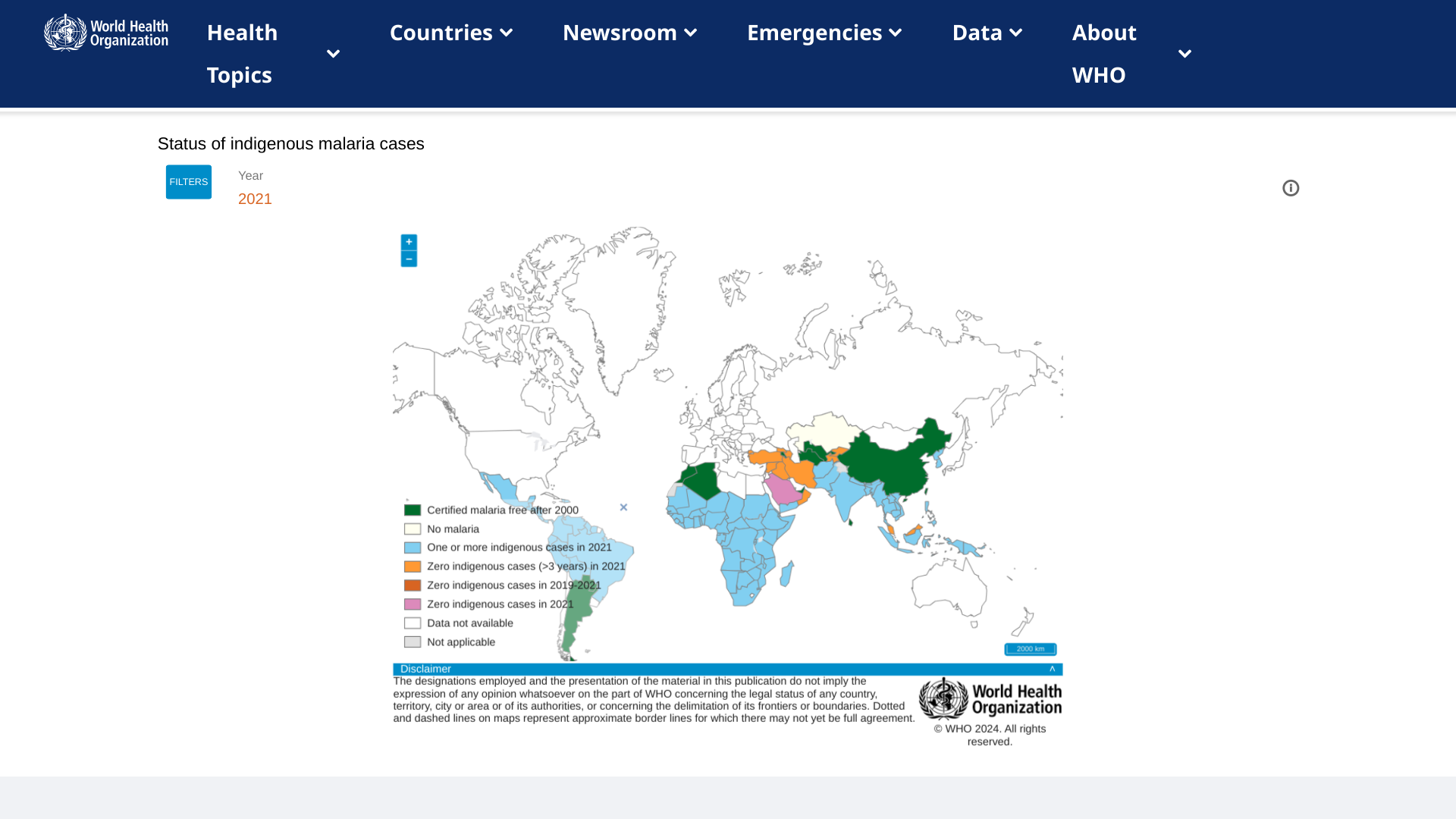
Despite the expenditure of over $3 billion to fight malaria outbreaks since 2021, the world still witnessed an estimated 600,000 malaria deaths and 247 million clinical malaria cases.

To address malaria outbreaks in Africa, new vaccines have recently been deployed.

The Mosquirix™ RTS,S/AS01E malaria vaccine (RTS,S) was introduced in 2019 by national immunization programs in Ghana, Kenya, and Malawi. Researchers aimed to address questions about feasibility and impact, as well as assess safety signals observed during the phase 3 clinical trial.

In a prospective evaluation published by The Lancet on April 4, 2024, the three primary doses were effectively deployed during the first two years of implementation of RTS,S.

There was no evidence of the safety signals that had been observed in the phase 3 trial, and the introduction of the vaccine was associated with substantial reductions in hospital admissions with severe malaria.

This evaluation continues to assess the impact of four doses of Mosquirix.

This study was funded by Gavi, the Vaccine Alliance, the Global Fund to Fight AIDS, Tuberculosis, and Malaria, and Unitaid. No industry conflicts were disclosed.

In addition to RTS,S, the R21/Matrix-M™ malaria vaccine, co-produced by scientists at the University of Oxford, Novavax AB, and Novavax Inc., has been offered in Africa in 2024.

As of April 2024, the U.S. Food and Drug Administration had not approved either malaria vaccine.

Vaccine Treats: 
Image: 
Image Caption: 
BMC Journal Malaria map
Live Blog Update Author: 
Location Tags: 
Include in VBT newsletter: 
AI software
ChatGPT's responses offered factual responses regarding vaccine hesitancy