Mumps Cases Swelling in Alaska

A surge in cases of mumps in North America that began in 2015 shows no sign of slowing in Alaska.
This two year surge is unusual, as previous spikes in mumps cases have typically lasted for just months, not for years, according to the US Centers for Disease Control and Prevention (CDC).
In the biggest outbreak of mumps reported in Alaska in decades, 44 people have been confirmed, and many others show signs of it, the Alaska Division of Public Health (ADPH) reported.
Of the 44 cases confirmed in the laboratory, the median age of the person afflicted is 24, and 82 percent are Native Hawaiian or other Pacific Islander, the ADPH bulletin reported.
"While the original source of the outbreak is uncertain, several of the initial patients reported recent travel to or close contact with a person who had recently traveled to a Pacific island where mumps is circulating," the ADPH bulletin said.
The ADPH is now recommending additional vaccinations for at-risk groups.
As part of the outbreak, the ADPH bulletin recommends a third dose for Native Hawaiian and Pacific Islanders, if it has been five years or longer since the second vaccination.
This ADPH recommendation also applies to anyone who may have been part of group settings, where mumps are circulating.
Most Alaskans in need of a third dose are eligible for state-supplied vaccinations. Additionally, Medicaid will also cover the recommended third dose.
"It's not life or death, but it's no fun to have the mumps," said Bruce Chandler, chief medical officer with Anchorage's Department of Health and Human Services, told the Anchorage Dispatch News.
Even the current mumps epidemic is dwarfed in scale by Britain’s 2005 mumps epidemic, which numbered 43,378 confirmed cases in England and Wales.
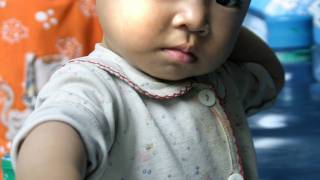
Mumps is a contagious disease that is caused by a virus. Most people with mumps will have swelling of their salivary glands, which causes the puffy cheeks and a tender, swollen jaw.
The CDC emphasised that mumps can be prevented with vaccination.
The current CDC recommendation is to give a third shot to any adults exposed to an outbreak.
A September 2017 study published in the New England Journal of Medicine found that a third dose of the measles, mumps, and rubella (MMR) vaccine sharply reduced infection risk.
The first vaccine against mumps was licensed in the United States in 1967. By 2005, mumps rates declined by more than 99% thanks to high two-dose vaccination coverage among children.
In the USA, Merck is the manufacturer of two mumps vaccinations. MMR and ProQuad both contain the protection for mumps, as well as protection for measles and rubella.
The ProQuad vaccine is indicated for active immunization for the prevention of measles, mumps, rubella, and varicella in children 12 months through 12 years of age.
The CDC Vaccine Price List provides the private sector vaccine prices for general information.
Most pharmacies offer the MMR vaccine, and vaccine discounts can be found here.
Our Trust Standards: Medical Advisory Committee
- Mumps and the UK epidemic 2005
- Mumps Cases and Outbreaks
- Effectiveness of a Third Dose of MMR Vaccine for Mumps Outbreak Control.
- Confirmed cases of measles, mumps and rubella in England and Wales: 1996 to 2016
- Mumps epidemic in North America proves unusually stubborn
- Vaccinated or not, the mumps are on the rise again — What you need to know
- Third MMR Vaccination Approved … For Some
- Mumps outbreak in Anchorage biggest in decades, leads to new vaccination guideline
-
Fact checked by Robert Carlson, MD
-

Fact checked by Danielle Reiter, RN