Yellow Fever Immunization Program Launched in Africa


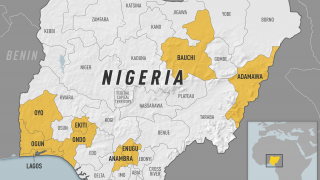
The Government of Nigeria, which is in West Africa, has launched a massive campaign to immunize over 800,000 people against the Yellow Fever virus.
This immunization campaign targets residents aged 9 months to 45 years old.
Yellow Fever transmission in rural West Africa is seasonal, with an elevated risk during the end of the rainy season and the beginning of the dry season, which is usually July–October.
However, Yellow Fever may be transmitted by Ae. aegypti mosquitos even during the dry season, according to the Centers of Disease Control and Prevention (CDC).
About 15% of people who get yellow fever develop serious illness that can lead to bleeding, shock, organ failure, and sometimes death.
“This campaign aims to ensure that people living in high-risk areas are protected from yellow fever, and to prevent the disease from spreading to other parts of the country,” said Dr. Wondimagegnehu Alemu, World Health Organization (WHO) Nigeria Representative.
The WHO and health partners have been supporting the Nigerian Government’s response to the outbreak since the first case of yellow fever was confirmed on September 12, 2017.
WHO has deployed experts to Nigeria to support surveillance and investigation, lab testing, public health measures, and engagement with at-risk communities.
The last yellow fever outbreak in Nigeria was reported in 2002, with 20 cases and 11 deaths.
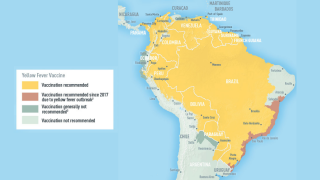
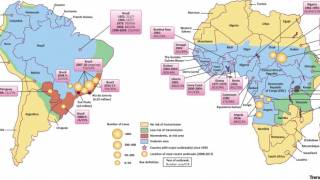
According to the CDC, travelers to certain parts of South America and Africa are at risk for yellow fever.
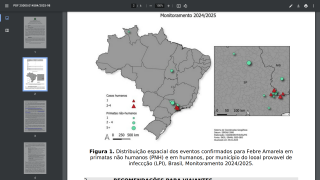
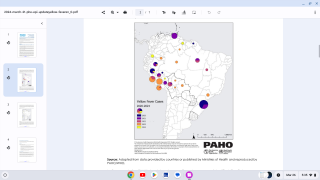
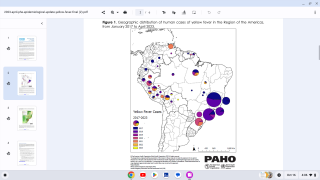
After 3,565 cases and 261 deaths, the Brazil Ministry of Health declared the end of their yellow fever outbreak in September, 2017.
Once vaccinated, travelers should receive a yellow card called the International Certificate of Vaccination or Prophylaxis (ICVP) to prove that you have had yellow fever vaccine. Some countries require all travelers to show proof of yellow fever vaccination before they can enter the country.
Yellow fever symptoms take 3–6 days to develop and include fever, chills, headache, backache, and muscle aches.
“When traveling to high-risk countries, getting the Yellow Fever vaccine may be your best option,’ said Rannon Ching, Pharm.D, a travel vaccine specialist at Tarrytown Pharmacy in Austin, Texas.
“Only CDC and state authorized yellow fever vaccination centers can administer the Yellow Fever vaccine.”
“Some community pharmacies have certified staff available and offer online scheduling services to streamline the patient experience,” said Ching.”
Manufacturing problems at Sanofi Pasteur have resulted in depletion of the YF-VAX vaccine in the United States. YF-VAX is the only FDA approved vaccine.
As a result of this inventory shortage, Sanofi Pasteur has worked with the FDA to import another 17D-204 vaccine from France, Stamaril.
The Stamaril vaccine, which is currently available in 70 countries worldwide, has an efficacy profile similar to YF-VAX.
But, according to this new research, even with this imported vaccine the US can not keep up with consumer demand for the Yellow Fever vaccination.
Consequently, fractional dosing of YF vaccine was proposed as an alternative strategy.
But, fractional dosing of YF-VAX is not recommended in the USA because there is limited efficacy data available.
Consequently, these researchers are suggesting people who are contemplating traveling to YF-endemic areas should schedule a vaccination appointment at least 2 months before departure.
International travelers may find locations that can administer STAMARIL vaccine by visiting this CDC web page.
Providers and patients may also visit the CDC Travelers' Health for information about which countries require yellow fever vaccination for entry.
Vaccine discounts can be found at this webpage.
Our Trust Standards: Medical Advisory Committee
-
Fact checked by Robert Carlson, MD
-

Fact checked by Danielle Reiter, RN