Search API
The European Commission announced on May 31, 2021, an update to the Council Recommendations on the coordination of free movement restrictions in the EU, which were put in place in response to the COVID-19 pandemic.
As the epidemiological situation is improving and vaccination campaigns are speeding up all over the EU, the Commission is proposing that Member States gradually ease travel measures, including most importantly for the EU Digital COVID Certificate holders.
Fully vaccinated persons holding vaccination certificates in line with the EU Digital COVID Certificate should be exempted from travel-related testing or quarantine 14 days after receiving the last dose.
Stella Kyriakides, Commissioner for Health and Food Safety, stated in a press release issued on May 31, 2021, “Freedom of movement is one of EU citizens' most cherished rights: we need coordinated and predictable approaches for our citizens that would offer clarity and avoid inconsistent requirements across Member States.
The Commission also proposed updating the common criteria for COVID-19 risk areas and introducing an ‘emergency brake' mechanism to address the prevalence of new SARS-CoV-2 virus variants of concern or interest.
Furthermore, to ensure family unity, minors traveling with parents should be exempted from quarantine when the parents do not need to undergo quarantine, for example, due to vaccination. And children under 6 should also be exempted from travel-related testing.
As of May 31st, there are sixteen COVID-19 vaccines available globally, with about 100 vaccine candidates.
The European Commission’s priorities include the European Green deal, a digital future, an economy that works for people, promoting and strengthening European democracy.
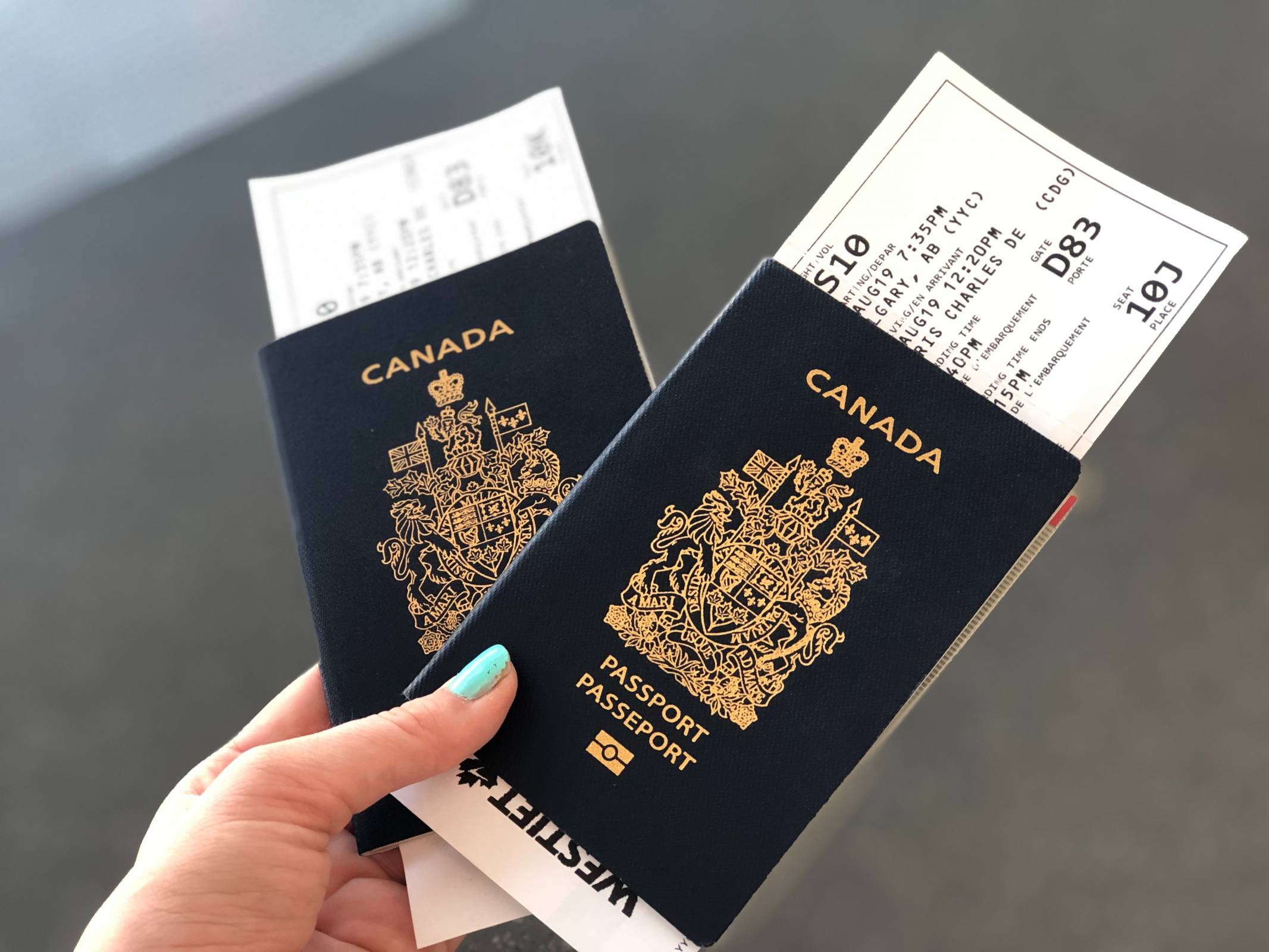
The US Department of State announced on May 28, 2021, 'if you are fully vaccinated against COVID-19 and are planning international travel, please consider the recent order requiring pre-departure testing to travel or return to the USA applies to all air travelers, even those who are fully vaccinated.'
An updated listing of the sixteen COVID-19 vaccines globally available is listed on this webpage.
The Centers for Disease Control and Prevention (CDC) now requires all air passengers entering the United States (including U.S. citizens and Lawful Permanent Residents) to present a negative COVID-19 test, taken within three calendar days of departure or proof of recovery from the SARS-CoV-2 coronavirus within the last 90 days.
Moreover, airlines must deny boarding passengers who do not provide documentation of a negative test or recovery.
If you test positive before traveling to the USA, you will be denied boarding and may have to undergo a mandatory quarantine at your overseas location. And unexpected delays or quarantines may result in unexpected travel expenses.
Furthermore, local governments may have travel restrictions in place, including testing requirements, stay-at-home orders, and quarantine requirements upon arrival. For up-to-date information and travel guidance, check the state or territorial and local health department where you are, along your route, and where you are going.
As the US travel industry gradually recovers, prepare to be flexible during your trip as restrictions and policies may change during your travel.
If traveling by air, check if your airline requires any health information, testing, or other documents.
The CDC suggests having a plan prepared in case you need to access general medical care in another country as the pandemic has strained healthcare capacity in some areas. Before traveling abroad, travelers should consult with their personal physician if they have specific questions or concerns regarding their individual medical situation.

The United Arab Emirates (UAE) Ministry of Health and Prevention (MoHAP) announced on May 29, 2021, the emergency use approval for the GSK Sotrovimab (Vir-7831) treatment.
GSK's Sotrovimab (VIR-7831, GSK4182136) is a fully human anti-SARS-CoV-2 monoclonal antibody with the potential to neutralize the SARS-CoV-2 coronavirus in vitro, kill infected cells, provide a high barrier to resistance, and achieve high concentrations in the lungs.
The UAE authorized Sotrovimab to treat patients aged 12 years or older with mild to moderate COVID-19 disease who are at risk of progression to hospitalization or death. In pre-clinical studies, Sotrovimab has demonstrated effectiveness as a monotherapy against widely circulating variants of the disease.
HE AbdulRahman bin Mohamad Al Owais, MoHAP, said in a press release, “The new medicine will greatly contribute to speeding up the recovery of patients, reducing Covid-19-related deaths and hospitalization period in intensive care units."
"It will also support the country’s efforts being made to conduct Covid-19 tests and administer vaccines, retaining its leading position among the world's foremost countries, dealing efficiently with the Covid-19 pandemic,” the minister said.
Additionally, the MoHAP announced on the 29th that it conducted 204,487 additional COVID-19 tests over the past 24 hours.
In a statement, the Ministry stressed its aim to continue expanding the nationwide testing scope to facilitate the early detection of coronavirus cases and carry out the necessary treatment. As part of its intensified testing campaign, MoHAP announced 1,812 new coronavirus cases, bringing the total number of recorded cases in the UAE to 567,263.
According to the Ministry, the infected individuals are from various nationalities, are in a stable condition, and receiving the necessary care.
The MoHAP also confirmed 5 deaths due to COVID-19 complications, bringing the total number of deaths in the country to 1,673 during the COVID-19 pandemic.

The US Centers for Disease Control and Prevention (CDC) reported on May 28, 2021, a cumulative influenza positivity rate of .02% was confirmed between September 27, 2020, and May 15, 2021.
This rate substantially lower than the 17% average positivity for the 3 previous seasons in the USA.
With very few influenza virus specimens detected (24 out of 20,091) during Week #20, vaccine experts say that it is more difficult to identify and characterize the full extent of the circulating influenza viruses’ diversity. The CDC antigenically characterized 9 influenza viruses collected from September 27, 2020, to May 22, 2021.
The percentage of visits for Influenza-like Illness reported in Week #20 continued to increase for one age group (0–4 years).
A total of (1) influenza-associated pediatric death has occurred during the 2020-2021 flu season. This good news compares with (199) influenza-associated pediatric deaths last flu season.
The CDC's FluView Interactive system includes enhanced web-based interactive applications that can provide dynamic visuals of the influenza data collected and analyzed. These FluView Interactive applications allow people to create customized, visual interpretations of influenza data and make comparisons across flu seasons, regions, age groups, and a variety of other demographics.

The Global Polio Eradication Initiative (GPEI) reported six countries in Africa confirmed polio cases for the week ending May 26, 2021. All of these polio cases involved vaccine-derived types.
Poliomyelitis (polio) is a highly infectious viral disease that primarily affects children. There are 3 strains of wild poliovirus.
The GPEI summary is as follows:
- Pakistan: one cVDPV2 positive environmental sample
- Burkina Faso: one cVDPV2 case
- Congo: one cVDPV2 case
- DR Congo: five cVDPV2 cases
- Guinea: one cVDPV2 case
- Liberia: two cVDPV2 positive environmental samples
- Madagascar: three cVDPV1 cases and one cVDPV1 positive environmental sample
- Mali: one cVDPV2 case
- Tajikistan: two cVDPV2 positive environmental samples
To inform international travelers of their health risks, the U.S. CDC issued a Level 2 Travel Alert on May 13, 2021, saying, 'Some international destinations are considered high risk for polio.
Before travel to any high-risk destination, CDC recommends that adults who previously completed the full, routine polio vaccine series receive a single, lifetime booster dose of polio vaccine.'
Since 2000, the inactivated polio vaccine is most often given in the USA. The CDC recommends that children in the USA get polio vaccinated to protect against poliomyelitis.
The CDC's Advisory Committee on Immunization Practices Vaccine Recommendations is published on this webpage.

New Brunswick, Canada's government, announced on May 27, 2021, all restrictions could be lifted on New Brunswick Day, August 2nd, if 75% of the eligible province population have been fully vaccinated and COVID-related hospitalizations remain manageable.
This vaccination requirement includes those New Brunswickers aged 12 and over.
As of May 29th, about 60% of New Brunswickers aged 12 and older have received the first dose of a COVID-19 vaccine.
By Aug. 2, this Canadian province expects to remove the current state of emergency order, which has been in place since March 2020. All zones are in the Yellow level under the province’s mandatory order.
The first phase of the three-phase Path to Green plan will begin on June 7th. If the Path to Green conditions is met, several changes will come into effect, including no mandatory isolation or testing for those traveling within Atlantic Canada and the border Quebec regions of Avignon and Témiscouata, except for Nova Scotia.
In addition, the 'steady 15' will be eliminated. New Brunswickers will be allowed contact with all family and friends in yellow alert levels.
However, travel registration will still be required.
Compassionate travel will be permitted for individuals outside Newfoundland and Labrador, Prince Edward Island, Avignon, and Témiscouata. Still, they will be required to isolate and take a COVID-19 test between days five and seven, with negative results, before they can discontinue isolation.
And cross-border commuters and truckers will no longer be subject to testing and isolation requirements.
Dr. Jennifer Russell, chief medical officer of health, said all New Brunswickers are suffering from COVID fatigue, but 'hope is a powerful force, and today is all about hope.'
Since the COVID-19 pandemic began in early 2020, there have been 43 fatalities confirmed in the province's 740,000 residents.

The U.S. HHS issued a Public Health Notice on May 26, 2021, alerting healthcare providers in certain states to modify the use of certain monoclonal antibody treatments.
The Centers for Disease Control and Prevention (CDC) has identified that the combined frequency of the P.1 variant (Brazil) and the B.1.351 variant (South Africa) now exceeds 10% in Arizona, California, Florida, Indiana, Oregon, and Washington.
As detailed in prior communications (May 7 and May 21, 2021), the P.1 variant has also been persistently elevated at a frequency exceeding 10% in Illinois and Massachusetts.
Results from in vitro assays that are used to assess the susceptibility of viral variants to particular monoclonal antibodies suggest that bamlanivimab and etesevimab administered together are not active against either the P.1 or B.1.351 variants.
REGEN-COV is an alternative monoclonal antibody therapy that is currently authorized for the same use as bamlanivimab and etesevimab administered together and, based on similar in vitro assay data currently available, REGEN-COV is likely to retain activity against the P.1 and B.1.351 variants.
The U.S. FDA recommends that health care providers in Arizona, California, Florida, Indiana, Oregon, and Washington use this alternative authorized monoclonal antibody therapy until further notice.
All treatment delivery sites can continue ordering REGEN-COV from the authorized distributor by following the existing ordering and reporting procedures.
The FDA also recommends shipping restrictions of bamlanivimab and etesevimab together, and etesevimab alone to Illinois and Massachusetts also remain in effect.
Other states, except those noted above, are not impacted by today’s announcement, says the HHS statement.
All healthcare providers should monitor information from the CDC and state and local health authorities regarding the frequency of P.1 and B.1.351 variants in their region. Healthcare providers should also refer to the CDC website and information from state and local health authorities regarding reports of viral variants of importance in their region to guide treatment decisions.
Sweden-based BioInvent International AB and Transgene announced that their Investigational New Drug application for BT-001 had been granted by the U.S. Food and Drug Administration. BT-001 is being co-developed through a 50/50 collaboration between BioInvent and Transgene.
This news enables patients in the USA to enroll in the ongoing Phase 1/2a clinical trial of this novel oncolytic virus BT-001.
The ongoing Phase 1/2a study is a multicenter, open-label, dose-escalation trial evaluating BT-001 as a single agent and in combination with pembrolizumab (anti-PD-1 treatment). The Phase 1 part of the trial has already been initiated in Europe, where it is enrolling patients in several countries.
BT-001 is expected to elicit a strong and effective antitumoral response by selectively targeting and modulating the tumor microenvironment. In addition, delivering the anti-CTLA4 antibody directly to the tumor aims to induce local Treg depletion and strong therapeutic activity.
“We are pleased to receive IND approval for this Phase 1/2a clinical trial of BT-001, which is BioInvent’s fourth clinical program. This unique oncolytic virus has very exciting potential as it combines multiple mechanisms of action and anti-cancer properties, and we are looking forward to developing it further with our partners at Transgene,” said Martin Welschof, CEO of BioInvent, in a press release.
BT-001 is a novel oncolytic virus developed with Transgene’s Invir.IO™ platform. Invir.IO™’s viruses are based on the patented large capacity Vaccinia virus Copenhagen strain genetically modified with the double deletion TK-RR-. This optimization enhances the safety profile of the virus.
BT-001 is engineered to encode both a highly differentiated Treg depleting anti-CTLA4 antibody and the human GM-CSF cytokine.
The recombinant antibody recognizing human CTLA4 was generated by BioInvent’s proprietary n-CoDeR®/F.I.R.S.T™ platforms. The use of an oncolytic virus to deliver the anti-CTLA4 locally and selectively in the tumor microenvironment allows high intratumoral concentrations of both transgenes, eliciting a stronger and more effective antitumor response by reducing systemic exposure to a very low level.
BioInvent International AB (Nasdaq Stockholm: BINV) is a clinical-stage biotech company that discovers and develops novel and first-in-class immuno-modulatory antibodies for cancer therapy, with currently three drug candidates in four ongoing clinical programs in Phase 1/2 trials for the treatment of hematological cancer and solid tumors, respectively.

According to the latest air traveler data from the US Transportation Security Administration (TSA), the lines at the airport security remain about 30% shorter than before the COVID-19 pandemic began.
In May 2021, the TSA's average number of daily screened travelers was about 1.7 million people. This trend compares with May 2019's average traveler volume of 2.4 million.
However, compared to 2020's average passenger volume of less than 300,000 per day, the airline travel industry is on the road to recovery!
Here’s a hot tip from the TSA.
There’s still time to enroll or renew in TSA PreCheck program before your summer travel begins. Enrolling is easy. Just be visit www.tsa.gov/precheck. The process begins with a five-minute online application, at the end of which you’ll be prompted to book a 10-minute in-person appointment at one of 400+ enrollment centers in the U.S., with over 35 of those located at major airports nationwide.
That’s all it takes… 15 minutes for five years of skipping those long security lines.

California-based Dynavax Technologies announced on May 27, 2021, entered into a commercialization agreement with Bavarian Nordic for the marketing and distribution of HEPLISAV B [Hepatitis B Vaccine in Germany with an expected launch in the fourth quarter of 2021.
In February 2021, the European Commission (EC) granted marketing authorization for HEPLISAV B for the active immunization against hepatitis B virus infection caused by all known subtypes of hepatitis B virus in adults 18 years of age and older.
HEPLISAV B is the only U.S. Food and Drug Administration and EC-approved hepatitis B vaccine for adults with a two-dose regimen completed in one month.
Hepatitis B is a highly infectious and potentially deadly virus with increasing infection rates, and over 250 million people are infected worldwide. Hepatitis B can be prevented with effective vaccination. In adults, hepatitis B is spread through contact with infected blood and unprotected sex with an infected person.
The U.S. Centers for Disease Control (CDC) recommends vaccination for those at high risk for infection due to their jobs, lifestyle, living situations, and travel to certain areas.
Because people with diabetes are particularly vulnerable to infection, the CDC recommends vaccination for adults age 19 to 59 with diabetes as soon as possible after their diagnosis and for people age 60 and older with diabetes at their physician's discretion.
Dynavax is a commercial-stage biopharmaceutical company developing and commercializing novel vaccines.