
Search API

protecting skin from the sun
BioNTech BNT111 Phase 2 cancer vaccine candidate initiates a clinical study in Europe
0 min read

The World Health Organization (WHO) released on June 17, 2021, an updated global list of high burden countries for tuberculosis (TB), HIV-associated TB, and multidrug/rifampicin-resistant TB on June 17, 2021. The WHO's new lists are for 2021–2025.

The main changes compared with the previous lists for 2016-2020 are as follows:

  • The 30 high TB burden countries: Cambodia, the Russian Federation, and Zimbabwe, have transitioned out of the list; while Gabon, Mongolia, and Uganda have joined the list.
  • The 30 high TB/HIV burden countries: Angola, Chad, Ghana, and Papua New Guinea have transitioned out of the list; and Gabon, Guinea, the Philippines, and the Russian Federation have joined the list.
  • The 30 high MDR/RR-TB burden countries. Ethiopia, Kenya, and Thailand have transitioned out of the list; moreover, Mongolia, Nepal, and Zambia have joined the list.

The context of the COVID-19 pandemic was considered before finalize the updated global high-burden country lists. Based on this analysis, it was concluded that it was unlikely that the COVID-19 pandemic would change the countries included in each list, stated the WHO.

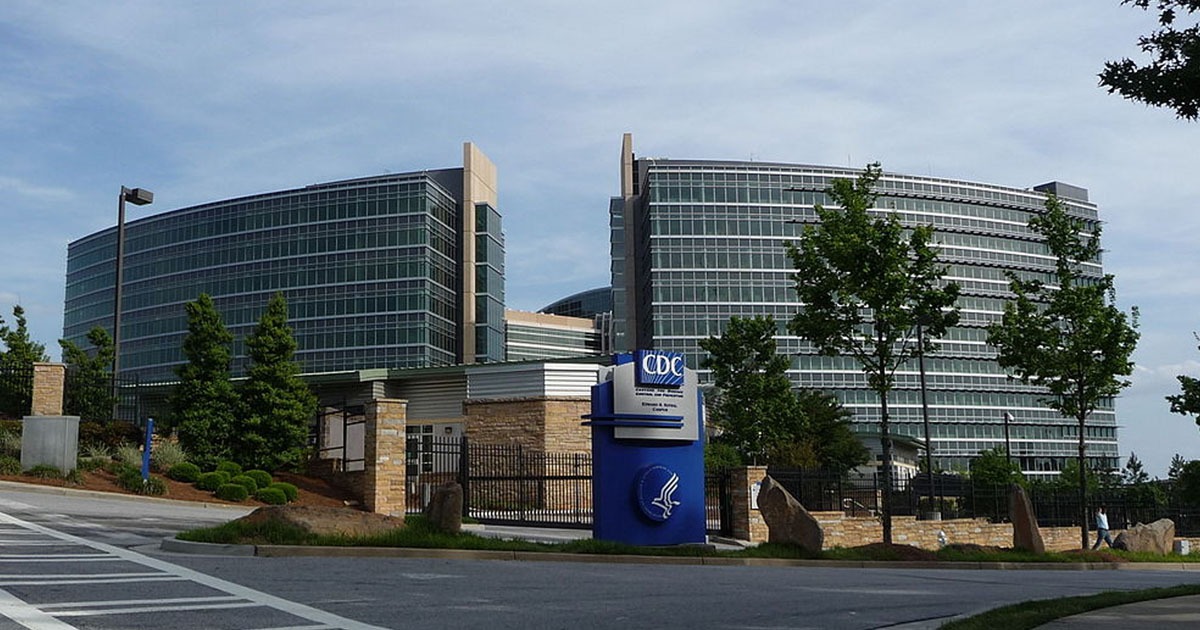
Tuberculosis is caused by a bacterium called Mycobacterium tuberculosis. The bacteria usually attack the lungs, but TB bacteria can attack any part of the body such as the kidney, spine, and brain, says the U.S. CDC.

In November 2019, the WHO removed a freeze-dried BCG vaccine (GreenSignal Bio Pharma Pvt Ltd., India.) to prevent tuberculosis from its list of prequalified vaccines for procurement by UN agencies.

Alternative sources of prequalified BCG vaccines are available, such as Merck's TICE BCG vaccine.

BCG should be considered for very select people who meet specific criteria and in consultation with a TB expert in the USA. In addition, health care providers who are considering BCG vaccination for their patients are encouraged to discuss this intervention with the TB control program in their area, says the CDC.

Vaccine Treats: 
Image: 
Live Blog Update Author: 
Location Tags: 

BNT111 Melanoma Vaccine

BNT111 Melanoma mRNA Immunotherapy Clinical Trials, Efficacy, Side Effects

BNT111 Melanoma mRNA immunotherapy (vaccine) candidate is based upon BioNTech's FixVac platform that targets a fixed combination of mRNA-encoded, tumor-associated antigens to trigger a strong and precise immune response against cancer. BioNTech's BNT111 is  n intravenous therapeutic cancer vaccine candidate encoding for a fixed set of four cancer-specific antigens optimized for immunogenicity and delivered as an RNA-lipoplex formulation. More than 90% of mela omas in patients express at least one of the four tumor-associated antigens encoded in BNT111 (NY-ESO-1, MAGE-A3, tyrosinase, and TPTE).

The ongoing randomized Phase 2 trial (BNT111-01) in patients with anti-PD1-refractory/relapsed unresectable Stage III or IV melanoma investigates BNT111 in combination with Libtayo® (cemiplimab), an anti-PD-1 monoclonal antibody being co-developed by Regeneron and Sanofi. On July 30, 204, BioNTech announced the study's primary endpoint was met. Data demonstrated a statistically significant improvement in overall response rate (“ORR”) compared to historical control in patients with anti-PD-(L)1 relapsed/refractory advanced melanoma. The BNT111 program received a Fast Track designation and an Orphan Drug designation from the U.S. Food and Drug Administration (“FDA”) in 2021.

BioNTech retains global commercial rights to BNT111, which is based on BioNTech’s fully owned FixVac platform and proprietary uridine mRNA-LPX technology. FixVac platform candidates consist of a fixed combination of mRNA-encoded non-mutated antigens shared within specific cancer types. In addition, they feature BioNTech's proprietary RNA-lipoplex delivery formulation, designed to enhance the stability and translation of the mRNA cargo and specifically target dendritic cells. Thus, the vaccine candidate aims to trigger a strong and precise innate and adaptive immune response against cancer cells overexpressing the respective antigen.

Mainz, DE-based Biopharmaceutical New Technologies (BioNTech) is a next-generation immunotherapy company pioneering novel therapies for cancer and other serious diseases. The Company exploits a wide array of computational discovery and therapeutic drug platforms for the rapid development of novel biopharmaceuticals. BioNTech's U.S. headquarters is based in Cambridge, MA.

BNT111 Indication

BNT111, in combination with Libtayo (cemiplimab), is being studied in patients with anti-PD1-refractory/relapsed unresectable Stage III or IV melanoma. Melanoma remains one of the deadliest types of skin cancer, with 5-year survival for Stage IV metastatic disease of about 20%.

BNT111 News

July 30, 2024 - “These Phase 2 results mark a significant step towards our vision of personalized cancer medicine. We envision mRNA as a centerpiece in future treatment paradigms for cancer, helping to address unmet medical needs, such as for patients with anti-PD-(L)1 refractory or resistant melanoma,” said Prof. Özlem Türeci, M.D., Chief Medical Officer and Co-Founder at BioNTech.

November 19, 2021 - BioNTech S.E. announced that the U.S. FDA granted Fast Track Designation for BNT111, an investigational cancer immunotherapy for the potential treatment of advanced melanoma. The vaccine candidate is currently being investigated in a Phase 2 trial in patients with anti-PD-1-refractory/relapsed unresectable Stage III or IV melanoma.

August 9, 2021 - BioNTech S.E. announced for the six months ended June 30, 2021, total revenues were estimated to be €7,356.9 million compared to €69.4 million for the comparative prior-year period.

June 18, 2021 - BioNTech Announces First Patient Dosed in Phase 2 Clinical Trial of mRNA-based BNT111 in Patients with Advanced Melanoma. This is a randomized, global, three-arm Phase 2 trial evaluating BNT111 in combination with cemiplimab versus both agents as monotherapy in patients with anti-PD1-refractory/relapsed unresectable Stage III or IV melanoma. Survival can be as sh rt as six months in the refractory or relapsed setting, depending on risk factors. Up to 50% of patients progress after treatment with checkpoint inhibitors.

August 29, 2020 - The Phase 1 Lipo-MERIT dose-escalation trial demonstrated a favorable safety profile in 89 patients with advanced melanoma. In addition, efficacy analysis of the Lipo-MERIT study in a subset of 42 metastatic melanoma patients previously treated with a checkpoint-inhibitor showed that BNT111 mediated durable responses both as a single agent and in combination with anti-PD-1 antibodies and that durable objective response by BNT111 were associated with activation and strong expansion of tumor-antigen-specific CD4+ and CD8+ T cells.

July 29, 2020 - The journal Nature published a study: An RNA vaccine drives immunity in checkpoint-inhibitor-treated melanoma. 'Our findings indicat  that RNA-LPX vaccination is a potent immunotherapy in patients with CPI-experienced melanoma, and suggest the general utility of non-mutant shared tumor antigens as targets for cancer vaccination.'

BNT111 Melanoma Vaccine Clinical Trials

BNT111 is currently conducting clinical trials.  A phase 1 clinical t al demonstrated a favorable safety profile in 89 patients with advanced melanoma. In addition, efficacy analysis of the Lipo-MERIT study in a subset of 42 metastatic melanoma patients previously treated with a checkpoint-inhibitor (CPI) showed that BNT111 mediated durable responses both as a single agent and in combination with anti-PD-1 antibodies and that durable objective response by BNT111 were associated with activation and strong expansion of tumor-antigen-specific CD4+ and CD8+ T cells. Results were publishe  in Nature in July 2020.

The Phase 2 trial is based on positive results from the Phase 1 Lipo-MERIT trial that demonstrated a favorable safety profile for BNT111 as well as durable objective responses observed in patients with melanoma who had progressed following prior checkpoint blockade.


0 min read
Generic: 
Cancer Vaccine
Drug Class: 
mRNA Vaccine
Condition: 
Last Reviewed: 
Wednesday, July 31, 2024 - 10:15
Brand: 
BNT111
Status: 
Manufacturer Country ID: 
0 min read

The Janssen Pharmaceutical Companies of Johnson & Johnson announced on June 1, 2021, that the U.S. Food and Drug Administration (FDA) had granted Breakthrough Therapy Designation (BTD) for teclistamab in the treatment of relapsed or refractory multiple myeloma.

This distinction for teclistamab, an off-the-shelf, T-cell redirecting, bispecific antibody targeting both B-cell maturation antigen and CD3 receptors, follows a PRIME designation from the European Medicines Agency received earlier in 2021.

Results from preclinical studies demonstrate that teclistamab kills myeloma cell lines and bone marrow-derived myeloma cells from heavily pretreated patients.

“We are pleased to have received Breakthrough Therapy and PRIME Designations for our novel bispecific antibody, teclistamab,” said Peter Lebowitz, M.D., Ph.D., Global Therapeutic Area Head, Oncology, Janssen Research & Development, LLC, in a press statement.

The U.S. FDA grants BTD to expedite the development and regulatory review of an investigational medicine intended to treat a serious or life-threatening condition and is based on preliminary clinical evidence that demonstrates the drug may have substantial improvement on at least one clinically significant endpoint over available therapy.

Janssen Research & Development, LLC is one of the Janssen Pharmaceutical Companies of Johnson & Johnson.

Vaccine Treats: 
Image: 
Live Blog Update Author: 
Location Tags: 
0 min read

Germany-based BioNTech SE announced the first patient had been treated in its BNT111 Phase 2 cancer vaccine trial. The study evaluates the Company’s therapeutic cancer vaccine candidate BNT111 in combination with Libtayo® (cemiplimab) in patients with anti-PD1-refractory/relapsed unresectable Stage III-IV melanoma.

BNT111 is the lead product candidate from BioNTech’s FixVac platform that targets a fixed combination of mRNA-encoded, tumor-associated antigens with the objective of triggering a strong and precise immune response against cancer. 

BNT111 is an intravenous therapeutic cancer vaccine candidate encoding for a fixed set of four cancer-specific antigens optimized for immunogenicity and delivered as an RNA-lipoplex formulation.

The BNT111-01 trial, which is being conducted in collaboration with Regeneron, was reviewed and approved by the regulatory authorities in Spain, Germany, Italy, Poland, and the United Kingdom, the USA, Australia.

“Our vision is to harness the power of the immune system against cancer and infectious diseases. We were able to demonstrate the potential of mRNA vaccines in addressing COVID-19. We must not forget that cancer is also a global health threat, even worse than the current pandemic,“ said Özlem Türeci, M.D., Co-founder and Chief Medical Officer of BioNTech, in a press release.

Mainz, DE-based Biopharmaceutical New Technologies (BioNTech) is a next-generation immunotherapy company pioneering novel therapies for cancer and other serious diseases.  BioNTech’s fully-owned mRNA cancer vaccine platform is separate from the Pfizer-BioNTech COVID-19 vaccine program.

Vaccine Treats: 
Image: 
Live Blog Update Author: 
Location Tags: 
0 min read

The U.S. CDC announced late on June 17, 2021, the emergency meeting of the Advisory Committee on Immunization Practices (ACIP) on June 18th has been rescheduled due to observing the Juneteenth National Independence Day holiday.

The ACIP discussions on the proposed agenda will be included in the regularly scheduled ACIP meeting on June 23-25, 2021.

The previous agenda included an update on COVID-19 vaccine safety, including myocarditis after mRNA vaccines assessment. 

As of June 9, 2021, the CDC and U.S. FDA have confirmed 268 reports of myocarditis or pericarditis among people ages 30 and younger who received a COVID-19 vaccine. Most cases have been reported after mRNA COVID-19 vaccination (Pfizer-BioNTech or Moderna), particularly in males.

Furthermore, the ACIP intended to lead a benefit-risk discussion of COVID-19 mRNA vaccines in adolescents and young adults.

The June 23rd ACIP meeting will be held virtually without requiring registration to attend.

Vaccine Treats: 
Image: 
Live Blog Update Author: 
Location Tags: 
people wearing masks crossing the road
Antiviral Program for Pandemics will respond to the urgent need for antivirals to treat COVID-19
older man walking in a field
Breast cancer clinial trials should include men
0 min read

The U.S. Food and Drug Administration (FDA) approved a nasal antihistamine for nonprescription use through a process called a partial prescription to nonprescription switch on June 17, 2021.

The FDA approved Astepro (azelastine hydrochloride nasal spray, 0.15%) for seasonal and perennial allergic rhinitis—commonly known as allergies—for adults and children six years of age and older. 

Azelastine can cause drowsiness. The label warns that consumers using this product should avoid alcoholic drinks and be careful when driving a motor vehicle or operating machinery. Using azelastine nasal spray with alcohol, sedatives, or tranquilizers may increase drowsiness, says the FDA.

“Seasonal and perennial allergies affect millions of Americans every year, causing them to experience symptoms of nasal congestion, runny nose, sneezing, and more,” commented Theresa M. Michele, M.D., director of the office of nonprescription drugs in the FDA’s Center for Drug Evaluation and Research, in a press statement.

“Today’s approval provides individuals an option for a safe and effective nasal antihistamine without requiring the assistance of a healthcare provider.”

For a drug to switch from prescription to nonprescription status, the data provided must demonstrate that the drug is safe and effective for use in self-medication as directed in proposed labeling. The manufacturer must show that consumers can understand how to use the drug safely and effectively without the supervision of a healthcare professional.

This approval is a first-in-class switch for a nasal antihistamine. It is considered a partial switch because of the 0.1% strength, which includes the perennial allergy indication for children 6 months to 6 years old and seasonal allergy indication for children 2 to 6 years old, which will remain prescription based.

The FDA granted the approval of nonprescription Astepro to Bayer Healthcare LLC.

Vaccine Treats: 
Image: 
Live Blog Update Author: 
Location Tags: 
0 min read

Sanofi announced the U.S. Food and Drug Administration (FDA) Center for Biologics Evaluation and Research had granted approval to Sanofi Pasteur for an additional influenza manufacturing facility located in Swiftwater, PA.

The newly completed facility further expands production and distribution of Sanofi's Fluzone® High-Dose Quadrivalent for the upcoming 2021-2022 influenza season in the USA.

"We are experiencing fast-growing demand for our vaccine in the U.S. and globally, given the 10 years of data demonstrating protection from flu and its related complications," said Elaine O'Hara, Head of North America Commercial Operations for Sanofi Pasteur, in a press statement.

"Our new facility will complement our existing capacities to produce enough high-dose vaccine for all people 65 and older in as many countries as possible this flu season and beyond, supporting the needs of healthcare providers and patients."

Fluzone Quadrivalent contains the 2 strains of influenza A and B identified for the current flu season. The vaccine is given to people 6 months of age and older. And Fluzone High-Dose is a vaccine given to people 65 years of age and older that also contains 4 killed flu virus strains.

With more than 100,000 people in 100 countries, Sanofi is transforming scientific innovation into healthcare solutions around the globe.

Vaccine Treats: 
Image: 
Live Blog Update Author: 
Location Tags: