Canadians Not Immune to Zika


A study today of Zika infections in Canadian travelers revealed they were just as common as other mosquito-borne diseases, such as Dengue and Chikungunya.
Moreover, the reported health complications were more severe than expected.
"The common perception that Zika is associated with a very mild clinical course compared with dengue or chikungunya was not borne out in this small cohort," states Dr. Andrea Boggild, Clinical Director, Tropical Disease Unit at the University Health Network, University of Toronto and Public Health Ontario.
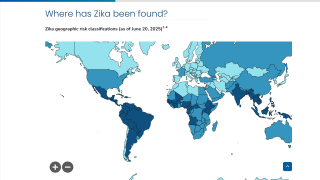
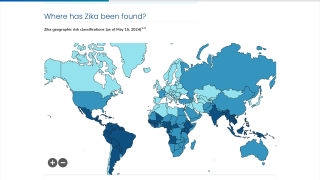
Canadian travellers, a highly mobile group, were found to be as susceptible as others to viruses found in the Caribbean and South America.
Of all travellers examined at the seven CanTravNet clinics, 41 (3.7%) had been infected with Zika virus, 41 (3.7%) had dengue and 23 (2.1%) had chikungunya, all mosquito-borne illnesses transmitted throughout the Americas.
CanTravNet cases of Zika account for approximately 12% of those nation-wide, and travellers from some provinces may be under-represented in the database.
Almost 60% (24) of travellers with Zika were female, of whom 79% (19) were of childbearing age.
Three pregnant women were infected, with two cases of congenital infection, and another two travellers had Guillain-Barré or GBS-like syndrome, making a total of 10% of cases with severe complications of Zika.
Conversely, none of the cases of dengue or chikungunya had a complicated course of infection.
"Referral bias to our centres may have contributed to the more severe clinical presentations noted for Zika, though we would have expected the same phenomenon to occur with dengue and chikungunya were this a significant contributing bias," states Dr. Boggild.
These researchers urge travelers to better prepare themselves, such as deferring travel in case of current pregnancy or planned pregnancy, protecting against mosquito bites using clothing and DEET- or picaridin-containing mosquito repellents, and barrier protection during sexual activity.
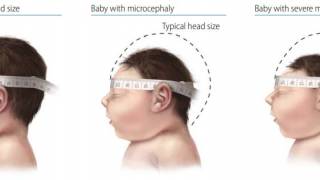
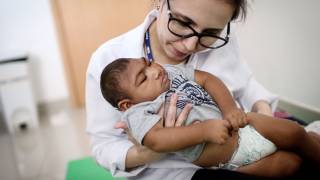
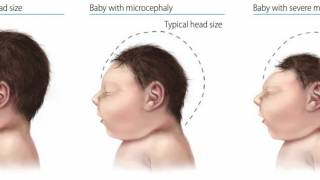
Zika virus, an infectious mosquito-borne disease introduced in the Americas in 2013, has been reported to cause severe birth defects in babies of pregnant women who were infected. There is currently no vaccination for the Zika virus.
The study was conducted by researchers from University Health Network, the University of Toronto, Public Health Ontario, Toronto, Ontario; McGill University, Hôpital Saint-Luc du CHUM and Université de Montréal, Montréal, Quebec; The Ottawa Hospital, the University of Ottawa, Public Health Agency of Canada, Ottawa, Ontario; University of British Columbia, Vancouver, BC; Vancouver Island Health Authority, Victoria, BC; Fraser Health Unit, Surrey, BC; Alberta Children's Hospital and the University of Calgary, Calgary, Alberta; Winnipeg Regional Health Authority, Winnipeg, Manitoba; Trillium Health Partners, Mississauga, Ontario; and the University of Alabama, Birmingham, AL, USA.
No conflicts of interest were disclosed.
Our Trust Standards: Medical Advisory Committee
-
Fact checked by Robert Carlson, MD
-

Fact checked by Danielle Reiter, RN